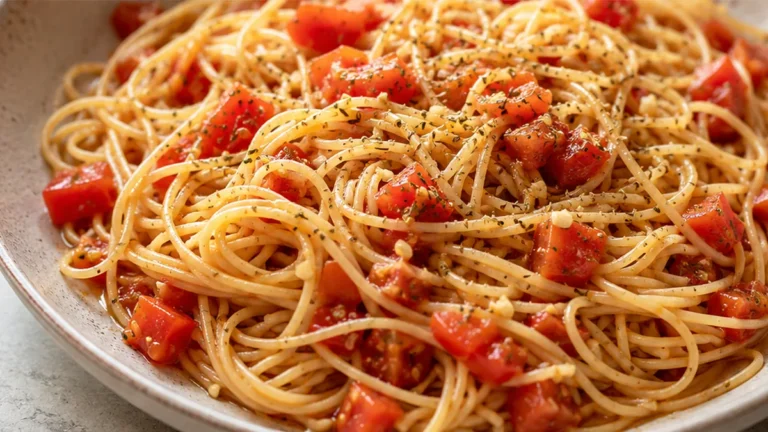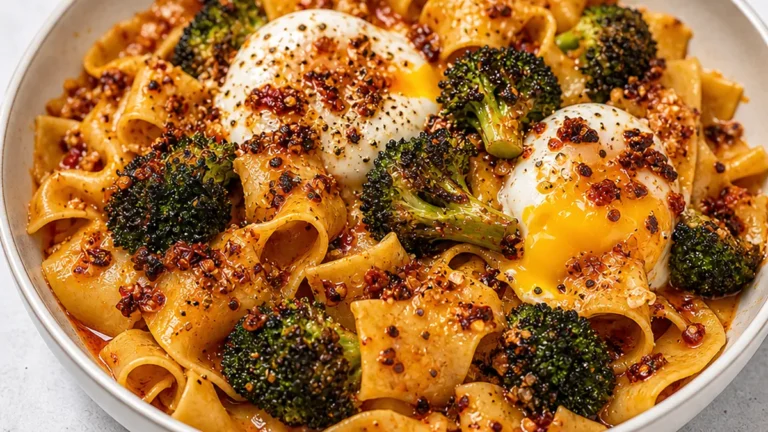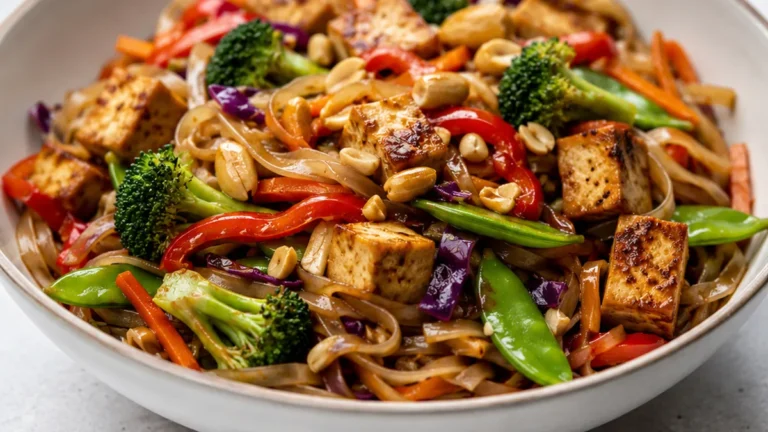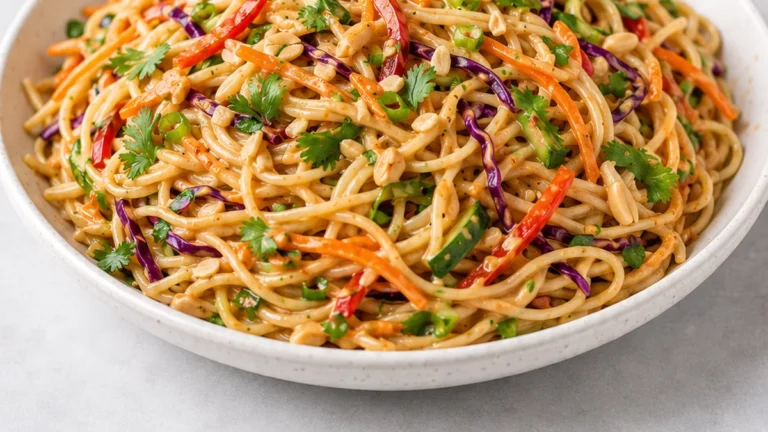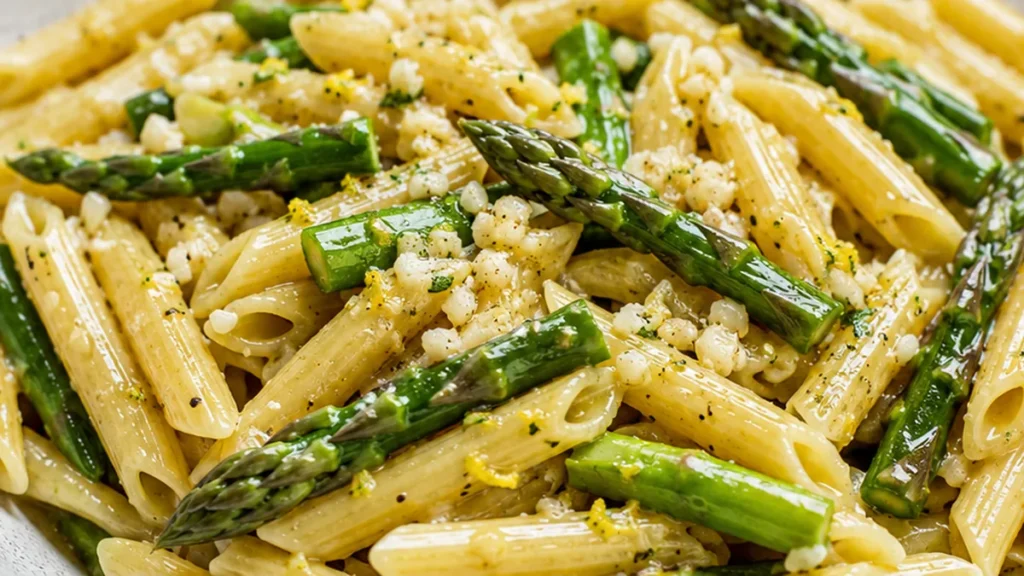
The secret to a truly bright asparagus pasta lies in perfectly cooked asparagus – bright green and tender-crisp, not mushy. This Lemon Garlic Asparagus Pasta brings together the freshest flavors of spring in a simple, satisfying dish. This asparagus pasta recipe is designed for ease and maximum flavor, focusing on quick cooking techniques that preserve the delicate texture and bright color of the asparagus. It’s a fantastic option for a quick weeknight dinner or a light lunch.
Key takeaways
- Cooking pasta al dente is crucial for texture.
- Blanch asparagus to maintain color and crispness.
- Control heat to prevent burning garlic.
- Creating an emulsion enhances flavor and cohesion.
Garlicky Lemon Asparagus Pasta Recipe
Ingredients
- 8 oz pasta (uncooked)
- 1 bunch asparagus (about 1 lb.)
- 2 tbsp butter
- 2 garlic cloves (minced)
- 1 lemon
- salt (to taste)
- black pepper (to taste, freshly cracked)
Instructions
- Bring a pot of water to a boil for the pasta. Once boiling, add the pasta and continue to boil until the pasta is tender. Reserve about 1/2 cup of the starchy cooking water, then drain the pasta and set it aside.
- While the pasta is cooking, prepare the asparagus. Remove the bottom 1/2 to 1-inch of the stems, or just the part that is tough and woody. Chop the remaining asparagus into 1-inch pieces.
- Place the asparagus in a large skillet and add about 1/2 inch water. Place a lid on the skillet and bring the water up to a boil. Let the asparagus steam and simmer for about 2 minutes, or just until it turns bright green and has become slightly tender (test with a fork). Drain the asparagus and return it to the skillet.
- Add the butter and minced garlic to the skillet with the asparagus and place it over medium heat. Sauté the partially cooked asparagus in the butter and garlic for about two minutes more, or until the garlic becomes soft and fragrant. Turn off the heat.
Notes
– Store leftover pasta in an airtight container in the refrigerator for up to 3 days. Reheat gently on the stovetop with a splash of water or vegetable broth to prevent drying out. Nutrition information is an estimate, calculated automatically. Values vary with brands, substitutions and portion sizes.
The Technique That Makes It
In this Garlicky Lemon Asparagus Pasta recipe, the key technique lies in the proper cooking of the pasta and the asparagus, as well as the creation of a garlic-lemon emulsion. Cooking the pasta until al dente ensures it retains a firm texture, which is essential for holding up against the buttery sauce. The asparagus should be blanched briefly before being sautéed, allowing it to maintain its vibrant color and crispness. When combining the pasta with the butter, minced garlic, and lemon juice, the heat should be controlled to avoid burning the garlic, which can impart a bitter flavor. The emulsion created by the butter and lemon juice envelops the pasta, enhancing its flavor and creating a cohesive dish.
Troubleshooting
- Problem: Pasta is overcooked and mushy.
Fix: Cook the pasta for 1-2 minutes less than the package instructions indicate. Always taste for doneness before draining. - Problem: Asparagus is tough or stringy.
Fix: Trim the woody ends of the asparagus and blanch them in boiling water for 2-3 minutes before sautéing to ensure tenderness. - Problem: Garlic burns and tastes bitter.
Fix: Reduce the heat when sautéing garlic and add it after the asparagus has softened. Cook until fragrant, about 30 seconds. - Problem: The sauce is too oily or lacks flavor.
Fix: Adjust the amount of butter and lemon juice to taste. Adding a splash of pasta cooking water can help create a better emulsion.
Substitutions
- Pasta: Use whole wheat or gluten-free pasta for a healthier option, which will provide a different texture but maintain the overall flavor profile.
- Butter: Substitute with olive oil or vegan butter for a dairy-free option, which will still create a rich flavor.
- Asparagus: Replace with green beans or zucchini for a different vegetable that will add a similar crunch and freshness.
- Lemon: Use lime juice or a splash of white wine vinegar for a different acidity that complements the dish.
Pro tips
- For the freshest taste, choose asparagus with firm, bright green stalks and tight tips. – Don’t overcook the pasta! Al dente is key for the best texture in this dish. – When sautéing the garlic, keep the heat medium to prevent burning, which can turn the flavor bitter. I’ve found that a gentle sizzle is what you’re looking for, not a loud crackle.
- Store leftover pasta in an airtight container in the refrigerator for up to 3 days. Reheat gently on the stovetop with a splash of water or vegetable broth to prevent drying out.
This Lemon Garlic Asparagus Pasta is a testament to how simple ingredients can create profound flavors. Give it a try and enjoy the fresh taste of spring in every bite!
Frequently asked questions
What type of pasta works best for asparagus pasta?
While any pasta can work, long shapes like spaghetti or fettuccine are ideal as they hold the sauce well. Short pasta like penne can also be used but may not catch the sauce as effectively.
Can I make this dish ahead of time?
This dish is best served fresh, but you can prepare the components ahead. Cook the pasta and asparagus separately, then combine them just before serving to maintain texture and flavor.
How can I add protein to this dish?
Grilled chicken, shrimp, or chickpeas can be added for protein. Simply cook them separately and toss them in with the pasta and sauce before serving.
What should I serve with Garlicky Lemon Asparagus Pasta?
This pasta pairs well with a light salad or garlic bread. A crisp white wine, such as Sauvignon Blanc, also complements the flavors beautifully.