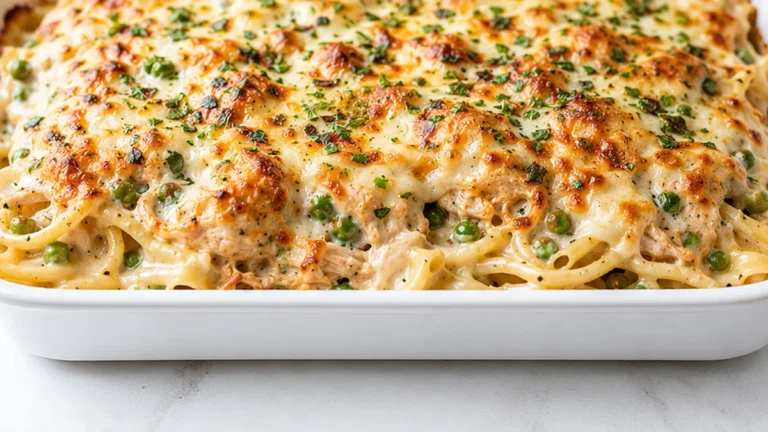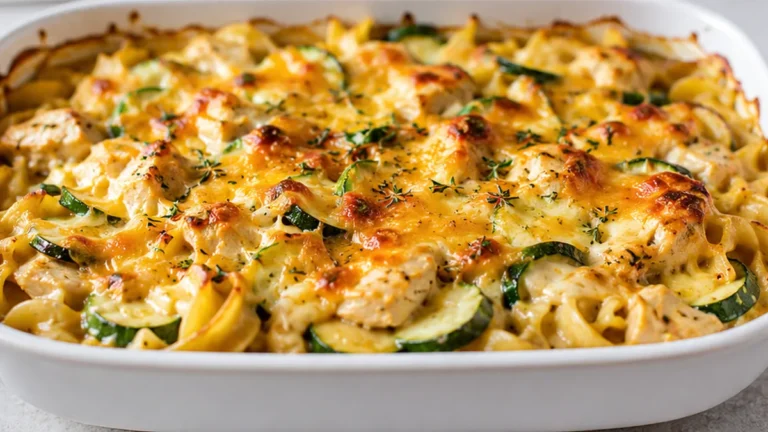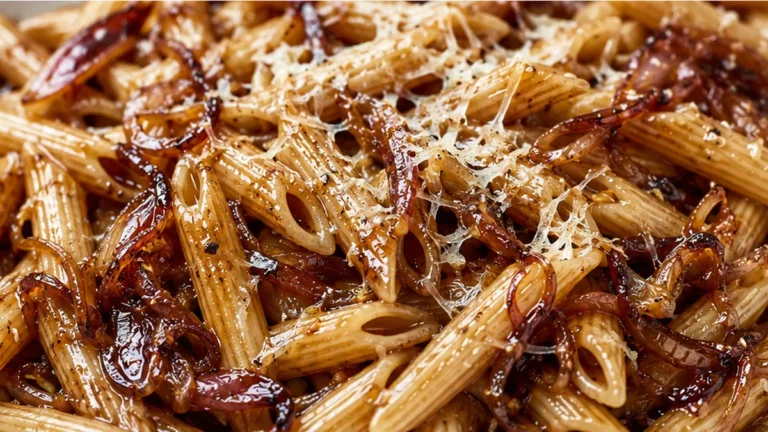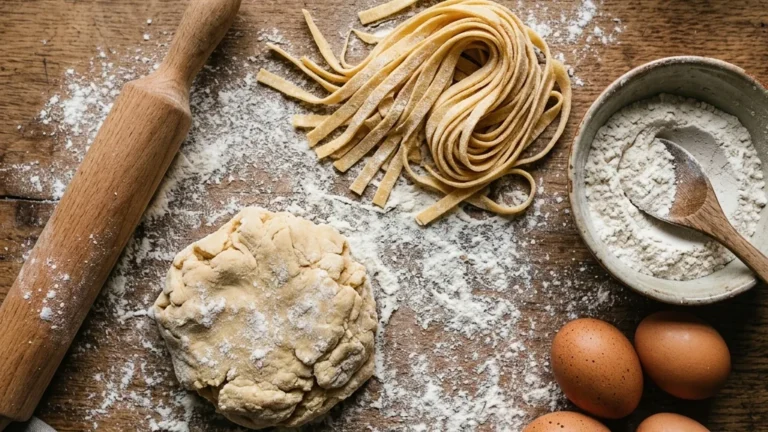
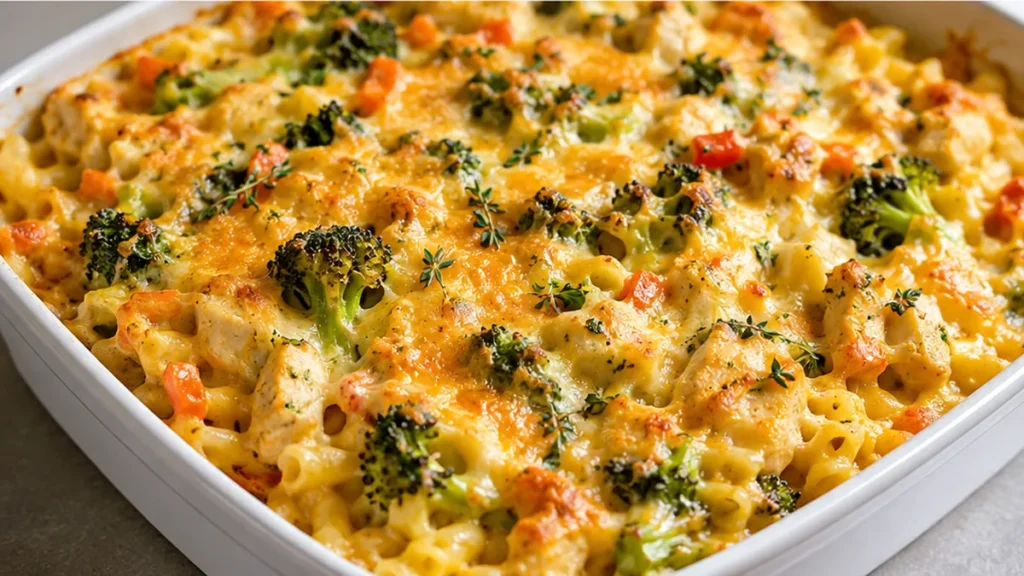
This chicken casserole recipe combines tender chicken, broccoli, and cheddar cheese for a comforting meal. It’s a straightforward bake perfect for weeknights.
Key takeaways
- Sear chicken in batches for optimal browning and moisture retention.
- Sauté aromatics and bloom spices gently to build a flavorful sauce base.
- Avoid overcooking the chicken during the baking phase.
- Season generously throughout the cooking process for balanced flavor.
Golden Broccoli Cheddar Chicken Casserole!
Ingredients
- 1 tablespoon extra virgin olive oil
- 1 yellow onion, chopped
- 2 carrots, chopped
- 3/4 pound boneless chicken breasts, cut into cubes
- 1 teaspoon garlic powder
- kosher salt and black pepper
- 2 tablespoons salted butter
- 2 tablespoons fresh thyme leaves
- 1 teaspoon paprika
- 1/2 teaspoon cayenne pepper, to taste
Instructions
- Preheat the oven to 425° F. Heat the olive oil in a large pot over medium heat. Add the onion and carrot and cook until fragrant, about 5 minutes.
- Stir in the chicken and season with salt and pepper. Add the butter, thyme, paprika, garlic powder, and cayenne, and cook until golden and toasted, 2-3 minutes.
- Add the broth and milk. Bring to a gentle boil over medium heat. Add the pasta and broccoli and season with salt and pepper. Stir frequently until the pasta is al dente and the broth has been absorbed, about 8-10 minutes.
- Stir in 1 cup of cheese. If needed, transfer everything to an oven-safe casserole dish. Scatter the remaining cheese over top of the casserole.
- Bake 20 minutes, until the cheese is melted and beginning to brown. Serve warm with additional thyme and fresh basil.
Notes
The Technique Behind the Golden Broccoli Cheddar Chicken Casserole
The success of this chicken casserole hinges on two key techniques: proper searing of the chicken and building a flavorful, stable sauce. Searing the chicken cubes in a hot pan with olive oil before adding them to the casserole ensures they develop a golden-brown crust through the Maillard reaction. This not only adds a desirable depth of flavor and appealing color but also helps to lock in moisture, preventing the chicken from becoming dry and rubbery during the baking process. It’s crucial to avoid overcrowding the pan when searing; cook the chicken in batches if necessary to maintain a high enough temperature for effective browning rather than steaming. The second critical element is the sauce. By sautéing the aromatics (onion and carrots) and then incorporating the butter, thyme, paprika, and cayenne, you create a flavorful base. The butter melts and emulsifies with the rendered chicken juices and any additional liquid added (though not explicitly listed in these ingredients, a liquid like chicken broth or cream is typically implied for a casserole sauce). Ensuring the butter and spices are gently heated allows their flavors to bloom without burning, which is especially important for paprika and cayenne. This careful layering of flavors and textures, culminating in a bake that melds everything together, is what transforms simple ingredients into a comforting casserole.
Troubleshooting
- Problem: Chicken is dry and tough. Fix: Ensure chicken was properly seared in a hot pan, not overcrowded, and cooked only until just done in the casserole. Overcooking is the primary cause of dry chicken.
- Problem: Casserole is watery. Fix: This can happen if the vegetables release too much moisture or if insufficient thickening occurred. Ensure onions and carrots are cooked down sufficiently before adding other ingredients. If using pre-cooked broccoli, ensure it’s well-drained.
- Problem: Sauce is bland. Fix: Taste and adjust seasoning before baking. Ensure adequate salt and pepper are added, and consider adding a splash of chicken broth or a touch of Dijon mustard for extra depth.
- Problem: Spices taste burnt. Fix: Spices, especially paprika and cayenne, can burn easily. Add them after the butter has melted and stir briefly over low heat before adding other ingredients.
Substitutions
- Chicken: Boneless, skinless chicken thighs can be substituted for breasts. They will yield a more tender and moist result due to their higher fat content.
- Thyme: Dried thyme can be used if fresh is unavailable, but use about one-third the amount (1 teaspoon) as dried herbs are more concentrated. The flavor will be less bright.
- Carrots: Diced celery can be used as a substitute for carrots, offering a different aromatic base and texture. The flavor profile will shift slightly towards more herbaceous notes.
- Paprika: Smoked paprika can be used instead of regular paprika for a deeper, smoky flavor. This will impart a distinctly different, more robust taste to the casserole.
Pro tips
- To ensure your chicken casserole is cooked through and safe, confirm the internal temperature of the chicken reaches 165°F (74°C) using a meat thermometer.
- For a richer flavor, use a good quality chicken broth. You can also add a pinch of nutmeg to the sauce for an extra layer of warmth.
- Leftover chicken casserole can be stored in an airtight container in the refrigerator for up to 3 days. Reheat in the oven at 350°F for about 15-20 minutes, or in the microwave until heated through.
This cheesy chicken casserole is a testament to simple, delicious home cooking. Don’t hesitate to customize it with your favorite vegetables or a different type of cheese. Enjoy your culinary creation!
Frequently asked questions
Can I use pre-cooked chicken?
Yes, you can use pre-cooked shredded or diced chicken. Add it towards the end of the baking time, just long enough to heat through. This prevents it from drying out, as it has already been cooked.
What can I use if I don’t have fresh thyme?
If fresh thyme is unavailable, you can substitute with dried thyme. Use approximately one-third of the amount called for fresh herbs (about 1 teaspoon of dried thyme) as dried herbs are more potent.
How can I make the casserole creamier?
To achieve a creamier texture, consider adding a splash of heavy cream or half-and-half to the sauce base before baking. A dollop of sour cream or cream cheese stirred in at the end can also enhance creaminess.
Can I add other vegetables?
Absolutely. Broccoli florets are traditional, but you can also incorporate other vegetables like peas, corn, or green beans. Ensure they are added in a way that they cook through without becoming mushy, perhaps by blanching them first.
More from Chicken Pasta Recipes →