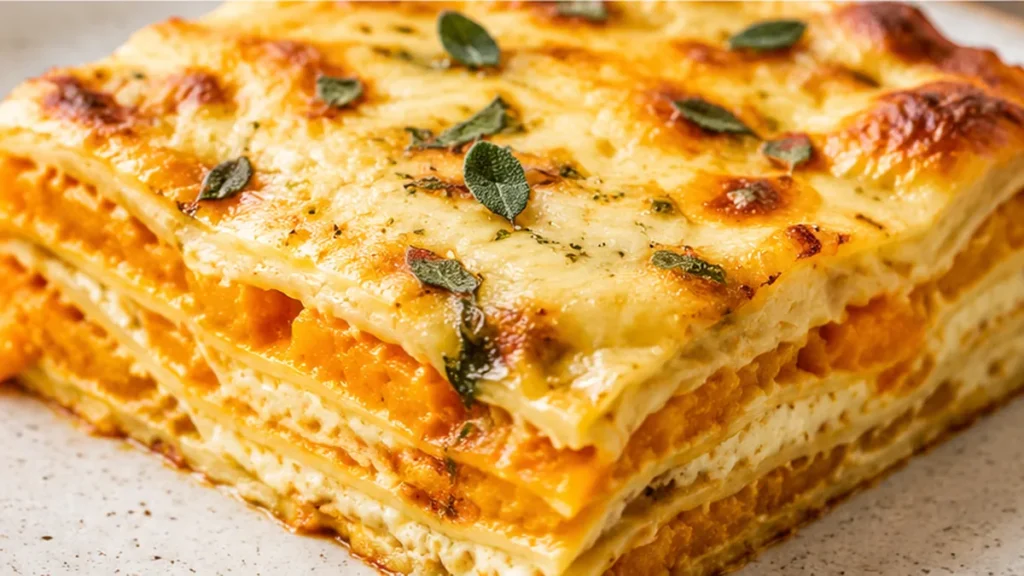
The secret to a truly exceptional butternut lasagna lies in balancing the sweetness of roasted squash with a savory, herb-infused cheese sauce. This recipe for butternut lasagna brings together tender roasted squash and fresh spinach, creating a dish that’s rich yet wonderfully balanced. Taking the time to roast the butternut squash until it’s deeply caramelized, rather than just steamed, makes all the difference in the depth of flavor. This butternut lasagna is perfect for a comforting weeknight meal or an impressive gathering, showcasing autumn’s best flavors.
Key takeaways
- Roast butternut squash until tender and slightly caramelized to concentrate flavor and reduce moisture.
- Whisk the béchamel sauce constantly while gradually adding liquids to ensure a smooth, lump-free consistency.
- Use enough béchamel sauce to generously coat each layer, especially the no-boil lasagna sheets, to prevent dryness.
- Seasoning is key; ensure both the squash and the béchamel are well-seasoned before assembly.
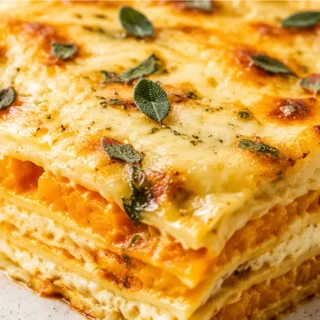
Golden Butternut Squash Lasagna
Ingredients
- 6 cups cubed butternut squash (about 1 medium squash)
- 2 tablespoons extra virgin olive oil
- kosher salt and black pepper
- 6 tablespoons Vermont Creamery Cultured Butter
- 3 cloves garlic, minced or grated
- 12 fresh sage leaves
- 2 sprigs fresh rosemary
- 1/4 cup all-purpose flour
- 2 cups whole milk
- 2 cups low sodium chicken or vegetable broth
- 1/4 teaspoon ground nutmeg
- 1 cup shredded Gouda or Fontina cheese
- 5 ounces fresh spinach
- 15 ounces ricotta cheese
- 12-15 no-boil lasagna sheets
- 1 cup shredded provolone cheese
- 4 slices prosciutto (optional)
Instructions
- Preheat oven to 375 degrees F. Lightly butter a 9×13 inch baking dish.
- On a baking sheet, toss together the butternut squash, olive oil, and a pinch each of salt and pepper. Transfer to the oven and roast for 25-30 minutes or until the squash is tender.
- Meanwhile, make the sauce. Heat the butter, garlic, sage, and rosemary, in a large skillet over medium heat and cook until the butter begins to brown, about 3-4 minutes. Remove the sage and rosemary from the skillet. Whisk in the flour and cook for about 1 minute. Slowly add the milk and broth, whisking until combined. Stir in the nutmeg and season with salt and pepper. Bring to a boil and stir for 3-4 minutes. Stir in the gouda or fontina cheese and the spinach. Stir until the cheese is melted. Remove from the heat.
- In a medium bowl, mash the roasted butternut squash until mostly smooth. Stir in the ricotta. Season with salt and pepper.
- Spread 1/4 of the cheese sauce in the bottom of the prepared baking dish. Top with 3-4 lasagna sheets. Spread with 1/2 the butternut squash mixture, and then another 1/4 of the cheese sauce, and a handful of provolone. Repeat the layering until all the squash and sauce have been used. Arrange the prosciutto on top, if using. Bake uncovered for 45 minutes or until the top has bubbled up and browned a bit. Let stand 10 minutes before serving. Top with the reserved fried sage and rosemary. Enjoy!
Notes
The Technique That Makes It: Achieving Creamy Squash and Silky Béchamel
The success of this butternut squash lasagna hinges on two key elements: properly preparing the squash and creating a stable, luscious béchamel sauce. Roasting the butternut squash until tender concentrates its natural sweetness and removes excess moisture, preventing a watery lasagna. Cubing the squash and tossing it with olive oil, salt, and pepper before roasting ensures even cooking and a slightly caramelized exterior. This step is crucial for developing the deep flavor that replaces a traditional meat sauce.
The béchamel sauce, enriched with butter, garlic, herbs, and nutmeg, provides the creamy foundation. The key here is the roux, a mixture of melted butter and flour cooked briefly. This cooks out the raw flour taste and allows the flour to thicken the liquid effectively. Adding the milk and broth gradually while whisking constantly prevents lumps and ensures a smooth, emulsified sauce. The gentle simmering allows the flavors to meld and the sauce to reach the desired consistency – thick enough to coat the back of a spoon but still pourable. The final addition of Gouda or Fontina cheese melts into the béchamel, adding richness and a nutty depth that complements the squash.
Troubleshooting
- Watery Lasagna: Ensure butternut squash is roasted until tender and slightly caramelized, not just steamed. Also, make sure the béchamel is sufficiently thickened before assembling; it should coat the back of a spoon.
- Lumpy Béchamel: Whisk the flour and butter roux for at least a minute before adding liquids. Add milk and broth gradually, whisking vigorously after each addition until smooth before adding more.
- Dry Lasagna Sheets: Ensure there is enough béchamel sauce to adequately cover each layer of lasagna sheets. The no-boil sheets absorb liquid during baking, so ample moisture is essential.
- Bland Flavor: Don’t skimp on seasoning the squash before roasting and season the béchamel adequately with salt, pepper, and nutmeg. The optional prosciutto adds a salty, savory note that enhances the overall flavor profile.
Substitutions
- Butternut Squash: Acorn squash or kabocha squash can be used. The flavor will be slightly different, with acorn squash being a bit sweeter and kabocha having a nuttier profile. Roasting method remains the same.
- Vermont Creamery Cultured Butter: Any high-quality unsalted butter will work. Cultured butter adds a slight tang, so using regular butter might result in a less complex flavor.
- Gouda or Fontina Cheese: Gruyère or a sharp white cheddar can be substituted. These will offer a nuttier or sharper cheese flavor, respectively, altering the overall taste profile of the béchamel.
- Prosciutto: Crispy pancetta or even crumbled, cooked bacon can be used for a similar salty, savory element. The texture will differ, but the flavor contribution will be comparable.
Pro tips
- Don’t overcook the butternut squash in the roasting stage; it should be tender but not mushy, as it will continue to cook in the oven.
- For a richer sauce, use freshly grated nutmeg instead of pre-ground. Its aroma is incomparable.
- If the sauce seems too thick, add a splash more milk or broth until it reaches a spreadable consistency.
- Ensure your lasagna sheets are al dente if pre-boiling, or follow package directions for no-boil sheets. Overcooking them leaves the final lasagna too soft.
This roasted butternut lasagna is a true celebration of fall flavors, offering comfort and elegance in every forkful. Try this recipe for your next gathering or a special weeknight meal, and enjoy the rich, creamy layers. It’s a dish that truly satisfies!
Frequently asked questions
Can I use pre-cubed butternut squash?
Yes, pre-cubed butternut squash can be used. Ensure it is fresh and not dried out. You will still need to roast it according to the recipe instructions to achieve the correct texture and flavor concentration, removing excess moisture is critical.
What happens if I don’t roast the squash?
If you skip roasting, the squash will likely be watery and lack the concentrated sweetness and depth of flavor. This can lead to a bland and potentially soggy lasagna, as raw squash releases more liquid during baking.
How can I make the béchamel sauce richer?
For a richer béchamel, you can increase the amount of butter and flour slightly, or incorporate a splash of heavy cream along with the milk and broth. Ensure you still cook the roux properly and add liquids gradually.
Can I make this recipe ahead of time?
Yes, you can assemble the lasagna up to 24 hours in advance. Cover it tightly with plastic wrap and then foil, and refrigerate. You may need to add an extra 10-15 minutes to the baking time.
More from Baked Pasta Recipes →