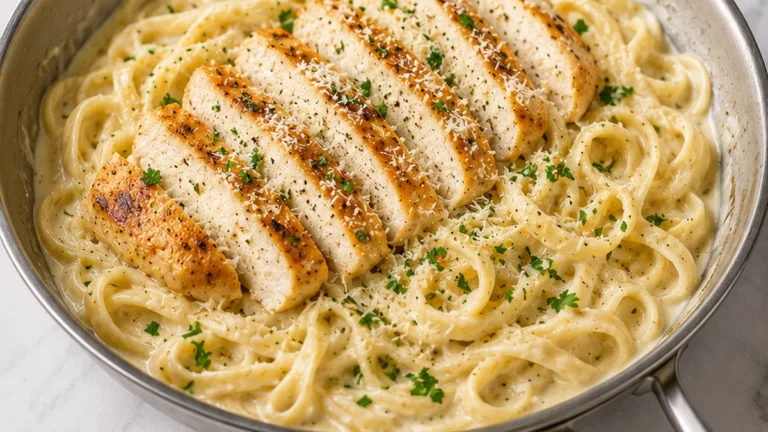
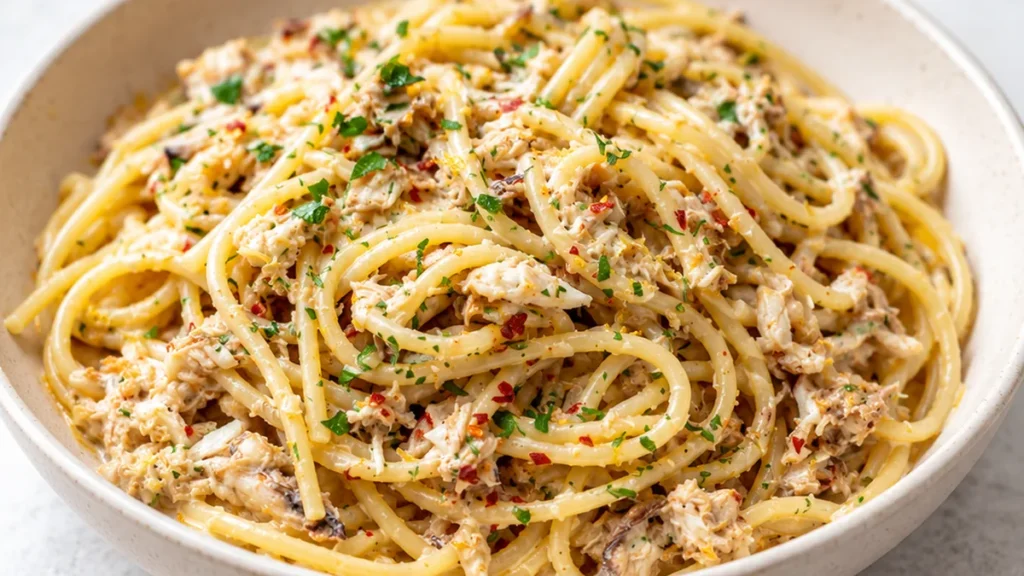
This crab pasta features creamy sauce with chili and lemon. It combines fresh crab meat with zesty flavors for a quick and satisfying meal.
Key takeaways
- Using fresh crabmeat enhances flavor and texture.
- Control heat when adding cream to avoid curdling.
- Season generously to elevate the overall taste.
- Opt for high-quality ingredients for the best results.
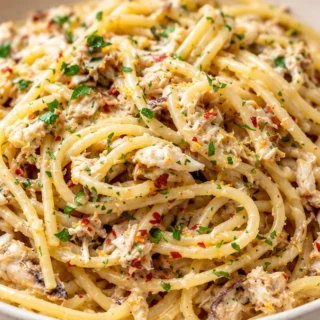
Crab Pasta That Will Blow Your Mind!
Ingredients
- 1 pound crabmeat, preferably a mixture of claw and lump
- ¼ cup extra virgin olive oil
- 2 tablespoons grated fresh lemon zest
- Kosher salt and freshly ground black pepper
- ¼ cup finely chopped shallot (or yellow onion)
- 1 garlic clove (thinly sliced)
- ½ teaspoon crushed red pepper (more or less to taste)
- 12 ounces dried spaghetti or linguine
- ¼ cup heavy cream
- 2 tablespoons fresh lemon juice
Instructions
- In a large bowl, combine the crab meat with 2 tablespoons olive oil, 1 tablespoon lemon zest, a pinch of salt, and pepper. Let it marinate while you prep other ingredients.
- Bring a large pot of salted water to a boil. Add the spaghetti and cook until al dente (about 10 minutes). Reserve 1 cup of pasta water before draining.
- In a large skillet over medium heat, add the remaining olive oil, chopped shallot, and salt. Cook until shallot is translucent (2-3 minutes). Add sliced garlic and crushed red pepper; cook until fragrant.
- Add the marinated crab meat and ½ cup pasta water to the skillet. Bring to a gentle bubble, then reduce heat to low. Warm the crab gently; do not overcook.
- Add the drained pasta to the skillet with the crab sauce. Pour in the heavy cream. Toss well until pasta is coated. Add more pasta water if needed.
- Remove pan from heat. Stir in the lemon juice. Taste and adjust seasoning with more salt, lemon, or red pepper. Toss again and serve immediately.
Video
Notes
Understanding the Role of Crab in Your Pasta Dish
Crabmeat is the star of this recipe, bringing a unique flavor and texture that sets this dish apart. The best choices for crabmeat include claw and lump meat, which provide a balance of sweetness and a delicate, flaky texture. When selecting crab, freshness is crucial; look for a clean, ocean-like smell and avoid any meat that appears discolored or has a strong fishy odor. Fresh crabmeat should be moist but not overly wet, as excess moisture can dilute its flavor.
Mastering the Emulsion for Creamy Sauce
The creamy sauce in this crab pasta relies on a proper emulsion of olive oil, cream, and lemon juice. The key to achieving a smooth, cohesive sauce is to control the heat and add the cream gradually. Start by heating the olive oil and shallots until they are translucent, then lower the heat before adding the cream. This prevents the cream from curdling and ensures a silky texture. Aim for a temperature around 85°C (185°F) when incorporating the cream, as higher temperatures can lead to separation.
Common Mistakes and How to Avoid Them
- Overcooking the Pasta: Cooking spaghetti or linguine too long can lead to a mushy texture. Aim for al dente, which usually requires 1-2 minutes less than the package instructions. Test the pasta a minute or two before the recommended time.
- Using Low-Quality Crab: Substituting with imitation crab or canned crab can significantly alter the dish’s flavor and texture. Always opt for high-quality, fresh crabmeat for the best results.
- Skimping on Seasoning: A lack of salt and pepper can result in a bland dish. Season the pasta water generously and taste the sauce before serving to ensure it’s well-balanced.
Flavor Enhancements and Ingredient Swaps
- Herbs: Fresh herbs like parsley or chives can elevate the dish. Swap out the lemon zest for lime zest for a different citrus twist.
- Chili Flakes: Adjust the amount of crushed red pepper based on your heat preference—less for a milder dish, more for a spicy kick.
- Heavy Cream Alternatives: For a lighter option, consider using half-and-half or a plant-based cream, but note that this will alter the richness of the sauce.
Unique Characteristics of This Crab Pasta
Unlike many other pasta dishes, this crab pasta balances the oceanic flavor of crab with the brightness of lemon and the richness of cream. The addition of shallots and garlic contributes depth without overpowering the delicate crab. This dish is particularly special because it celebrates the natural sweetness of crab, allowing it to shine through with minimal interference from other ingredients.
Optimizing Storage for Leftover Crab Pasta
When it comes to storing crab pasta, the key is to maintain the delicate balance of flavors and textures. Leftover crab pasta can be stored in an airtight container in the refrigerator for up to two days. However, it’s important to note that the cream sauce may thicken and the pasta can become mushy upon reheating. To mitigate this, consider adding a splash of heavy cream or reserved pasta water when reheating. If you plan to make it ahead of time, it’s best to store the crab separately from the pasta and sauce to preserve the freshness of the crab meat.
Scaling the Recipe for Larger Gatherings
Scaling crab pasta for a larger crowd requires careful consideration of ingredient ratios and cooking times. For every additional pound of crab meat, increase the olive oil, lemon zest, and cream proportionally to ensure the sauce remains balanced. Typically, increasing the quantity by 50% is manageable without compromising flavor. However, be cautious with the cooking time; larger batches may require a slightly longer simmer to meld the flavors, but avoid overcooking the crab, which can lead to a rubbery texture. If cooking for more than six people, consider using two pots to cook the pasta simultaneously, ensuring even cooking.
Choosing the Right Equipment for Best Results
The choice of equipment can significantly impact the outcome of your crab pasta. A large, heavy-bottomed skillet is ideal for sautéing the shallots and garlic, as it distributes heat evenly and prevents burning. Additionally, using a pot with a wide base for boiling the pasta allows for better water circulation, which helps achieve a perfect al dente texture. Consider investing in a pasta pot with a built-in strainer for convenience. Lastly, a microplane for zesting the lemon can enhance the flavor profile by ensuring the zest is finely grated, releasing essential oils without the bitter pith.
Pairing and Serving Suggestions to Elevate Your Dish
To elevate your crab pasta experience, consider pairing it with a light, crisp white wine such as a Sauvignon Blanc or a Pinot Grigio, which complements the citrus notes in the dish. When serving, garnish with fresh parsley or basil for a pop of color and freshness. Additionally, a light salad with arugula, cherry tomatoes, and a vinaigrette can serve as a refreshing counterpart to the richness of the pasta. For a more substantial meal, serve with crusty bread to soak up the delicious sauce.
Understanding the Impact of Freshness on Crab Pasta
The quality of crabmeat significantly influences the overall taste and texture of your crab pasta. Fresh crabmeat, especially lump and claw, provides a sweet, delicate flavor and a tender texture that frozen or canned alternatives cannot replicate. When using fresh crab, ensure it is cooked just before preparation to maximize its freshness. If using frozen crab, thaw it slowly in the refrigerator overnight for the best results. Additionally, the seasonality of crab can affect its flavor; for example, blue crabs are typically sweeter in late spring to early summer. When purchasing, look for crabmeat with a clean, ocean-like scent and avoid any that smells overly fishy. This attention to freshness will enhance your dish significantly, making it a standout meal.
Scaling Up for Larger Gatherings Without Compromise
When scaling your crab pasta recipe for larger gatherings, it’s essential to maintain the balance of flavors and textures. Begin by multiplying the quantities of your ingredients proportionally, ensuring that you keep the same ratios. However, be mindful that cooking times may vary; larger batches may require slightly longer cooking times, particularly for the pasta. A good rule of thumb is to increase the boiling time by 1-2 minutes for every additional pound of pasta. Moreover, avoid overcrowding the pan when sautéing shallots and garlic, as this can lead to uneven cooking. Instead, consider using multiple pans or cooking in batches to ensure that each ingredient is cooked properly, allowing the flavors to meld beautifully.
Choosing the Right Equipment for Optimal Results
The equipment you use can greatly affect the final outcome of your crab pasta. A large, heavy-bottomed pot is essential for boiling pasta, as it distributes heat evenly and prevents sticking. Using a sauté pan with a wide surface area allows for better evaporation of moisture when cooking the shallots and garlic, enhancing the flavor concentration. If you have a pasta pot with a built-in strainer, it can simplify the process of draining the pasta while preserving some cooking water, which can be added to your sauce for a silkier texture. Additionally, using a microplane for grating lemon zest ensures you get the most aromatic oils from the lemon peel, which will elevate the dish’s brightness. Investing in quality equipment can make a noticeable difference in the ease and enjoyment of preparing this dish.
Understanding the Impact of Freshness on Crab Pasta
Freshness is crucial when preparing crab pasta, as it directly affects flavor and texture. Using fresh crabmeat, preferably from live crabs, enhances the dish’s overall quality. Fresh crab has a delicate sweetness and a firm texture, while frozen crab can lose some of its natural flavors and moisture. If using frozen crab, ensure it is properly thawed and drained to avoid excess water in the dish. When selecting crab, look for a clean, briny smell and avoid any meat that appears discolored or has an off-putting odor. Fresh crab should be used within a day or two of purchase for optimal taste.
Making Crab Pasta Ahead of Time: Tips for Success
Preparing crab pasta ahead of time can be convenient, but it requires careful handling to maintain flavor and texture. If you plan to make this dish in advance, consider cooking the pasta and preparing the sauce separately. Store the cooked pasta in a sealed container with a drizzle of olive oil to prevent sticking. The sauce can be refrigerated and reheated gently before serving. When combining the two, be cautious not to overcook the pasta during reheating, as it can become mushy. For best results, add the crabmeat to the sauce just before serving to preserve its delicate texture and flavor.
Pro tips
- Use high-quality crab meat for the best flavor. A mix of claw and lump offers great texture.
- Don’t overcook the crab; it should just be warmed through. Overcooked crab becomes tough and rubbery.
- Reserve more pasta water than you think you’ll need. It’s key to achieving a silky sauce that clings to the pasta.
Enjoy this exquisite crab pasta tonight! It’s a quick, elegant meal that delivers big on flavor.
Frequently asked questions
Can I use frozen crabmeat for this recipe?
Yes, you can use frozen crabmeat, but ensure it is fully thawed and drained of excess moisture before adding it to the dish. Fresh crabmeat will yield the best flavor and texture.
What type of pasta works best for crab pasta?
Spaghetti and linguine are ideal choices due to their ability to hold onto the sauce. Both types work well with the creamy sauce and complement the crab’s delicate flavor.
How can I make this dish spicier?
To increase the heat, add more crushed red pepper flakes or incorporate diced fresh chili peppers into the dish. Adjust according to your heat tolerance for the best experience.
What should I serve with crab pasta?
A light salad with a citrus vinaigrette or garlic bread pairs well with crab pasta. These sides complement the dish without overwhelming its delicate flavors.
More from Creamy Pasta Recipes →