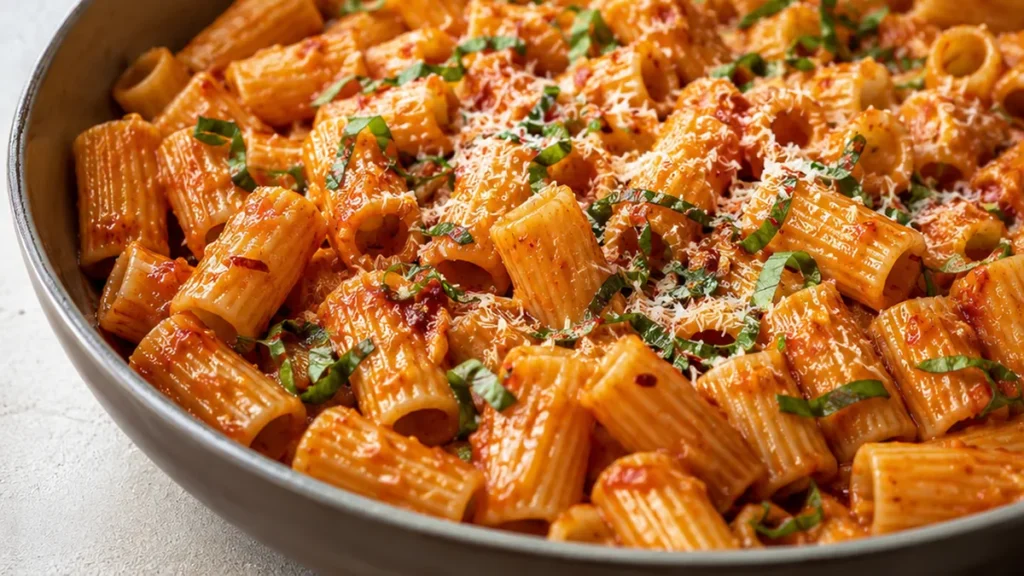
Gochujang pasta offers a unique twist on creamy noodle dishes, bringing a delightful balance of heat and umami. This recipe transforms simple ingredients into a deeply flavorful meal that’s both comforting and exciting, perfect for those seeking a quick yet gourmet experience. Gochujang works remarkably well in a pasta sauce, creating a rich, complex profile that’s hard to achieve with other chili pastes. Our gochujang pasta is designed for both seasoned cooks and beginners, emphasizing quick preparation without compromising on taste. It’s ideal for busy weeknights when you crave something special but lack time for elaborate cooking. The secret lies in the harmonious blend of gochujang, butter, and cream, which creates a silky, spicy sauce that clings beautifully to every piece of pasta.
Key takeaways
- Achieve a stable, glossy sauce by gradually emulsifying butter, cream, and starchy pasta water.
- Control heat carefully when adding cream to prevent the sauce from breaking.
- Use starchy pasta water to adjust sauce consistency and enhance emulsification.
- Bloom the gochujang in butter to deepen its flavor before adding liquids.
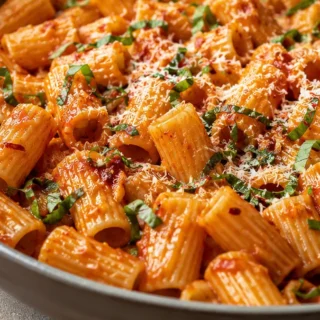
Spicy Gochujang Butter Pasta Recipe
Ingredients
- 6 tablespoons salted butter
- 4 cloves garlic, chopped
- 1 teaspoon dried oregano
- 3-4 tablespoons Gochujang chile paste
- salt and black pepper
- 1/2 cup heavy cream
- 1 pound short cut pasta
- 3/4 cup grated Parmesan
- 1 cup fresh basil, chopped
- 1/2 teaspoon chili flakes
Instructions
- Bring a large pot of salted water to a boil. Cook the pasta until al dente, reserving 3/4 cup of the pasta water before draining.
- Melt the butter with the garlic and oregano in a Dutch oven set over medium heat. Cook for 1
- Stir in the Gochujang. Reduce the heat to low and stir in the heavy cream. Season with salt and pepper to taste. Let the sauce gently simmer until steaming.
- Add the pasta to the skillet along with a splash of the reserved pasta water. Toss well to coat for 1-2 minutes, adding more pasta water as needed to create a sauce.
- Remove from the heat and stir in the Parmesan until melted and creamy. Drop in the basil. Serve immediately topped with extra chopped basil and Parmesan.
Notes
The Technique That Makes It: Emulsifying the Gochujang Butter Sauce
The magic of this gochujang pasta lies in creating a stable, luscious sauce that coats the noodles perfectly. This is achieved through emulsification, where the fat from the butter and heavy cream is bound together with the liquid from the gochujang and pasta water. The key is to gradually incorporate the liquids into the fat base over controlled heat. Start by melting the butter over medium-low heat. Adding the garlic and oregano at this stage allows their flavors to infuse into the butter without burning. When you introduce the gochujang, stir it into the melted butter to create a paste. This initial step helps to bloom the chili paste, intensifying its flavor. Gradually whisking in the heavy cream and a splash of the starchy pasta water is crucial. The starch from the pasta water acts as an emulsifier, helping the fat and water-based ingredients to combine smoothly. Avoid high heat once the cream is added, as this can cause the sauce to break or curdle. The final addition of Parmesan cheese also contributes to the sauce’s body and helps to further emulsify it as it melts.
Troubleshooting
- Sauce is too thin: Simmer the sauce gently over low heat for a few more minutes, stirring constantly, to allow some of the liquid to evaporate and thicken the sauce. You can also add a little more Parmesan cheese, which will help to bind and thicken.
- Sauce is too thick: Whisk in a tablespoon or two of the reserved hot pasta water, a little at a time, until the desired consistency is reached. The starch in the water will help to loosen the sauce without making it watery.
- Sauce has broken or looks oily: Remove the pan from the heat immediately. Whisk vigorously to try and re-emulsify. If it doesn’t come back together, try whisking in a tablespoon of cold water or a bit more starchy pasta water off the heat.
- Gochujang flavor is too intense: If the gochujang is overpowering, you can temper its heat and intensity by adding a touch more cream or a small knob of butter and stirring until smooth. A little extra Parmesan can also mellow the flavor.
Substitutions
- Gochujang Chile Paste: If you cannot find gochujang, you can substitute with a mixture of 2 tablespoons of Sriracha and 1 tablespoon of miso paste for a similar spicy and savory profile, though the flavor will be different.
- Heavy Cream: Half-and-half can be used as a lighter substitute for heavy cream, but the sauce may be slightly thinner and less rich. You might need to reduce it slightly longer.
- Parmesan Cheese: Pecorino Romano offers a sharper, saltier alternative to Parmesan. A blend of the two is also excellent. Ensure it’s finely grated for smooth melting.
- Fresh Basil: Fresh parsley or cilantro can be used for a different herbaceous note. While they won’t provide the exact same aromatic quality, they will add freshness to the finished dish.
Pro tips
– Always reserve some pasta water: The starchy water is crucial for emulsifying the sauce and achieving that perfect creamy consistency. – Gochujang heat: Adjust the amount of gochujang to your spice preference. Start with 2 tablespoons and add more if you like it hotter. – Freshly grated Parmesan: Use freshly grated Parmesan for the best melt and flavor. Pre-grated cheese can make the sauce grainy. – Storage: Leftovers can be stored in an airtight container in the refrigerator for up to 3 days. Reheat gently on the stovetop with a splash of water or broth to loosen the sauce.
This Gochujang Butter Pasta is a testament to how simple ingredients can create extraordinary flavors. Experiment with different short pasta shapes and enjoy this comforting, spicy dish!
Frequently asked questions
Can I make this gochujang pasta vegan?
To make this recipe vegan, substitute the butter with vegan butter, the heavy cream with full-fat coconut milk or a vegan cream alternative, and the Parmesan with nutritional yeast or a vegan Parmesan substitute. Ensure your gochujang paste is also vegan.
Is this pasta recipe very spicy?
The spice level depends on the amount of gochujang paste used and its inherent heat. Start with 3 tablespoons and add more if you prefer a spicier kick. The cream and butter help to temper the heat, making it more of a balanced spicy-creamy flavor.
What kind of pasta works best?
Short-cut pasta shapes with nooks and crannies, like penne, rotini, or farfalle, are ideal as they hold the rich gochujang butter sauce exceptionally well. Long pasta like spaghetti can also work, but ensure the sauce is well-emulsified to coat each strand.
How can I make the sauce richer?
For an even richer sauce, you can increase the amount of butter slightly or use a higher fat content cream. Adding an extra tablespoon of Parmesan cheese at the end will also contribute to a creamier, more decadent texture.
More from Creamy Pasta Recipes →