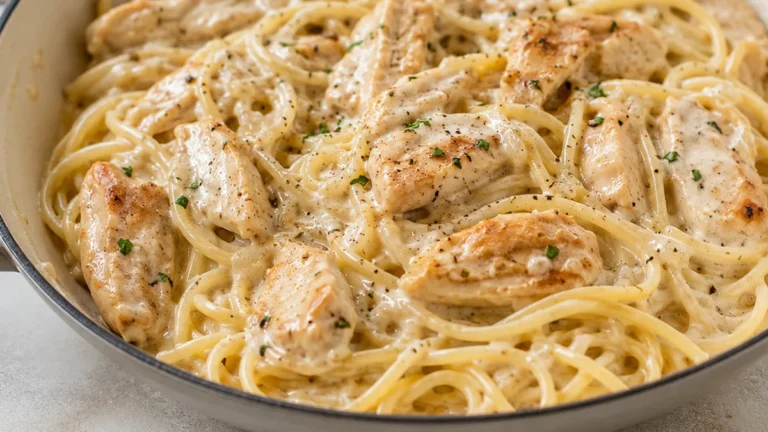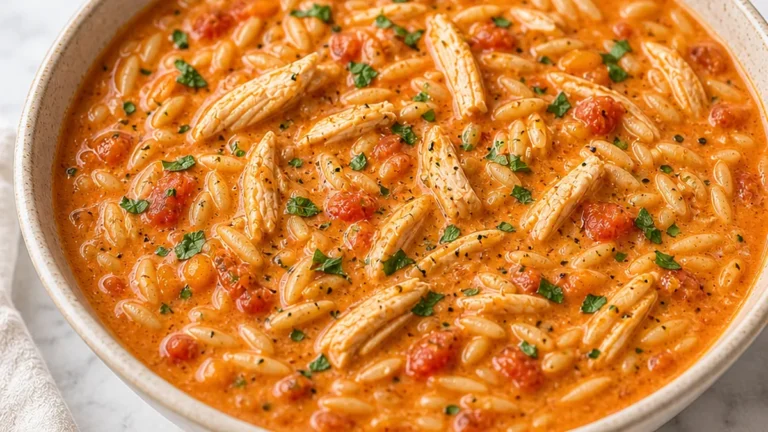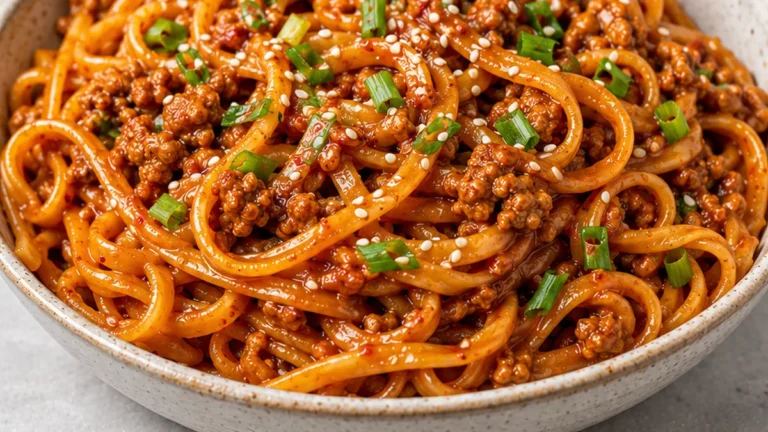

This mustard chicken with orzo is the ultimate one-pot solution for a flavorful and fuss-free dinner. The key to deeply flavorful chicken is searing it well before adding the liquids, locking in those savory juices. This recipe marries tender chicken with creamy orzo in a rich, tangy mustard sauce, making it perfect for busy weeknights or a comforting family meal. The beauty of this mustard chicken lies in its simplicity and the depth of flavor achieved with minimal effort.
Key takeaways
- Sear chicken briefly for flavor development.
- Cook orzo directly in the pot to absorb sauce.
- Avoid overcooking orzo to prevent mushiness.
- Return chicken to finish cooking gently in the sauce.

One-Pot Creamy Mustard Chicken & Orzo
Ingredients
- 3 tablespoons Dijon mustard
- 2 tablespoons whole grain mustard
- 2 teaspoons smoked paprika
- 1 teaspoon garlic powder
- 1 teaspoon crushed fennel seed
- salt and black pepper
- 1/2 teaspoon chili flakes
- 2 pounds boneless chicken breasts or thighs
- 4 tablespoons salted butter
- 1 yellow onion, chopped
Instructions
- Preheat oven to 425°F.
- Toss chicken with both mustards, paprika, garlic powder, fennel seed, salt, pepper, and chili flakes.
- Melt the butter in a Dutch oven over medium-high heat. Sear the chicken until golden, about 3 minutes per side. Remove.
- Add onions and orzo. Cook until orzo is toasted, 2 minutes. Add broth; season with salt & pepper and bring to a boil.
- Return chicken and juices to the pot. Bake uncovered 15 minutes, until chicken is cooked through.
Notes
The technique that makes it
The magic of this one-pot creamy mustard chicken and orzo lies in the careful layering of flavors and the proper cooking of the orzo. The initial searing of the chicken, even briefly, begins the Maillard reaction, developing a savory crust and locking in juices. When the chicken is removed, the aromatics (onion) are sautéed in the rendered chicken fat and butter, creating a flavor base. Deglazing with a liquid (implied by the cooking of the orzo, though not explicitly stated in the ingredients, usually broth or water is added) is crucial to lift any browned bits from the bottom of the pot, incorporating them into the sauce. The orzo is then cooked directly in this flavorful liquid. Orzo, a type of pasta, absorbs the liquid as it cooks, becoming tender and creamy. Overcooking the orzo will result in a mushy texture, while undercooking will leave it chalky. The key is to achieve a perfect al dente bite where each grain is distinct yet tender. Finally, returning the chicken to the pot allows it to finish cooking gently in the creamy sauce, ensuring it remains moist and absorbs the surrounding flavors without becoming tough or dry.
Troubleshooting
- Failure: Orzo is mushy. Fix: This usually means the orzo was overcooked. Reduce the heat immediately and stir more frequently to prevent sticking. For future attempts, reduce the cooking time slightly or use a bit less liquid.
- Failure: Chicken is dry. Fix: Chicken breasts cook quickly and can dry out. Ensure they are not overcooked initially and return them to the pot only for the last few minutes of cooking to warm through and absorb sauce, rather than cooking fully in the sauce. Thighs are more forgiving.
- Failure: Sauce is too thin. Fix: If the sauce is too thin after the orzo is cooked, you can simmer it uncovered for a few extra minutes to allow some liquid to evaporate and thicken the sauce. Alternatively, whisking in a tablespoon of cornstarch slurry (cornstarch mixed with a little cold water) can help thicken it quickly.
- Failure: Flavors are flat. Fix: Ensure you’ve seasoned adequately with salt and pepper at each stage. The mustards and paprika are key flavor components; make sure they are fresh. A final squeeze of lemon juice can also brighten the overall taste.
Substitutions
- Chicken: Boneless, skinless chicken thighs can be substituted for breasts. They will be more forgiving and remain moister due to their higher fat content, though they may require a slightly longer cooking time.
- Mustard: If Dijon and whole grain mustards are unavailable, a good quality spicy brown mustard can be used as a substitute, though the flavor profile will be slightly different. You might need to adjust the quantity to achieve the desired mustard intensity.
- Butter: Unsalted butter can be used, but you will need to add salt separately during cooking to taste. Olive oil can also be used for sautéing the onion, but it will alter the richness of the final sauce slightly.
- Fennel Seed: If crushed fennel seed is not on hand, you can omit it or substitute with a pinch of dried dill or a tiny amount of anise extract for a similar aromatic note, though the distinct fennel flavor will be missed.
Pro tips
- For the juiciest chicken, ensure it reaches an internal temperature of 165°F (74°C) using a meat thermometer.
- If the sauce seems too thick after baking, stir in a splash of warm chicken broth or water to reach your desired consistency.
- Leftovers can be stored in an airtight container in the refrigerator for up to 3 days. Reheat gently on the stovetop with a little extra broth to prevent drying out.
This one-pot mustard chicken and orzo proves that delicious, impressive meals don’t have to be complicated. Give this recipe a try and savor the rich, comforting flavors!
Frequently asked questions
Can I use regular pasta instead of orzo?
While orzo is ideal for its creamy texture and quick cooking, you could substitute other small pasta shapes like ditalini or acini di pepe. Adjust cooking time according to package directions, ensuring it absorbs the sauce without becoming mushy.
What kind of liquid should I use for cooking the orzo?
Chicken broth or vegetable broth will provide the most flavor. Water can be used in a pinch, but the final dish will be less rich. Ensure you have enough liquid to cook the orzo completely, typically around 2 to 3 cups, depending on the orzo’s absorption rate.
How can I make this recipe spicier?
To increase the heat, add more chili flakes. You could also incorporate a pinch of cayenne pepper along with the paprika or add a diced jalapeño with the onion. Adjust spice levels gradually to your preference.
Can I prepare this dish ahead of time?
This dish is best served immediately as the orzo can become gummy if stored and reheated. If you must prepare it in advance, consider cooking the chicken and sauce separately and then cooking the orzo just before serving, combining everything at the end.
More from Chicken Pasta Recipes →