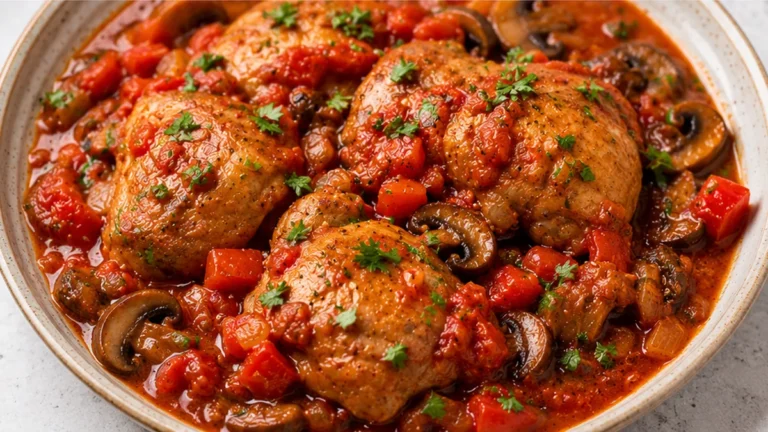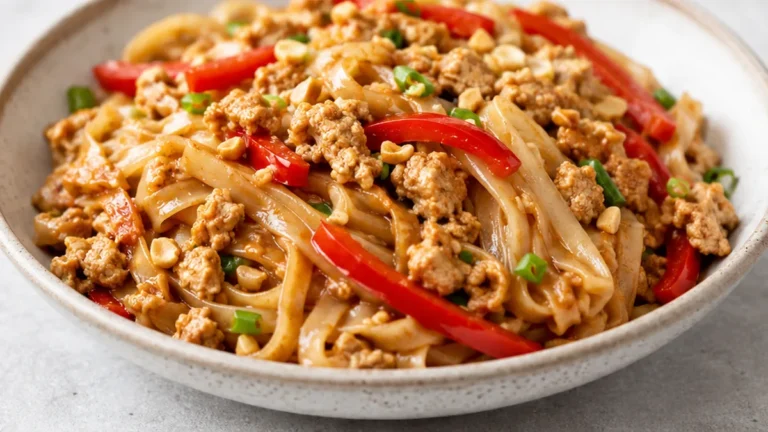
This one pan creamy chicken orzo recipe is a simple and hearty dish. It features tender chicken cooked with orzo pasta in a creamy sauce, making it a complete meal.
Key takeaways
- Use the right amount of orzo to ensure a creamy sauce.
- Add cream at a lower temperature to prevent curdling.
- Consider ingredient swaps for different flavor profiles.
- The unique texture of orzo enhances the overall dish experience.

One-Pan Creamy Chicken & Orzo Skillet!
Ingredients
- 1 tsp paprika
- 1 tsp dried oregano
- 1 tsp dried thyme
- 1/2 tsp garlic powder
- 1/2 tsp onion powder
- 1/2 tsp salt
- 1/4 tsp pepper
- 1.25 lbs boneless chicken thighs (4-5 thighs)
- 2 tbsp cooking oil
- 1 yellow onion, diced
Instructions
- Add the paprika, dried oregano, dried thyme, garlic powder, onion powder, salt, and pepper to a small bowl. Mix until combined.
- Blot the chicken thighs dry with a paper towel, then season both sides liberally with the seasoning blend.
- Heat a large deep skillet over medium and add the cooking oil. Add the seasoned chicken thighs and cook undisturbed until well browned, about 5 minutes. Flip and repeat on the other side. Remove the chicken from the pan.
- Turn the heat down to low, and add the onion and garlic. Sauté until the onions are translucent, about 3 minutes.
- Add the orzo and vegetable broth to the skillet and stir well to help dissolve the crispy browned bits from the bottom of the pan. Return the chicken to the pan and nestle it down into the orzo.
- Place a lid on the skillet, turn the heat up to medium-high, and let the broth come to a full boil. Then turn the heat down to low. Let the skillet simmer for about 15 minutes or until most of the broth is absorbed.
- After about 15 minutes, the orzo should be tender and most of the broth absorbed, but there will still be a little sauce in the skillet. Remove the chicken from the skillet.
- Add the cream and the butter to the skillet. Stir and heat over low until the butter melts and the cream is hot.
Understanding the Creamy Sauce in One-Pan Dishes
The creamy sauce in a one-pan creamy chicken orzo dish is typically achieved through a combination of dairy and starches. The starch from the orzo helps thicken the sauce as it cooks, creating a rich, velvety texture. To enhance creaminess, consider using heavy cream or a combination of cream and chicken broth. The ideal temperature for simmering the sauce is around 85°C (185°F), allowing the flavors to meld without curdling the cream.
Common Issues and Solutions When Cooking One-Pan Creamy Chicken Orzo
One of the most common issues when preparing this dish is the sauce becoming too thin. This can happen if there isn’t enough starch released from the orzo. To fix this, ensure that you use the correct amount of orzo and allow it to cook long enough to absorb some of the liquid. Another issue is curdling of the cream; this can be avoided by adding the cream at a lower temperature, ideally when the dish has cooled slightly. Additionally, if your dish lacks flavor, consider increasing the seasoning or adding a splash of lemon juice for brightness.
Failure: The sauce is too thin.
Cause: Insufficient starch from the orzo. Solution: Increase the amount of orzo or cook it longer to release more starch.
Failure: Cream curdles.
Cause: High heat when adding cream. Solution: Lower the temperature before adding cream to prevent curdling.
Failure: Dish lacks flavor.
Cause: Under-seasoning. Solution: Add more salt, pepper, or a squeeze of lemon juice to enhance the taste.
Ingredient Swaps and Their Impact
Substituting ingredients in one-pan creamy chicken orzo can lead to different flavor profiles and textures. For instance, swapping heavy cream for Greek yogurt will create a tangy flavor but may alter the creaminess. If you replace chicken breast with thighs, expect a richer taste due to the higher fat content. Additionally, using vegetable broth instead of chicken broth can make the dish vegetarian but will also change the depth of flavor. Each swap has its trade-offs in terms of taste and texture, so choose according to your preferences.
Swap: Heavy cream for Greek yogurt.
Result: Creaminess is reduced, and a tangy flavor is introduced.
Swap: Chicken breast for thighs.
Result: Richer flavor due to higher fat content, but may require longer cooking time.
Swap: Chicken broth for vegetable broth.
Result: Vegetarian option, but may lack the depth of flavor found in chicken broth.
Unique Aspects of One-Pan Creamy Chicken Orzo
This dish stands out from other one-pan meals due to its combination of creamy sauce and the unique texture of orzo, which resembles rice yet cooks differently. The orzo absorbs the flavors of the sauce while maintaining a slight bite, creating a delightful contrast with the tender chicken. This method of cooking allows for a harmonious melding of flavors and textures that is characteristic of Mediterranean cuisine, making it a comforting and satisfying meal.
How to Effectively Scale One-Pan Creamy Chicken & Orzo for Larger Gatherings
When scaling the recipe for one-pan creamy chicken and orzo, it is crucial to maintain the right proportions of ingredients to ensure that the dish remains flavorful and creamy. For every additional serving, consider increasing the chicken by 150-200 grams and the orzo by approximately 50 grams. Adjust the liquid (broth and cream) accordingly, typically adding an extra 100-150 ml for every 100 grams of orzo. However, be mindful of your pan size; if you exceed the capacity, the cooking time may increase, leading to uneven cooking. In larger batches, stirring becomes more essential to ensure even distribution of heat and ingredients.
Understanding the Role of Equipment in Cooking One-Pan Dishes
The choice of equipment can significantly affect the outcome of your one-pan creamy chicken and orzo. A heavy-bottomed skillet or a Dutch oven is ideal for this recipe as it retains heat well and allows for even cooking. Non-stick pans can help prevent sticking, but they may not develop the same depth of flavor as stainless steel or cast iron. If using a non-stick pan, be cautious with high heat, as it can damage the coating. Additionally, ensure your equipment is large enough to accommodate all ingredients without overcrowding, which can lead to steaming instead of browning.
Pairing and Serving Suggestions for One-Pan Creamy Chicken & Orzo
Serving one-pan creamy chicken and orzo can be enhanced with thoughtful pairings. A simple side salad with a light vinaigrette complements the richness of the dish, providing a refreshing contrast. For a heartier meal, consider serving it with crusty bread for dipping into the creamy sauce. Additionally, a sprinkle of fresh herbs, such as parsley or basil, adds a pop of color and freshness. When it comes to wine pairings, a crisp white wine, such as Sauvignon Blanc, can balance the creaminess and enhance the overall dining experience.
Impact of Seasonal Ingredients on One-Pan Creamy Chicken & Orzo
Using seasonal ingredients can elevate the flavor profile of your one-pan creamy chicken and orzo. In spring, consider incorporating fresh asparagus or peas for a vibrant touch. Summer tomatoes can add sweetness and acidity, while fall might call for roasted butternut squash to add depth. Adjusting the recipe based on what’s fresh not only enhances taste but also supports local agriculture. However, be cautious with cooking times, as more delicate vegetables may require less time in the pan to avoid overcooking.
Optimizing Creaminess and Texture in One-Pan Dishes
Achieving the perfect creamy texture in one-pan creamy chicken orzo relies heavily on the method of incorporating dairy and the timing of adding ingredients. A common practice is to add the cream or cheese at the end of cooking, allowing it to meld with the residual heat without curdling. For instance, stirring in cream at approximately 80°C (175°F) ensures it thickens properly while maintaining a smooth consistency. Additionally, using freshly grated cheese instead of pre-packaged varieties can enhance the creaminess due to the absence of anti-caking agents that can alter texture.
Batch Scaling: Maintaining Flavor and Consistency
When scaling one-pan creamy chicken orzo for larger gatherings, it’s crucial to maintain the balance of flavors and textures. A good rule of thumb is to increase ingredients proportionally, but pay attention to the liquid ratios. For every additional cup of orzo, increase the broth by approximately 250 ml (1 cup) to ensure the pasta cooks evenly without drying out. Additionally, consider the cooking time; larger quantities may require a slight increase in time to allow for even cooking, typically an extra 5-10 minutes. Stirring occasionally will help distribute heat and moisture evenly throughout the dish.
Understanding the Role of Equipment in One-Pan Cooking
The choice of equipment can significantly influence the outcome of one-pan creamy chicken orzo. A heavy-bottomed skillet distributes heat more evenly, preventing hot spots that can lead to uneven cooking. Non-stick pans are also beneficial, as they reduce the risk of sticking and make cleanup easier. Additionally, using a lid during cooking can help trap steam, ensuring the orzo cooks through without needing excessive liquid. If using a cast-iron skillet, be mindful of its heat retention properties, as it may require adjustments in cooking times or temperatures to prevent overcooking.
Understanding the Make-Ahead Strategy for One-Pan Creamy Chicken & Orzo
Preparing one-pan creamy chicken and orzo in advance can be a game-changer for busy weeknights. To make this dish ahead of time, cook the chicken and orzo separately, then combine them with the sauce just before serving. This method preserves the texture of the orzo and prevents it from becoming mushy. When stored, the dish can last up to three days in the refrigerator. To reheat, add a splash of broth or water to maintain creaminess and prevent drying out, heating gently over medium-low heat until warmed through. This approach is particularly useful for meal prep, allowing for quick assembly and serving.
How Ingredient Quality Affects the Creaminess and Flavor of One-Pan Dishes
The quality of ingredients used in one-pan creamy chicken and orzo significantly impacts the final dish’s flavor and texture. Fresh, high-quality chicken will yield a juicier and more flavorful result compared to frozen or processed options. Similarly, using freshly grated cheese instead of pre-packaged shredded cheese can enhance the creaminess and depth of flavor. Seasonal vegetables can also elevate the dish, adding vibrant colors and fresh tastes. For instance, using ripe tomatoes in summer can provide a sweetness that contrasts beautifully with the creamy sauce. Therefore, sourcing high-quality, seasonal ingredients can transform this dish into a standout meal.
Pro tips
Pro tip: Best served immediately while hot!
Frequently asked questions
Can I use other types of pasta instead of orzo?
Yes, you can substitute other small pasta shapes like ditalini or acini di pepe, but cooking times may vary. Ensure to adjust the liquid accordingly based on the pasta’s absorption rate.
How do I store leftovers of this dish?
Store leftovers in an airtight container in the refrigerator for up to 3 days. Reheat gently on the stove, adding a splash of broth or water to restore creaminess.
Can I make this dish ahead of time?
Yes, you can prepare the dish ahead of time. However, it’s best to add the cream just before serving to maintain the sauce’s texture and prevent separation.
What can I serve with one-pan creamy chicken orzo?
This dish pairs well with a fresh green salad or steamed vegetables. A side of crusty bread can also complement the creamy sauce nicely.
More from Chicken Pasta Recipes →