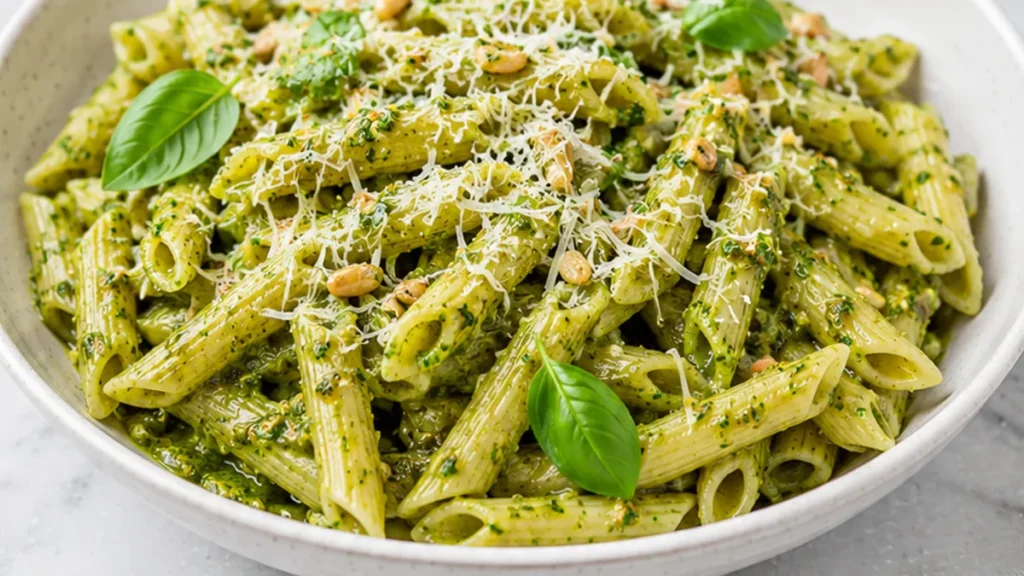
Pesto pasta is a delightful dish that brings the taste of Italy to your dinner table. This Juicy Pesto Pasta recipe combines homemade pesto with your favorite pasta for a deliciously easy meal. With just a few ingredients, you can whip up an incredible dish that the whole family will love. Perfect for any occasion, this recipe highlights the bright, fresh flavor of fresh pesto and allows for endless customization based on your pasta preferences. Whether you choose ziti, penne, or spaghetti, you’ll find this dish to be both satisfying and quick to prepare.
Key takeaways
- The key to creamy pesto pasta is emulsifying the sauce with starchy pasta cooking water.
- Reserve about 3/4 cup of pasta water before draining.
- Toss the pasta and pesto vigorously with the reserved water over low heat to create a cohesive sauce.
- Cook pasta slightly less than al dente as it will finish cooking in the sauce.
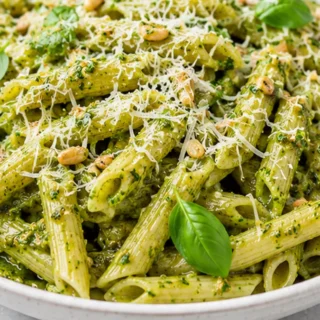
Juicy Pesto Pasta: Your New Favorite Dish!
Ingredients
- 1 quantity homemade pesto
- 300-350 g pasta of choice
- 2 tsp salt
- 3/4 cup pasta cooking water
- Parmesan, for serving
- 1 tbsp olive oil
Instructions
- Bring a large pot of water to the boil with the salt.
- Add pasta and cook for the length of time per the packet.
- Just before draining, scoop out 1 cup of the pasta cooking water.
- Drain pasta in a colander, leave it for a minute.
- Transfer pasta to a bowl (do not use pasta cooking pot, too hot).
- Add pesto and 1/4 cup of pasta water. Toss to coat pasta in pesto, adding more water if required to make pasta silky and saucy, rather than dry and sticky.
- Taste, add more salt and pepper if desired.
- Serve immediately, garnished with fresh parmesan.
Notes
The technique that makes it
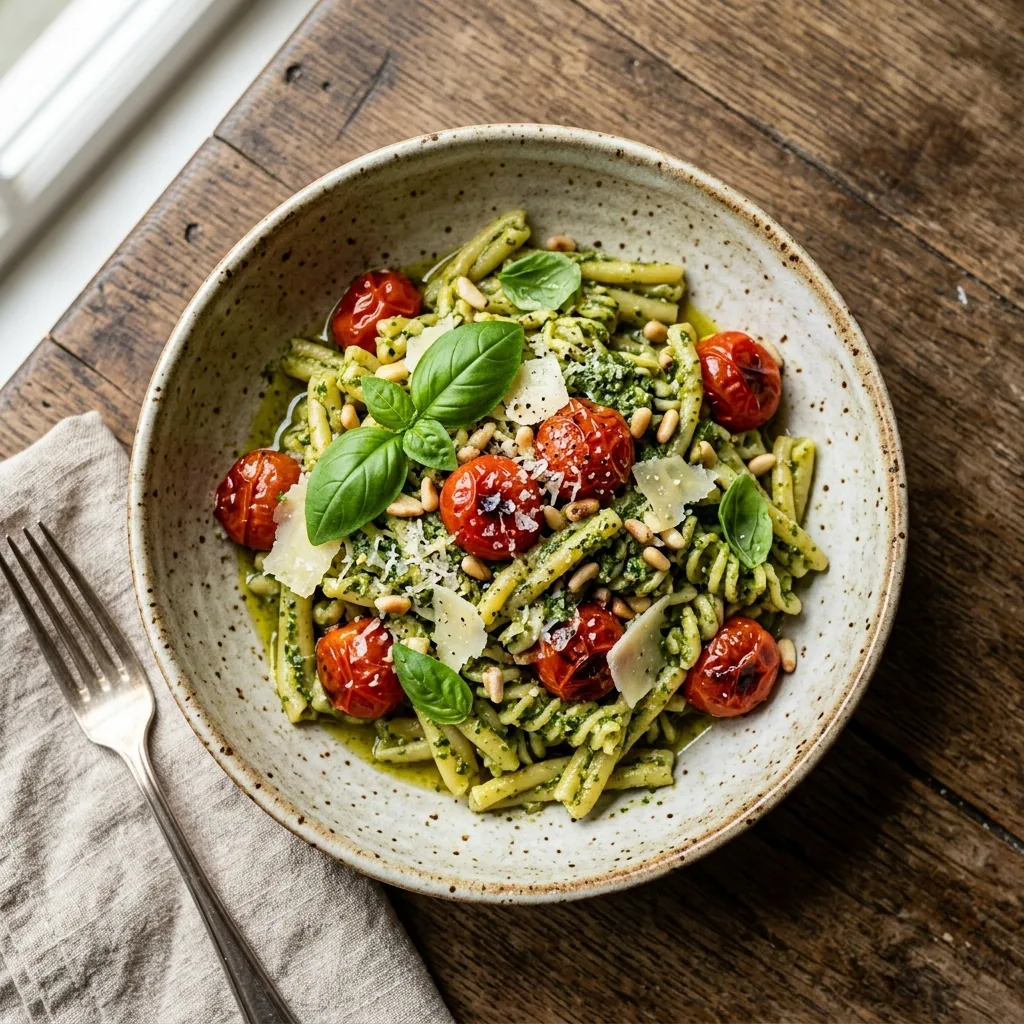
The secret to a truly exceptional pesto pasta lies in emulsification. Simply tossing cooked pasta with pesto can result in a dry, oily dish where the sauce clings unevenly. The key is to reserve a portion of the starchy pasta cooking water before draining. This starchy water, when combined with the olive oil in the pesto and the residual starch from the pasta itself, creates a creamy, cohesive sauce. When you add the pasta cooking water to the pesto and pasta in the pan, and toss vigorously, you are essentially creating a light emulsion. The starch molecules in the water bind with the oil and water in the pesto, coating each strand of pasta evenly and creating that signature luscious texture. This method ensures the pesto coats every piece of pasta without being greasy.
Troubleshooting
- Problem: Pesto pasta is dry and clumpy. Fix: You likely didn’t use enough pasta cooking water, or didn’t emulsify it properly. Add more reserved pasta water, a tablespoon at a time, while tossing the pasta vigorously in the pan over low heat until a creamy sauce forms.
- Problem: Pesto sauce is oily and separated. Fix: This happens when the oil in the pesto doesn’t fully incorporate. Gently reheat the pasta and pesto in a pan over low heat, adding a splash of pasta water and tossing continuously to encourage emulsification. Avoid high heat, which can break the emulsion.
- Problem: Pasta is overcooked and mushy. Fix: Cook your pasta one minute less than the package directions. The residual heat and the tossing in the pan with the sauce will finish the cooking process, ensuring perfectly al dente pasta.
- Problem: Pesto flavor is too strong or bland. Fix: Adjust seasoning after combining with pasta and water. You can add a pinch more salt, a squeeze of lemon juice for brightness, or a little more olive oil to mellow the flavors. Taste and adjust as needed.
Substitutions
- Pesto: If you don’t have homemade pesto, a good quality store-bought pesto can be used. The flavor intensity may vary, so adjust seasoning accordingly.
- Pasta Type: While long pasta like spaghetti or linguine are classic, short shapes like penne, fusilli, or farfalle also work well, as their nooks and crannies hold the sauce beautifully.
- Olive Oil: A good quality extra virgin olive oil is recommended for flavor. If unavailable, a regular olive oil can be used, but the final dish might lack some aromatic depth.
- Parmesan: Pecorino Romano can be used for a sharper, saltier finish. For a dairy-free option, nutritional yeast can provide a cheesy, umami flavor.
Pro tips
- Ensure your pasta is al dente to maintain texture.
- Adjust the amount of pasta water based on your preference for creaminess.
- Pair with a side salad for a complete meal.
Try this Juicy Pesto Pasta recipe and see how easy it is to create a restaurant-quality dish at home. Feel free to customize it with your favorite proteins or veggies!
More from Easy Pasta Recipes →
Frequently asked questions
What is the best type of pasta for pesto pasta?
Long strands like spaghetti, linguine, or fettuccine are traditional and allow the pesto to coat evenly. However, short shapes like fusilli, penne, or farfalle also work wonderfully, trapping the sauce in their curves and ridges for a delicious bite.
How do I make my pesto pasta creamy?
The secret to creaminess is using the starchy pasta cooking water. Reserve about 3/4 cup before draining. Add this water, a little at a time, to the pesto and pasta in a pan, tossing vigorously over low heat to create an emulsion.
Can I use store-bought pesto?
Yes, absolutely. While homemade pesto offers superior freshness, a good quality store-bought pesto will work. Be mindful that the flavor intensity can vary between brands, so you may need to adjust seasoning like salt or lemon juice to taste.
What if my pesto pasta is too dry?
If your pesto pasta seems dry, it likely needs more liquid to help emulsify the sauce. Add more of the reserved pasta cooking water, a tablespoon at a time, and toss continuously over low heat until the sauce reaches a creamy consistency.