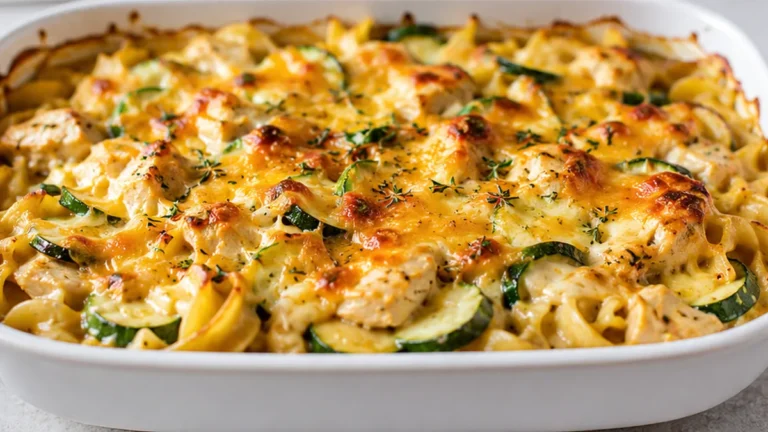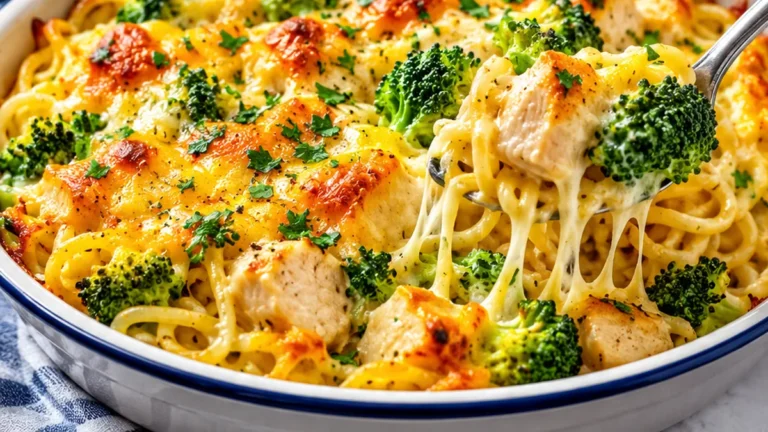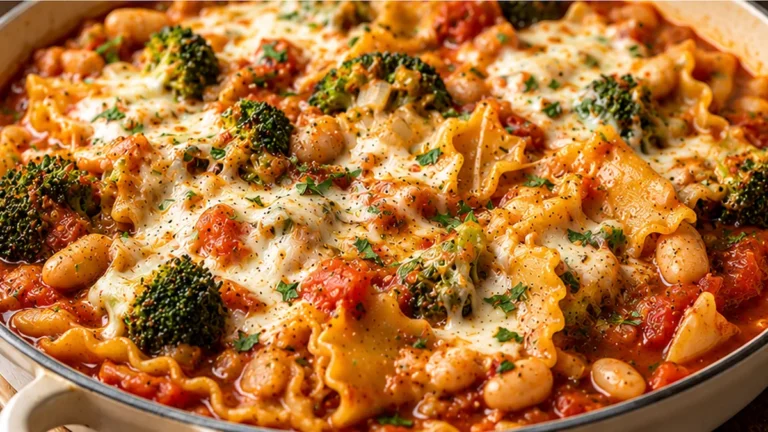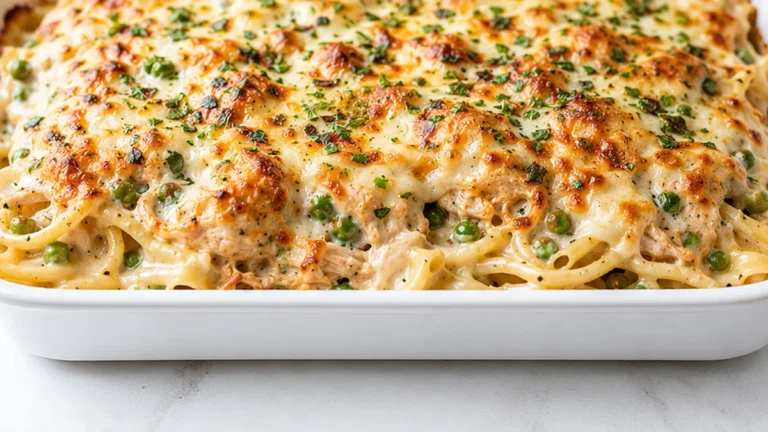
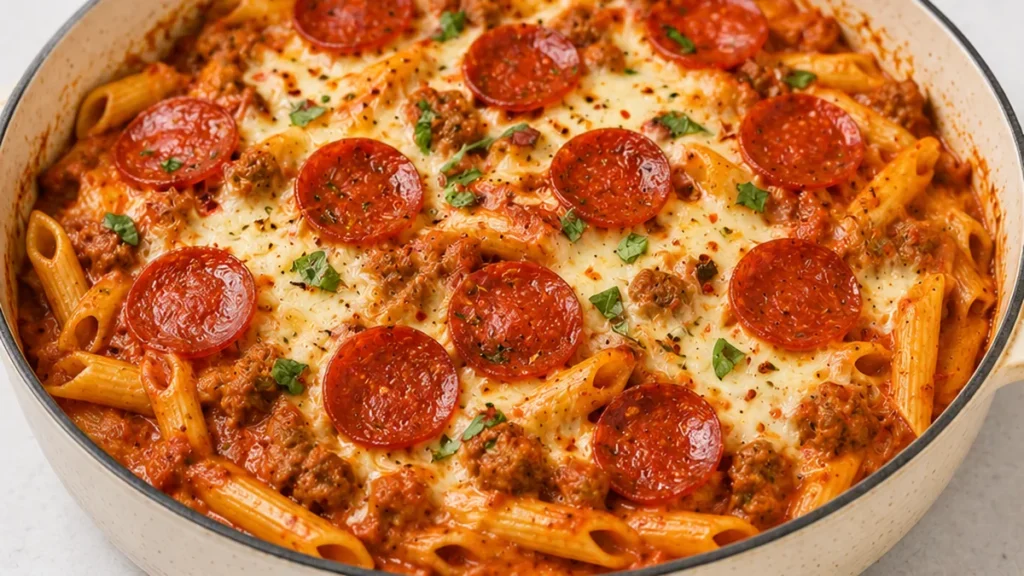
This pizza pasta dish is ultimate weeknight comfort food, marrying two beloved classics into one irresistible meal. It’s the kind of dish that answers the perennial question of ‘pizza or pasta tonight?’ with a resounding ‘both!’. The beauty of this pizza pasta recipe lies in its simplicity and the depth of flavor it achieves with minimal fuss. Perfect for busy evenings, it transforms humble ingredients into a spectacular dining experience that’s sure to become a family favorite.
Key takeaways
- The one-pot method allows pasta to absorb sauce for a creamy, integrated flavor.
- Manage heat and stirring to prevent mushy pasta and sticking.
- Vodka aids in sauce emulsification and flavor depth; broth or water are alternatives.
- Adjust seasonings and ingredients to your personal preference for a truly customized dish.
One-Pot Spicy Vodka Pizza Pasta
Ingredients
- 3 tablespoons extra virgin olive oil
- 3/4 pound ground spicy Italian chicken sausage (optional)
- 4 cloves garlic minced or grated
- 1 tablespoon dried oregano
- 2 teaspoons dried thyme
- 1-2 teaspoons fennel seeds (use to your taste)
- 1 pinch crushed red pepper flakes
- kosher salt and black pepper
- 3 cups marinara sauce
- 1/2 cup vodka (chicken broth or water also work)
Instructions
- Preheat the oven to 350° F. Heat the olive oil in a large pot over high heat. When the oil shimmers, add the chicken sausage (if using) and brown all over, about 5 to 8 minutes.
- Stir in the garlic, oregano, thyme, fennel, and chili flakes, cook another 3-5 minutes, until very fragrant. Add the marinara sauce, vodka, and a pinch each of salt and pepper.
- Then add 2 1/2 cups water and the pasta. Increase the heat to medium-high. Bring the mixture to a boil. Stir frequently until the pasta is al dente, about 8-10 minutes.
- If needed, transfer the pasta to a baking dish. Top with pepperoni.
- Transfer the baking dish to the oven and bake 20-25 minutes or until lightly browned on top. Cool 5 minutes before serving. Enjoy!
Notes
The technique that makes it
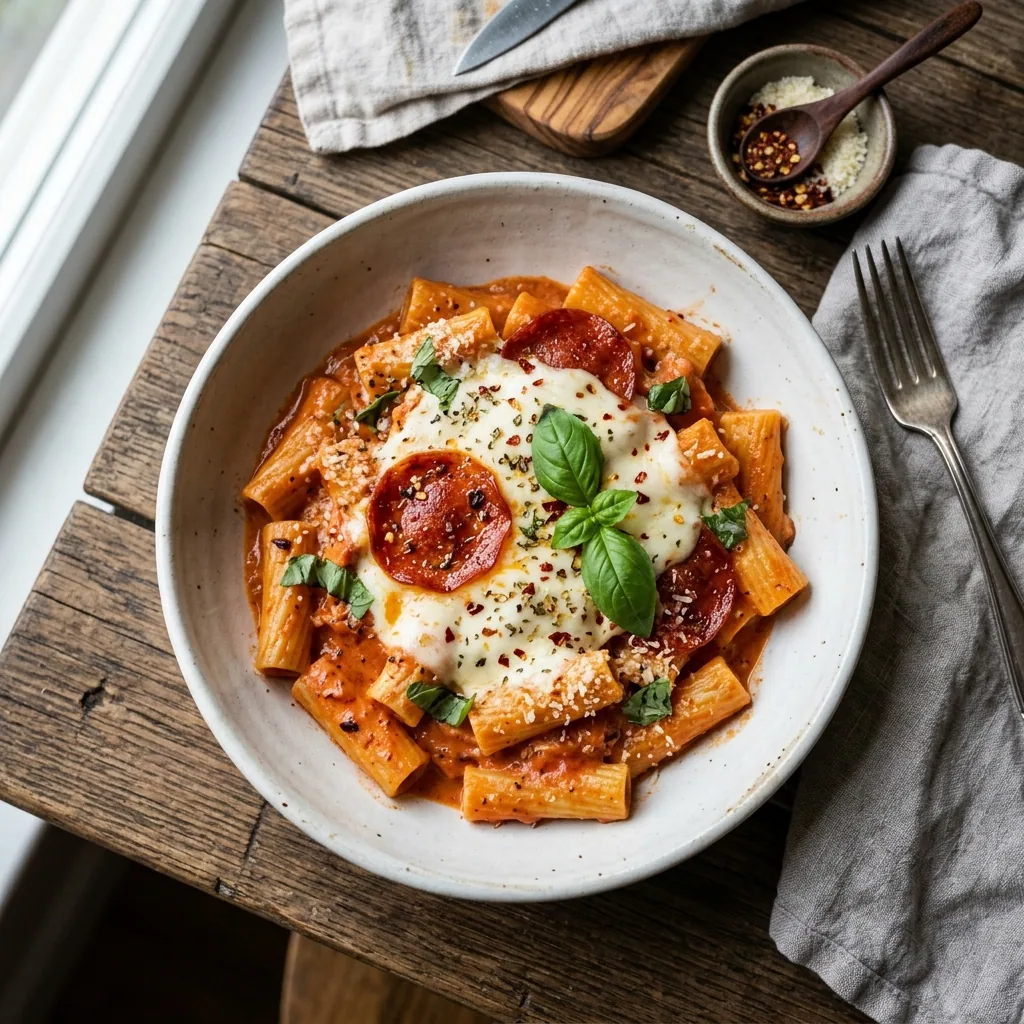
What makes this one-pot pizza pasta work is the controlled simmering of the pasta directly in the sauce. This method, often referred to as ‘braising’ or ‘risotto-style’ cooking for pasta, allows the starches from the pasta to release into the liquid. As the pasta cooks, it absorbs the flavorful marinara and vodka sauce, creating a creamy, cohesive dish without the need for a separate béchamel or heavy cream. The key is to use the correct liquid-to-pasta ratio and to manage the heat to prevent the pasta from becoming mushy or sticking. The initial sauté of the sausage (if using) and aromatics like garlic, oregano, thyme, and fennel seeds builds a foundational layer of flavor that infuses the entire dish. The vodka, while optional, plays a crucial role in emulsifying the sauce; its alcohol content helps to break down fat and bind the sauce ingredients, contributing to a richer mouthfeel and deeper flavor profile. When the pasta is nearly al dente, the residual heat and starch will continue to thicken the sauce to the perfect consistency.
Troubleshooting
- Pasta is mushy: This usually happens from overcooking. Ensure you are adding the pasta to a vigorously simmering liquid and cooking it for the time indicated on the package, or until just al dente. Stir frequently to prevent sticking and ensure even cooking.
- Sauce is too thin: If the sauce remains too liquid after the pasta is cooked, continue to simmer uncovered over medium-low heat, stirring occasionally, until it reaches your desired consistency. The released starches should help thicken it.
- Pasta is sticking to the bottom: Insufficient stirring or too low heat can cause sticking. Make sure to stir the pasta every few minutes, especially during the initial cooking phase, and maintain a gentle simmer.
- Flavor is bland: Ensure you’ve properly sautéed the aromatics and spices before adding the liquids. Taste and adjust seasoning with salt, black pepper, and extra red pepper flakes before serving.
Substitutions
- Spicy Italian chicken sausage: You can substitute with regular ground Italian sausage (pork or turkey), or omit entirely for a vegetarian version. If omitting, consider adding a bit more olive oil and perhaps some sautéed mushrooms for added depth.
- Vodka: Chicken broth or water can be used as a substitute for vodka. While they won’t provide the same emulsifying and flavor-enhancing properties, the dish will still be delicious. Vegetable broth is another good option for a vegetarian dish.
- Marinara sauce: Use your favorite store-bought or homemade marinara. If using a very thick or chunky sauce, you might need to add a little extra liquid (broth or water) to ensure the pasta cooks properly.
- Fennel seeds: If you don’t have fennel seeds, you can omit them or substitute with a pinch of anise extract (use very sparingly) or a small amount of dried basil for a different herbaceous note.
Pro tips
- For optimal flavor, brown the chicken sausage deeply. Don’t rush this step, as it builds the foundation for the entire dish.
- If you’re skipping the chicken sausage, you can enhance the savory base by adding a tablespoon of tomato paste to the aromatics before the marinara.
- Ensure the pasta reaches an internal temperature of 160°F (71°C) if including meat and eggs, although the boiling process will typically ensure safety.
- Store leftovers in an airtight container in the refrigerator for up to 3 days. Reheat gently in the microwave or oven, adding a splash of broth if it seems dry.
This one-pot spicy alla vodka pizza pasta is a testament to how simple ingredients can create extraordinary flavors. Experiment with your favorite pizza toppings or cheeses to truly make it your own. Happy cooking!
More from Easy Pasta Recipes →
Frequently asked questions
What is the role of vodka in this recipe?
Vodka acts as an emulsifier, helping to bind the fats and liquids in the sauce for a richer, smoother texture. It also enhances the overall flavor profile without adding a strong alcoholic taste, as the alcohol cooks off during simmering.
Can I make this pizza pasta without meat?
Absolutely. You can omit the Italian sausage entirely. For added substance and flavor, consider sautéing some mushrooms, bell peppers, or zucchini before adding the liquids. Ensure you have enough olive oil to compensate for the fat rendered by the sausage.
How do I prevent the pasta from becoming overcooked or mushy?
The key is to add the pasta to a vigorously simmering liquid and stir frequently. Cook until the pasta is just al dente, as it will continue to cook slightly from residual heat. Avoid over-simmering uncovered once the pasta is added.
What if my sauce is too thin after the pasta is cooked?
If the sauce remains too watery, simply continue to simmer the pasta and sauce uncovered over medium-low heat. Stir occasionally. The starches released from the pasta will help thicken the sauce as it reduces.