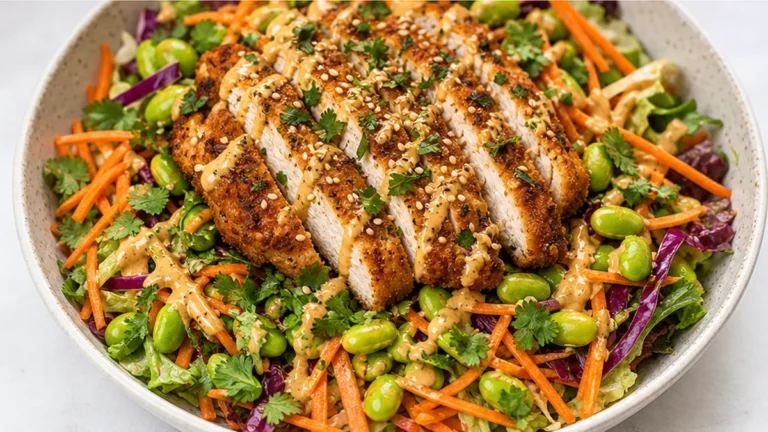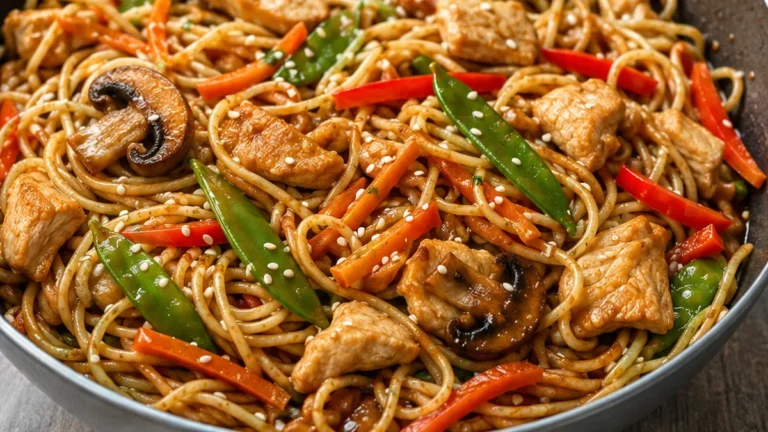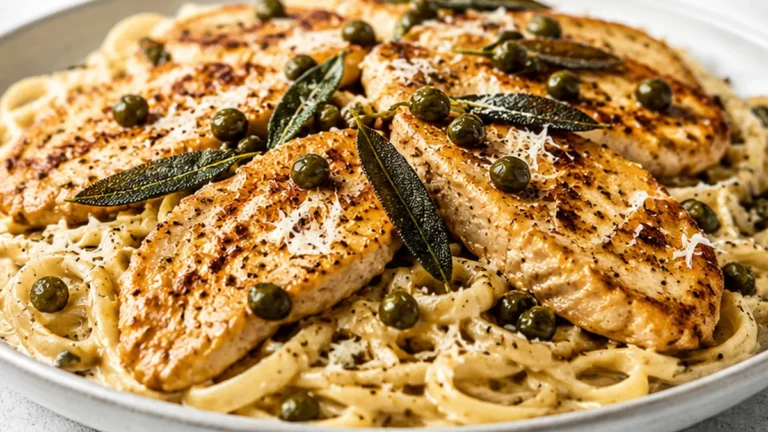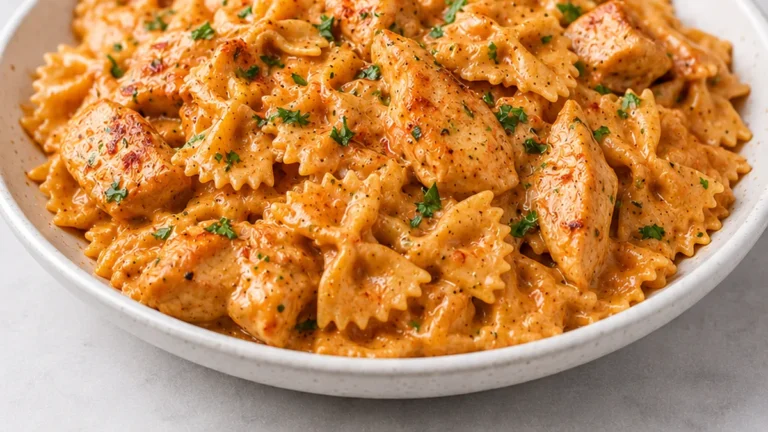
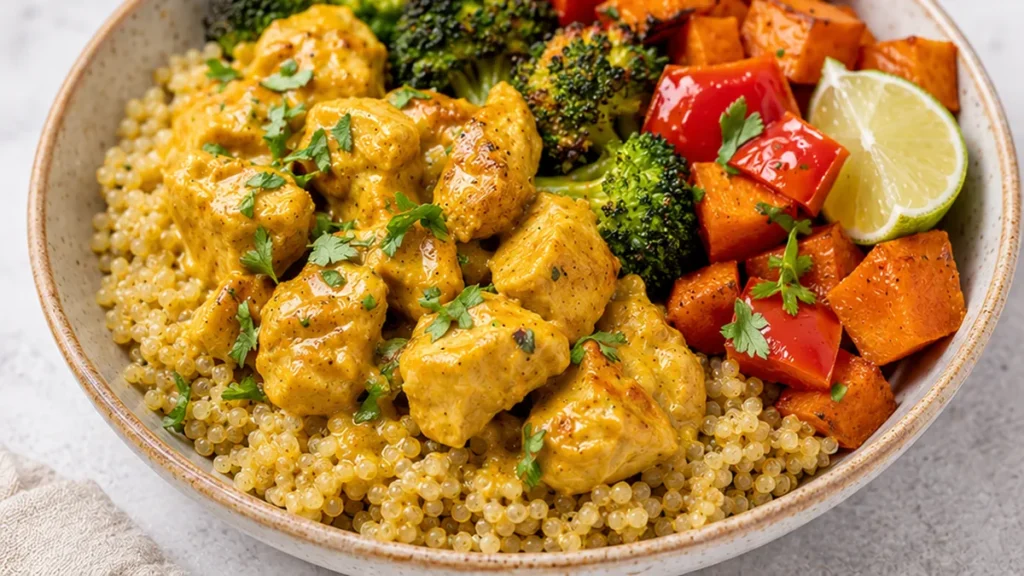
This healthy chicken curry quinoa bowl recipe offers a fresh and satisfying meal that’s perfect for any night of the week. Combining tender chicken, fragrant spices, and wholesome quinoa, it’s a dish that proves healthy eating can be incredibly delicious. The recipe is designed for ease, making it accessible even for beginner cooks, while delivering complex flavors that will impress any palate. Get ready to transform your dinner routine with this flavorful chicken curry.
Key takeaways
- Properly sautéing aromatics and toasting spices builds a deep flavor base.
- Sear chicken for richer taste and texture.
- Simmer gently to tenderize chicken and soften eggplant without making it mushy.
- Adjust sauce consistency by simmering or using a slurry if needed.
Chicken Curry Quinoa Bowls
Ingredients
- 1 tablespoon olive oil
- 1 cup diced onions
- 1 lbs boneless skinless chicken thighs
- 2 tablespoons curry paste
- 2 teaspoons garam masala
- 1 tablespoon ginger paste
- 3 cloves garlic
- 2 cups tomato puree
- 2 cups chicken broth
- 3 cups diced eggplant (peel removed)
Instructions
- Heat the olive oil in a deep pan over medium-high heat. Add the diced onions and saute for 2-3 minutes until soft and fragrant.
- Add the chicken thighs, curry paste, garam masala, ginger paste, and minced garlic. Stir fry for another 3-5 minutes to brown the chicken pieces.
- Stir in the tomato puree, chicken broth, diced eggplant, and cooked quinoa. Cover and simmer for 15-20 minutes, or until the quinoa and eggplant are tender.
- When the chicken and quinoa are cooked through, the mixture should resemble a thick stew.
- Serve in large bowls.
Notes
The technique that makes it
The success of this chicken curry quinoa bowl hinges on building layers of flavor and achieving the right texture in the curry. Start by properly sautéing the aromatics – the onions, ginger, and garlic. Sautéing the onions until softened and translucent, rather than just stirring them in, develops their natural sweetness and mellows their pungency. Similarly, cooking the ginger and garlic paste for a minute or two until fragrant releases their essential oils, forming a crucial flavor base. When adding the chicken, sear it briefly on all sides before adding the liquids. This searing creates the Maillard reaction, adding depth and a richer, more complex chicken flavor to the curry. Don’t overcrowd the pan when searing the chicken; cook in batches if necessary to ensure proper browning. The curry paste and garam masala are then toasted with the chicken and aromatics for about a minute. This step is vital as it blooms the spices, intensifying their aroma and flavor profile, preventing a raw spice taste. Finally, the simmering process allows the eggplant to soften and absorb the rich curry sauce, while the chicken becomes tender. Ensure the eggplant is diced uniformly so it cooks evenly. The goal is a thick, cohesive sauce that coats the ingredients, not a watery broth.
Troubleshooting
- Curry is too watery: If the sauce is too thin after simmering, uncover the pot and let it simmer on medium-low heat for an additional 10-15 minutes to allow excess liquid to evaporate. Alternatively, you can create a slurry by mixing 1 tablespoon of cornstarch with 2 tablespoons of cold water and stirring it into the simmering curry until thickened.
- Chicken is tough: This usually happens from overcooking or cooking at too high a heat. Ensure the chicken thighs are cooked until just tender, typically 15-20 minutes of simmering. If you’ve already overcooked it, you can try simmering it gently in the sauce for a bit longer, but the texture may not fully recover. Using boneless, skinless chicken thighs is recommended as they are more forgiving than breasts.
- Flavor is bland: This could be due to insufficient sautéing of aromatics or not toasting the spices enough. Ensure onions are softened, and ginger/garlic are fragrant before adding liquids. Toasting the curry paste and garam masala for a minute before adding the tomato puree and broth is crucial. Taste and adjust seasoning with salt, pepper, or a pinch more curry paste/garam masala towards the end of cooking.
- Eggplant is mushy: This can happen if the eggplant is overcooked. Ensure the eggplant is diced into uniform, bite-sized pieces and added during the latter half of the simmering time, allowing it to cook until tender but not disintegrate.
Substitutions
- Chicken Thighs: Boneless, skinless chicken breasts can be used, but they cook faster and are more prone to drying out. Reduce simmering time accordingly and consider adding them later in the cooking process. For a vegetarian option, firm or extra-firm tofu, pressed and cubed, or chickpeas can be substituted. Tofu should be pan-fried until golden before adding to the curry, and chickpeas can be added with the liquids.
- Eggplant: Zucchini or bell peppers (any color) can be used as substitutes for eggplant. Dice them similarly and add them during the last 10-15 minutes of simmering, as they cook faster than eggplant.
- Tomato Puree: Canned crushed tomatoes or diced tomatoes (pureed slightly) can be used. If using diced tomatoes, the sauce might have a chunkier texture. Adjust simmering time as needed.
- Curry Paste: Different types of curry paste (red, green, yellow) will yield distinct flavor profiles. Adjust the amount based on the spice level and intensity of the paste you choose. If you don’t have curry paste, you can use a blend of ground cumin, coriander, turmeric, and a pinch of cayenne pepper, adjusting quantities to taste.
Pro tips
- Use a good quality curry paste for the best flavor.
- Don’t overcrowd the pan when browning the chicken to ensure a good sear.
- Adjust the spice level by adding more or less curry paste.
- Feel free to substitute other vegetables like bell peppers or spinach.
Enjoy this nourishing and flavorful chicken curry quinoa bowl. It’s a versatile dish that’s perfect for meal prep or a quick, healthy dinner.
More from Chicken Pasta Recipes →
Read also on TastyBend: Curry Verde Tailandés: Un Viaje de Sabor a Asia.
Frequently asked questions
Can I use regular rice instead of quinoa for chicken curry bowls?
Yes, you can substitute regular rice for quinoa. Cook your preferred type of rice according to package directions. White, brown, or basmati rice all work well. Adjust the liquid ratio and cooking time as needed for the rice. The overall flavor profile of the dish will remain similar.
How to make chicken curry quinoa bowls ahead of time?
To make these bowls ahead, cook the quinoa and chicken curry separately. Store them in airtight containers in the refrigerator for up to 3 days. When ready to serve, reheat the components gently and assemble the bowls. You can also chop vegetables like bell peppers and onions in advance.
What vegetables go well with chicken curry quinoa bowls?
Bell peppers, broccoli florets, peas, spinach, and carrots are excellent additions. Sauté firmer vegetables like broccoli and carrots until tender-crisp before adding them to the curry. Leafy greens like spinach can be wilted directly into the sauce at the end of cooking. This adds color and nutrients.
How long do chicken curry quinoa bowls last in the fridge?
Leftover chicken curry quinoa bowls can be stored in an airtight container in the refrigerator for up to 3 to 4 days. Ensure the components are completely cooled before storing. Reheat gently on the stovetop or in the microwave until heated through. Avoid overcooking the quinoa when reheating.