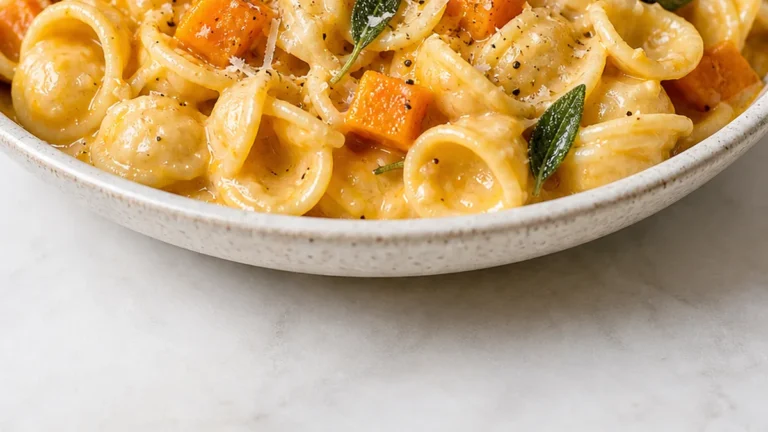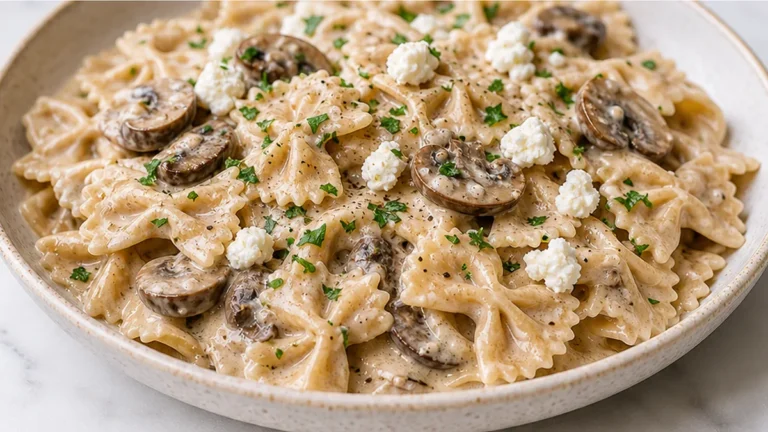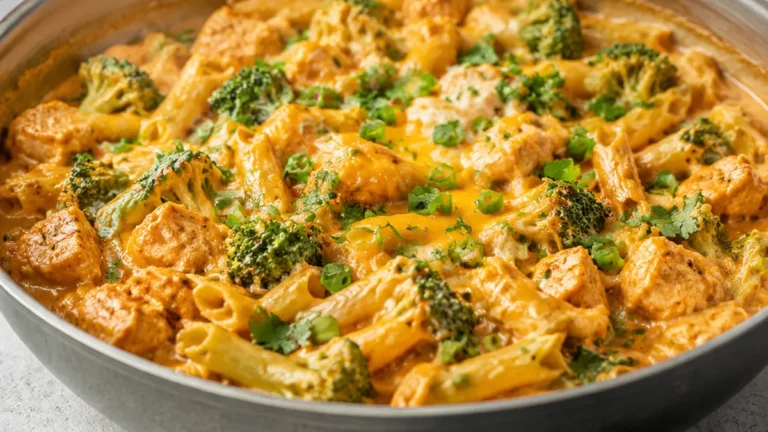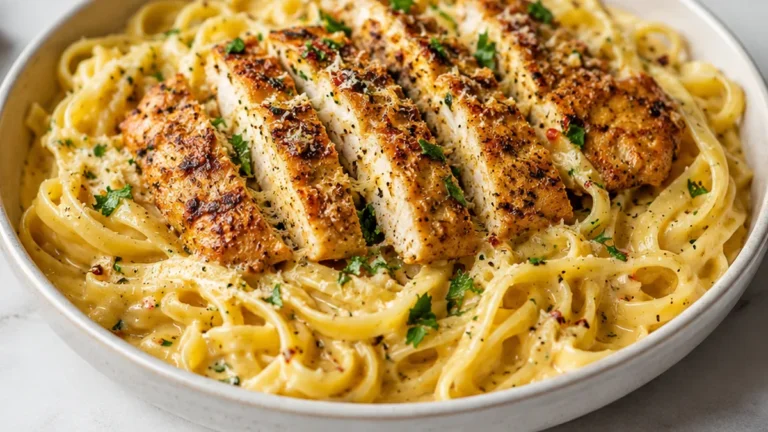
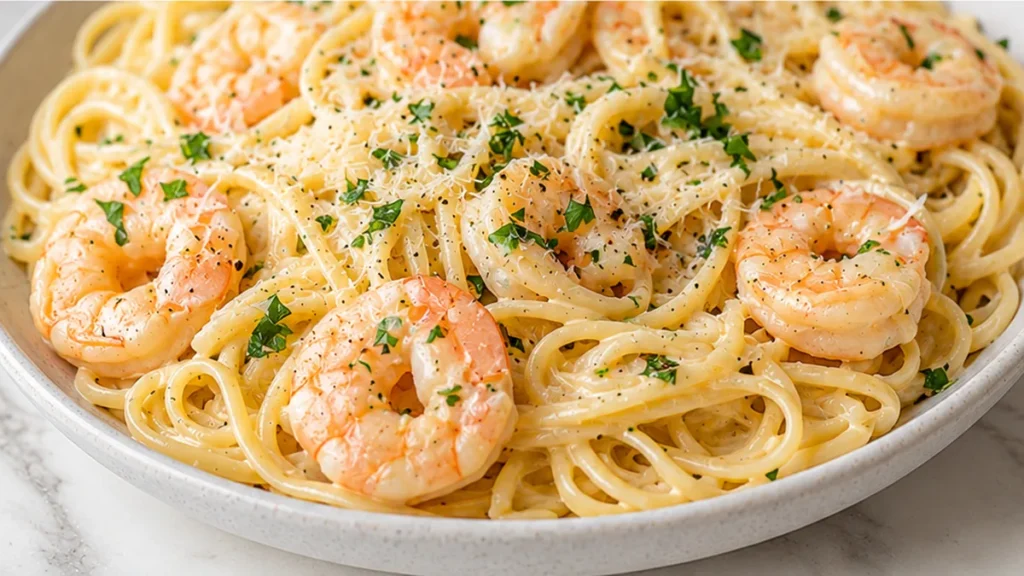
This shrimp linguine recipe is a true weeknight warrior, delivering incredible flavor with minimal effort. Forget complicated steps; this dish comes together in one pot, making cleanup a breeze. It’s perfect for anyone seeking a delicious and satisfying meal without the fuss. Our version improves classic shrimp linguine with a rich garlic butter sauce, a splash of white wine for depth, and the fragrant aroma of fresh sage. It’s a dish that tastes gourmet but is surprisingly simple to master.
Key takeaways
- Cooking linguine directly in the flavorful broth infuses it with taste and creates a naturally thickened sauce.
- Shrimp cook rapidly; avoid overcooking by adding them at the very end.
- Heavy cream and Parmesan cheese emulsify with the starchy pasta liquid for a rich, glossy finish.
- Adjust simmering time to achieve your desired sauce consistency.
Creamy Garlic Shrimp Linguine
Ingredients
- 4 tablespoons butter, divided
- 4 cloves garlic, minced, divided
- 4 cups chicken or vegetable broth
- 2 cups water
- 1 lb linguine
- 1 1/2 lb jumbo raw shrimp
- 3/4 cup dry white wine
- 1/4 cup minced fresh sage
- 1 cup heavy whipping cream
- 1/2 cup grated Parmesan cheese
Instructions
- Heat two tablespoons butter in a large pot over high heat. Add half of the garlic and sauté, stirring constantly, for one minute. Add the broth and water; bring to a boil.
- Add the linguine to the boiling liquid. Cook until the pasta is al dente, then lower the heat and simmer until most of the liquid is absorbed. Do not drain – some liquid should remain to coat the noodles.
- While the pasta cooks, heat the remaining two tablespoons butter in a large skillet over medium heat. Add the jumbo raw shrimp and sauté for 1-2 minutes per side until almost cooked through.
- Add the remaining minced garlic and fresh sage to the shrimp pan. Cook for one minute until fragrant.
- Pour in the dry white wine and let it simmer for 3-5 minutes until mostly evaporated and the shrimp are lightly browned. Remove the pan from heat and set aside, keeping the shrimp warm.
- Add the cooked shrimp, heavy whipping cream, and grated Parmesan cheese to the pot with the linguine. Toss everything together until the sauce is creamy and coats the pasta. Serve immediately.
Notes
The technique that makes it
The magic behind this creamy garlic shrimp linguine lies in a two-stage cooking process that builds flavor and ensures perfectly cooked pasta and shrimp. First, we create a flavorful broth base. Melting 2 tablespoons of butter and sautéing half the minced garlic until fragrant begins the aromatic foundation. Adding the chicken or vegetable broth and water, then bringing it to a simmer, prepares the liquid for absorbing the pasta’s starch. Cooking the linguine directly in this seasoned liquid, rather than plain water, is crucial. As the pasta cooks, it releases starches that thicken the broth naturally, creating a luxurious, sauce-like consistency without relying solely on cream. This method, often called “one-pot pasta” or “risotto-style” pasta, infuses every strand with flavor.
The second stage focuses on the shrimp and finishing the sauce. While the pasta cooks, the remaining 2 tablespoons of butter are melted in a separate skillet over medium-high heat. The raw shrimp are added and cooked quickly, just until they turn pink and opaque. Overcooking shrimp makes them tough and rubbery, so vigilance is key here. Once the shrimp are almost done, the white wine is added to deglaze the pan, scraping up any browned bits for extra flavor. This is followed by the fresh sage, which adds a bright, herbaceous note. Finally, the cooked linguine and its cooking liquid are transferred to the shrimp skillet. The heavy whipping cream and Parmesan cheese are stirred in, and the heat is reduced to low. Gently stirring allows the cheese to melt and the cream to emulsify with the starchy pasta liquid, creating a rich, glossy sauce that coats the linguine beautifully. The residual heat is enough to finish cooking the shrimp perfectly and meld all the flavors.
Troubleshooting
- Problem: Pasta is mushy or overcooked.
Fix: Ensure you stir the pasta occasionally while it cooks in the broth to prevent sticking and uneven cooking. Use the recommended cooking time as a guideline, tasting a strand a minute or two before it’s due. If it’s slightly underdone, the residual heat when adding the sauce will finish it. - Problem: Shrimp are tough or rubbery.
Fix: Shrimp cook very quickly. Add them to the hot skillet and cook only until they turn pink and opaque, typically 1-2 minutes per side. Remove them from heat immediately once cooked and add them back to the sauce at the very end to warm through. - Problem: Sauce is too thin.
Fix: This can happen if not enough starch was released from the pasta. Simmer the sauce gently for a few extra minutes after adding the cream and cheese, stirring constantly, to allow it to thicken. You can also create a slurry of 1 tablespoon cornstarch mixed with 2 tablespoons cold water and stir it into the simmering sauce. - Problem: Sauce is too thick or greasy.
Fix: If the sauce becomes too thick, thin it out with a splash of the reserved pasta cooking liquid (if you saved some) or a little more broth or cream. If it seems greasy, whisking vigorously can help emulsify the fats back into the sauce. Ensure the heat is kept low when adding cream and cheese.
Substitutions
- Shrimp: Scallops or bite-sized pieces of chicken breast can be substituted for shrimp. Adjust cooking times accordingly; chicken will require longer cooking before adding liquids, while scallops cook very quickly like shrimp.
- Linguine: Fettuccine, spaghetti, or even angel hair pasta will work. Note that thinner pastas like angel hair will cook faster and may require less liquid.
- Dry White Wine: Chicken broth or vegetable broth can be used instead of wine. For a non-alcoholic option, a splash of white wine vinegar or lemon juice added towards the end can provide a similar acidic brightness.
- Fresh Sage: Fresh parsley or fresh basil can be used for a different herbaceous profile. Dried herbs can be substituted, but use about one-third the amount of fresh herbs and add them earlier in the cooking process with the broth.
Pro tips
- Use jumbo shrimp for the best texture and visual appeal.
- Don’t skip the step of leaving some liquid in the pasta pot; it creates a creamier sauce.
- Fresh sage is key for authentic flavor; dried sage will alter the taste significantly.
Enjoy this delightful shrimp linguine, a perfect balance of creamy, garlicky, and savory notes. Feel free to adjust the spice level or add your favorite vegetables.
More from Chicken Pasta Recipes →
Read also on TastyBend: Ground Turkey Nutrition Facts: Complete Scientific Analysis.
Frequently asked questions
Can I use other pasta besides linguine for creamy garlic shrimp linguine?
Absolutely! Fettuccine, spaghetti, or even penne work wonderfully. The key is to choose a pasta shape that holds the creamy sauce well. Cook your chosen pasta al dente according to package directions, reserving about a cup of the starchy pasta water before draining.
How do I prevent shrimp from getting rubbery in creamy garlic shrimp linguine?
Cook the shrimp just until pink and opaque. This typically takes only 2-3 minutes. Overcooking is the main culprit for rubbery shrimp. Add them to the sauce at the very end, stirring gently until heated through. They will continue to cook slightly in the residual heat.
Can I make the creamy garlic shrimp linguine sauce ahead of time?
Yes, you can prepare the creamy garlic sauce base a day in advance. Store it in an airtight container in the refrigerator. When ready to serve, gently reheat the sauce and then add the cooked linguine and quickly cooked shrimp. You may need to add a splash of pasta water or milk to thin it.
How should I store leftover creamy garlic shrimp linguine?
Allow the pasta to cool completely before transferring it to an airtight container. Refrigerate for up to 2 days. Reheat gently in a skillet over low heat, adding a little milk or chicken broth to loosen the sauce. Avoid microwaving, as it can make the shrimp tough and the sauce watery.