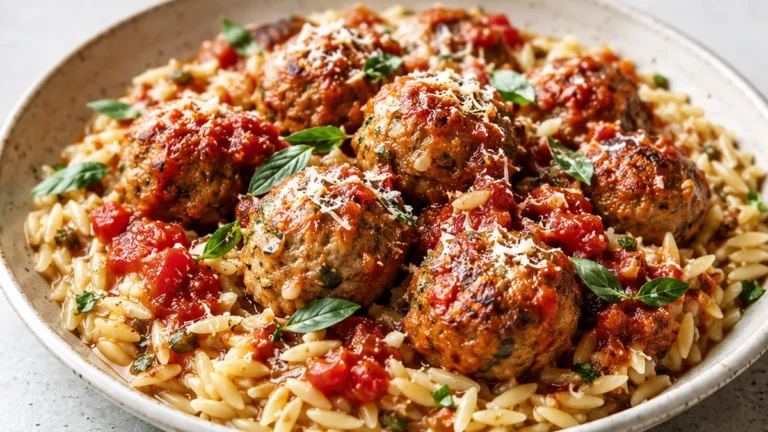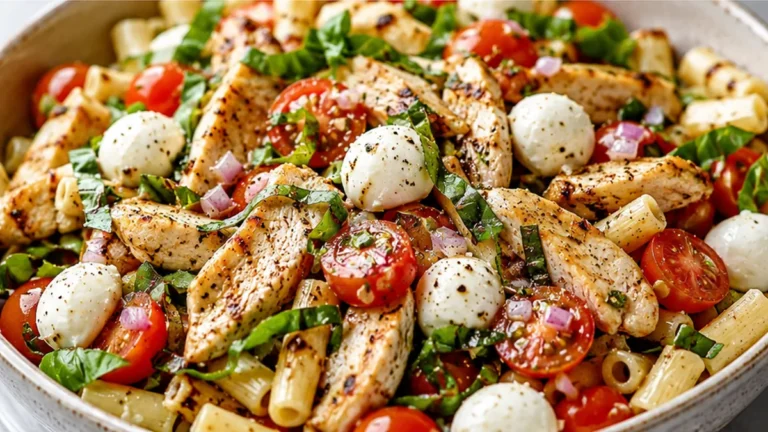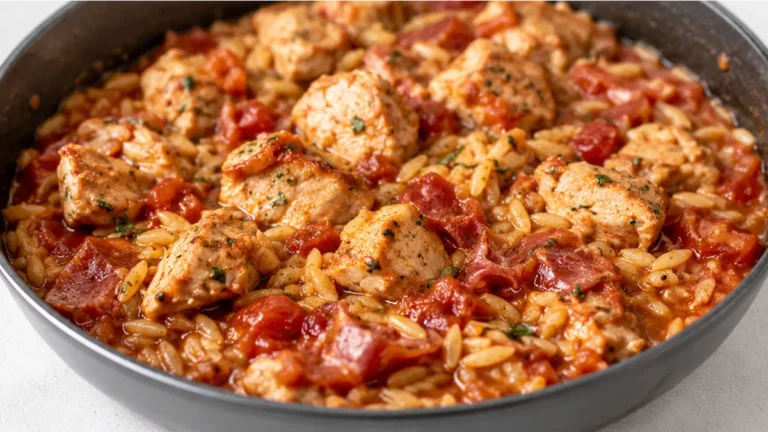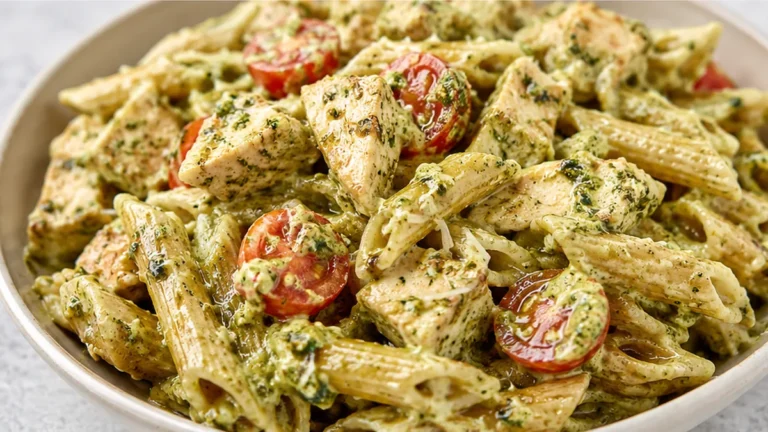
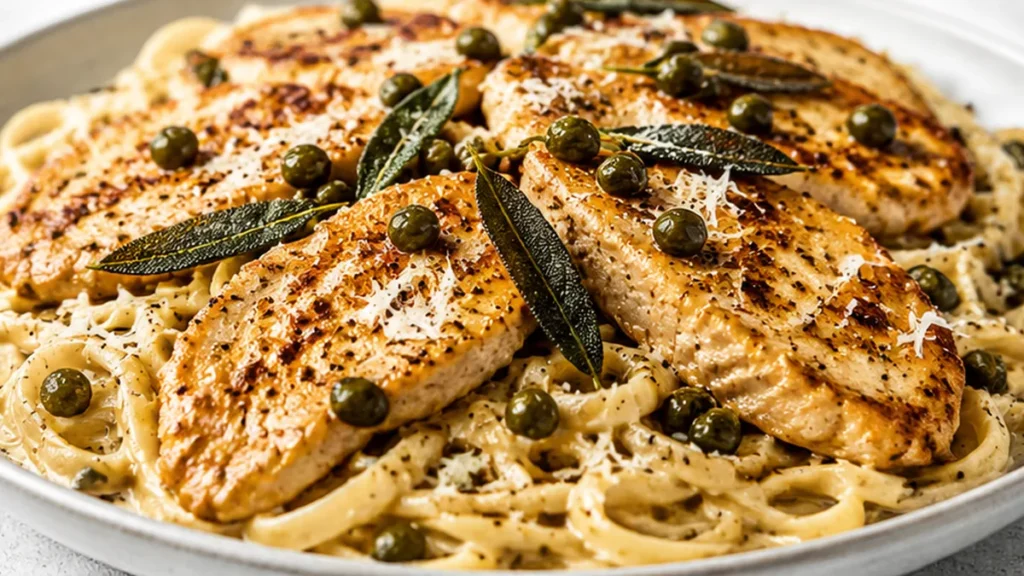
This chicken piccata recipe combines tender chicken cutlets with a lemon-sage butter sauce and creamy mushroom pasta. It’s a dish that feels special enough for guests but is simple enough for a weeknight.
Key takeaways
- Properly sear floured chicken cutlets for a golden crust and thickened sauce.
- Achieve a balanced, glossy sauce through proper emulsification of lemon juice, wine, and butter.
- Cook chicken in batches to avoid overcrowding and ensure even searing.
- Fry sage leaves briefly to infuse flavor without burning.
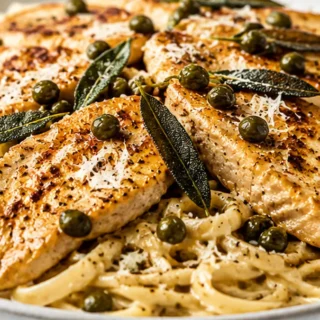
Juicy Lemon Sage Chicken Piccata Pasta: Pure Magic!
Ingredients
- 4 chicken cutlets, or 2 boneless chicken breasts, sliced in half horizontally
- kosher salt and black pepper
- 1/3 cup all-purpose flour
- 4 tablespoons extra virgin olive oil
- 4 tablespoons salted butter
- 12 fresh sage leaves
- 1/2 cup dry white wine, such as Pinot Grigio or Sauvignon Blanc
- 1/3 cup fresh lemon juice
- 2 tablespoons capers (drained)
- 2 tablespoons extra virgin olive oil
Instructions
- Season the chicken with salt and pepper. Place the flour in a shallow bowl and dredge the chicken through the flour mix, pressing gently to adhere.
- Heat 4 tablespoons of olive oil in a large skillet over medium-high heat. When the oil shimmers, add the chicken and sear on both sides until golden, about 3-5 minutes per side. Remove the chicken from the skillet.
- To the same skillet, add the butter and sage. Sear the sage until crisp, about 1 minute. Remove the sage from the skillet and add to the plate with the chicken. Pour the wine and lemon juice into the skillet, cook 1 minute. Add the capers and season with salt and pepper. Return the chicken to the skillet and simmer for 5-10 minutes or until warmed through.
- Meanwhile, make the pasta. Bring a large pot of salted water to a boil. Cook the pasta according to package directions until al dente. Reserve 1/2 cup of the pasta cooking water. Drain.
- Heat 2 tablespoons of olive oil in a large skillet over high heat. When the oil shimmers, add the mushrooms and season with salt and pepper. Cook undisturbed for 5 minutes or until golden. Stir and continue cooking until the mushrooms have caramelized, 3-5 minutes. Reduce the heat to medium. Add the garlic, thyme, and a pinch each of salt, pepper, and red pepper flakes.
- Pour in the cream and 1/4 cup pasta cooking water. Add the pasta, parmesan, and manchego cheese. Toss until the cheese is melted and the sauce creamy.
- To serve, divide the pasta among plates and top with the chicken and sage. Spoon over the pan sauce. Eat and enjoy!
Notes
The Technique Behind Perfect Chicken Piccata Pasta
The magic of Chicken Piccata, especially when paired with pasta, lies in a few key culinary techniques that ensure tender chicken, a vibrant sauce, and a cohesive dish. The foundation is proper searing of the chicken. Coating the chicken cutlets in flour before pan-frying is crucial. This not only helps create a golden-brown crust through the Maillard reaction, adding depth of flavor, but also acts as a thickening agent for the pan sauce. Ensure your pan is hot enough before adding the chicken; a shimmering oil is a good indicator. Overcrowding the pan will steam the chicken rather than sear it, leading to a pale, less flavorful result. Cook in batches if necessary. The sage leaves are typically fried briefly in the butter and oil until slightly crisp, infusing the fat with their aromatic oils. This step should be done quickly to prevent burning. The sauce itself is an emulsion, created by deglazing the pan with white wine and lemon juice, then whisking in butter. The starch from the flour on the chicken, combined with the emulsified fats from the butter and olive oil, creates a glossy, cohesive sauce that clings beautifully to the pasta and chicken. The acidity from the lemon juice cuts through the richness of the butter and oil, balancing the flavors.
Troubleshooting
- Problem: Chicken is tough and dry. Fix: Ensure chicken cutlets are of even thickness. Avoid overcooking; chicken should be cooked through but still moist. Remove chicken from the pan as soon as it reaches an internal temperature of 165°F (74°C) and let it rest briefly while you finish the sauce.
- Problem: Sauce is too thin or watery. Fix: The flour coating on the chicken should help thicken the sauce. If it’s still too thin, you can simmer it gently for a few extra minutes to reduce it. Alternatively, whisk a small amount of cornstarch slurry (1 tsp cornstarch mixed with 2 tsp cold water) into the simmering sauce.
- Problem: Sauce is greasy or oily. Fix: This can happen if too much fat is added or if the sauce isn’t properly emulsified. Try to skim off excess oil from the surface. Whisking in a little more lemon juice or a splash of water can help re-emulsify the sauce. Ensure you’re using the correct ratio of butter to oil and incorporating them gradually.
- Problem: Sage leaves are burnt. Fix: Sage leaves burn easily due to their low moisture content. Fry them for only 15-30 seconds in the hot fat until just fragrant and slightly crisped, then remove them immediately.
Substitutions
- Chicken: Boneless, skinless thighs can be used instead of cutlets or breasts. They will require a slightly longer cooking time but offer more moisture and flavor. The result will be a richer, more succulent dish.
- White Wine: Chicken broth or vegetable broth can be substituted for white wine. The sauce will be less complex in flavor but still delicious. You may need to add a touch more lemon juice to compensate for the lost acidity.
- Capers: Chopped green olives or finely diced artichoke hearts can be used in place of capers. The flavor profile will change, offering a brinier or more vegetal note, respectively.
- Sage: Fresh parsley can be used as a garnish, offering a fresh, herbaceous note. The distinct aroma of sage will be missing, but the dish will still be bright and flavorful.
Pro tips
- For the most tender chicken, ensure your chicken cutlets are evenly thin. If using whole breasts, slice them horizontally to about 1/2 inch thick.
- To prevent a floury taste in your sauce, make sure to sear the floured chicken until truly golden brown. This helps cook out the raw flour.
- When adding the wine and lemon juice to the skillet, be sure to scrape up any browned bits from the bottom – this is where all the flavor is! If you’re concerned about raw chicken, ensure the chicken reaches an internal temperature of 165°F (74°C) before serving.
This browned sage butter chicken piccata with mushroom pasta is a fantastic way to elevate your dinner routine. Enjoy the rich flavors and satisfying textures, and don’t hesitate to experiment with different herbs or cheeses to make it your own. Happy cooking!
Frequently asked questions
Can I use chicken thighs instead of breasts?
Yes, boneless, skinless chicken thighs can be substituted. They may require a slightly longer cooking time to ensure they are cooked through, but they will result in a very moist and flavorful piccata.
What can I use if I don’t have white wine?
If you don’t have white wine, chicken broth or vegetable broth can be used as a substitute. The sauce will have a slightly different flavor profile, so you might want to add a little extra lemon juice to maintain brightness.
My sauce is too thin, what should I do?
The flour coating on the chicken helps thicken the sauce. If it’s still too thin, let it simmer uncovered for a few more minutes to reduce. Alternatively, a small cornstarch slurry can be added to achieve the desired consistency.
How do I prevent the sage from burning?
Sage burns quickly. Fry the sage leaves for a very short time, about 15-30 seconds, in the hot fat until they are just fragrant and slightly crisp. Remove them immediately after this brief frying period.
More from Chicken Pasta Recipes →