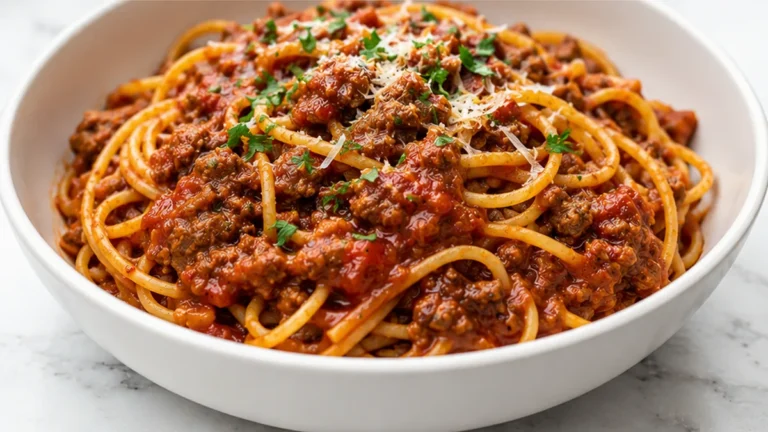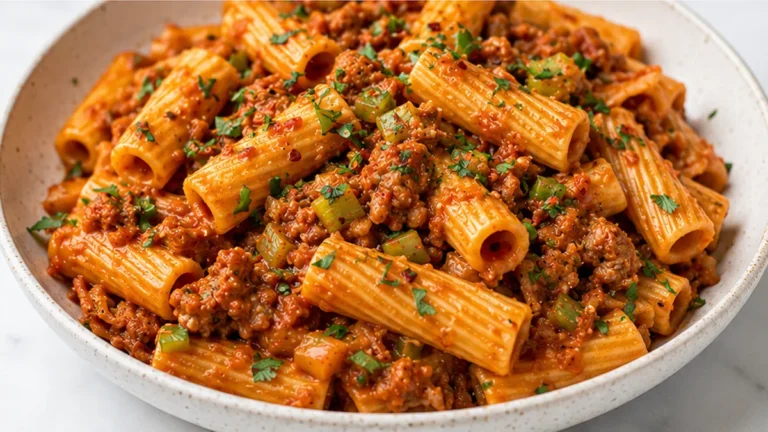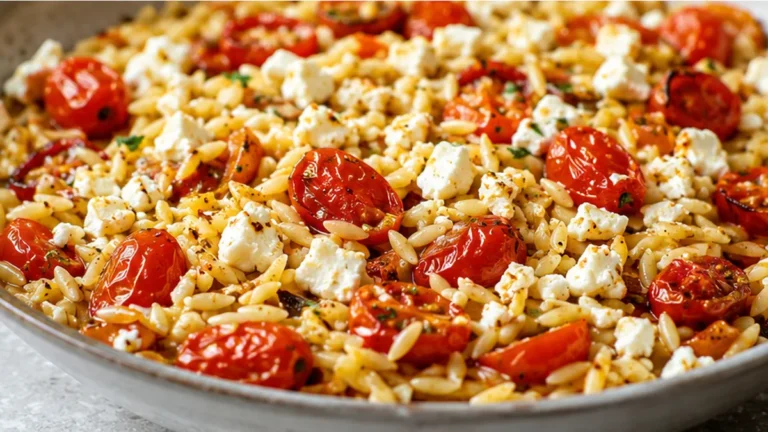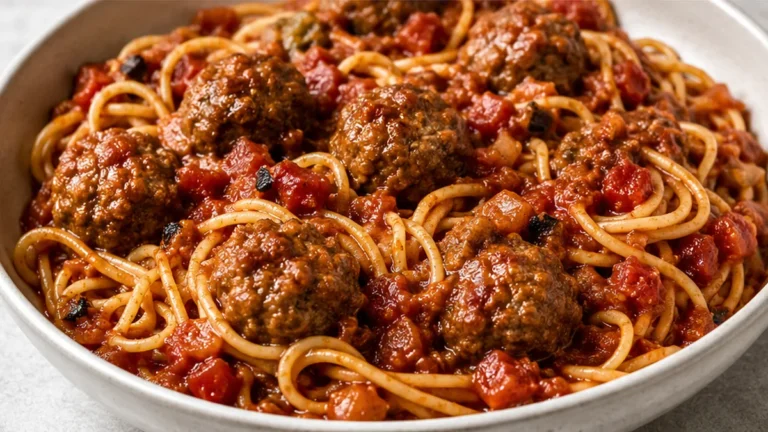
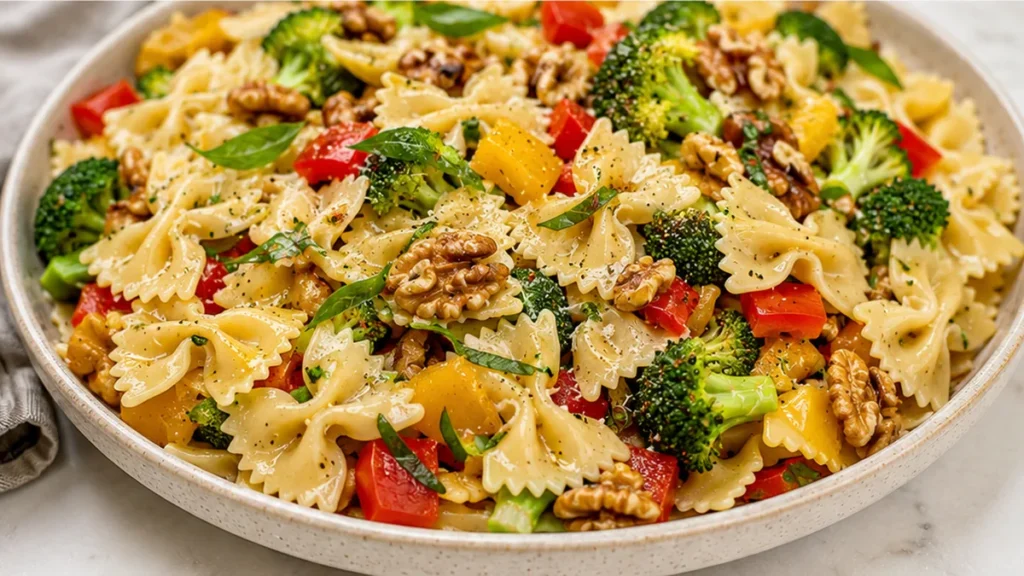
This farmers market pasta is a celebration of fresh, seasonal ingredients, bringing the bright, fresh flavor of the market directly to your table. It’s an incredibly simple yet profoundly delicious dish, perfect for showcasing the best produce available. Featuring a bright and zesty walnut pesto paired with perfectly roasted vegetables and tender pasta, this recipe is designed for maximum flavor with minimal effort. It’s the ideal weeknight meal that feels special enough for guests.
Key takeaways
- Quickly sautéing seasonal vegetables over high heat preserves their crispness and bright color.
- A simple, fresh basil pesto with walnuts and lemon brightens the dish.
- Reserve pasta water to achieve the perfect sauce consistency.
- Adapt the recipe with seasonal vegetables and alternative nuts or greens for variety.
Farmers’ Market Pasta: Bursting with Freshness!
Ingredients
- 8 ounces pasta (half of a box of farfalle, rigatoni, penne, whatever you like)
- 6 cups fresh, seasonal veggies (see notes)
- 3 cloves garlic
- a drizzle of olive oil
- salt to taste
- 1 cup walnuts
- 1 1/2 cups tightly packed basil leaves (you can sub other greens if you don’t have enough basil)
- 1/4 cup olive oil
- 1 very small clove of garlic
- juice of 1 lemon (just use half if it’s really juicy)
Instructions
- Prep your veggies: Wash and chop about 6 cups of fresh, seasonal vegetables. Think broccoli, bell peppers, zucchini, cherry tomatoes, or whatever looks good!
- Roast veggies and garlic: Preheat oven to 425°F (220°C). Arrange veggies on a baking sheet, drizzle with olive oil, and sprinkle with salt. Peel 3 cloves of garlic, place on a small piece of foil with a drizzle of oil, wrap tightly, and place on the baking sheet. Roast for 20-30 minutes until tender and slightly caramelized. Mash the roasted garlic into a paste.
- Make the walnut pesto: While veggies roast, combine 1 cup walnuts, 1.5 cups packed basil leaves, 1/4 cup olive oil, 1 small garlic clove, and the juice of half a lemon in a food processor. Pulse until smooth and vibrant green.
- Cook the pasta: Boil 8 ounces of your favorite pasta according to package directions until al dente. Drain well.
- Combine and serve: In a large bowl, toss the cooked pasta with the walnut pesto. Add the roasted vegetables and the mashed roasted garlic paste. Toss gently to combine everything.
- Plate it up: Serve immediately, enjoying the fresh flavors and beautiful colors! Garnish with extra basil if desired.
Notes
The technique that makes it
The trick to this farmers’ market pasta lies in a few key techniques that maximize the fresh, bright, fresh flavor of your seasonal produce. First, the vegetables are sautéed quickly over medium-high heat. This method, often called “flash sautéing,” is crucial for retaining the crisp-tender texture and bright colors of the vegetables. Overcooking will lead to mushy, dull-colored ingredients, diminishing the “bursting with freshness” quality. The high heat sears the vegetables slightly, developing a subtle sweetness without breaking down their cell walls completely. Ensure your pan is hot before adding the vegetables and don’t overcrowd it; cook in batches if necessary. This prevents steaming, which is the enemy of crispness. Second, the pesto is intentionally kept simple and bright. By using fresh basil, a small amount of garlic, lemon juice, walnuts, and olive oil, the pesto acts as a bright sauce that coats the pasta without overpowering the delicate flavors of the sautéed vegetables. The walnuts provide a creamy texture and nutty depth, while the lemon juice adds a necessary zing that cuts through the richness and brightens everything up. The final assembly involves tossing the hot, drained pasta directly with the sautéed vegetables and the fresh pesto. The residual heat from the pasta and vegetables will gently warm the pesto, releasing its aromatics and allowing it to meld beautifully without cooking the basil, preserving its fresh, herbaceous character.
Troubleshooting
- Problem: Vegetables are mushy and dull. Fix: Your pan was likely not hot enough, or you overcrowded it. Sauté vegetables in smaller batches over medium-high heat, ensuring they get a slight sear before becoming tender.
- Problem: Pesto is bitter or bland. Fix: Ensure you’re using fresh, bright basil and good quality olive oil. A pinch of salt in the pesto can also enhance its flavors. If using older basil, a tiny pinch of sugar can sometimes balance bitterness.
- Problem: Pasta is dry or sauce is too thin. Fix: Reserve about 1/2 cup of the pasta cooking water before draining. Add a tablespoon or two of this starchy water to the pasta and vegetables when tossing. The starch will help emulsify the sauce and create a silkier coating.
- Problem: Walnuts are overwhelming or taste burnt. Fix: Lightly toast the walnuts before blending for better flavor, but be careful not to burn them. If they still seem too strong, reduce the amount slightly in future preparations or blend them with a bit more basil.
Substitutions
- Vegetables: Feel free to swap out the seasonal vegetables based on what’s available. Asparagus, zucchini, bell peppers, cherry tomatoes, snap peas, or even corn kernels work wonderfully. Adjust cooking times based on the vegetable’s density. Cherry tomatoes can be added towards the end to just warm through.
- Greens for Pesto: If you don’t have enough basil, a mix of spinach and arugula can be used. Spinach offers a milder flavor and smooth texture, while arugula adds a peppery bite. The resulting pesto will have a different flavor profile but will still be delicious.
- Nuts for Pesto: Pine nuts are traditional in pesto, but almonds (blanched and peeled) or even sunflower seeds can be used as alternatives. Each will impart a slightly different texture and flavor nuance.
- Pasta Shape: While farfalle, rigatoni, or penne are excellent choices for catching sauce and vegetables, any pasta shape you enjoy will work. Consider shapes with ridges or hollows, like fusilli or rotini, for optimal sauce adherence.
Pro tips
- Use a variety of colorful vegetables for visual appeal and diverse flavors.
- Don’t overcook the pasta; al dente is key for texture.
- Adjust lemon juice in the pesto to your preference for tartness.
- For a richer pesto, add a tablespoon of grated Parmesan cheese.
Enjoy this versatile farmers market pasta recipe and adapt it with your favorite seasonal produce. It’s a delicious way to eat fresh and support local markets.
More from Easy Pasta Recipes →
Read also on TastyBend: Sweetgreen Nutrition Facts: Complete Expert Guide to Healthy Fast-Casual Dining.
Frequently asked questions
What vegetables work best for farmers market pasta?
Choose seasonal vegetables at their peak. Think zucchini, bell peppers, cherry tomatoes, corn, peas, asparagus, or green beans. The key is freshness and variety. You can also add onions, garlic, or shallots for aromatic depth. Don’t be afraid to experiment with what looks good at your local market.
Can I make farmers market pasta ahead of time?
Yes, you can prep the vegetables and sauce components in advance. Store them separately in airtight containers in the refrigerator. Cook the pasta just before serving for the best texture. Toss everything together right before you plan to eat to ensure optimal freshness and prevent the pasta from getting mushy.
How do I know when the pasta is cooked perfectly?
Cook your pasta until it reaches ‘al dente,’ which means it has a slight bite. Test a piece by tasting it. It should be tender but still firm to the tooth, not soft or mushy. For fresh pasta, this usually takes only 2-4 minutes. Dried pasta cooking times vary, so check the package.
What to serve with farmers market pasta?
This pasta is a complete meal on its own, but it pairs wonderfully with grilled chicken or shrimp. A simple side salad with a light vinaigrette complements the fresh flavors. Crusty bread is also excellent for soaking up any extra sauce. Consider a sprinkle of fresh herbs like basil or parsley.