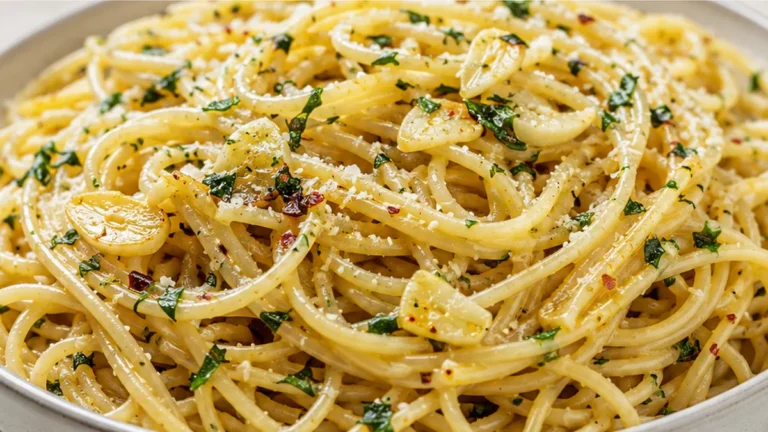
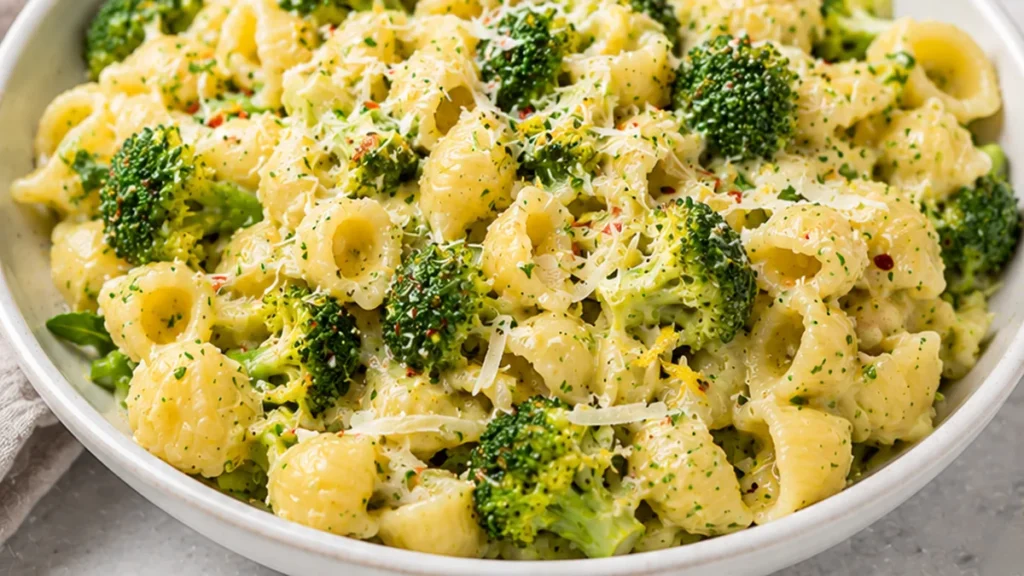
Broccoli pasta is a quick and delicious recipe perfect for those busy weeknights. In just under 30 minutes, you can enjoy a bowl of this cheesy goodness that combines fresh broccoli with flavorful pasta, making it a family favorite. This dish not only tastes amazing but is also colorful and appealing. The combination of cheese, lemon zest, and garlic creates a delightful flavor profile that will impress everyone at your table.
Key takeaways
- The key technique is cooking broccoli with pasta to infuse the water.
- Reserve pasta water to create a cohesive sauce.
- Add broccoli in the final minutes of pasta cooking for ideal texture.
- Adjust cheese and herbs for customized flavor.
Quick & Cheesy Broccoli Pasta
Ingredients
- 350 g dried short pasta (small shells)
- 2 broccoli heads
- 1 cup shredded cheese
- 2 tsp lemon zest
- 2 tbsp lemon juice
- 5 tbsp extra virgin olive oil
- 1/3 cup finely grated parmesan
- 2 garlic cloves, minced
- 1 tsp mixed dried herbs
- 1/2 tsp+ red pepper flakes
Instructions
- Cook pasta: Boil a large pot of water with 2 tsp salt, add pasta.
- While pasta is cooking, chop broccoli into small florets.
- Add broccoli into the water 1-2 minutes before the pasta is fully cooked.
- Place sauce ingredients in a jar with a lid.
- Reserve pasta water: Scoop out 1 cup of the pasta cooking water just before draining. Drain and return the pasta to the same pot on the turned-off stove.
- Add 1/2 cup of pasta water to the sauce jar, shake well.
- Pour sauce and add cheese into the pot with pasta.
Notes
The technique that makes it
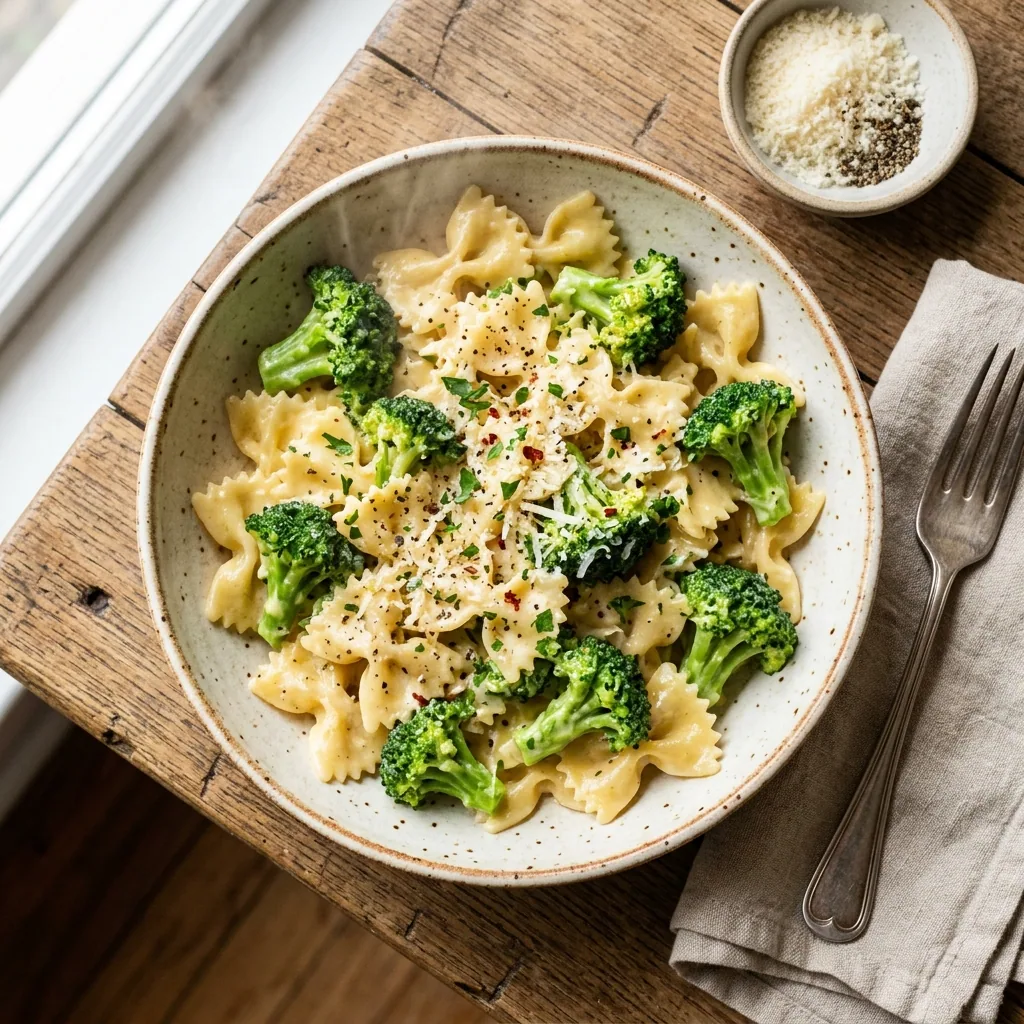
What makes this quick broccoli pasta work is how the broccoli is prepared and incorporated. Instead of simply boiling the broccoli separately, we leverage the pasta cooking water. By adding the broccoli florets to the boiling pasta water during the final few minutes of cooking, you achieve two key benefits. Firstly, the broccoli becomes tender-crisp, retaining a bright green color and a slight bite, preventing it from becoming mushy. Secondly, the broccoli releases some of its nutrients and flavor into the starchy pasta water. This infused water then becomes the base for your sauce. When you drain the pasta and broccoli, reserve some of this flavorful cooking liquid. This starchy, broccoli-infused water is crucial for emulsifying the olive oil, lemon juice, and cheese, creating a light, cohesive sauce that clings beautifully to the pasta and broccoli, rather than a greasy or watery mess. The minced garlic and red pepper flakes are sautéed briefly in olive oil at the beginning to bloom their flavors, which are then incorporated into the pasta mixture, adding aromatic depth and a gentle warmth.
Troubleshooting
- Problem: Sauce is too thin or watery. Fix: Ensure you’ve reserved enough of the starchy pasta cooking water. If it’s still too thin after adding the cheese and lemon juice, gently simmer the pasta mixture for another minute or two, stirring constantly, to help the starches thicken the sauce. You can also add a little more grated Parmesan cheese, as it helps to bind the sauce.
- Problem: Broccoli is overcooked and mushy. Fix: Add the broccoli florets to the pasta water only during the last 3-4 minutes of the pasta’s cooking time. This ensures it cooks through but remains tender-crisp. If you’ve already overcooked it, try to gently stir it in at the very end to minimize further breakdown.
- Problem: Pasta is clumpy or sticking together. Fix: Make sure to stir the pasta occasionally while it cooks. After draining, toss it immediately with the olive oil and lemon juice mixture. Using the reserved pasta water also helps to prevent sticking by coating the pasta.
- Problem: Not enough cheesy flavor. Fix: Use a good quality, flavorful shredded cheese. Ensure the cheese is added off the heat or on very low heat and stirred vigorously to melt smoothly into the warm pasta and reserved liquid. Adding a touch more Parmesan can also boost the cheesy taste.
Substitutions
- Pasta: While small shells are ideal for catching the sauce, any short pasta shape like penne, fusilli, or farfalle will work well. The key is a shape that can hold the sauce and small pieces.
- Broccoli: If fresh broccoli is unavailable, frozen broccoli florets can be used. Add them directly to the boiling pasta water during the last 4-5 minutes of cooking, or until tender. You may need slightly less cooking time than fresh.
- Cheese: A sharp cheddar, Gruyère, or a blend of Italian cheeses can replace the shredded cheese for a different flavor profile. For a dairy-free option, use a good quality dairy-free shredded cheese alternative.
- Herbs: Fresh herbs like parsley, basil, or chives can be used instead of dried herbs. Add them at the very end of cooking for the freshest flavor. A pinch of dried oregano or thyme can also substitute for mixed dried herbs.
Pro tips
- For a richer flavor, try adding parmesan cheese to the pasta while mixing.
- You can substitute the pasta with whole grain or gluten-free options if desired.
- Save some extra pasta water for more sauce if needed.
Try this broccoli pasta recipe and customize it with your favorite veggies or protein. It’s a wonderful dish that can easily become a staple in your meal rotation.
More from Easy Pasta Recipes →
Frequently asked questions
Can I use fresh broccoli florets instead of heads?
Yes, absolutely. You can use about 2 cups of fresh broccoli florets. Ensure they are bite-sized. Add them to the boiling pasta water during the last 3-4 minutes of the pasta’s cooking time to achieve a tender-crisp texture, similar to using the whole head.
What kind of cheese works best for this broccoli pasta?
A good melting cheese like a sharp cheddar, Monterey Jack, or a mozzarella blend works well for creaminess. For added flavor complexity, consider a mix that includes Parmesan or Gruyère. The key is a cheese that melts smoothly into the sauce.
How can I make this broccoli pasta recipe spicier?
To increase the heat, simply add more red pepper flakes. You can start with an additional 1/4 teaspoon and adjust to your preference. Sautéing the extra flakes with the garlic at the beginning will help distribute the heat more evenly throughout the dish.
Is it necessary to reserve the pasta water?
Yes, reserving the starchy pasta water is crucial. It acts as an emulsifier, helping to bind the olive oil, lemon juice, and cheese into a smooth, cohesive sauce that coats the pasta and broccoli beautifully, preventing a greasy or watery result.