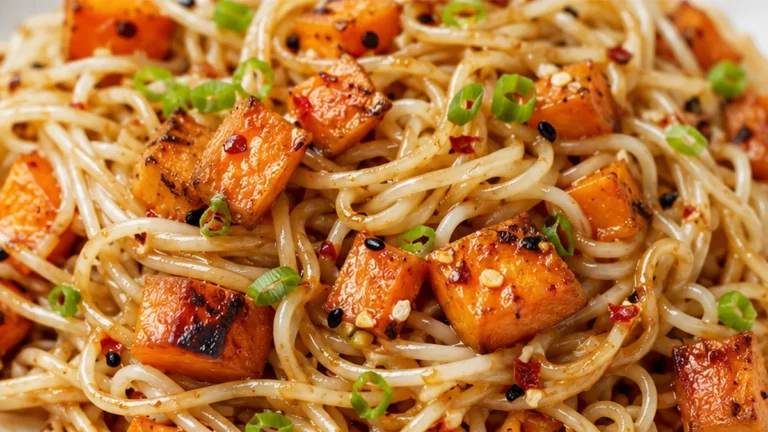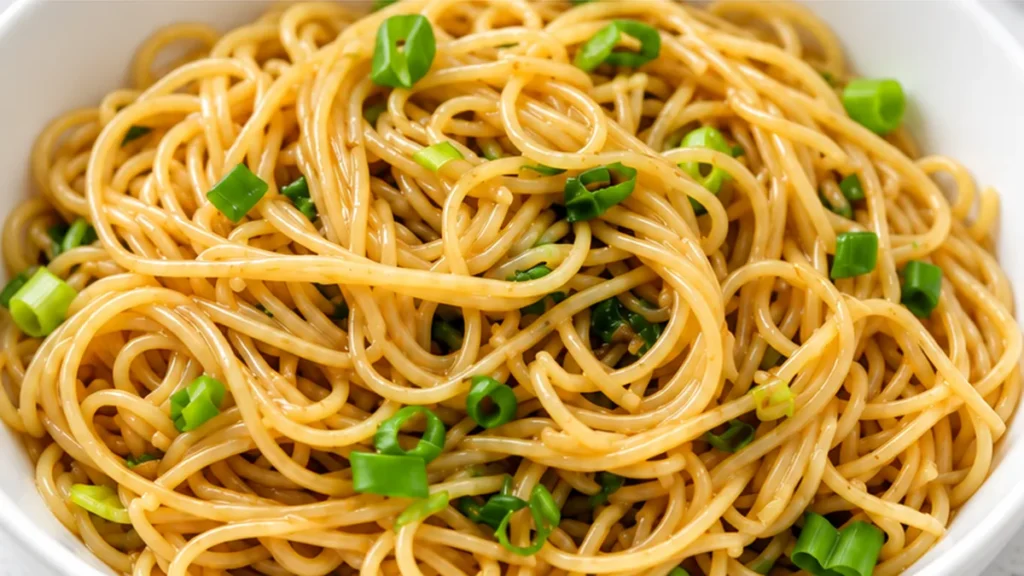
Garlic noodles with oyster sauce are a quick and satisfying dish. In just 15 minutes, you can prepare a flavorful meal that highlights the rich taste of garlic.
Key takeaways
- Sauté garlic briefly to avoid bitterness.
- Balance oyster sauce to enhance flavor without overpowering.
- Use al dente noodles for the best texture.
- Experiment with ingredient swaps for varied flavors.
Garlic Noodles: Your 15-Minute Flavor Bomb!
Ingredients
- 2 tbsp oyster sauce
- 2 tbsp brown sugar
- 2 tsp soy sauce
- 1 tsp toasted sesame oil
- 8 oz angel hair pasta
- 4 cloves garlic
- 1/2 bunch green onions
- 4 tbsp butter
Instructions
- Add the oyster sauce, brown sugar, soy sauce and sesame oil to a bowl and stir until combined.
- Bring a large pot of water to a boil and cook the noodles according to the package directions (boil for 7-10 minutes). Drain the cooked noodles in a colander, then set aside.
- While the pasta cooks, mince the garlic and slice the green onions. Melt the butter in a large skillet over medium-low heat. Once the butter is melted and bubbly, add the garlic and onions (save a few for garnish) and sauté until they are soft and fragrant (1-2 minutes).
- Remove the skillet from the heat. Add the drained pasta and oyster sauce mixture to the skillet, and stir well to coat the pasta. If your pasta is stiff or sticky making it hard to stir, sprinkle a small amount of hot water over the pasta to loosen it up. Garnish the pasta with any reserved sliced green onions, then serve.
Understanding the Role of Garlic and Oyster Sauce in Flavor Development
Garlic noodles with oyster sauce achieve their distinctive flavor profile through the combination of garlic’s pungency and the umami richness of oyster sauce. Garlic, when sautéed, undergoes the Maillard reaction, creating a complex flavor that enhances the overall dish. The oyster sauce, typically made from oyster extracts, sugar, and soy sauce, adds depth and a slight sweetness, balancing the savory notes. The ideal temperature for sautéing garlic is around 150°C (300°F) to prevent burning while maximizing flavor extraction.
Common Mistakes and How to Avoid Them
One common mistake when making garlic noodles is overcooking the garlic, which can lead to a bitter taste. To avoid this, sauté garlic for no more than 30 seconds before adding other ingredients. Another issue is using too much oyster sauce, which can overpower the dish. A good rule of thumb is to start with 15 ml (1 tablespoon) and adjust according to taste. Additionally, not adequately cooking the noodles can result in a chewy texture; ensure they are cooked al dente before combining them with the sauce.
Ingredient Swaps and Their Impacts
Swapping traditional wheat noodles for rice noodles can yield a gluten-free version of garlic noodles. While rice noodles have a different texture, they still absorb flavors well. Using soy sauce instead of oyster sauce will result in a vegetarian dish, but it may lack the same depth of flavor. Substituting fresh garlic with garlic powder can save time, but the fresh version provides a more vibrant taste. Each swap alters the dish’s final flavor and texture, so consider these trade-offs when customizing your recipe.
Unique Characteristics of Garlic Noodles
What sets garlic noodles apart from other noodle dishes is their simplicity and the balance of flavors achieved in a short cooking time. Unlike more complex Asian noodle dishes, garlic noodles focus primarily on the garlic and oyster sauce, allowing the noodles to shine. This recipe is also versatile, as it can be served as a side dish or a main course, and easily adapted with protein additions like shrimp or chicken.
Understanding the Impact of Ingredient Quality on Flavor
The quality of ingredients used in garlic noodles significantly affects the final flavor profile. Fresh garlic, for instance, provides a robust and pungent aroma, while older garlic may taste milder and less vibrant. Similarly, the type of oyster sauce can vary in saltiness and richness, influencing the overall dish. For optimal results, select high-quality oyster sauce with a balanced flavor and avoid those with excessive additives. Freshly cooked noodles are also crucial; they should be firm yet tender, as overcooked noodles can become mushy and absorb too much sauce, diluting the dish’s flavor.
Scaling the Recipe for Different Portions
Scaling garlic noodles for larger or smaller portions requires careful adjustments to ingredient ratios. When doubling the recipe, maintain the same ratio of garlic to oyster sauce to preserve the flavor balance. However, be cautious with salt, as increasing the oyster sauce might lead to an overly salty dish. For smaller batches, consider reducing the cooking time slightly to prevent overcooking the noodles. It’s also essential to use a larger pot for cooking larger batches to ensure even cooking and prevent clumping.
Equipment Variations and Their Effects
The type of cookware used can impact the cooking process and final texture of garlic noodles. A non-stick pan allows for easy tossing and prevents the noodles from sticking, making it ideal for quick stir-frying. Conversely, a stainless-steel pan can develop a more complex flavor through slight caramelization of the garlic, but requires more attention to prevent burning. Additionally, using a wok can enhance the dish’s authentic feel and allow for high-heat cooking, which is essential for achieving a slightly crispy noodle texture.
Make-Ahead Strategies for Garlic Noodles
Garlic noodles can be prepared in advance, making them a convenient option for meal prep. Cook the noodles and toss them with a bit of oil to prevent sticking. Store them in an airtight container in the refrigerator for up to three days. When ready to serve, quickly reheat in a pan with a splash of water or broth to revive their texture. For the sauce, it can be made ahead and stored separately, allowing for easy assembly when needed. However, it’s best to add fresh garlic just before serving to maintain its pungency and flavor.
Understanding the Ideal Noodle Texture and Cooking Time
The texture of garlic noodles is crucial for achieving the perfect dish. The ideal noodle should be al dente, which means they should be firm to the bite but cooked through. For most noodles, this typically requires about 6-8 minutes of boiling in salted water. It’s essential to taste a strand of noodle a minute or two before the package’s suggested cooking time ends to ensure you achieve the desired texture. If the noodles are overcooked, they will become mushy and lose their ability to hold onto the sauce effectively. A quick rinse under cold water after draining can also help stop the cooking process, preserving that al dente texture.
Choosing the Right Equipment for Perfect Garlic Noodles
The choice of equipment can significantly impact the outcome of your garlic noodles. A large pot is essential for boiling the noodles to allow for adequate space and movement, preventing them from sticking together. A non-stick skillet or wok is recommended for sautéing the garlic and combining the noodles with the oyster sauce. This type of cookware ensures that the noodles do not stick and allows for even distribution of flavors. If using a stainless-steel pan, be sure to add enough oil to prevent sticking, and consider using lower heat to avoid burning the garlic, which can impart an unpleasant bitterness to the dish.
Exploring Flavor Pairings for Garlic Noodles
Garlic noodles are versatile and can be paired with a variety of proteins and vegetables to create a balanced meal. Common pairings include grilled shrimp, chicken, or tofu. These proteins complement the umami richness of the oyster sauce while adding texture. For vegetables, consider adding sautéed bok choy, bell peppers, or snap peas, which not only enhance the nutritional value but also add color and crunch. Additionally, garnishing with fresh herbs like cilantro or green onions can elevate the dish’s flavor profile, providing a fresh contrast to the savory noodles. Experimenting with different pairings can lead to a personalized version of garlic noodles that suits your taste.
Understanding the Impact of Cooking Technique on Garlic Noodles
The method of cooking garlic noodles significantly affects their texture and flavor. Using high heat for a brief period allows the garlic to caramelize without burning, creating a rich, deep flavor. Ideally, the noodles should be stir-fried at temperatures above 200°C (392°F) for optimal results. This high heat helps in achieving a slight char on the noodles, enhancing the overall taste. Additionally, using a wok can be advantageous due to its shape, which allows for better heat distribution. When using a frying pan, ensure it is well-preheated to prevent the noodles from sticking. Stir continuously to avoid uneven cooking, which can lead to clumping or burnt garlic.
Choosing the Right Noodles for Garlic Noodles
The type of noodles used in garlic noodles can greatly influence the dish. Traditional recipes often call for egg noodles, which provide a rich flavor and firm texture. However, if you opt for rice noodles or even whole wheat noodles, the outcome will differ. For instance, rice noodles absorb flavors differently and may require less cooking time, leading to a softer texture. In contrast, whole wheat noodles offer a nuttier flavor and more fiber, making the dish healthier but potentially altering the expected taste. Therefore, understanding the characteristics of your chosen noodles is crucial for achieving the desired flavor and texture in your garlic noodles.
How to Properly Store Garlic Noodles for Maximum Freshness
When it comes to storing garlic noodles, the key is to minimize moisture exposure to preserve their texture and flavor. After cooking, allow the noodles to cool to room temperature before transferring them to an airtight container. This helps prevent condensation, which can lead to sogginess. Properly stored, garlic noodles can last in the refrigerator for up to three days. For longer storage, consider freezing them. To freeze, spread the noodles in a single layer on a baking sheet and freeze until solid. Then, transfer to a freezer-safe bag or container. This method prevents clumping and allows for easy portioning later. When ready to eat, thaw the noodles in the refrigerator overnight and reheat in a pan with a splash of water or broth to restore moisture and flavor.
Understanding the Impact of Different Cooking Equipment on Garlic Noodles
The choice of cooking equipment can significantly influence the final texture and flavor of garlic noodles. A non-stick skillet is often preferred as it allows for easy tossing without the risk of sticking, ensuring that the noodles are evenly coated with sauce. If using a stainless-steel pan, be mindful of heat control; a well-heated pan can achieve a desirable sear on the garlic, enhancing its flavor, but too high a heat can lead to burning. Additionally, using a wok can provide superior heat distribution and allow for quick stir-frying, which is ideal for achieving a slightly charred flavor. Experimenting with different equipment can lead to variations in taste and texture, making it worthwhile to consider your options based on the result you desire.
Pro tips
Pro tip: Best served immediately while hot!
Frequently asked questions
Can I use a different type of sauce instead of oyster sauce?
Yes, you can substitute oyster sauce with soy sauce for a vegetarian option. However, the dish will lose some of its umami depth, so consider adding a bit of sugar to mimic the sweetness of oyster sauce.
How can I make garlic noodles spicier?
To add heat to garlic noodles, incorporate red pepper flakes or sliced fresh chilies during the sautéing process. Adjust the quantity according to your spice preference for a personalized kick.
What type of noodles work best for this recipe?
While egg noodles are commonly used, you can also use rice noodles or even whole wheat noodles. Each type will provide a different texture, but they will all absorb the flavors well.
Can I prepare garlic noodles in advance?
Garlic noodles are best enjoyed fresh, but you can prepare the sauce in advance and store it in the refrigerator. Cook the noodles just before serving to maintain their texture and flavor.
More from Easy Pasta Recipes →