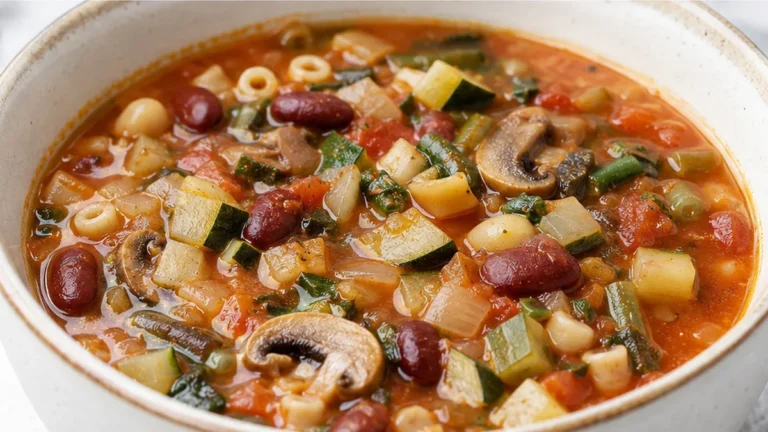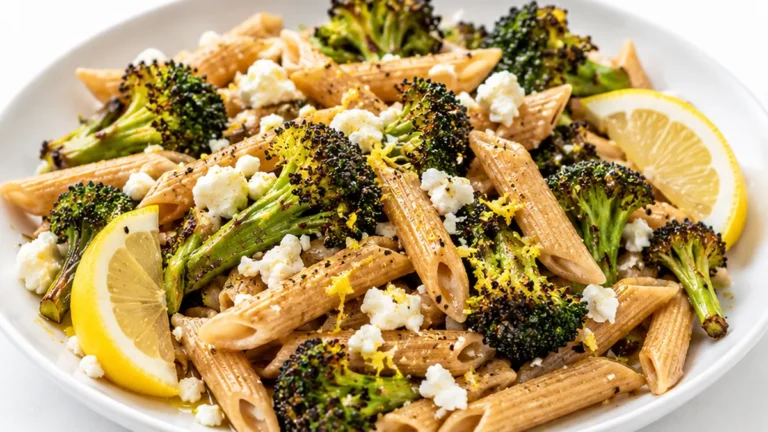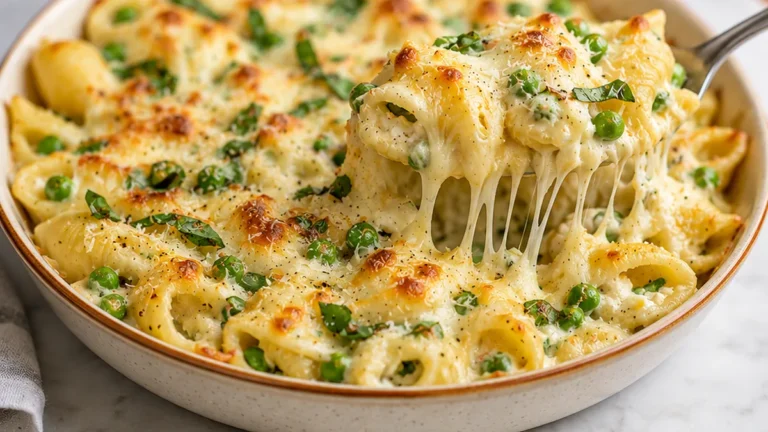
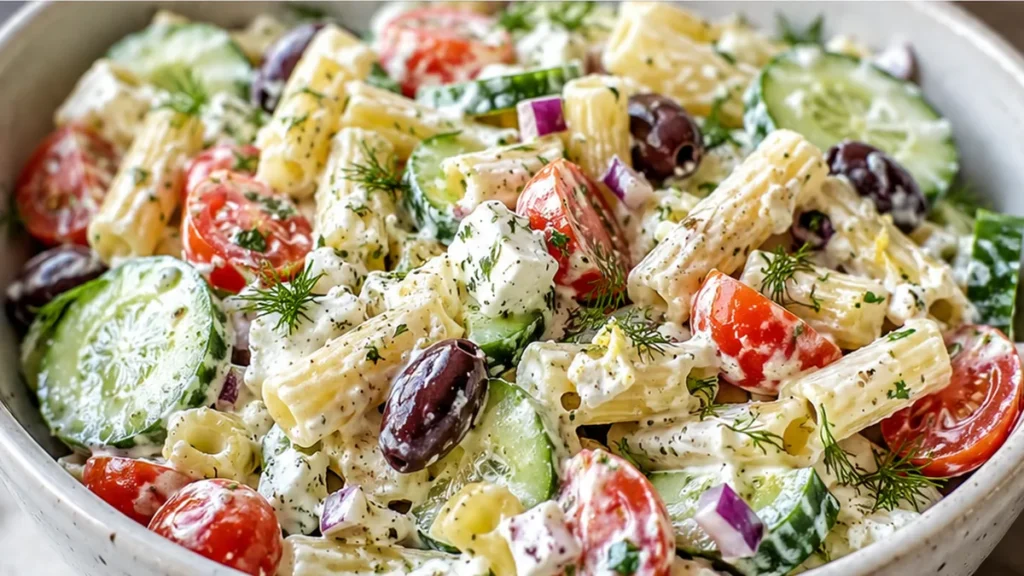
This Greek pasta salad is a sunshine-filled dish that brings the bright, fresh flavor of the Mediterranean right to your table. Forget boring, heavy pasta salads; this version is bright, fresh, and packed with colorful vegetables. It’s incredibly simple to prepare, making it an ideal choice for busy weeknights or impressive potluck contributions. The tangy lemon-dill dressing ties everything together for a truly refreshing experience. Get ready to impress with this delightful Greek pasta salad. The key to a great Greek pasta salad lies in the balance of flavors and textures. Using a creamy Greek yogurt base for the dressing, instead of just mayonnaise, provides a lighter, tangier profile. Combining fresh herbs like dill with zesty lemon and aromatic oregano creates a dressing that complements the crisp vegetables and tender pasta perfectly. This Greek pasta salad is more than just a side dish; it’s a complete, satisfying meal.
Key takeaways
- Cook regular pasta 1 to 2 minutes past al dente so it stays tender after chilling firms it through starch retrogradation; do the opposite for gluten-free pasta and stop just shy of al dente
- Use full-fat Greek yogurt for the creamiest, most stable dressing, and stream the lemon juice in gradually rather than dumping it, so the mixture stays smooth and sheds less whey
- Let the drained pasta cool to just warm before tossing with the dressing, and reserve about a third of the dressing to refresh the salad right before serving
- Make the dressing an hour ahead so the minced garlic and dried oregano bloom in the acid, and salt the pasta water heavily since cold food tastes blander than hot
Greek Veggie Pasta Salad: A Taste of Summer!
Ingredients
- 1 cup plain Greek yogurt (full-fat, 2% or non-fat)
- 2 tablespoons olive oil or avocado oil
- Juice of 1 lemon (about ¼ cup)
- ½ teaspoon lemon zest
- 1 ½ teaspoon dried oregano (may sub basil or dill)
- 2 garlic cloves, minced (or 1 teaspoon garlic powder)
- ½ teaspoon sea salt
- ¼ teaspoon black pepper
- 12 oz uncooked pasta, any shape (gluten-free, if needed)
- 2 tablespoon fresh dill, chopped (or 2 teaspoon dried dill)
Instructions
- Cook pasta according to package directions. Drain in a colander and rinse under cold water to cool.
- While pasta cooks, chop your veggies. In a medium bowl, whisk together Greek yogurt, olive oil, lemon juice, lemon zest, dried oregano, garlic powder, sea salt, and black pepper.
- In a large bowl, combine the cooled pasta with all the chopped veggies and fresh dill. Pour the dressing over the salad and toss gently until everything is well combined. Serve chilled or at room temperature.
Video
Notes
Why lemon juice won’t curdle this Greek yogurt dressing (but too much will thin it)
Greek yogurt handles the juice of a whole lemon here without splitting because both ingredients are already acidic, so the citrus can’t shock the casein proteins into clumping the way it would in fresh milk or cream. Greek yogurt is strained plain yogurt with most of its whey removed, which concentrates the protein and fat and gives it the body to absorb roughly a quarter cup of lemon juice and stay smooth. The trade-off is dilution: every extra tablespoon of juice thins the mixture and, over two or three days in the fridge, speeds up whey separation. Whisk the full-fat, 2%, or non-fat yogurt with the 2 tablespoons oil first, then stream the lemon in gradually.
Food writers at Food52 point out that fat physically shields yogurt’s proteins, which is why full-fat versions stay creamiest. If you use non-fat, expect a looser, tangier dressing that weeps faster. A little separation after chilling is normal; a hard whisk before serving brings it back together.
Keep the dressing off scalding-hot pasta
This salad is served cold, so heat curdling is rarely the villain. But if you toss the dressing onto pasta straight out of the pot at around 100 degrees C (212 degrees F), the proteins can seize into grainy specks. Let the drained pasta cool to just warm, roughly 50 to 60 degrees C, before it meets the yogurt.
Cook the 12 oz of pasta past al dente, because cold noodles firm up on you
Boil the 12 oz of pasta one to two minutes beyond the package’s al dente time, salting the water until it tastes like the sea. This runs against everything you know about serving pasta hot, and there is a reason. Dry pasta is about 63 percent starch; cooking drops that to roughly 26 percent as the granules gelatinize and swell with water. Once the noodles chill, a process called starch retrogradation kicks in: those swollen starch molecules restructure, squeeze out absorbed water, and the pasta stiffens noticeably. A noodle that is perfectly al dente warm will taste tough and chalky after four hours in the fridge. Cooking slightly softer builds in a buffer, so the finished salad lands right after chilling. Season the water generously too, since cold food reads blander than hot and this is your first and best chance to salt from the inside.
Gluten-free pasta plays by an opposite rule
If you use gluten-free pasta, do not push past al dente. Rice and corn blends turn to mush fast without wheat gluten holding their structure. Cook them a minute short of the package time, rinse under cold water to halt cooking, and drain thoroughly before dressing.
Four things that ruin this salad, and the fix for each
Most Greek pasta salad failures trace back to four specific mistakes, and each has a clean fix once you know the cause. The problems below all stem from how yogurt, starch, and salt behave once the dish sits and chills, rather than from the recipe itself. Read the cause, not just the cure, because the same misstep shows up in different disguises.
- Watery pool at the bottom of the bowl: the yogurt is shedding whey, worsened by non-fat yogurt or too much lemon. Fix it by draining the pasta well, cooling it before dressing, and reserving a third of the dressing to add just before serving.
- Dry, stiff, gluey noodles the next day: retrogradation plus under-seasoning. Fix it by undercooking less aggressively, tossing warm pasta with the oil first, and stirring in a splash of reserved dressing or a teaspoon of lemon to loosen it.
- Grainy, curdled-looking dressing: the yogurt hit pasta that was still too hot, or you dumped the lemon in all at once. Fix it by cooling the pasta and streaming the acid in slowly while whisking.
- Flat, muddy flavor: the 1 1/2 teaspoons dried oregano and 2 garlic cloves need time. Fix it by making the dressing an hour ahead so the garlic and oregano bloom in the acid before dressing the noodles.
Swapping the yogurt, oil, oregano, and dill, and what each swap costs you
Every substitution in this recipe changes the result in a predictable direction, so choose based on the texture and tang you want. The dressing is built on full-fat Greek yogurt for a reason, but the recipe already invites flexibility on the herbs and oil, and the swaps below hold up.
- Full-fat to 2% or non-fat yogurt: lighter and tangier, but thinner and quicker to weep. Expect to whisk before serving and eat within two days rather than four.
- Olive oil to avocado oil: a cleaner, more neutral background that lets the lemon and 1/2 teaspoon lemon zest shine; you lose the grassy, peppery notes olive oil brings to a Greek profile.
- Dried oregano to basil or dill: basil pushes the salad sweeter and more Italian; dill leans brighter and more Mediterranean. Both are milder than oregano, so start at the same 1 1/2 teaspoons and taste.
- Fresh dill to 2 teaspoons dried dill: convenient and shelf-stable, but you trade the cool, feathery pop of the 2 tablespoons fresh for a flatter, more concentrated flavor. Add dried dill to the dressing early so it rehydrates.
The trait that sets this salad apart from a mayo one
Unlike a classic mayonnaise-bound pasta salad, this one gains protein and probiotics from the yogurt base while staying food-safe longer at a picnic, since there is no raw egg emulsion to worry about. The tang also means it needs no added vinegar. Still respect the two-hour limit for any dish sitting out at room temperature. For more Mediterranean ideas, see this classic Greek salad with feta and olives, and the strained-yogurt method behind tzatziki uses the same protein-and-acid logic. The food science team at Serious Eats also has a useful primer on why cold food needs extra salt.
How this Greek pasta salad shifts overnight and the two-minute revival that fixes it
Cold pasta and Greek yogurt behave differently after eight hours in the fridge than they do fresh off the counter. Starch in the cooked noodles keeps absorbing liquid overnight through retrogradation, so a dressing that looked glossy at dinner turns pasty by breakfast. The yogurt also firms as its proteins tighten in the cold. Store the salad in an airtight container for up to 4 days at or below 4 C (40 F), and expect the noodles to drink about a quarter of the dressing.
The revival is simple. Reserve two or three tablespoons of the yogurt-lemon dressing in a small jar rather than tossing everything at once, then fold it in cold the next day. No spare dressing? A teaspoon of lemon juice plus a splash of olive oil loosens the same way. Take the bowl out 15 to 20 minutes before serving so the fat un-stiffens; ice-cold oil coats poorly and mutes the oregano.
Do not freeze this one. Frozen Greek yogurt weeps on thaw and the pasta turns spongy, a texture no amount of stirring undoes. If you want a genuine bright-lemon finish for guests, hold the ½ teaspoon of lemon zest and the fresh dill back and scatter both on at the table; volatile oils in citrus zest and cut dill fade within a day, which is why a two-day-old batch tastes flatter even when the base is fine.
Doubling the batch, choosing the bowl, and the pot size that keeps 12 oz cooking evenly
Scaling this salad is not perfectly linear, and the dressing is where people overshoot. When you double to 24 oz of pasta, hold the lemon at about 1.75 lemons rather than a flat two, because acid concentrates as it coats more surface and a straight double reads sharp. Salt scales honestly: keep the ½ teaspoon per 12 oz ratio. Garlic is the other lever; 4 raw minced cloves in a double batch can dominate, so tilt toward 3 cloves or lean on the 1 teaspoon garlic powder equivalent.
Pot size matters more than cooks expect. Twelve ounces of dry pasta needs roughly 3 to 4 quarts of water at a rolling boil; crowd it in a small pan and the temperature crashes when the pasta goes in, giving you gummy, unevenly cooked shapes that grab dressing badly. For a double batch, split across two pots or use a wide 8-quart stockpot.
Mixing bowl: go one size up from what looks right. Yogurt dressing needs room to fold without smearing the noodles.
Microplane vs box grater: a microplane pulls the ½ teaspoon zest without the bitter white pith a box grater drags in.
Whisk vs fork: a small whisk emulsifies the 2 tablespoons oil into the yogurt faster than a fork and keeps the dressing from breaking.
Rinse the drained pasta under cold water when you scale up; a bigger, hotter mass keeps cooking in the colander and softens past the point where it holds a salad’s shape.
Pro tips
- For best flavor, let the salad sit for at least 30 minutes before serving to allow the flavors to meld.
- Feel free to add other veggies like chopped cucumber, bell peppers (any color), or cherry tomatoes.
- If you don’t have fresh dill, you can use 2 teaspoons of dried dill, but fresh adds a brighter flavor.
- Use a shape of pasta that holds dressing well, like rotini, fusilli, or farfalle.
Enjoy this refreshing Greek pasta salad as a light lunch, a bright side dish, or a healthy potluck star. Experiment with your favorite veggies to make it your own!
Frequently asked questions
Can I make this Greek pasta salad the night before?
Yes, and it improves overnight as the oregano and garlic infuse the dressing. Undercook the pasta slightly to offset the firming that happens in the fridge, and hold back a third of the dressing. Before serving, whisk the reserved dressing into the salad to loosen it and revive the creaminess that chilling dulls.
Why did my yogurt dressing turn watery in the fridge?
That liquid is whey separating out, which is normal for strained yogurt and happens faster with non-fat yogurt or extra lemon juice. Draining the pasta thoroughly and cooling it before dressing reduces it. Simply stir the salad hard before serving to reincorporate the whey, and it will look creamy again.
Do I have to rinse the pasta for this salad?
For regular wheat pasta, a quick rinse cools it and stops the cooking, but leave a little starch behind so the dressing clings instead of sliding off. For gluten-free pasta, rinse it fully under cold water to halt cooking, since those noodles turn mushy quickly and hold no gluten structure to keep their bite.
What vegetables work best mixed into this dressing?
Firm, low-moisture additions hold up best against the creamy yogurt base: cucumber, cherry tomatoes, bell pepper, red onion, and Kalamata olives are classic Greek choices. Salt watery vegetables like cucumber and tomato lightly and let them drain first, so they do not thin the dressing. Crumbled feta and fresh dill tie the whole bowl together.
More from Baked Pasta Recipes →