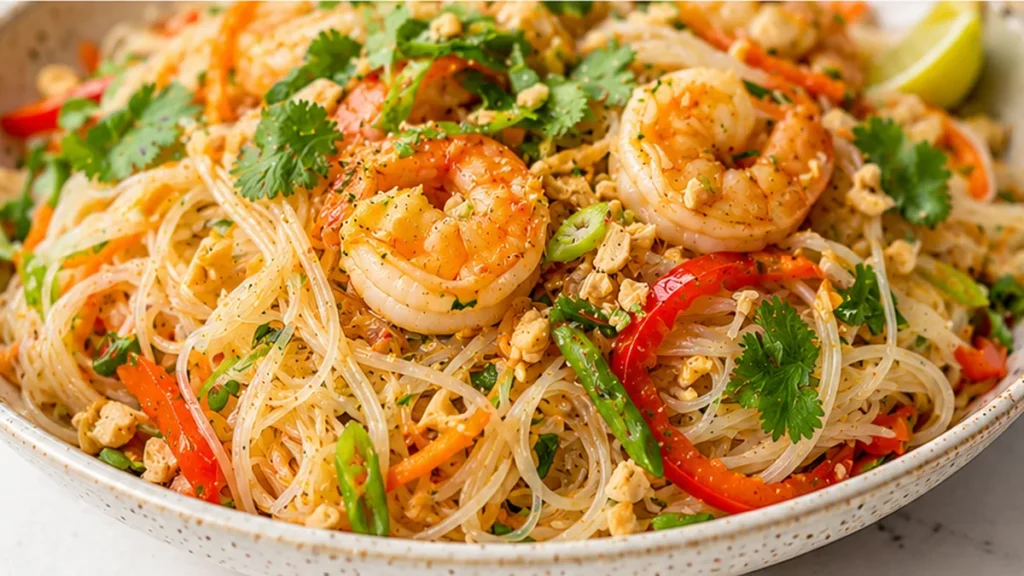
This lemongrass salad is a fresh and refreshing dish that brings a taste of Southeast Asia right to your kitchen. It’s perfect for a quick weeknight meal or a light lunch, offering a delightful balance of savory, sweet, sour, and spicy flavors. Our lemongrass salad recipe focuses on fresh ingredients and simple preparation, making it accessible for cooks of all levels. The key is the zesty lemongrass-based dressing that ties all the components together.
Key takeaways
- Properly preparing lemongrass is key to its flavor.
- Emulsify the dressing ingredients for a cohesive sauce.
- Balance the sweet, sour, and salty elements of the dressing.
- Don't overcook the rice noodles; rinse them well.
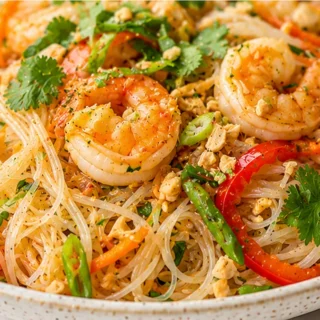
Zesty Lemongrass Noodles: Your New Favorite Meal!
Ingredients
- 1-2 tablespoons lemongrass paste, or 2 tablespoons freshly grated lemongrass (white parts only)
- 2 cloves garlic
- 1/4 cup fish sauce
- 1/4 cup + 2 tablespoons vegetable oil
- 1/4 cup lime juice (3-4 limes)
- 2 tablespoons rice vinegar
- 2-3 tablespoons brown sugar
- 1 tablespoon roasted red chile paste
- 1 package vermicelli or thin rice noodles (about 8 ounces)
- 2 large carrots, shredded or julienne cut
Instructions
- Make the sauce by blending in a food processor or shaking together in a jar with lemongrass paste, garlic, fish sauce, vegetable oil, lime juice, rice vinegar, brown sugar, and chile paste until well combined.
- Cook vermicelli noodles according to package directions, typically for 3-5 minutes.
- Rinse cooked noodles well with cold water for 1-2 minutes to cool and remove starchiness. Drain well.
- Toss noodles with about half of the prepared sauce until evenly coated.
- For pretty serving: Plate individual servings of noodles in a bowl and top with shredded carrots. Spoon extra sauce over the top.
- For meal prep: Toss noodles with carrots (optional: add protein like cooked chicken or tofu). Store in the fridge for up to 3 days. Serve with fresh herbs and extra sauce when ready to eat.
Notes
The technique that makes it
The bright, fresh flavor of this Zesty Lemongrass Noodles dish hinges on two key techniques: proper lemongrass preparation and the creation of a balanced dressing. Lemongrass, while aromatic, can be tough and fibrous if not handled correctly. For the best results, use the tender white and pale green lower parts of the stalk. Finely mince or grate it to release its essential oils. If using pre-made lemongrass paste, ensure it’s fresh and potent, as flavor intensity can vary. The second crucial element is the dressing. The magic happens when the acidity of lime juice and rice vinegar, the savory depth of fish sauce, the sweetness of brown sugar, and the subtle heat from chile paste are emulsified with vegetable oil. This emulsification, achieved by whisking vigorously, creates a cohesive sauce that coats the noodles beautifully, rather than a separated oil and liquid mixture. The heat from the noodles, when tossed with the dressing, slightly wilts the shredded carrots and allows the flavors to meld, creating a harmonious and complex taste profile. This process transforms simple ingredients into a truly memorable meal.
Troubleshooting
- Problem: Lemongrass is too fibrous and tough.
Fix: Ensure you are only using the tender white and pale green lower parts of the stalk. Discard the tough outer layers and the woody upper portion. Mince or grate it as finely as possible. If using fresh lemongrass, a food processor can help achieve a finer texture. - Problem: Dressing is too salty or too sour.
Fix: Taste and adjust the seasoning before tossing with noodles. If too salty, add a touch more brown sugar and lime juice. If too sour, balance with more brown sugar or a little more fish sauce. The goal is a harmonious sweet, sour, and salty balance. - Problem: Noodles are clumpy or mushy.
Fix: Cook rice noodles according to package directions, being careful not to overcook. Rinse cooked noodles immediately under cold water to stop the cooking process and prevent sticking. Toss them gently with a small amount of neutral oil before adding the dressing if preparing ahead. - Problem: Flavors are flat or one-dimensional.
Fix: Ensure your lemongrass is fresh and potent. Re-evaluate the balance of your dressing; a good starting point is equal parts fish sauce and lime juice, adjusted with sugar and vinegar. The chile paste adds a crucial layer of complexity; don’t omit it.
Substitutions
- Lemongrass: If fresh or paste lemongrass is unavailable, you can substitute with 1-2 teaspoons of finely grated ginger and 1 teaspoon of lime zest. This will provide aromatic notes, though the distinct flavor of lemongrass will be altered. The result will be a ginger-lime noodle dish.
- Fish Sauce: For a vegetarian or vegan version, substitute with a good quality soy sauce or tamari. You may need to adjust the amount slightly, as soy sauce can be saltier. Consider adding a pinch of MSG for a more authentic umami depth if desired. The result will be a soy-based noodle dish.
- Lime Juice: Lemon juice can be used as a substitute for lime juice. While similar in acidity, lemon has a different flavor profile. Use fresh lemon juice for the best taste. The result will be a lemon-based noodle dish.
- Roasted Red Chile Paste: Sriracha or another chili garlic sauce can be used. Adjust the amount based on your spice preference and the heat level of the substitute. The result will be a spicier or milder noodle dish depending on the chili sauce used.
Pro tips
- Use fresh lemongrass for the most authentic flavor. Grate or finely mince the white part only.
- Adjust the chile paste to your desired level of heat.
- For a more substantial meal, add grilled chicken, shrimp, or tofu.
Enjoy this versatile lemongrass salad as a refreshing main course or a flavorful side dish. Experiment with your favorite protein and fresh herbs!
More from Easy Pasta Recipes →
Frequently asked questions
Can I substitute lemongrass in the noodles recipe?
Yes, you can substitute lemongrass. If fresh lemongrass is unavailable, use 1 tablespoon of dried lemongrass or 1 teaspoon of lemongrass paste per stalk. Alternatively, a little lime zest can provide a similar citrusy aroma, though it won’t have the exact same flavor profile.
How to store leftover Zesty Lemongrass Noodles?
Store leftover noodles in an airtight container in the refrigerator for up to 3 days. For best results, separate the noodles from any sauce if possible. Reheat gently on the stovetop with a splash of water or broth to prevent them from drying out.
What can I serve with Zesty Lemongrass Noodles?
These noodles pair wonderfully with grilled or stir-fried protein like chicken, shrimp, or tofu. A side of steamed or blanched green vegetables, such as bok choy or broccoli, complements the flavors. For a lighter option, serve with a fresh cucumber salad.
How do I know when the noodles are cooked perfectly?
Cook the noodles according to package directions, usually 3-5 minutes for fresh or dried. They should be al dente, meaning tender but still firm to the bite. Taste a strand to check for doneness. Overcooked noodles will be mushy.