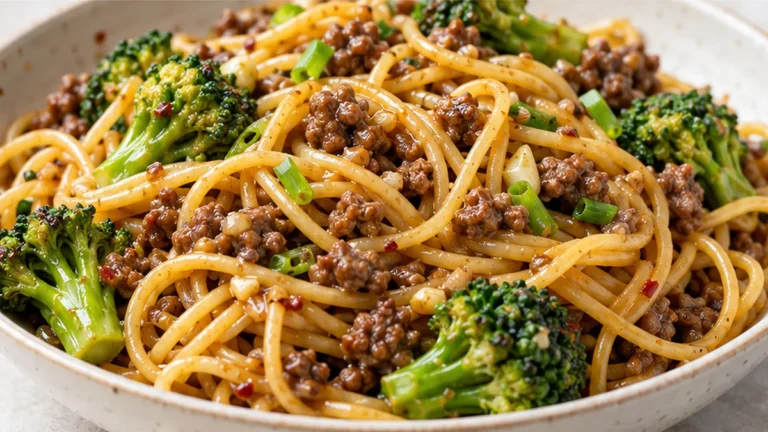
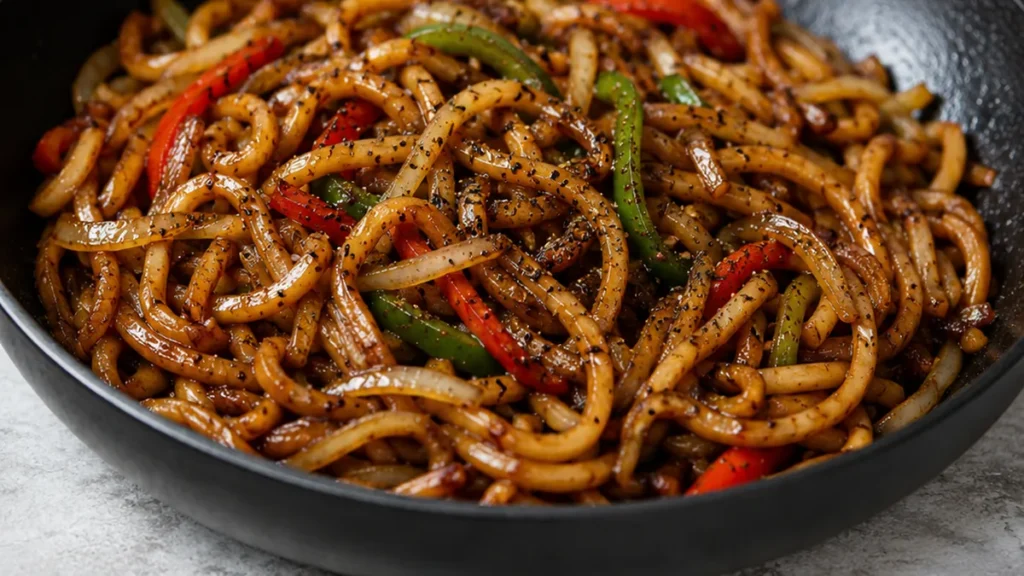
The secret to exceptional black pepper udon lies in the balance of a savory, sweet, and fiery sauce, paired with perfectly chewy noodles. This recipe focuses on maximizing flavor with minimal fuss, making it an ideal choice for a quick yet incredibly satisfying meal. Fresh garlic and black pepper added at the very end do more than you might expect, taking the dish from good to memorable. This black pepper udon recipe is designed for speed and taste, showcasing how simple ingredients can create profound flavors. It’s a fantastic option for anyone looking to whip up an authentic-tasting Asian-inspired meal without spending hours in the kitchen, proving that delicious doesn’t have to mean complicated.
Key takeaways
- Achieve a glossy, evenly coated noodle by thoroughly whisking sauce ingredients before cooking.
- Use very high heat to sear ingredients, preventing noodles from becoming mushy and vegetables from becoming soggy.
- Add freshly ground black pepper near the end of cooking to maximize its pungent flavor and aroma.
- Don’t overcrowd the pan; cook in batches if necessary to maintain high cooking temperatures.
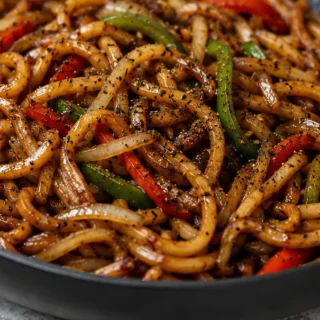
Udon Stir Fry: Spicy Black Pepper Noodles
Ingredients
- 3 tablespoons dark soy sauce
- 2 tablespoons oyster sauce
- 1 1/2 tablespoons brown sugar
- 1 tablespoon rice vinegar
- a little bit of neutral oil
- 2 cups stir fry veggies (I use about half of a bag of a frozen stir fry veggie blend)
- two 7-ounce packages of udon noodles (the cooked, fat, squishy ones, like this – see post for more noodle options)
- 1-2 cloves fresh garlic, minced
- a ton of freshly ground black pepper
Instructions
- Combine 3 tablespoons dark soy sauce, 2 tablespoons oyster sauce, 1 1/2 tablespoons brown sugar, and 1 tablespoon rice vinegar in a jar and shake well.
- Heat a nonstick skillet over medium-high heat. Add a swish of neutral oil. Add the udon noodles and enough sauce to coat. Stir-fry for 3-5 minutes until caramelized.
- Add the stir fry veggies and pour a little more sauce over everything. Toss for 2-3 minutes until the veggies are fork-tender and everything is browned and sticky.
- Remove from heat and stir in 1-2 cloves of freshly minced garlic and a generous amount of freshly ground black pepper for a spicy kick.
Video
Notes
The Technique: Mastering the Black Pepper Udon
The success of this black pepper udon hinges on two key techniques: proper sauce emulsification and high-heat wok cooking. First, the sauce ingredients – dark soy sauce, oyster sauce, brown sugar, and rice vinegar – need to be whisked together thoroughly before hitting the heat. This creates a homogenous mixture that will coat the noodles evenly without clumping. The sugar dissolves, and the vinegar helps to balance the saltiness of the soy and oyster sauces. When this mixture hits the hot pan, the sugar will caramelize slightly, adding depth of flavor.
Second, the high heat is crucial for achieving that signature stir-fry char and preventing the noodles from becoming gummy. Udon noodles, especially the pre-cooked, vacuum-sealed variety, contain a significant amount of moisture and starch. When added to a moderately hot pan, they will steam rather than sear, leading to a mushy texture. Using a wok or a large, heavy-bottomed skillet over high heat ensures that the ingredients cook quickly, allowing the vegetables to remain crisp-tender and the noodles to develop a slightly chewy texture with hints of caramelization from the sauce. The freshly ground black pepper is added towards the end to preserve its pungent aroma and flavor, which can be diminished by prolonged cooking.
Troubleshooting
- Problem: Noodles are mushy and clumped together.
Fix: Ensure your pan is smoking hot before adding the noodles and vegetables. Cook in batches if necessary to avoid overcrowding the pan, which lowers the temperature and causes steaming instead of searing. - Problem: Sauce is too thin and watery.
Fix: Whisk the sauce ingredients together thoroughly before adding them to the hot pan. Cook the sauce for an extra minute after adding it to the noodles, stirring constantly, to allow it to reduce and thicken slightly. - Problem: Black pepper flavor is weak or burnt.
Fix: Use freshly cracked black pepper for the most potent flavor. Add it during the last minute of cooking to preserve its volatile oils and aromatic qualities. Avoid adding it too early, as it can burn. - Problem: Vegetables are soggy.
Fix: Stir-fry the vegetables separately over high heat for a minute or two before adding the noodles and sauce, or ensure your pan is sufficiently hot and don’t overcrowd it when cooking everything together.
Substitutions
- Noodles: If fresh udon is unavailable, you can substitute with dried udon noodles (cook according to package directions until al dente) or even spaghetti or linguine for a different texture. The result will be less chewy but still delicious.
- Soy Sauce: Tamari can be used as a gluten-free alternative to dark soy sauce. The flavor profile will be slightly different, perhaps a bit less intensely savory.
- Oyster Sauce: Vegetarian oyster sauce or hoisin sauce can be used. Vegetarian oyster sauce will provide a similar umami depth, while hoisin sauce will add a touch more sweetness.
- Vegetables: Feel free to use any combination of fresh vegetables you have on hand, such as broccoli florets, bell peppers, snap peas, or mushrooms. Adjust cooking times based on the density of the vegetables.
Pro tips
- Don’t overcrowd the pan: Cook noodles and veggies in batches if your skillet isn’t large enough to ensure proper caramelization and even cooking.
- Customize your spice: Adjust the amount of freshly ground black pepper to your preference. For an extra kick, add a pinch of red pepper flakes with the sauce.
- Veggie variations: Feel free to add other quick-cooking vegetables like sliced mushrooms, baby corn, or snap peas. Ensure they are cut to similar sizes for even cooking.
This Black Pepper Udon Stir Fry is a testament to how simple techniques and fresh ingredients can deliver a truly memorable meal. Experiment with your favorite stir-fry vegetables or a different protein like chicken or shrimp to make it your own. Enjoy this quick, flavorful, and incredibly satisfying dish!
Frequently asked questions
What kind of udon noodles work best?
The recipe specifically calls for the pre-cooked, vacuum-sealed udon noodles, often found in the refrigerated section. These are thick, soft, and chewy, ideal for stir-frying. Other types can work, but may require different cooking adjustments.
Can I make this dish vegetarian or vegan?
Yes, you can easily make this vegetarian or vegan. Omit the oyster sauce or use a vegetarian oyster sauce. Ensure your soy sauce is vegan if needed. The rest of the ingredients are typically plant-based.
How can I adjust the spice level?
The primary spice comes from the freshly ground black pepper. For more heat, you can add a pinch of red pepper flakes along with the black pepper, or a dash of sriracha stirred into the sauce mixture before cooking.
My sauce turned out too thick, what did I do wrong?
This can happen if the sauce cooked too long before the noodles were added, or if the sugar content caramelized too quickly. Ensure all sauce ingredients are well-mixed before adding to the hot pan, and stir constantly as it coats the noodles.
More from Easy Pasta Recipes →