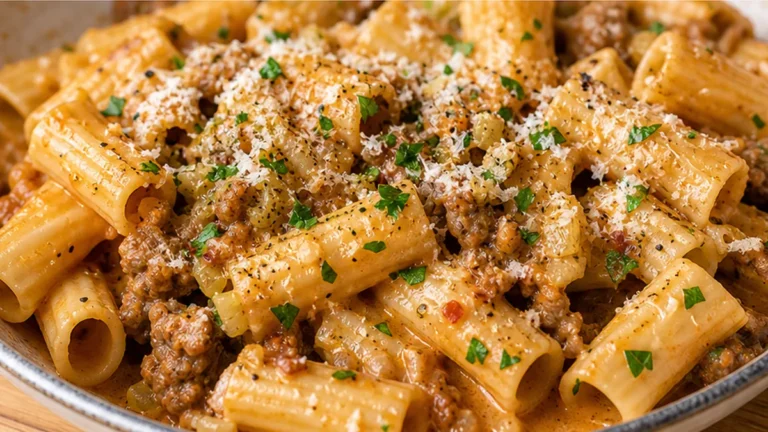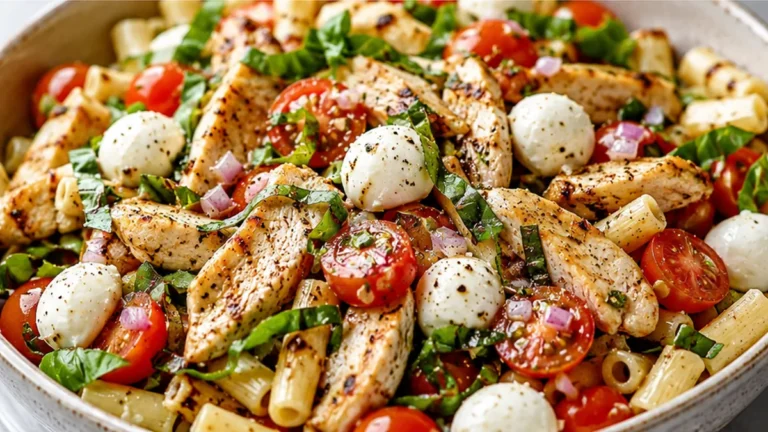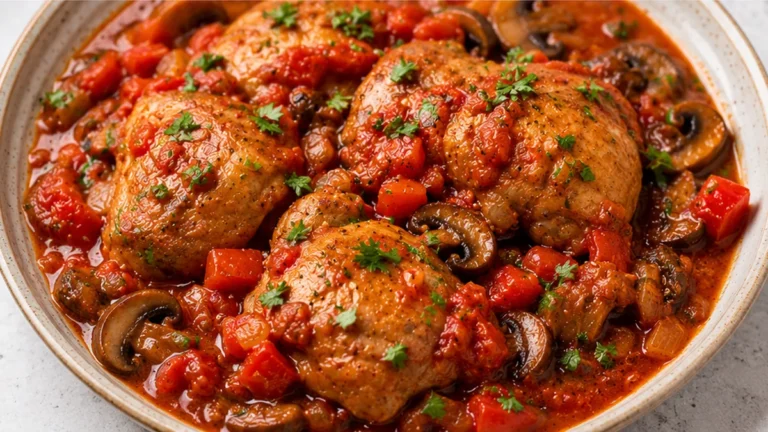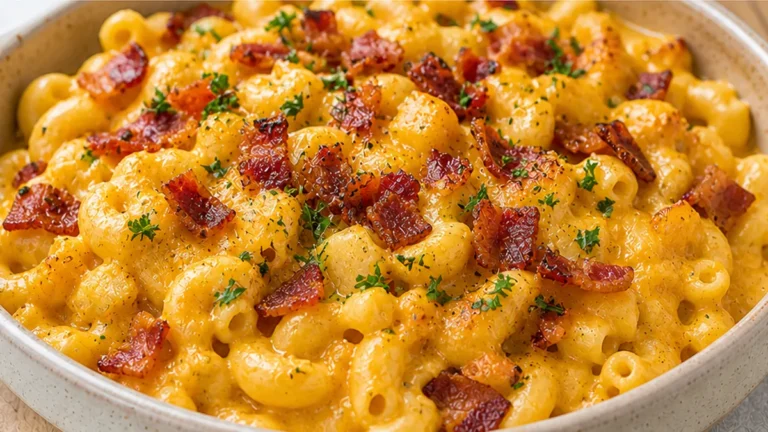
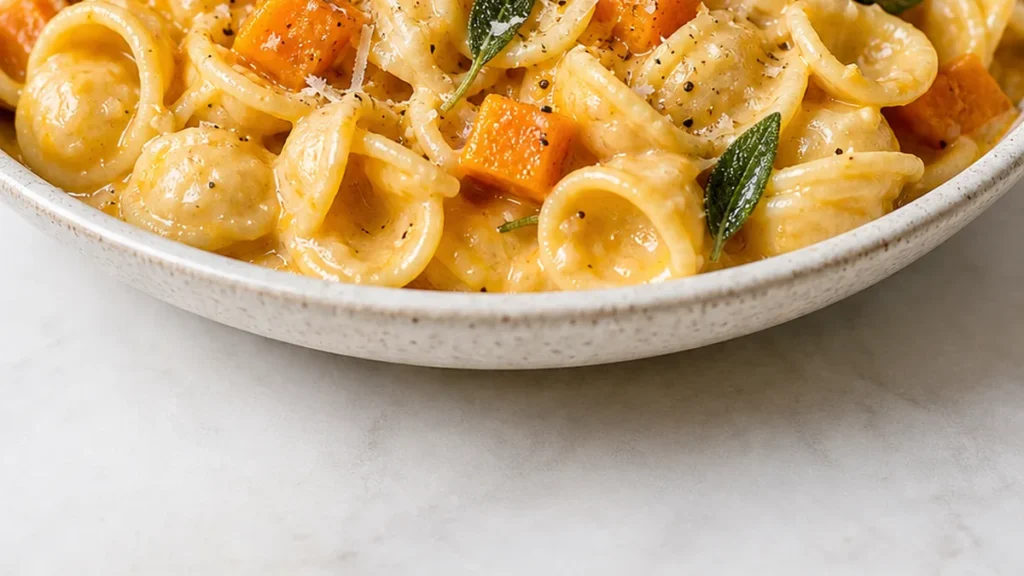
Indulge in a bowl of ultimate orecchiette pasta, a dish that perfectly balances creamy, savory, and slightly sweet flavors. This recipe features tender butternut squash and bright broccolini, all coated in a luscious Parmesan sauce. It’s designed for home cooks seeking a comforting yet elegant meal that feels special without being overly complicated. Whether you’re a pasta enthusiast or simply looking for a satisfying weeknight dinner, this orecchiette pasta dish is worth making with its rich texture and delightful taste. Prepare to improve your pasta game with this flavorful creation.
Key takeaways
- The roux is the foundation of a smooth, well-emulsified sauce.
- Cook orecchiette pasta al dente for the best texture.
- Reserve pasta water to adjust sauce consistency and aid adhesion.
- Parmesan cheese should be added off the heat to prevent graininess.

Butternut Squash Orecchiette Pasta
Ingredients
- 3 tablespoons butter
- 2 cloves garlic
- 1-2 teaspoons fresh thyme leaves, minced
- 3 tablespoons flour
- 1/2 cup white wine (optional)
- 2-3 cups chicken or vegetable broth, or milk
- 1/4 cup Parmesan cheese
- lemon juice to taste
- salt to taste
- 16 ounces orecchiette
Instructions
- SAUCE: Melt butter in a pan. Add garlic and thyme, sauté until soft. Whisk in flour, cook for a few minutes to avoid a raw taste. Pour in white wine (if using), whisking to combine. Gradually add broth or milk, whisking until smooth and slightly thickened. Stir in Parmesan cheese, lemon juice, and salt to taste. The sauce should be smooth and light.
- VEGETABLES: Toss butternut squash and broccolini with a little olive oil, salt, and pepper. Roast at 400°F (200°C) on separate baking sheets for 20-30 minutes until tender.
- PASTA: Cook orecchiette according to package directions until al dente. Drain and set aside.
- FINISH: Combine the cooked pasta, roasted vegetables, and sauce in a large bowl. Add a splash more broth or milk if needed to reach desired consistency. Toss well to coat everything evenly. Serve immediately, topped with extra Parmesan cheese and pumpkin seeds.
Notes
The technique that makes it
The success of this Butternut Squash Orecchiette Pasta hinges on a few key techniques, primarily centered around building a rich, emulsified sauce and properly cooking the orecchiette pasta. The sauce begins with a classic roux, made by melting butter and whisking in flour. This mixture is cooked for a minute or two to eliminate the raw flour taste and toast the flour slightly, which adds a nutty depth. Gradually whisking in the liquid (broth or milk) is crucial for a smooth sauce. Adding it slowly prevents lumps and allows the starch in the flour to hydrate and thicken the liquid evenly. If using white wine, it’s added after the roux and cooked down to reduce its acidity and concentrate its flavor, forming a flavorful base before the broth is introduced. The gentle simmering allows the sauce to thicken to the desired consistency. Finally, incorporating the Parmesan cheese off the heat helps it melt smoothly without becoming oily or grainy, contributing to the sauce’s creamy texture and savory umami. The orecchiette pasta itself requires careful cooking. These small, ear-shaped pasta are best cooked in generously salted boiling water until al dente – tender but with a slight bite. Overcooked orecchiette can become mushy and lose their characteristic shape, diminishing the dish’s appeal. Draining the pasta but reserving some of the starchy pasta water is a vital step, as this water can be used to adjust the sauce’s consistency and help it cling beautifully to the pasta.
Troubleshooting
- Sauce too thick: Gradually whisk in reserved pasta water or a little more broth/milk, a tablespoon at a time, until the desired consistency is reached.
- Sauce too thin: Simmer the sauce gently over low heat, stirring occasionally, until it reduces and thickens. Alternatively, whisk together a teaspoon of cornstarch with a tablespoon of cold water and stir it into the simmering sauce until thickened.
- Lumpy sauce: If lumps persist, you can carefully pass the sauce through a fine-mesh sieve. For future attempts, ensure liquid is added very gradually to the roux while whisking constantly.
- Orecchiette mushy: This indicates overcooking. Cook pasta for less time, tasting a piece a minute or two before the package directions suggest, aiming for al dente.
Substitutions
- Orecchiette pasta: Other short pasta shapes like farfalle (bow-ties), penne, or fusilli will work, though they won’t capture the sauce in their ‘cups’ quite like orecchiette.
- White wine: Omit or replace with an equal amount of extra broth or a splash of apple cider vinegar for a touch of acidity.
- Chicken/Vegetable Broth: Use a good quality mushroom broth for an earthier flavor, or a combination of milk and water.
- Butter: Olive oil or a dairy-free butter alternative can be used, though the flavor profile will change slightly.
Pro tips
- For an extra rich sauce, use whole milk or heavy cream instead of broth.
- Ensure your butternut squash and broccolini are roasted until fork-tender but not mushy for the best texture.
- Don’t skip the lemon juice; it brightens the flavors and cuts through the richness of the cheese.
Enjoy this delightful orecchiette pasta dish, a perfect way to savor seasonal flavors. Feel free to experiment with different herbs or cheeses to make it your own.
More from Chicken Pasta Recipes →
Read also on TastyBend: Turkey Sausage Nutrition: Complete Health-Focused Analysis.
Frequently asked questions
What can I substitute for butternut squash in pasta?
If butternut squash is unavailable, acorn squash or kabocha squash are excellent substitutes. They offer a similar sweetness and texture. Pumpkin puree can also work in a pinch, though the flavor will be slightly different. Ensure the squash is roasted until tender for the best results.
Can I make butternut squash orecchiette ahead of time?
Yes, you can prepare components ahead. Roast the squash and make the sauce up to 2 days in advance. Store separately in airtight containers in the refrigerator. Cook the orecchiette just before serving and combine with the reheated sauce for optimal texture.
How do I know when orecchiette pasta is done?
Orecchiette, meaning ‘little ears,’ should be cooked to al dente. This means it should be tender but still have a slight bite in the center. Taste a piece after about 8-10 minutes of boiling. It should not be mushy or hard.
How should I store leftover butternut squash orecchiette?
Let the pasta cool completely before storing. Transfer to an airtight container and refrigerate for up to 3 days. Reheat gently on the stovetop with a splash of water or broth to prevent the pasta from drying out and to loosen the sauce.