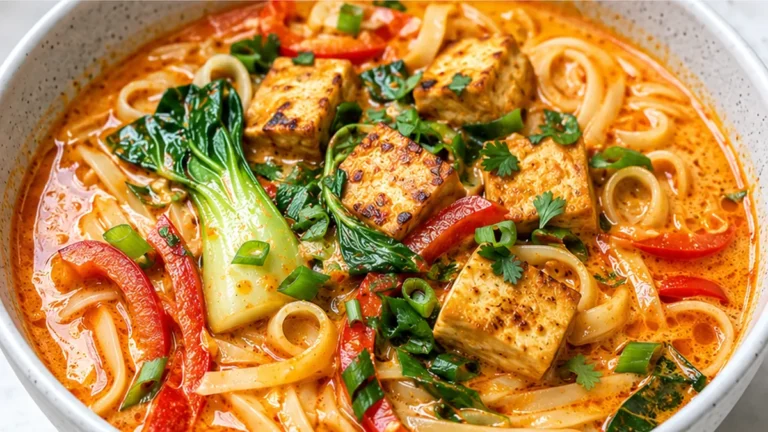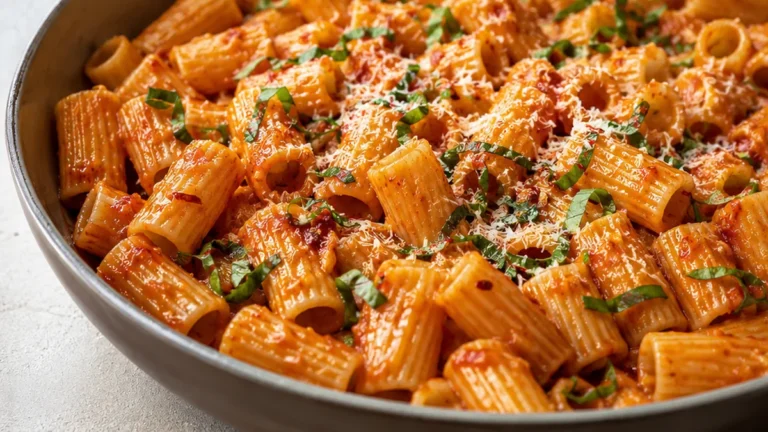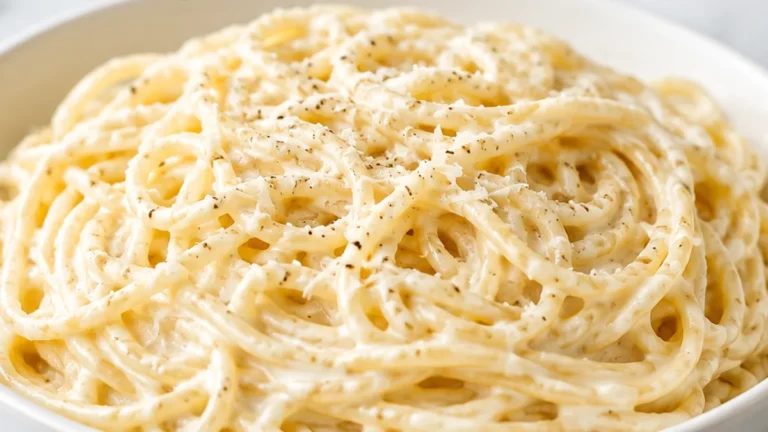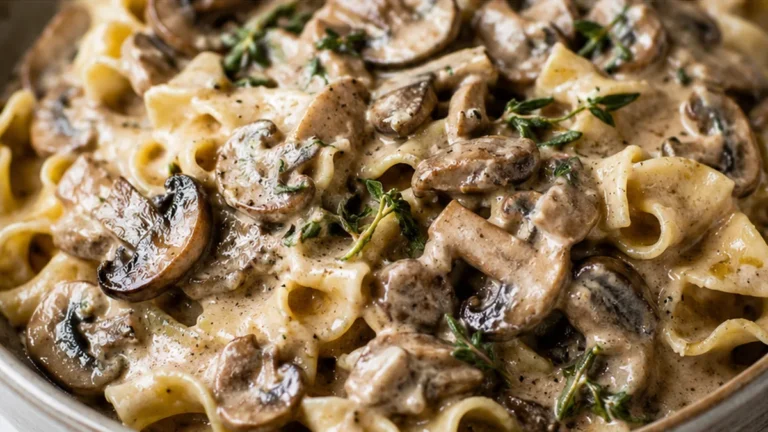
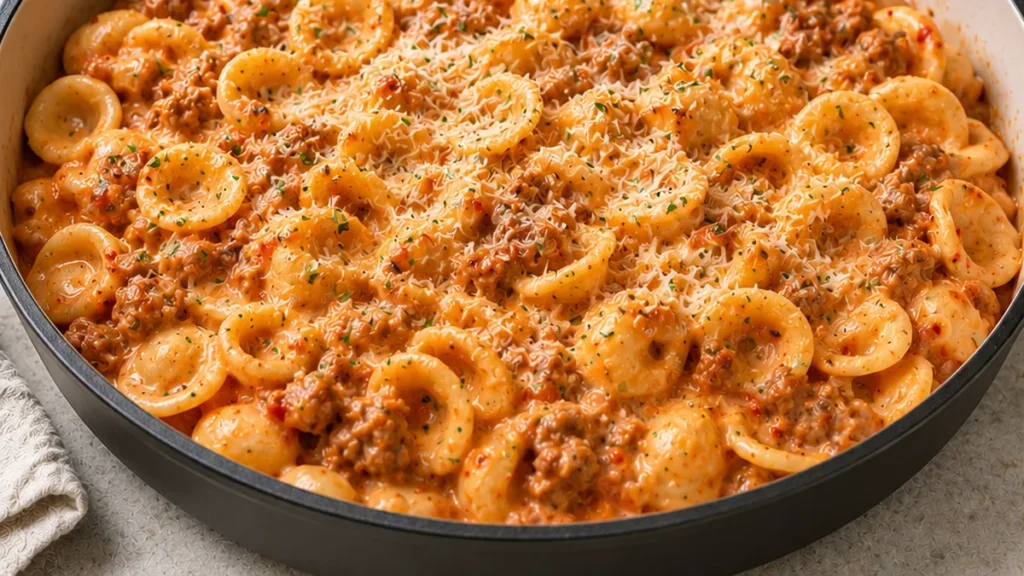
This Orecchiette Sausage Pasta recipe delivers ultimate comfort with its rich, creamy tomato sauce and savory Italian sausage, all tossed with perfectly cooked orecchiette pasta. It’s designed to be remarkably easy, making it ideal for a weeknight dinner or a relaxed weekend meal. Each component of this dish, from the robust sausage to the silky sauce, comes together harmoniously. The orecchiette pasta shape is perfect for capturing every bit of the luscious sauce, ensuring a flavor-packed bite every time.
Key takeaways
- Brown the Italian sausage well for maximum flavor development.
- Deglaze the pan with white wine to capture browned bits (fond).
- Emulsify the sauce by gently simmering and stirring in Parmesan off the heat.
- Cook orecchiette to al dente and reserve pasta water for sauce adjustment.
Orecchiette Sausage Pasta: Your New Comfort Food Obsession
Ingredients
- 400 g / 14oz orecchiette pasta
- 1 tbsp olive oil
- 2 garlic cloves, minced
- 500 g / 1lb Italian pork sausages, meat squeezed out of their casings
- 1/4 cup white wine
- 1 cup tomato passata
- 3/4 cup heavy cream
- 3/4 cup milk
- 1/3 cup parmesan, finely grated
- 1 tsp Italian herbs
Instructions
- Cook pasta according to packet directions MINUS 1 minute. Reserve 1 cup of pasta water before draining.
- Heat 1 tbsp olive oil in a large skillet over high heat. Add 2 minced garlic cloves and cook for 15 seconds until fragrant.
- Add 500g Italian sausage meat, breaking it up, and cook for 4 minutes until golden brown bits appear.
- Pour in 1/4 cup white wine, scraping the bottom to release browned bits. Cook until wine evaporates.
- Stir in 1 cup tomato passata, 3/4 cup heavy cream, 3/4 cup milk, and 1 tsp Italian herbs. Bring to a simmer, then reduce heat and gently simmer for 2 minutes.
- Add cooked pasta and toss for 1 minute until coated. Use reserved pasta water to loosen sauce if it becomes too thick.
- Serve immediately, garnished with 1/3 cup finely grated parmesan.
Notes
The technique that makes it
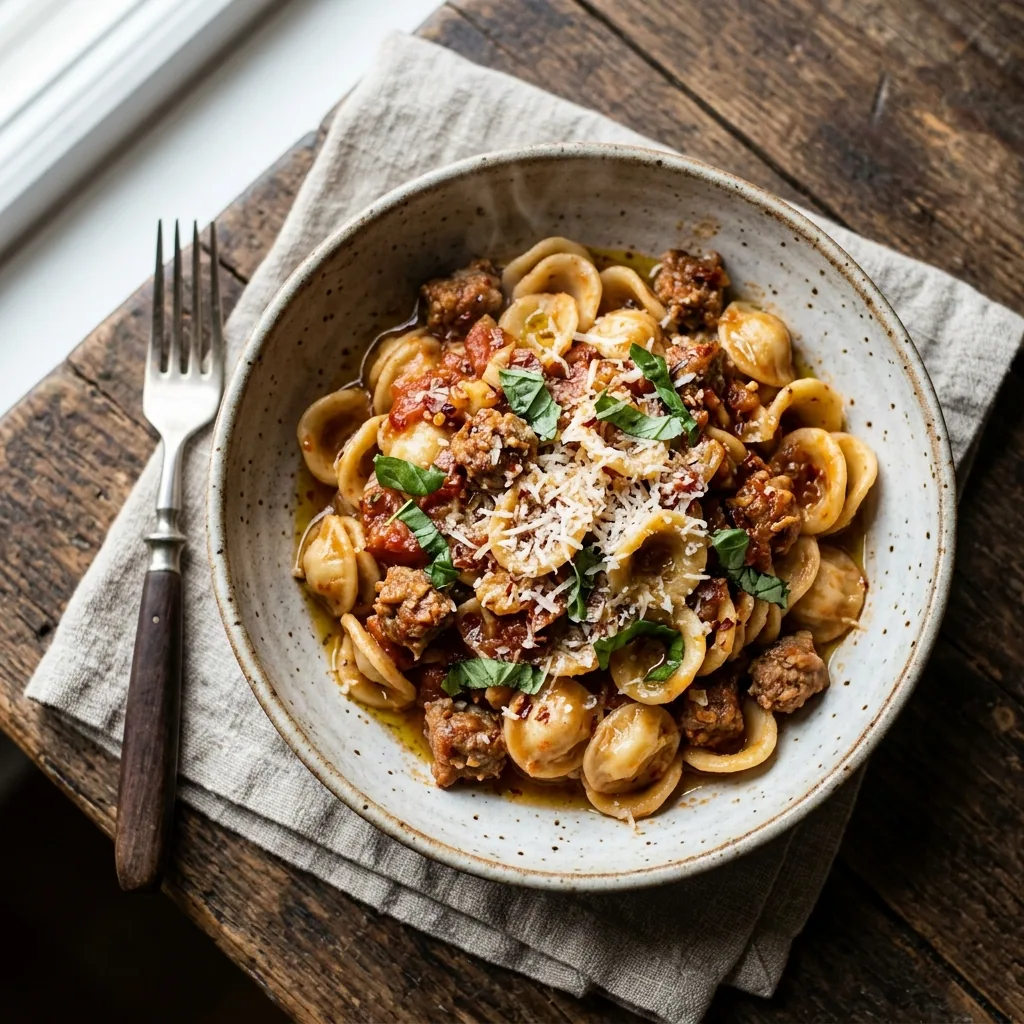
The success of this orecchiette sausage pasta hinges on two key techniques: properly browning the sausage and emulsifying the sauce. First, when cooking the Italian sausage, ensure it’s removed from its casings and broken into small, irregular pieces. Sauté these pieces over medium-high heat without overcrowding the pan. This allows the fat to render and the meat to develop a rich, caramelized crust, adding depth of flavor that simply boiling or simmering won’t achieve. Don’t stir too frequently in the initial stages; let those browned bits form on the bottom of the pan. These ‘fond’ bits are crucial flavor builders. Deglazing with white wine after browning the sausage captures this fond, incorporating it into the sauce base. Second, achieving a creamy, cohesive sauce requires careful emulsification. After adding the passata, heavy cream, and milk, the mixture needs to simmer gently. The starches from the pasta, when cooked and introduced to the sauce, will help thicken it. However, the real emulsification magic happens when you stir in the finely grated Parmesan cheese off the heat. The residual heat melts the cheese, which binds with the fats from the cream and sausage, creating a smooth, glossy sauce that clings beautifully to the orecchiette. Overheating after adding the cheese can cause it to become stringy or separate.
Troubleshooting
- Sausage is dry and crumbly: This often happens if the heat is too high, causing the meat to cook too quickly before browning. To fix, use medium-high heat and allow the sausage to brown undisturbed for a few minutes before breaking it up. If already dry, you can add a touch more olive oil or a splash of broth when sautéing to reintroduce moisture.
- Sauce is too thin: If the sauce lacks body after adding the liquids and simmering, it might be due to insufficient reduction or not enough starch from the pasta. To remedy, let the sauce simmer uncovered for a few extra minutes to evaporate excess liquid. Alternatively, cook the orecchiette slightly past al dente, reserving more pasta water. Stirring a tablespoon or two of the starchy pasta water into the sauce can help thicken it through emulsification.
- Sauce is greasy or separated: This usually indicates the fat from the sausage has not been properly emulsified or the sauce was overheated after adding dairy and cheese. To fix, remove the pan from heat. Whisk vigorously; sometimes you can re-emulsify it. If it’s very greasy, carefully spoon off some excess fat. Ensure Parmesan is added off the heat and stirred in gently.
- Orecchiette is mushy: Overcooked pasta absorbs too much liquid and loses its shape. To avoid this, cook the orecchiette according to package directions, but taste it a minute or two before the suggested time. It should be al dente – tender but with a slight bite. Reserve pasta water before draining, as it can help adjust sauce consistency if needed.
Substitutions
- Orecchiette pasta: Use other short, cup-shaped pasta like cavatelli or conchiglie (shells). They will hold the sauce similarly well, though the texture will differ slightly. Rigatoni or penne are also acceptable but may not capture small bits of sausage as effectively.
- Italian pork sausages: Mild or hot Italian chicken or turkey sausages can be used for a leaner option. For a vegetarian version, substitute with crumbled firm or extra-firm tofu seasoned with Italian herbs and garlic powder, or use plant-based sausage alternatives. Ensure they brown well.
- White wine: Chicken broth or vegetable broth can be used as a non-alcoholic substitute. The flavor profile will be less complex, so consider adding a pinch of red pepper flakes for a little kick.
- Heavy cream and milk: A blend of half-and-half can be substituted for both. For a dairy-free version, use full-fat coconut milk (canned) or a cashew cream, though this will alter the final flavor and richness.
Pro tips
- Use good quality Italian pork sausage for the best flavor.
- Don’t overcook the pasta; it finishes cooking in the sauce.
- For a spicier kick, add a pinch of red pepper flakes with the garlic.
Enjoy this delightful Orecchiette Sausage Pasta – a guaranteed crowd-pleaser that’s simple enough for any home cook. Experiment with different herbs or add a touch of spice to make it your own!
More from Creamy Pasta Recipes →
Frequently asked questions
Can I make this pasta ahead of time?
While the sauce components can be prepared in advance, it’s best to cook the pasta and combine everything just before serving. Reheating can sometimes cause the sauce to break or the pasta to become mushy. If necessary, gently reheat the sauce separately and cook the pasta fresh.
What kind of Italian sausage works best?
Traditional Italian pork sausage, either mild or hot, provides the most authentic flavor and fat content for browning and enriching the sauce. Using a good quality sausage is key to the dish’s overall taste profile.
How do I prevent the sauce from becoming too thick?
The sauce thickens as it simmers and with the addition of cheese. If it becomes too thick, thin it out with a splash of reserved pasta water or a little extra milk or cream. Avoid adding too much liquid at once.
Is it important to use orecchiette pasta?
Orecchiette, meaning ‘little ears,’ are ideal because their concave shape perfectly captures the crumbled sausage and creamy sauce. While other shapes work, orecchiette provides the best texture and sauce-holding capability for this specific dish.