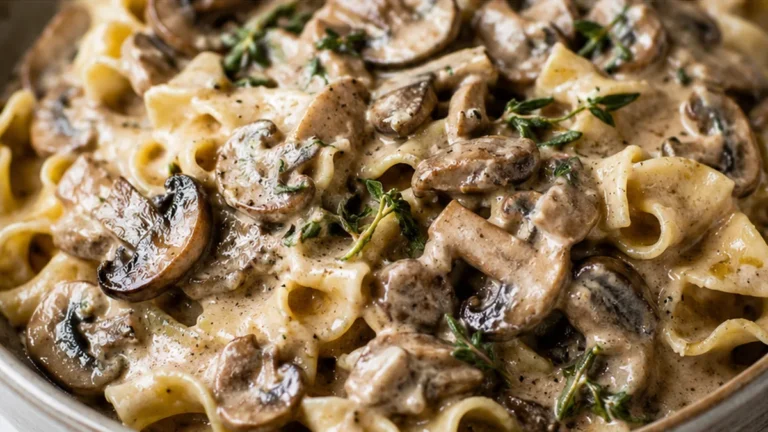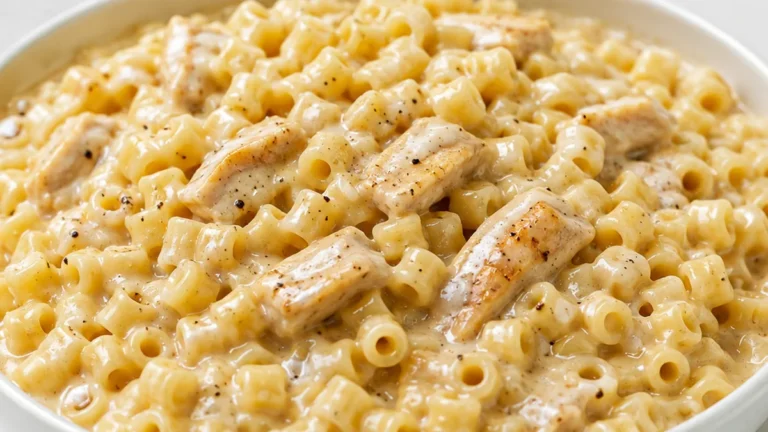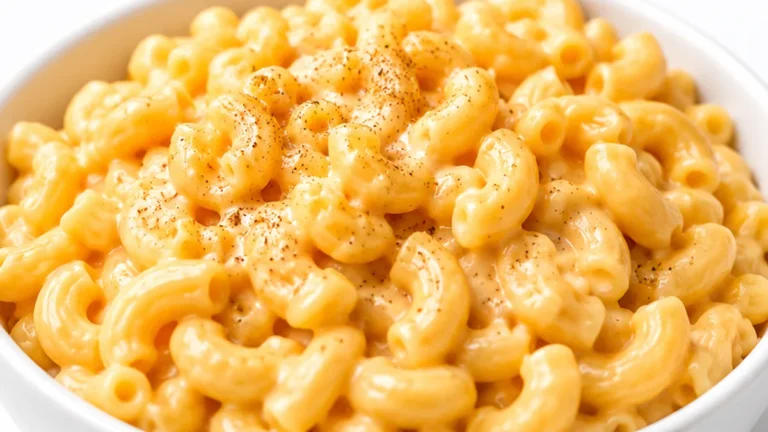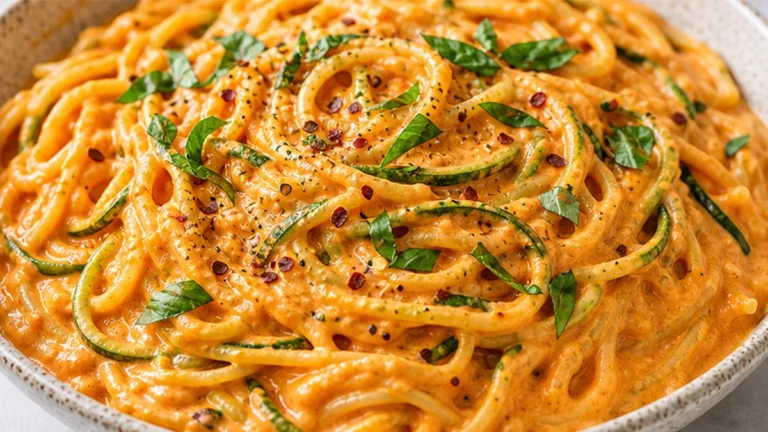
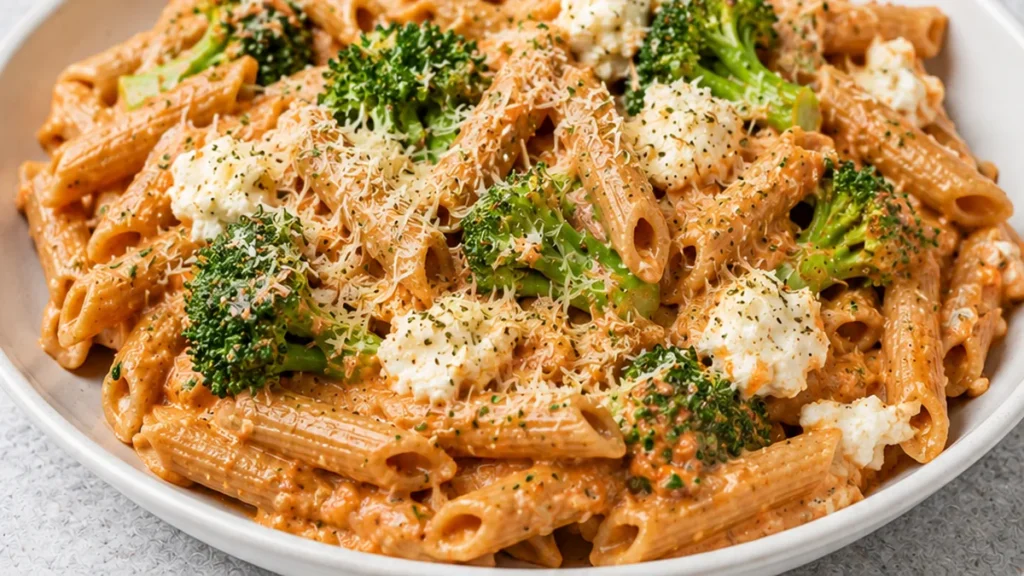
This ricotta pasta recipe is a real upgrade for weeknight dinners. Combining tender whole wheat pasta with a luscious, creamy tomato sauce enriched by ricotta cheese, this dish is both comforting and surprisingly simple to prepare. The addition of fresh broccoli adds a bright color and a healthy crunch, making it a well-rounded meal that even picky eaters will enjoy. Forget complicated sauces; this ricotta pasta relies on minimal ingredients for maximum flavor.
Key takeaways
- Cook pasta al dente and reserve pasta water for a silky sauce.
- Incorporate ricotta off-heat to prevent curdling.
- Adjust sauce consistency with pasta water or by simmering.
- Broccoli should be tender-crisp; add it near the end of pasta cooking.
Creamy Tomato Ricotta Broccoli Pasta
Ingredients
- 1 pound whole wheat pasta
- 1 cup broccoli florets
- 2 cups tomato sauce
- 1 cup part-skim ricotta cheese
- 1/2 cup grated parmesan cheese
- 1 teaspoon dried oregano
Instructions
- Cook whole wheat pasta according to package directions until al dente.
- While pasta cooks, steam broccoli florets for 3-5 minutes until tender-crisp.
- Drain the cooked pasta and steamed broccoli thoroughly.
- In the same pot, combine tomato sauce and ricotta cheese over medium heat, stirring until smooth and heated through.
- Add the drained broccoli to the sauce and stir to combine.
- Add the drained pasta to the sauce and toss gently until evenly coated.
- Serve immediately, garnished with grated parmesan cheese.
Notes
The technique that makes it
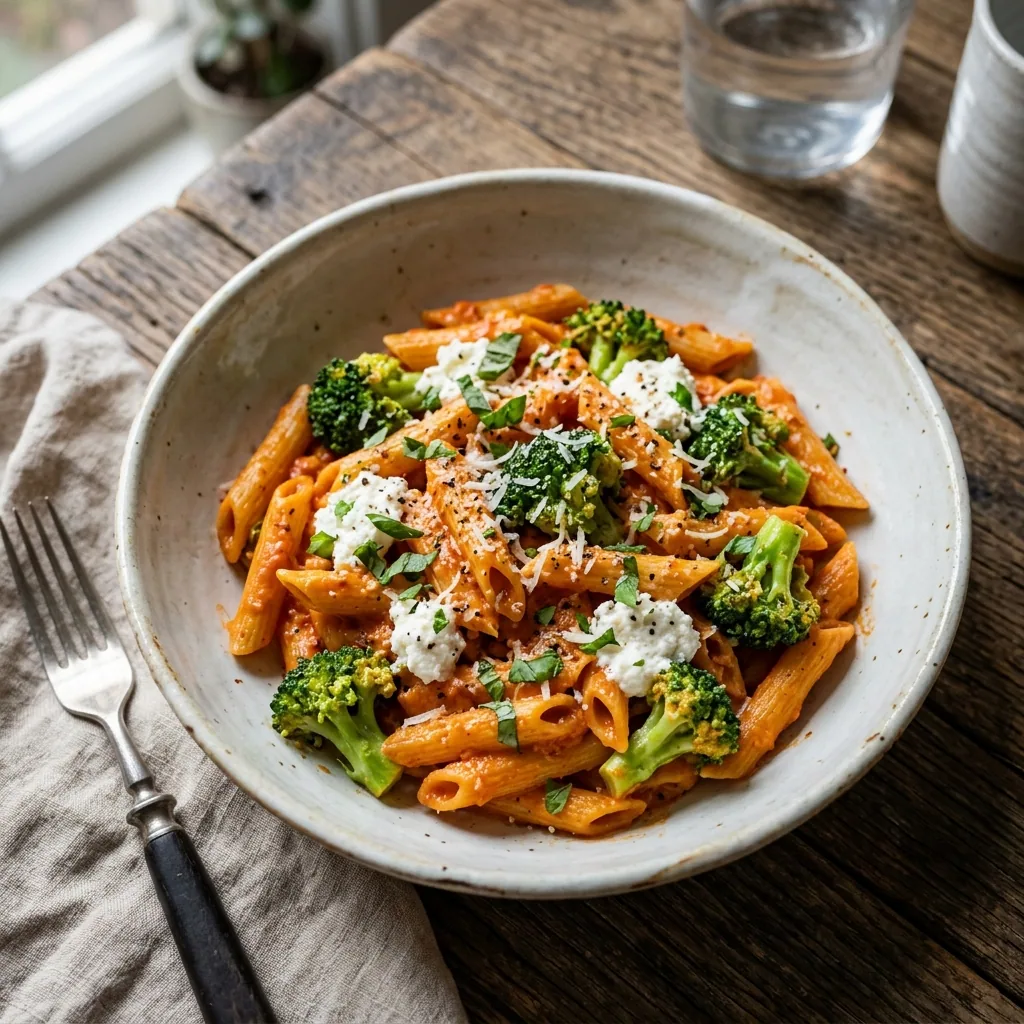
The success of this Creamy Tomato Ricotta Broccoli Pasta hinges on two key techniques: properly cooking the pasta and integrating the ricotta cheese effectively. For the pasta, aim for al dente. This means cooking it until it’s tender but still has a slight bite. Overcooked pasta becomes mushy, and in a creamy sauce, this texture is amplified, leading to a less appealing dish. Reserve about 1 cup of the starchy pasta water before draining. This water is crucial for emulsifying the sauce, helping it cling to the pasta and creating a silkier texture. Don’t skip this step; it’s the secret to a restaurant-quality sauce.
When incorporating the ricotta, it’s best to do so off the heat or on very low heat. High heat can cause ricotta to curdle or separate, resulting in a grainy sauce rather than a smooth, creamy one. Gently stir the ricotta into the warm tomato sauce and cooked pasta. The residual heat from the pasta and sauce will warm the ricotta through, allowing it to melt and blend seamlessly. Adding the parmesan cheese at this stage also helps bind the sauce and adds a salty, umami depth. Finally, the broccoli should be added during the last few minutes of pasta cooking or blanched separately to ensure it’s tender-crisp and retains its bright green color.
Troubleshooting
- Sauce is too thick: Add a splash of the reserved pasta water, a tablespoon at a time, stirring until the desired consistency is reached. The starch in the water will help loosen the sauce without diluting the flavor.
- Sauce is too thin: Simmer the sauce gently for a few extra minutes to allow some of the liquid to evaporate. Alternatively, stir in a little more parmesan cheese, which will help thicken it.
- Ricotta is grainy or separated: This usually happens from overheating. If slight separation has occurred, try whisking vigorously off the heat. For significant curdling, it might be difficult to fully salvage, but incorporating a bit more liquid and stirring well can sometimes improve the texture.
- Broccoli is overcooked and mushy: Add the broccoli to the pasta water during the last 2-3 minutes of cooking time. This ensures it steams perfectly while the pasta finishes, maintaining a crisp texture.
Substitutions
- Pasta: While whole wheat pasta is recommended for its nutty flavor and nutritional benefits, regular semolina pasta or even gluten-free pasta can be used. The cooking time may vary, so follow package directions.
- Broccoli: Frozen broccoli florets can be substituted. Ensure they are thawed and drained well before adding to the dish, or add them directly to the pasta water during the last few minutes of cooking. Other green vegetables like spinach or peas can also be used.
- Ricotta Cheese: For a dairy-free option, a good quality cashew-based ricotta or a silken tofu blended until smooth can work. The flavor profile will change slightly, but the creamy texture can be replicated.
- Tomato Sauce: Crushed tomatoes or a marinara sauce can be used instead of plain tomato sauce. Adjust seasoning as needed, as these may already contain herbs and spices.
Pro tips
- Use good quality ricotta for the creamiest texture.
- Don’t overcook the broccoli; it should be tender-crisp.
- For a richer flavor, add a pinch of red pepper flakes with the tomato sauce.
Enjoy this delightful ricotta pasta as a quick and satisfying meal. Feel free to experiment with different vegetables or add a protein for a complete dish.
More from Creamy Pasta Recipes →
Frequently asked questions
Can I use other vegetables in creamy tomato ricotta pasta?
Absolutely! Spinach, kale, or even roasted bell peppers would be delicious additions. Mushrooms also work well. Adjust cooking times based on the vegetables you choose, adding heartier greens earlier and quicker-cooking ones towards the end to maintain their texture and flavor.
How to make creamy tomato ricotta pasta ahead of time?
You can prepare the sauce and cook the pasta separately up to two days in advance. Store them in airtight containers in the refrigerator. Reheat the sauce gently, then add the cooked pasta and toss to combine. You may need to add a splash of water or milk to loosen the sauce.
What kind of pasta is best for this recipe?
Medium shapes like penne, rotini, or farfalle work wonderfully as they hold the creamy sauce well. You can also use fettuccine or spaghetti for a more classic feel. Ensure your pasta is cooked al dente to avoid it becoming mushy when mixed with the sauce.
How to store leftover creamy tomato ricotta pasta?
Let the pasta cool completely before storing it in an airtight container in the refrigerator. It should keep for up to 3 days. When reheating, a little bit of milk or water can help revive the creaminess of the sauce. Avoid freezing, as the ricotta may separate.