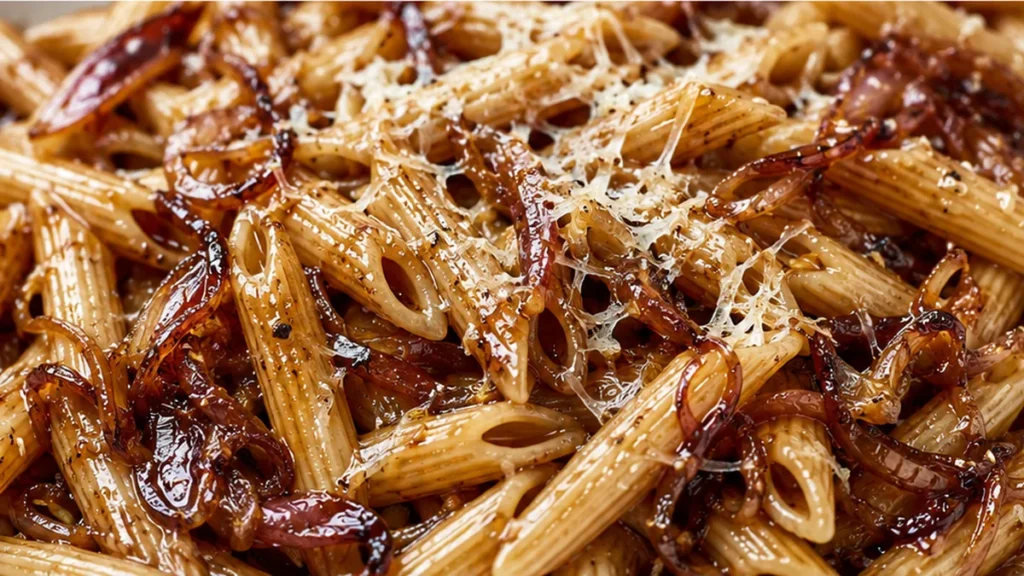
Shallot pasta showcases how a few simple ingredients can create an unforgettable dish. This Caramelized Shallot Pasta with Gruyere exemplifies this principle, transforming humble shallots into sweet, meltingly tender morsels through slow caramelization. Tossed with perfectly cooked pasta and the nutty, slightly sweet embrace of Gruyere cheese, it becomes an elegant yet incredibly approachable recipe, perfect for a cozy weeknight meal that feels special without requiring hours in the kitchen.
Key takeaways
- Properly caramelized shallots enhance the dish’s flavor profile.
- Cook penne pasta al dente to maintain texture.
- Use balsamic vinegar to balance sweetness and acidity.
- Gruyere cheese provides creaminess; consider alternatives with caution.
Dreamy Caramelized Shallot Pasta
Ingredients
- 8 ounces penne pasta
- 1/4 cup olive oil
- 8 shallots, thinly sliced
- 5 garlic cloves, thinly sliced
- 1 teaspoon kosher salt
- 2 tablespoons balsamic vinegar
- 3/4 cup grated gruyere cheese
- Freshly ground black pepper
Instructions
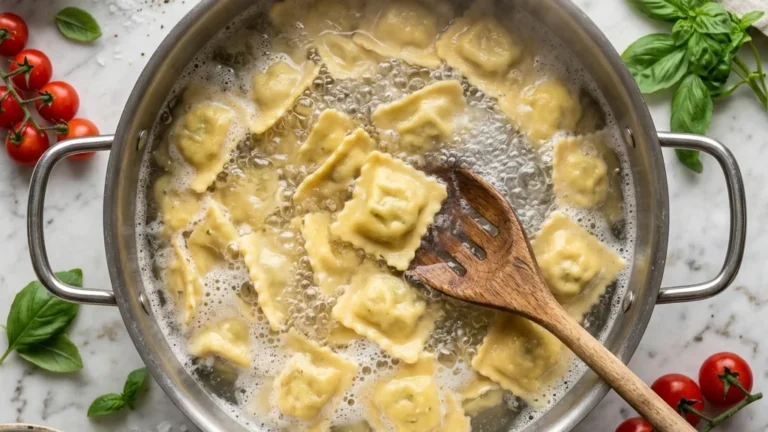
- Bring a large pot of salted water to a boil over high heat. Add the pasta and cook according to package instructions, about 10 minutes. Drain, reserving 1/2 cup pasta water, and set aside.
- In a large saute pan, add the olive oil and shallots. Saute on low for 15 minutes, adding salt about 5 minutes in. Saute until shallots become soft and caramelized.
- Add garlic and saute for another 2 minutes. Then add balsamic vinegar and saute for 30 seconds, until fragrant.
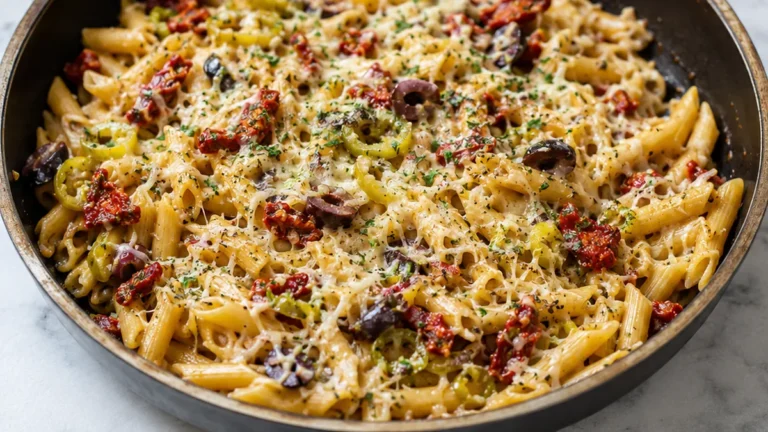
- To the pan of shallots, add the cooked pasta and gruyere and stir. If needed, slowly add pasta water until desired consistency is reached. Add salt and black pepper, to taste.
- Serve immediately.
Video
Notes
Understanding the Role of Shallots in Pasta Dishes
Shallots bring a unique sweetness and depth to pasta dishes, particularly in this recipe. Their mild flavor mellows when caramelized, creating a rich base that enhances the overall dish. The Maillard reaction, which occurs during the caramelization process, is essential for developing complex flavors. This reaction typically occurs at temperatures above 300°F (150°C) and can take about 20-30 minutes to achieve the desired golden-brown color.
Why Overcooked Pasta Ruins the Dish
Overcooking penne pasta can lead to a mushy texture that detracts from the overall experience. The ideal cooking time for penne is around 11-13 minutes in boiling salted water. To ensure perfect al dente pasta, taste it a minute or two before the package instructions indicate. This will help maintain the pasta’s structure and allow it to hold up against the shallots and sauce.
How to Achieve the Perfect Caramelization
Caramelizing shallots requires patience and the right technique. Start with medium heat and gradually increase to medium-high if necessary. Use about 1/4 cup of olive oil to coat the shallots evenly, allowing them to soften and release their natural sugars. Stir occasionally to prevent burning, and aim for a cooking time of 20-25 minutes until they are golden brown. If they start to stick, add a splash of water to deglaze the pan.
Balancing Flavors with Balsamic Vinegar
Balsamic vinegar adds acidity and brightness to the dish, balancing the sweetness of the caramelized shallots. Adding 2 tablespoons at the right moment—just before combining with the pasta—ensures that the vinegar retains its tangy flavor without overpowering the dish. This step also helps to deglaze the pan, lifting any flavorful bits stuck to the bottom.
Choosing the Right Cheese for Creaminess
Gruyere cheese is an excellent choice for this recipe due to its nutty flavor and melting properties. It creates a creamy texture that binds the pasta and shallots together. When adding 3/4 cup of grated cheese, ensure it is at room temperature to facilitate melting. If Gruyere is unavailable, consider using Fontina or aged Gouda for similar results, but be aware that the flavor profile will change slightly.
How to Store Leftover Shallot Pasta for Maximum Freshness
To store leftover shallot pasta, allow it to cool to room temperature before transferring it to an airtight container. This prevents condensation, which can lead to soggy pasta. Refrigerate for up to three days. When reheating, add a splash of water or olive oil to maintain moisture and prevent drying out. Reheat gently on the stove over low heat, stirring frequently.
Scaling the Recipe: Adjusting Portions Without Compromising Flavor
Scaling this shallot pasta recipe is straightforward. For every additional 4 ounces of penne, increase the olive oil by 1 tablespoon, and add 2 more shallots and 1 garlic clove. Maintain the same amount of balsamic vinegar and cheese for consistent flavor. When increasing the batch size, ensure that your cooking pot is large enough to accommodate the additional pasta without overcrowding, which can lead to uneven cooking.
Choosing the Right Equipment for Optimal Cooking
The right equipment can significantly affect the outcome of your shallot pasta. A heavy-bottomed skillet is ideal for caramelizing shallots, as it distributes heat evenly, preventing burning. A large pot for boiling pasta should have ample space to allow for movement, which helps prevent sticking. Use a pasta fork or tongs for easy tossing and serving, ensuring that the pasta is well-coated with the sauce and shallots.
Seasonal Variations: Adapting Ingredients for Freshness
Seasonal ingredients can enhance the flavor profile of your shallot pasta. In spring, consider adding fresh peas or asparagus for a pop of color and sweetness. In the fall, roasted pumpkin or butternut squash can add a creamy texture. Adjust the amount of balsamic vinegar based on the sweetness of the seasonal vegetables, as sweeter ingredients may require less acidity to balance the dish.
Understanding the Impact of Shallot Quality on Flavor
The quality of shallots significantly influences the overall taste of your shallot pasta. Fresh, high-quality shallots provide a mild, sweet flavor that enhances the dish. Look for shallots that are firm, with smooth skin and no blemishes. Avoid shallots that are sprouting or have soft spots, as they can impart a bitter taste. When using shallots, aim for a balance; if they are overly pungent, they can overpower the dish. The best shallots are typically harvested in late summer, so seasonal availability can affect flavor. Fresh shallots can be stored in a cool, dark place for several weeks, but once sliced, they should be used within a day or two for optimal flavor.
Adjusting Cooking Times for Different Pasta Shapes
This recipe specifically calls for penne pasta, which has a cooking time of around 11-13 minutes. If you choose to substitute with a different shape, such as fusilli or farfalle, be aware that cooking times may vary. For instance, fusilli typically cooks in about 8-10 minutes, while farfalle may take 12-14 minutes. Always refer to the package instructions for the best results. Undercooking pasta slightly is advisable, as it will continue to cook when combined with the sauce. This technique helps maintain the pasta’s integrity and ensures a perfect al dente texture.
Optimal Serving Techniques for Presentation
Presentation plays a crucial role in the dining experience. For shallot pasta, consider using a large serving bowl to allow the pasta to be tossed evenly with the caramelized shallots and garlic. Garnish with additional grated gruyere cheese and a sprinkle of freshly ground black pepper for visual appeal. A drizzle of high-quality olive oil can enhance the dish’s richness and shine. Serve immediately for the best texture and flavor. If preparing for a gathering, consider serving in individual bowls, which can be topped with fresh herbs like parsley or chives to add color and freshness.
How Ingredient Freshness Affects Cooking Time and Flavor
Ingredient freshness directly impacts both cooking time and flavor in shallot pasta. Fresh ingredients, such as garlic and shallots, caramelize more effectively, lending a deeper flavor profile. If using older shallots, they may take longer to achieve the desired caramelization and can result in a less vibrant taste. Fresh garlic also offers a more robust flavor compared to older cloves, which can taste bitter. Always check the firmness and aroma of your garlic and shallots before cooking. If using dried herbs instead of fresh, adjust the amount, as dried herbs are more concentrated and can alter the cooking dynamics.
Understanding the Impact of Cooking Time on Shallot Flavor
The cooking time of shallots is crucial for achieving their sweet, caramelized flavor. Shallots should be cooked slowly over medium-low heat, ideally around 250°F (121°C), to allow their natural sugars to develop without burning. This process typically takes 20-25 minutes. If cooked too quickly at high heat, shallots can become bitter rather than sweet. To ensure optimal flavor, stir them every few minutes, allowing even cooking. If you notice them browning too quickly, reduce the heat and add a splash of water or broth to deglaze the pan and prevent burning.
Scaling the Recipe Without Losing Flavor
When scaling the recipe for Dreamy Caramelized Shallot Pasta, maintaining the balance of flavors is essential. For every additional 8 ounces of pasta, increase the olive oil by 2 tablespoons and the shallots by 2-3, depending on preference. However, be cautious with the balsamic vinegar; only add an extra tablespoon for every doubled portion to avoid overpowering the dish. This ensures the sweetness of the shallots and the acidity of the vinegar remain in harmony. Additionally, when scaling, use a larger pan to allow for proper caramelization, as overcrowding can lead to steaming rather than browning.
How to Prepare Shallot Pasta in Advance for Maximum Flavor
Preparing shallot pasta ahead of time can enhance its flavors, but proper storage and reheating methods are crucial. Cook the penne pasta until al dente, as it will continue to soften during reheating. After cooking, cool the pasta quickly under cold running water to stop the cooking process. Store the pasta and caramelized shallots separately in airtight containers in the refrigerator for up to 3 days. When ready to serve, gently reheat the shallots in a skillet with a splash of olive oil over medium heat, then add the pasta. This method preserves the texture of the pasta while allowing the flavors to meld together again.
Balancing Shallot Pasta with Seasonal Ingredients for Enhanced Flavor
Seasonal ingredients can elevate your shallot pasta dish significantly. In spring, consider adding fresh peas or asparagus to complement the sweetness of the caramelized shallots. In summer, ripe tomatoes or zucchini can add a burst of freshness. Fall brings the opportunity to incorporate roasted pumpkin or butternut squash, while winter can benefit from sautéed greens like kale or Swiss chard. Each of these seasonal additions can change the dish’s flavor profile and texture, providing a new experience with each season. Always consider how these ingredients will interact with the shallots and cheese, adjusting the amount of balsamic vinegar accordingly to maintain balance.
Pro tips
- Caramelize the shallots SLOWLY over low heat. This is crucial for developing their sweetness and tender texture. Rushing this step will result in burnt or undercooked shallots.
- Reserve that starchy pasta water! It’s liquid gold for emulsifying the sauce, helping the Gruyere melt smoothly and cling to the pasta, creating that irresistible creamy consistency.
- Use good quality Gruyere. Its distinct nutty flavor is key to this dish. Pre-shredded cheese often contains anti-caking agents that can affect meltability.
Enjoy this deeply satisfying Caramelized Shallot Pasta – a testament to how simple ingredients can create profound flavor.
Frequently asked questions
Can I use regular onions instead of shallots?
Yes, you can substitute regular onions for shallots, but expect a stronger flavor. Shallots are milder and sweeter, so you may want to adjust the quantity to avoid overpowering the dish.
What if my shallots burn while caramelizing?
If your shallots burn, it indicates the heat was too high. Lower the heat and add a splash of water or broth to deglaze the pan, scraping up any burnt bits. This will help salvage the dish.
Can I make this dish vegetarian?
This recipe is already vegetarian, but ensure that the cheese you choose is made without animal rennet if you want it to be strictly vegetarian. Gruyere is often suitable, but check the label.
How can I store leftovers?
Leftover shallot pasta can be stored in an airtight container in the refrigerator for up to 3 days. Reheat gently on the stovetop with a splash of water or broth to restore moisture.
More from Easy Pasta Recipes →