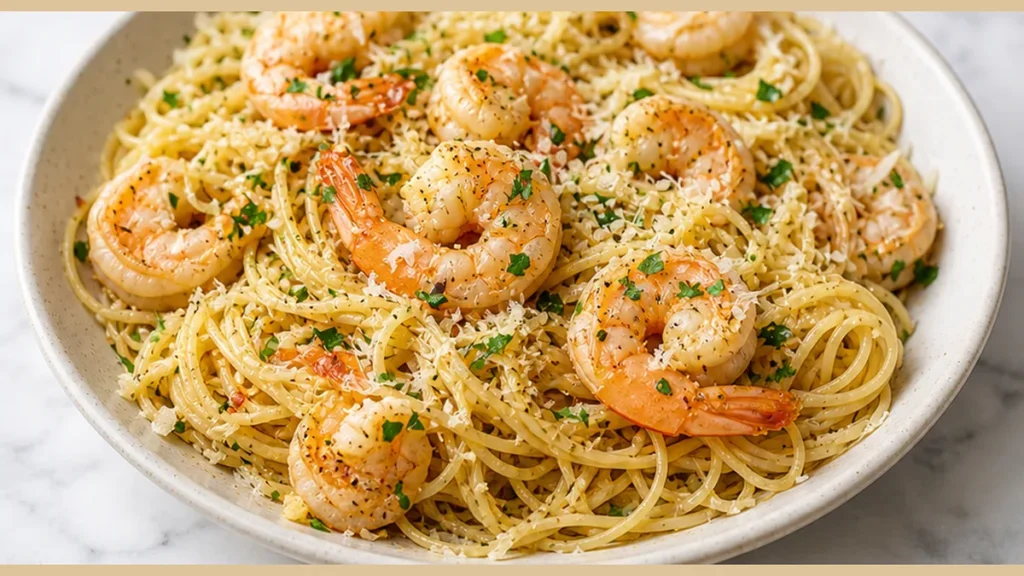
This shrimp scampi recipe is the ultimate quick and easy meal for any night of the week. Ready in just 15 minutes, it combines succulent shrimp with fragrant garlic, zesty lemon, and tender pasta for a truly satisfying dish. Perfect for busy weeknights or when you crave a restaurant-quality meal without the fuss, this shrimp scampi is designed for speed and flavor. You’ll be amazed at how quickly you can create such a delicious plate.
Key takeaways
- Quickly cook shrimp to avoid toughness.
- Sauté garlic briefly to prevent bitterness.
- Cook pasta al dente and toss with sauce immediately.
- Adjust liquid and lemon for balanced flavor.
Shrimp Scampi: Speedy & Savory 15-Minute Meal!
Ingredients
- 1 tablespoon olive oil
- 1 lb raw shrimp, shells and tails removed
- 4 large cloves garlic, minced
- 1 tablespoon butter
- 2 tablespoons white wine
- 1/4 cup minced lemon pieces
- 8 ounces uncooked capellini noodles
- a handful of fresh chopped parsley
- salt and pepper to taste
- Parmesan cheese for topping
Instructions
- Heat the olive oil over medium-high heat in a skillet. Press the excess moisture out of the shrimp and place them in the hot skillet. Cook for 1-2 minutes without moving, then flip and sprinkle with salt and pepper. Remove shrimp when cooked through and set aside.
- Start a pot of boiling water for the noodles.
- Add the noodles to the boiling water and cook as directed. In the same skillet, reduce heat to medium, add garlic and butter, and sauté for 3 minutes until fragrant and soft.
- Add white wine and cook down for a few minutes. Add minced lemon and sauté for another 1-2 minutes.
- Drain the noodles and return them to the saucepan. Add the sautéed garlic-butter-lemon mixture, fresh parsley, and cooked shrimp. Toss to combine.
- Season with salt and pepper, and top with Parmesan cheese.
Notes
The technique that makes it
What makes a truly great shrimp scampi work is the delicate balance of quick cooking and flavor infusion. The key is to cook the shrimp just until opaque, which happens very rapidly. Overcooked shrimp become tough and rubbery, detracting significantly from the dish’s appeal. The rapid sautéing in olive oil and butter creates a flavorful base, while the garlic should be added just before the liquid to prevent burning. Burning garlic turns bitter, ruining the sauce. The white wine, when heated, evaporates its alcohol and concentrates its flavor, forming the primary liquid for the sauce. Adding lemon pieces towards the end brightens the sauce without making it overly acidic, as prolonged cooking can diminish the fresh citrus notes. Capellini, being a very thin pasta, cooks in mere minutes. It should be cooked al dente, meaning it still has a slight bite. The residual heat from the drained pasta and the hot sauce will finish the cooking process, allowing the pasta to absorb the sauce beautifully without becoming mushy. Tossing the pasta directly into the pan with the sauce ensures every strand is coated, maximizing flavor distribution.
Troubleshooting
- Problem: Shrimp are rubbery. Fix: Shrimp were likely overcooked. Next time, add them to the pan for only 1-2 minutes per side, just until they turn pink and opaque. Remove them from the pan immediately after cooking and set aside, adding them back to the sauce at the very end to reheat.
- Problem: Garlic is burnt and bitter. Fix: Garlic burns quickly. Add minced garlic to the pan after the shrimp are removed and sauté for only about 30 seconds until fragrant, before adding the wine. Lowering the heat slightly can also help prevent burning.
- Problem: Sauce is too thin. Fix: The thinness can be due to insufficient reduction of the wine or too much liquid. Allow the wine to simmer and reduce by half before adding other ingredients. If still too thin, you can create a slurry of 1 teaspoon cornstarch mixed with 2 teaspoons cold water and stir it into the simmering sauce until thickened.
- Problem: Pasta is clumpy or mushy. Fix: Ensure pasta is cooked al dente and drained well. Toss the pasta directly into the hot sauce in the pan immediately after draining. Stirring continuously will help separate the strands and coat them evenly with the sauce.
Substitutions
- Shrimp: Scallops or mussels can be used. Scallops will cook even faster than shrimp, so watch them closely. Mussels will need to be steamed open in the sauce, which may require a bit more liquid and time.
- White Wine: Chicken broth or vegetable broth can be substituted for white wine. The flavor profile will be less complex and slightly less acidic, but still delicious. A splash of lemon juice can help compensate for the lost acidity.
- Capellini Noodles: Linguine, spaghetti, or angel hair pasta are excellent substitutes. Adjust cooking time according to package directions, ensuring they are al dente before tossing with the sauce.
- Lemon Pieces: Fresh lemon juice can be used instead of lemon pieces. Add it at the very end of cooking to preserve its bright flavor, similar to how the pieces would infuse without overcooking.
Pro tips
- Use fresh, good-quality shrimp for the best flavor.
- Don’t overcook the shrimp; they should be pink and opaque.
- Adjust the garlic and lemon to your personal taste preference.
- For a richer sauce, add an extra pat of butter.
Enjoy this speedy shrimp scampi that’s sure to become a weeknight dinner. Serve with extra Parmesan and a side salad for a complete meal.
More from Easy Pasta Recipes →
Read also on TastyBend: Ground Turkey Nutrition Facts: Complete Scientific Analysis.
Frequently asked questions
What kind of shrimp is best for shrimp scampi?
Medium to large shrimp, peeled and deveined, work best for scampi. Frozen shrimp are perfectly fine; just thaw them completely before cooking. Avoid pre-cooked shrimp as they can become rubbery. The size doesn’t drastically alter cooking time, but larger shrimp offer a more substantial bite.
Can I make shrimp scampi ahead of time?
Shrimp scampi is best enjoyed fresh due to the delicate nature of shrimp. However, you can prep the ingredients (chop garlic, measure liquids) in advance. Cook the pasta and sauce separately, then combine and toss with the shrimp just before serving to prevent overcooking.
How do I know when shrimp scampi is done cooking?
The shrimp will turn opaque pink and curl slightly. This usually takes just 2-3 minutes. Overcooked shrimp become tough and rubbery. The sauce should be slightly thickened. If it’s too thin, let it simmer uncovered for a minute or two longer.
What can I serve with shrimp scampi if I don’t have pasta?
Shrimp scampi is versatile! Serve it over zucchini noodles for a low-carb option, with crusty bread for dipping into the delicious sauce, or alongside rice or quinoa. It’s also great piled onto polenta or even served as a topping for baked potatoes.