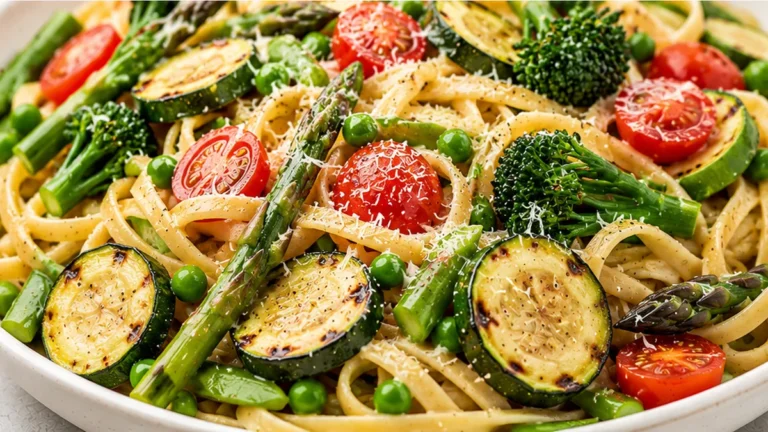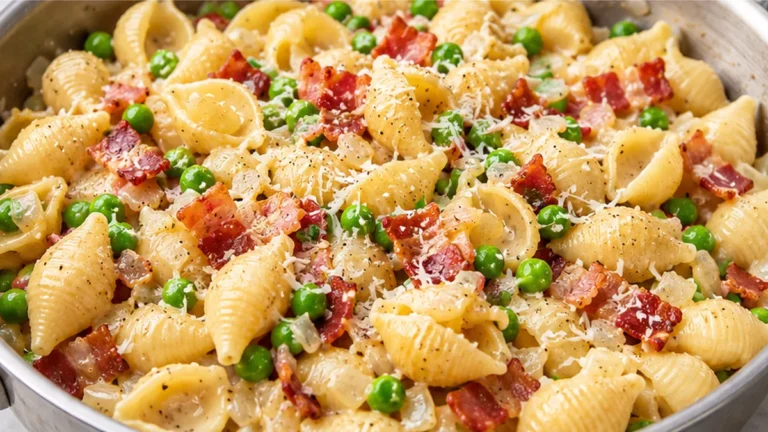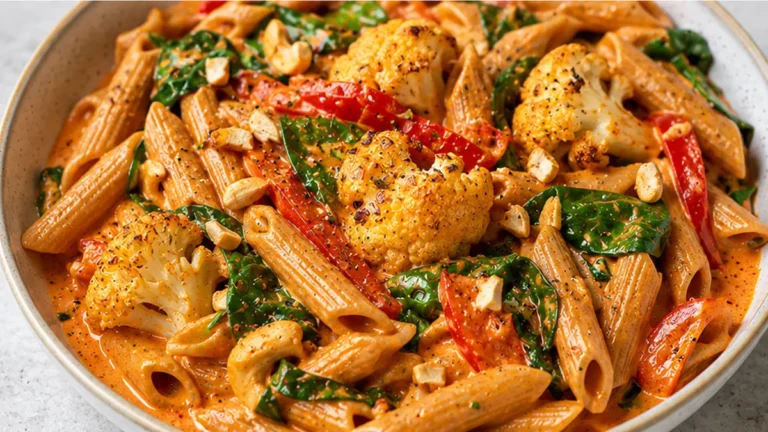
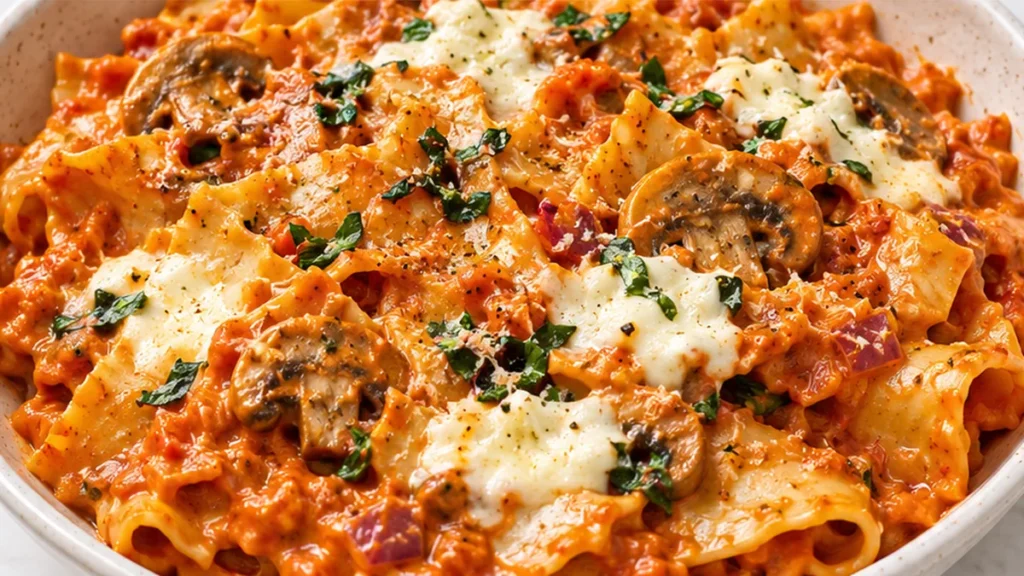
This stovetop lasagna with olive oil is a simple yet flavorful dish. It combines layers of pasta and cheese with a rich vodka sauce for a quick meal.
Key takeaways
- Olive oil enhances flavor and aids in cooking temperature control.
- Reducing excess moisture is crucial to avoid watery lasagna.
- Ingredient swaps can change flavor and texture.
- Stovetop lasagna cooks faster and allows for flavor integration.
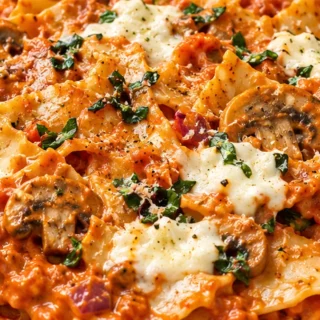
Stovetop Lasagna with Vodka Sauce
Ingredients
Instructions
- Heat olive oil in a large skillet over medium heat.
- Add mushrooms, red onion, garlic, and crushed red pepper to skillet and sauté for 3-4 minutes until soft.
- Add tomato paste into the skillet, stirring well for 1-2 minutes.
- Deglaze by adding vodka, stirring until all is absorbed into the mixture.
- Stir in heavy cream and water.
- Add the broken lasagna noodles to the skillet, ensuring they are mostly submerged.
- Cover the skillet and simmer for 15-20 minutes, or until the noodles are tender, stirring occasionally.
- Uncover and stir until sauce thickens to desired consistency. Serve immediately.
Understanding the Role of Olive Oil in Stovetop Lasagna
Olive oil is a key ingredient in stovetop lasagna, serving multiple purposes. It enhances flavor, aids in the cooking process, and contributes to the overall texture of the dish. When sautéing vegetables or browning meat, olive oil helps to create a base layer of flavor. The ideal temperature for sautéing is between 180°C to 200°C (356°F to 392°F), allowing the oil to reach its smoke point without burning. This ensures that the vegetables caramelize properly, adding sweetness and depth to the sauce.
Common Issues and Solutions When Making Stovetop Lasagna
Even with the best intentions, stovetop lasagna can face several challenges. Here are some common problems and their solutions:
- Problem: Lasagna becomes too watery.
- Cause: Excess moisture from the sauce or vegetables.
- Fix: Reduce the sauce on low heat for a longer time to evaporate excess liquid.
- Problem: Noodles are undercooked.
- Cause: Insufficient cooking time or not enough liquid.
- Fix: Ensure the noodles are submerged in sauce and simmer for at least 20 minutes.
- Problem: Cheese does not melt properly.
- Cause: Adding cheese too early or at a low temperature.
- Fix: Add cheese during the last 5 minutes of cooking and increase heat slightly to promote melting.
Ingredient Swaps and Their Effects
When preparing stovetop lasagna, you may want to consider ingredient swaps that can alter the dish’s flavor and texture:
- Swap: Ground beef for turkey.
- Result: A leaner dish with less fat but potentially drier texture.
- Swap: Whole wheat noodles for regular pasta.
- Result: More fiber and nutrients, but may require additional cooking time.
- Swap: Fresh mozzarella for ricotta.
- Result: Creamier texture but may not hold as well in layers.
Unique Characteristics of Stovetop Lasagna
One of the defining features of stovetop lasagna is its ability to cook quickly compared to traditional oven-baked versions. This method allows for a more hands-on approach, where layers can be adjusted during cooking. The stovetop method also promotes a more integrated flavor profile, as all ingredients meld together in one pot. This contrasts with baked lasagna, where layers can sometimes remain distinct.
How to Make Stovetop Lasagna Ahead of Time
Preparing stovetop lasagna in advance can save time on busy nights. To do this, cook the lasagna as directed but stop before the final layering. Allow the dish to cool completely, then cover it tightly and store it in the refrigerator for up to 24 hours. When ready to serve, reheat gently on the stovetop over low heat, adding a splash of water or additional vodka sauce to maintain moisture. Ensure the internal temperature reaches at least 74°C (165°F) before serving. This method not only preserves flavor but also allows the ingredients to meld, enhancing the overall taste.
Scaling the Recipe for Larger Gatherings
Scaling your stovetop lasagna recipe is straightforward. For larger gatherings, simply multiply the ingredient quantities by the number of servings needed. However, be mindful of your cooking equipment; if your stovetop pot or pan cannot accommodate the increased volume, consider cooking in batches. Maintain the same cooking times, but check for doneness as larger quantities may require slight adjustments. For instance, ensure the pasta is fully cooked and the cheese is melted and bubbly, which might take an additional 5-10 minutes. Adjusting the seasoning may also be necessary, as larger batches can dilute flavors.
Choosing the Right Equipment for Optimal Results
The equipment you use can significantly impact the outcome of your stovetop lasagna. A heavy-bottomed pot or deep skillet is ideal for even heat distribution, preventing the pasta from scorching. Non-stick surfaces can also help reduce sticking, but be cautious with metal utensils. If using a lid, ensure it fits snugly to trap steam, which helps cook the pasta evenly. Additionally, consider a pot with a wider base for better layering, allowing for a more balanced cook. If you prefer a crispy top, finish cooking uncovered for the last few minutes to encourage browning.
Seasonal Ingredient Quality and Its Impact on Flavor
The quality of seasonal ingredients can greatly affect the taste of your stovetop lasagna. Using fresh, in-season vegetables like zucchini, bell peppers, or spinach can enhance the flavor profile and add nutritional value. For instance, summer tomatoes are sweeter and juicier, contributing to a richer sauce. Conversely, out-of-season produce may lack flavor, so consider roasting or sautéing them to intensify their taste. Additionally, fresh herbs like basil or oregano can elevate the dish, while dried herbs may lose potency over time. Always adjust your seasoning based on the freshness and quality of your ingredients for the best results.
Understanding the Impact of Ingredient Quality on Stovetop Lasagna
The quality of ingredients used in stovetop lasagna significantly influences the final dish. For instance, using high-quality olive oil can enhance the overall flavor profile, providing a rich, fruity note that complements the vodka sauce. Fresh herbs, such as basil or oregano, can elevate the dish further, imparting vibrant aromas and tastes that dried herbs cannot replicate. Additionally, the choice of cheese plays a crucial role; fresh mozzarella melts beautifully, creating a gooey texture, while aged cheeses add depth and complexity. When selecting ground meat, opting for leaner cuts can result in a healthier dish without sacrificing flavor. Aim for a fat content of around 80/20 for optimal juiciness. Furthermore, seasonal vegetables can add freshness and brightness, making the dish more dynamic. For example, ripe tomatoes in summer will yield a sweeter sauce compared to those available in winter. Therefore, sourcing ingredients based on their seasonality and quality can make a significant difference in the taste and texture of your stovetop lasagna.
Adapting Cooking Times for Different Equipment
The equipment used to prepare stovetop lasagna can greatly affect cooking times and outcomes. For example, using a non-stick skillet allows for even heat distribution, which can lead to a perfectly cooked dish without the risk of sticking. Conversely, stainless steel pans may require a bit more attention to prevent the lasagna from adhering. When using a cast-iron skillet, preheating is essential to ensure the pasta cooks evenly and absorbs flavors from the sauce. If you’re using an electric stovetop, be mindful of the heat settings; they can vary significantly compared to gas burners. Adjusting the cooking time based on the equipment is crucial; for instance, a lower heat setting may necessitate a longer cooking duration to ensure the pasta is tender and the flavors meld. Always monitor the dish closely, especially during the final stages, to achieve the desired consistency and avoid overcooking.
Scaling Up for Larger Gatherings Without Sacrificing Quality
When scaling stovetop lasagna for larger gatherings, maintaining the quality of the dish can be challenging but achievable with careful planning. A common approach is to increase the ingredient quantities proportionally, typically by 1.5 to 2 times for a standard recipe. However, be cautious with the cooking vessel size; a larger skillet may not heat evenly, which could lead to uneven cooking. If necessary, consider preparing the dish in batches. This method allows for better control over cooking times and ensures each batch is cooked to perfection. Additionally, when scaling, remember that cooking times may need adjustment; larger quantities can take longer to heat through. It’s also advisable to keep an eye on the sauce-to-pasta ratio, as a drier lasagna can result from an insufficient sauce. Finally, consider offering a variety of accompaniments, such as a fresh salad or garlic bread, to complement the lasagna and enhance the overall dining experience.
How to Properly Store Stovetop Lasagna for Maximum Freshness
Stovetop lasagna can be a fantastic make-ahead meal, but proper storage is crucial to maintain its flavor and texture. Once cooled, transfer the lasagna to an airtight container. It can be stored in the refrigerator for up to 3-4 days. If you plan to store it longer, consider freezing it. When freezing, wrap it tightly in plastic wrap and then in aluminum foil to prevent freezer burn. Properly stored, it can last for up to 3 months in the freezer. When reheating, thaw it overnight in the refrigerator for even cooking. Reheat in a skillet over medium heat, adding a splash of water or broth to keep it moist, and cover with a lid to trap steam.
Understanding the Impact of Ingredient Quality on Stovetop Lasagna
The quality of ingredients used in stovetop lasagna significantly affects the final dish. Fresh, high-quality pasta will absorb flavors better and provide a superior texture compared to dried pasta. Similarly, using high-quality olive oil can enhance the overall flavor profile, imparting a rich, fruity note. When it comes to cheese, opt for freshly grated cheese rather than pre-packaged options, as they often contain anti-caking agents that can affect melting. Additionally, fresh herbs and seasonal vegetables can elevate the dish, providing vibrant flavors that dried or out-of-season ingredients may lack. Understanding these nuances can help you make more informed choices, resulting in a more flavorful and satisfying stovetop lasagna.
Pro tips
Pro tip: Best served immediately while hot!
Frequently asked questions
Can I use no-boil lasagna noodles for this recipe?
Yes, no-boil lasagna noodles can be used, but ensure there is enough moisture in the sauce to cook them properly. They typically require additional liquid compared to regular noodles.
What type of olive oil is best for stovetop lasagna?
Extra virgin olive oil is preferred for its rich flavor and health benefits. However, a light olive oil can be used for frying if you want a milder taste.
Can I make stovetop lasagna ahead of time?
Yes, you can prepare stovetop lasagna ahead of time. Simply store it in the refrigerator and reheat on the stove over low heat, adding a splash of water or sauce to prevent drying out.
Is it necessary to cover the pot while cooking?
Covering the pot while cooking helps to retain moisture and heat, ensuring that the noodles cook evenly. However, you can uncover it towards the end to allow for browning of the cheese.
More from Creamy Pasta Recipes →