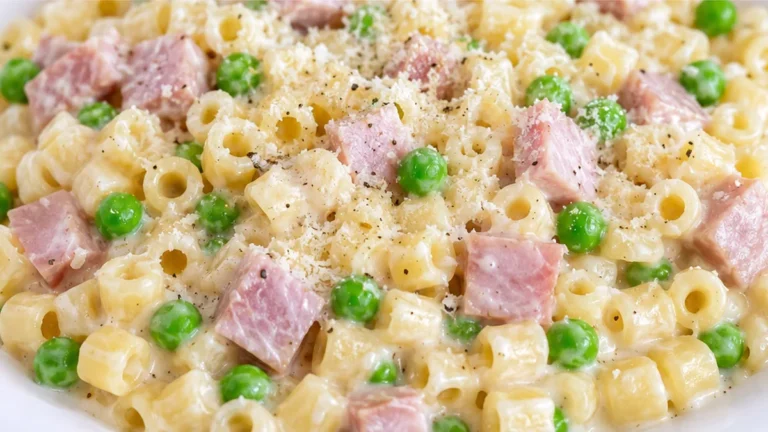

This creamy rice cooker mac cheese is simple to prepare. Using a rice cooker, you can achieve a creamy texture with minimal effort.
Key takeaways
- Understanding starch release is key to creaminess.
- Use the right pasta-to-liquid ratio for best results.
- Freshly shredded cheese melts better than pre-packaged.
- Adjusting cooking time can fix undercooked pasta.

Creamy Rice Cooker Mac & Cheese
Ingredients
Instructions
- Add the macaroni and vegetable broth to the rice cooker. Close the lid and cook on the ‘steam’ setting for 5 minutes. Stir the pasta twice during cooking.
- Cut the cream cheese into chunks. After 5 minutes, if the pasta has not absorbed all the broth, cook a few minutes longer.
- Turn the rice cooker to the ‘keep warm’ setting, and add the milk and cream cheese. Stir until the cream cheese has melted.
- Add half of the shredded cheddar and stir until melted, then repeat with the second half. If the sauce is too thick, stir in an extra splash of milk.
The Science Behind Creamy Rice Cooker Mac & Cheese
To achieve the perfect creamy texture in rice cooker mac and cheese, it is essential to understand the role of starches and emulsification. When pasta cooks, it releases starches into the water, which can help create a creamy sauce when combined with cheese. The ideal cooking temperature for pasta is around 85°C (185°F), which allows for optimal starch release without overcooking the pasta. The ratio of pasta to liquid is also crucial; a common starting point is 1:2, meaning for every cup of pasta, use two cups of liquid. This ensures the pasta is adequately hydrated while preventing it from becoming mushy.
Common Issues and Solutions
Even with a straightforward recipe, issues can arise. Here are some common problems and their solutions:
- Problem: The cheese sauce is too thick.
- Solution: If the sauce becomes too thick, add a splash of milk or broth gradually until the desired consistency is reached. This helps to loosen the sauce without compromising flavor.
- Problem: The pasta is undercooked.
- Solution: Ensure the rice cooker is set to the correct cooking cycle and check the pasta after the initial cooking time. If it is still firm, add a little more liquid and cook for an additional 5-10 minutes.
- Problem: The cheese is clumping.
- Solution: To prevent clumping, shred the cheese yourself instead of using pre-packaged shredded cheese, which often contains anti-caking agents. Gradually add cheese to the hot pasta off the heat to allow it to melt evenly.
Ingredient Swaps and Their Effects
Substituting ingredients can alter the flavor and texture of your mac and cheese. Here are some common swaps:
- Swap: Whole milk for skim milk.
- Effect: Using skim milk will result in a less creamy texture, but it will be lower in calories.
- Swap: Cheddar cheese for Gruyère cheese.
- Effect: Gruyère adds a nutty flavor and creamier texture, but it may require a longer melting time.
- Swap: Elbow macaroni for whole wheat pasta.
- Effect: Whole wheat pasta provides additional fiber and nutrients but may require a slight adjustment in cooking time.
Unique Aspects of This Dish
Creamy rice cooker mac and cheese stands out from traditional methods due to its one-pot cooking approach. This method not only simplifies the cooking process but also allows for the flavors to meld together more effectively. The rice cooker maintains a consistent temperature, ensuring even cooking and reducing the risk of burning the cheese or pasta. Additionally, the use of a rice cooker means you can prepare this dish with minimal supervision, making it an ideal option for busy weeknights.
Optimal Storage Techniques for Creamy Rice Cooker Mac & Cheese
Storing creamy rice cooker mac and cheese requires careful attention to maintain its texture and flavor. To store leftovers, allow the dish to cool completely before transferring it to an airtight container. This prevents condensation, which can lead to a watery texture. The mac and cheese can be refrigerated for up to three days. For longer storage, consider freezing it. When freezing, portion the mac and cheese into individual servings and wrap them tightly in plastic wrap before placing them in a freezer-safe container. This method helps to preserve the creamy consistency and flavor.
When reheating, it’s best to do so gradually. Thaw frozen portions in the refrigerator overnight, then reheat in the microwave or on the stovetop, adding a splash of milk or cream to restore creaminess. Avoid reheating multiple times, as this can lead to a dry and grainy texture.
Scaling Up for Gatherings: Adjusting Ingredients and Cooking Time
When preparing creamy rice cooker mac and cheese for larger gatherings, it’s essential to scale the ingredients appropriately. A typical serving size is about 1 cup per person, so calculate the total amount based on the number of guests. For instance, if cooking for ten people, you might want to prepare around 2.5 liters of mac and cheese. This typically requires increasing the amount of pasta, cheese, and liquid proportionally.
However, scaling up also affects cooking time. While a single batch might take around 30 minutes, a larger batch may require an additional 10-15 minutes, depending on the rice cooker’s capacity. It’s crucial to monitor the cooking process closely, as larger quantities can impact how evenly the dish cooks. Consider stirring halfway through to ensure even heat distribution.
Equipment Variations and Their Impact on Cooking Results
The type of rice cooker used can significantly influence the outcome of creamy rice cooker mac and cheese. For example, a basic rice cooker may not provide the same level of heat control as a multi-functional cooker with sauté and simmer settings. If using a basic model, it’s advisable to stir the mixture more frequently to prevent sticking and ensure even cooking.
On the other hand, a high-end rice cooker with advanced features can enhance the dish’s creaminess by allowing for precise temperature control. This is particularly beneficial when melting cheese, as it prevents the cheese from separating or becoming grainy. Additionally, some cookers have a ‘keep warm’ setting that can help maintain the dish’s texture without overcooking it.
Pairing Suggestions and Serving Tips for Creamy Rice Cooker Mac & Cheese
Serving creamy rice cooker mac and cheese can be a delightful experience when paired with the right accompaniments. This dish pairs wonderfully with a fresh green salad, which adds a refreshing contrast to the richness of the mac and cheese. Consider a simple arugula salad with lemon vinaigrette to cut through the creaminess.
For those looking to add protein, grilled chicken or sautéed shrimp can be excellent additions. These proteins not only complement the flavors but also enhance the meal’s nutritional value. Additionally, consider topping the mac and cheese with breadcrumbs mixed with herbs and spices before serving, which adds a satisfying crunch. Serving it in individual ramekins can also elevate the presentation, making it suitable for gatherings or special occasions.
Understanding the Importance of Cheese Quality in Creamy Rice Cooker Mac & Cheese
The choice of cheese significantly impacts the flavor and texture of creamy rice cooker mac cheese. High-quality cheeses with good melting properties, such as sharp cheddar, Gruyère, or Monterey Jack, can enhance the creaminess and overall taste of the dish. For instance, aged cheddar has a stronger flavor and melts beautifully, while Gruyère adds a nutty note. When selecting cheese, consider the moisture content; drier cheeses may result in a grainy texture, while creamier varieties contribute to a velvety sauce. Aim for a cheese blend to balance flavor and creaminess—using a combination of sharp and mild cheeses can create depth in taste. You can also experiment with adding a small amount of cream cheese or mascarpone for extra creaminess. Remember that the quality of cheese can vary, so always opt for freshly grated cheese over pre-shredded options, as the latter often contains anti-caking agents that can affect melting.
Batch Scaling and Its Effects on Cooking Time and Texture
When scaling up your creamy rice cooker mac cheese recipe, it’s essential to adjust not only the ingredient quantities but also the cooking time and method. Increasing the batch size can lead to uneven cooking if not managed correctly. A larger volume may require a longer cooking time, so monitor the rice cooker closely and check for doneness. It’s advisable to stir the mixture halfway through cooking to ensure even heat distribution. Additionally, when increasing the amount of pasta, consider the water-to-pasta ratio; a general rule is to maintain a 2:1 liquid-to-pasta ratio for optimal creaminess. If you’re making a significantly larger batch, you may need to cook it in multiple rounds to avoid overcrowding the rice cooker, which can lead to undercooked pasta. Finally, be mindful of the cheese quantity; too much cheese can make the dish overly rich, while too little may result in a bland flavor. Adjust the seasoning accordingly, especially salt, as larger batches may require more seasoning to achieve the desired taste.
Pro tips
Pro tip: Best served immediately while hot!
Frequently asked questions
Can I use gluten-free pasta for this recipe?
Yes, gluten-free pasta can be used, but be sure to adjust the cooking time as it may cook faster than traditional pasta. Monitor it closely to avoid overcooking.
What type of cheese works best for creamy mac and cheese?
Cheddar is a classic choice, but mixing it with other cheeses like Gruyère or mozzarella can enhance creaminess and flavor. Experiment with different combinations to find your favorite.
How can I add vegetables to my mac and cheese?
Adding cooked vegetables like broccoli, spinach, or peas can enhance nutrition and flavor. Stir them in after the pasta has cooked but before adding the cheese.
Can I prepare this dish in advance?
Yes, you can prepare the mac and cheese in advance and reheat it later. Add a little extra milk when reheating to restore creaminess.
More from Creamy Pasta Recipes →