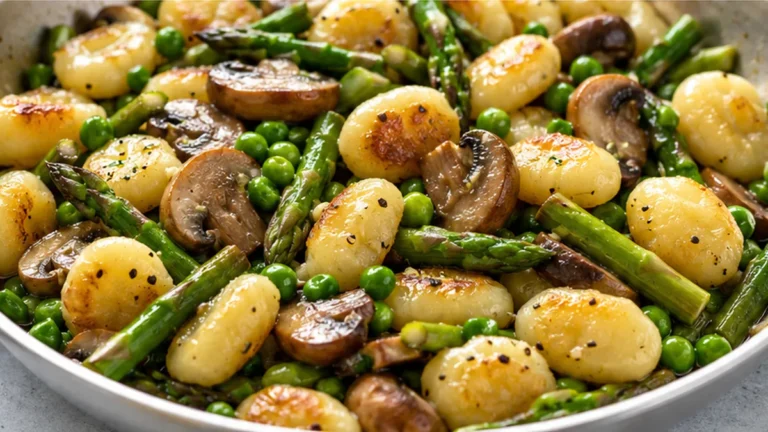

This three cheese orzo comfort food combines orzo pasta with a creamy cheese blend. It’s a straightforward recipe that delivers warmth and satisfaction.
Key takeaways
- Use a combination of sharp cheddar, mozzarella, and Parmesan for depth and creaminess.
- Cook orzo al dente to avoid mushiness and maintain texture.
- Add cheese gradually over low heat for a smooth sauce.
- Incorporate fresh herbs or sautéed garlic for added flavor.

Three-Cheese Orzo Comfort Food
Ingredients
Instructions
- In a large saucepan over medium heat, melt the butter.
- Add diced onions and cook until tender, about 3-4 minutes.
- Add minced garlic and cook until fragrant, about 1 minute.
- Stir in orzo and cook until lightly toasted, stirring constantly for 2-3 minutes.
- Pour in chicken broth and bring to a boil.
- Cover, reduce heat, and simmer for 10-15 minutes or until most of the broth is absorbed.
- Remove from heat and stir in cheese until melted and creamy.
The Importance of Cheese Selection in Three-Cheese Orzo
The choice of cheeses is crucial in achieving the desired creaminess and flavor profile in three-cheese orzo comfort food. A combination of sharp cheddar, creamy mozzarella, and tangy Parmesan creates a well-rounded dish. Cheddar provides depth, mozzarella adds stretchiness, and Parmesan contributes umami. Aim for a balance of aged and fresh cheeses to enhance the overall texture and taste.
Understanding Cooking Times for Perfectly Cooked Orzo
Orzo typically cooks in 8-10 minutes, but it’s essential to monitor the cooking process closely. Overcooking can lead to mushy pasta, while undercooking results in a firm texture. The ideal orzo should be al dente, meaning it retains a slight bite. To test, taste the orzo a minute or two before the package’s recommended cooking time. Drain immediately to halt the cooking process.
Balancing Creaminess and Flavor in the Sauce
The sauce for three-cheese orzo should be creamy but not overly rich. Achieving this balance involves careful control of heat and the timing of adding cheeses. Incorporating cheese gradually while stirring over low heat allows for a smooth emulsion, preventing clumping. If the sauce becomes too thick, add a splash of pasta cooking water to loosen it while enhancing flavor.
Common Issues and How to Resolve Them
One common issue is the sauce becoming grainy. This can happen if the cheese is added too quickly or at too high a temperature. To fix this, remove the pan from heat and whisk vigorously to re-emulsify. Another problem is a lack of flavor; if the dish tastes bland, consider adding more seasoning or a splash of lemon juice for brightness. If the orzo absorbs too much liquid, simply add more broth or cream to restore consistency.
Unexpected Ingredients That Can Elevate Your Dish
While the core recipe focuses on three cheeses, consider incorporating ingredients like sautéed garlic or shallots for depth of flavor. Fresh herbs like basil or parsley can add brightness and freshness, making the dish more vibrant. A pinch of nutmeg can also enhance the creaminess and add a subtle warmth that complements the cheeses.
How to Store Leftover Three-Cheese Orzo for Maximum Freshness
Storing leftover three-cheese orzo requires careful attention to maintain its creamy texture and flavor. Allow the dish to cool completely before transferring it to an airtight container. It can be refrigerated for up to 3-4 days. To reheat, add a splash of milk or cream to restore its creamy consistency and heat gently on the stove or in the microwave. Avoid overheating, as this can lead to a grainy texture.
Scaling Up or Down: Adjusting Portions of Three-Cheese Orzo
Scaling the recipe for three-cheese orzo is straightforward, but there are key ratios to consider. For every cup of orzo, use approximately 2.5 cups of liquid (broth or water) to ensure proper cooking. If doubling the recipe, be mindful of the pot size; a larger pot ensures even cooking and prevents overflow. Additionally, when increasing the recipe, taste and adjust seasoning as flavors can dilute with larger volumes.
Choosing the Right Equipment for Cooking Three-Cheese Orzo
The choice of equipment can significantly affect the outcome of your three-cheese orzo. A heavy-bottomed pot or Dutch oven is ideal for even heat distribution, preventing the orzo from sticking or burning. Non-stick pans can also work well, but be cautious with high heat. Using a wooden spoon or silicone spatula helps prevent scratching the surface. If using an Instant Pot, adjust the cooking time to about 4-5 minutes under high pressure, followed by a natural release for best results.
Seasonal Adjustments for Three-Cheese Orzo: Ingredients Matter
Ingredient quality can vary with the seasons, impacting the overall flavor of your three-cheese orzo. For instance, in summer, fresh herbs like basil or parsley can brighten the dish, while in winter, roasted garlic or sautéed onions can add depth. Additionally, consider incorporating seasonal vegetables, such as spinach or asparagus in spring, which can enhance both nutrition and flavor. Adjusting the cheese selection based on availability, like using a sharp cheddar in fall or creamy goat cheese in spring, can also elevate the dish.
How to Prepare Three-Cheese Orzo in Advance
Making three-cheese orzo ahead of time can be a great way to save time on busy days. To do this, cook the orzo and prepare the cheese sauce as per the recipe instructions. Once cooked, allow the dish to cool completely before storing it in an airtight container. It can be refrigerated for up to three days. When ready to serve, reheat gently on the stove over low heat, adding a splash of milk or cream to restore the creaminess. This method helps to maintain the texture and flavor of the dish.
Adjusting Serving Sizes for Three-Cheese Orzo
Scaling the portion size of three-cheese orzo is straightforward, but it requires careful attention to cooking times and ingredient ratios. When doubling or halving the recipe, maintain the same cooking time for the orzo, but monitor the cheese sauce closely. If increasing the batch, consider using a larger pot to ensure even heat distribution, which is crucial for a creamy sauce. Remember, larger quantities may need a few extra minutes of cooking for the flavors to meld properly.
Choosing the Right Equipment for Cooking Three-Cheese Orzo
The equipment you use can significantly affect the outcome of your three-cheese orzo. A heavy-bottomed pot is ideal for even heat distribution, preventing the cheese from scorching. Non-stick pans can also be beneficial for easy cleanup. If using a pasta pot with a strainer, ensure it has a wide enough opening to facilitate easy draining of the orzo. Additionally, a whisk is essential for blending the cheese into the sauce smoothly, avoiding any lumps.
Seasonal Ingredient Quality and Its Impact on Three-Cheese Orzo
The quality of your ingredients can greatly influence the flavor of three-cheese orzo. Seasonal ingredients, such as fresh herbs or vegetables, can enhance the dish’s taste profile. For instance, adding fresh spinach in spring or roasted butternut squash in autumn can elevate the dish. Always opt for high-quality cheeses, as they are the backbone of the flavor. In contrast, using pre-grated cheese may result in a less creamy texture due to the anti-caking agents used in processing.
Understanding the Impact of Cheese Types on Flavor and Texture
The choice of cheese in your three cheese orzo comfort food significantly affects both flavor and texture. Aged cheeses like Parmesan provide a robust umami flavor, while softer cheeses like mozzarella contribute creaminess and stretch. For example, using a sharp cheddar instead of a mild one will enhance the dish’s flavor profile, but it may also alter the melting characteristics. Aim for a balance: a hard cheese for depth, a semi-soft for creaminess, and a fresh cheese for moisture. The ratios can be adjusted, but typically, a combination of 1 part hard cheese, 1 part semi-soft, and 1 part fresh cheese creates a harmonious blend. If you notice the dish lacks flavor, consider increasing the proportion of aged cheese.
How to Serve Three Cheese Orzo for Maximum Enjoyment
Serving temperature and presentation can elevate your three cheese orzo comfort food experience. For the best taste, serve it hot, as the cheeses will be at their most melty and flavorful. Consider garnishing with fresh herbs like basil or parsley to add a burst of color and freshness. Pairing this dish with a crisp green salad or roasted vegetables can create a well-rounded meal, balancing the richness of the orzo. If serving as a main dish, a side of garlic bread or a light soup can complement the flavors without overwhelming them. To maintain the dish’s creamy texture, avoid letting it sit too long before serving, as it can thicken as it cools.
Understanding the Role of Orzo in Three-Cheese Dishes
Orzo, a type of pasta that resembles rice, plays a crucial role in the texture and overall experience of three-cheese orzo comfort food. Its unique shape allows it to absorb flavors from the cheese and sauce, creating a cohesive dish. The ideal cooking time for orzo is around 8-10 minutes in boiling salted water, but it’s essential to check for al dente texture, as overcooking can lead to a mushy consistency. For every cup of dry orzo, use about 2.5 cups of water. This ratio ensures that the pasta cooks properly while maintaining a firm bite. Additionally, orzo’s starch contributes to the creaminess of the dish, helping to create a luscious sauce when combined with the cheeses.
How to Enhance Flavor with Complementary Ingredients
While the three cheeses provide a rich foundation for flavor, adding complementary ingredients can elevate the dish further. Consider incorporating sautéed garlic, shallots, or fresh herbs like thyme or basil into the mix. These ingredients should be added at the beginning of the cooking process to develop their flavors. For an unexpected twist, a splash of white wine can be added after sautéing the aromatics, allowing it to reduce and infuse the dish with depth. If you want to add a protein, cooked chicken or sautéed spinach can be mixed in without overpowering the cheese’s richness. When making these additions, be mindful of the overall balance; for instance, if adding spinach, consider reducing the amount of cheese slightly to maintain the dish’s creamy consistency.
Pro tips
Pro tip: Best served immediately while hot!
Frequently asked questions
Can I use different types of cheese?
Yes, you can experiment with different cheeses. For example, Gruyère or fontina can be substituted for mozzarella, offering a unique flavor and texture. However, keep in mind that the overall creaminess and flavor profile will change.
What should I do if my sauce is too thick?
If your sauce becomes too thick, add a small amount of pasta cooking water or broth gradually. This will help loosen the sauce without compromising the flavor, achieving the desired creamy consistency.
How can I make this dish healthier?
To make three-cheese orzo comfort food healthier, consider using whole grain orzo, which adds fiber. You can also reduce the amount of cheese or replace some with low-fat alternatives to decrease calories while still maintaining flavor.
Can I prepare this dish in advance?
Yes, you can prepare three-cheese orzo in advance. Cook the orzo and prepare the cheese sauce separately. Combine them before serving, adding a splash of water or broth to reheat and maintain creaminess.
More from Easy Pasta Recipes →