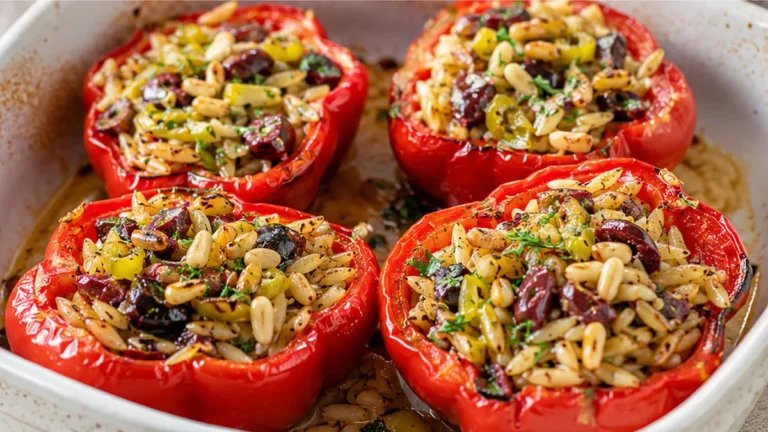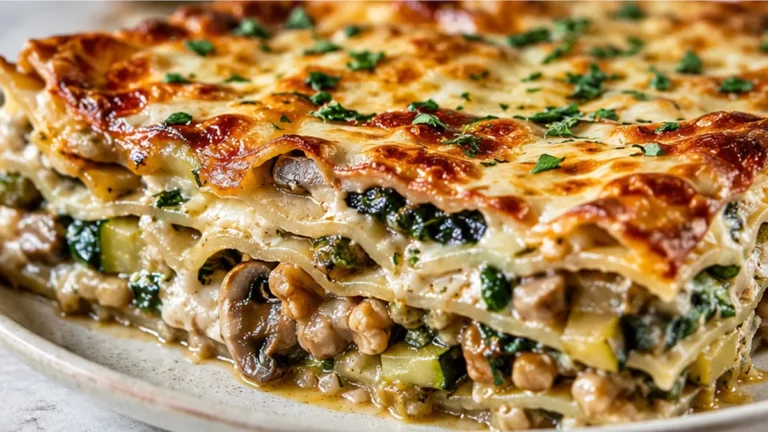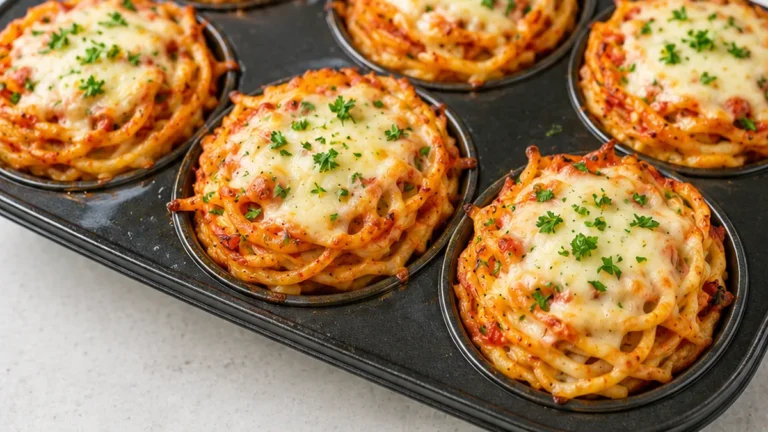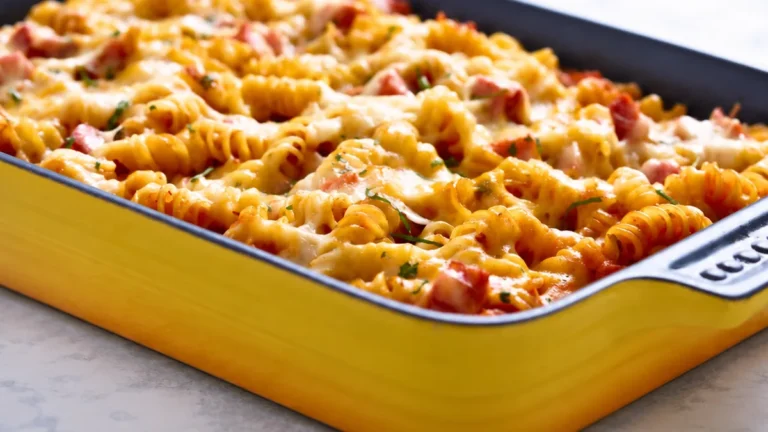
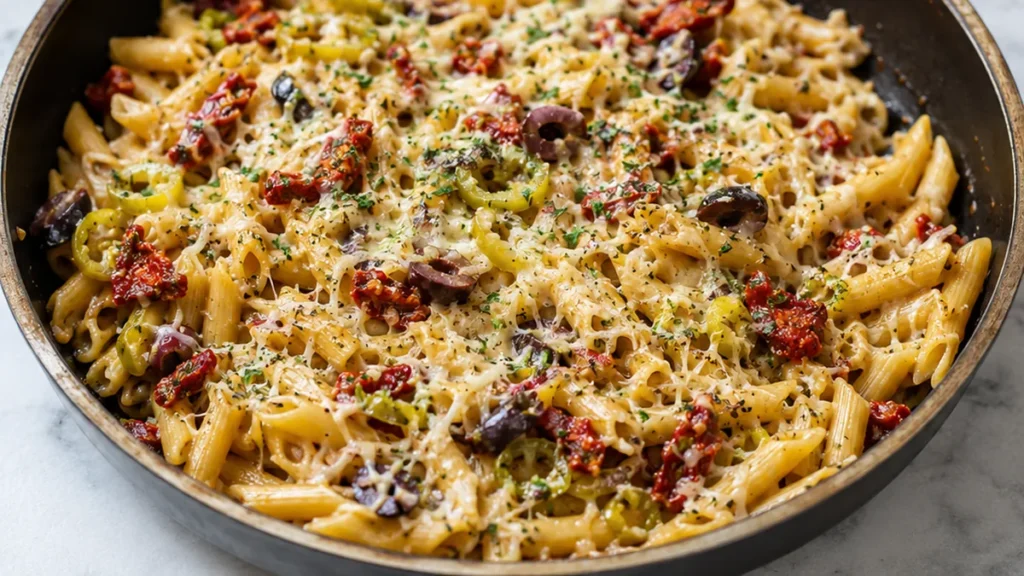
This baked cheesy pasta recipe transforms simple ingredients into a comforting, vibrant meal with minimal effort. The beauty of this dish lies in its one-pan approach, which means less cleanup and more time to savor the rich, herbaceous flavors. Good quality sun-dried tomatoes are key to unlocking a deep, savory base that permeates every strand of pasta. This baked cheesy pasta is perfect for busy weeknights or casual gatherings, offering a hearty and satisfying experience. It’s designed for home cooks who appreciate efficiency without compromising on taste, delivering a truly delicious and fuss-free dinner.
Key takeaways
- The pasta cooks directly in the sauce, absorbing liquid and releasing starches to create a creamy texture.
- Ensure pasta is fully submerged in liquid for even cooking and proper sauce development.
- Add cheese towards the end of baking to prevent oiliness and ensure smooth melting.
- Balance liquid-to-pasta ratio and oven temperature to avoid dryness or a watery sauce.
One Pan Cheesy Basil Pasta: Ultimate Comfort!
Ingredients
- 1/3 cup chopped sun-dried tomatoes, oil reserved and drained
- 2 tablespoons extra virgin olive oil
- 1 tablespoon dried basil
- 1 tablespoon dried oregano
- 1 tablespoon parsley
- 2 teaspoons dried dill
- 1 pinch red pepper flakes
- 1 pinch each kosher salt and black pepper
- 1/3 cup halved kalamata olives
- 2 tablespoons sliced pepperoncini (optional)
Instructions
- Preheat the oven to 400° F. Drain the sun-dried tomato oil into a 9×13 inch baking dish. Add the olive oil, basil, oregano, parsley, dill, and a pinch each of red pepper flakes, salt, and pepper.
- Toss in the chopped sun-dried tomatoes, olives, and pepperoncini. Add the dry pasta and toss with the oil, making sure the pasta gets fully coated in oil and herbs. Pour over 2 1/2 cups water. Stir to combine. Push down on the pasta to submerge it.
- Add the mozzarella and cheddar, then layer on the bell peppers and parmesan. It will seem like a lot of peppers, but they cook down in the oven.
- Rub the underside of a piece of foil with oil. Tightly cover the baking dish with the foil, oiled side facing down. Bake for 30 minutes.
- Uncover and bake another 20-25 minutes, or until the cheese is melted and bubbly. Remove from the oven and top with fresh basil.
Notes
The technique that makes it
This one-pan baked cheesy pasta relies on the principle of controlled hydration and heat to achieve its signature creamy, cohesive texture without becoming mushy. The pasta, uncooked, is submerged in liquid (typically broth or water, though not explicitly listed here, it’s implied for baking) along with the other ingredients. As the dish bakes, the dry pasta absorbs the surrounding liquid, expanding and softening. Crucially, the starches released from the pasta during this absorption and cooking process act as a natural thickener, creating a sauce-like consistency. The cheese, added towards the end of baking or stirred in after, melts and emulsifies with the starchy liquid and rendered fats from any additional ingredients (like sun-dried tomatoes), forming a rich, glossy coating. The residual heat in the oven and the pasta ensures the cheese melts thoroughly and integrates seamlessly. The key is the balance of liquid to pasta and the oven temperature; too much liquid or too high a temperature can lead to a watery or burnt dish, respectively, while too little liquid will result in undercooked pasta.
Troubleshooting
- Problem: Pasta is undercooked or dry. Fix: Ensure the pasta was fully submerged in liquid before baking. If it happens during baking, add a splash more hot liquid (broth or water) and continue baking, covered, until tender.
- Problem: Sauce is watery or separated. Fix: This often indicates too much liquid or insufficient starch release. Stirring in a bit more cheese or a tablespoon of cornstarch slurry (cornstarch mixed with cold water) and returning to the oven for a few minutes can help thicken it.
- Problem: Cheese is oily or clumpy. Fix: This can happen if the cheese is added too early or the dish is overheated. Stir vigorously after removing from the oven; the residual heat should help emulsify it. For future attempts, add cheese during the last 10-15 minutes of baking.
- Problem: Dish is burnt on the bottom. Fix: The oven temperature may be too high, or the pan is too shallow. Ensure the pasta is adequately covered by liquid. For future bakes, consider using a slightly deeper pan or reducing the oven temperature by 25°F (15°C).
Substitutions
- Sun-dried tomatoes: Substitute with chopped roasted red peppers or sun-dried tomatoes packed in oil (drained and chopped). The flavor profile will be slightly different, with roasted red peppers offering a sweeter, milder taste.
- Kalamata olives: Use pitted black olives or green olives, such as Castelvetrano. The saltiness and brine will be similar, though Kalamata offers a distinct fruity, peppery note.
- Dried herbs (basil, oregano, dill): Fresh herbs can be used, but you’ll need a larger quantity (roughly triple the amount) and should add them towards the end of baking or after to preserve their fresh flavor and color.
- Pepperoncini: Omit if unavailable or disliked. The slight tang and heat will be missed, but the dish will still be flavorful. Alternatively, use a few slivers of pickled jalapeño for a different kind of heat.
Pro tips
- Don’t overfill the baking dish; ensure enough space for the pasta to expand and absorb the liquid. If your dish is too small, use a larger one or reduce the pasta quantity slightly.
- For a richer flavor, use a mix of aged cheddar and fresh mozzarella. The aged cheddar provides a sharp, nutty note, while the fresh mozzarella offers that satisfying, melty cheese pull.
- The pasta should reach an internal temperature of 165°F (74°C) for food safety, though typically it’s cooked until tender. If the top browns too quickly, tent it loosely with foil for the final baking stage.
- Store any leftover baked cheesy pasta in an airtight container in the refrigerator for up to 3 days. Reheat gently in the oven at 300°F (150°C) for 15-20 minutes, or microwave individual portions until warmed through, adding a splash of water if dry.
This one-pan baked cheesy pasta is a testament to how simple ingredients can create extraordinary comfort. Enjoy this flavorful dish and feel free to customize it with your favorite vegetables or cheeses. Bon appétit!
Frequently asked questions
Can I use fresh herbs instead of dried?
Yes, you can substitute fresh herbs, but you’ll need a larger quantity – roughly three times the amount of dried herbs. Add fresh herbs towards the end of the baking time or after removing the dish from the oven to maintain their vibrant flavor and color.
My pasta is still hard after baking. What went wrong?
This usually means there wasn’t enough liquid, or the pasta wasn’t fully submerged. For a quick fix, add more hot liquid (like broth or water), cover the pan, and continue baking until the pasta is tender. Ensure complete submersion next time.
How do I prevent the cheese from becoming oily?
Adding the cheese during the last 10-15 minutes of baking helps prevent it from separating and becoming oily. Stirring vigorously once it’s out of the oven can also help emulsify the cheese with the sauce.
Can I make this recipe ahead of time?
While best served fresh, you can assemble the ingredients (except cheese) ahead of time and refrigerate. Add the cheese and bake as directed, likely needing a few extra minutes of baking time to account for the cold ingredients.
More from Easy Pasta Recipes →