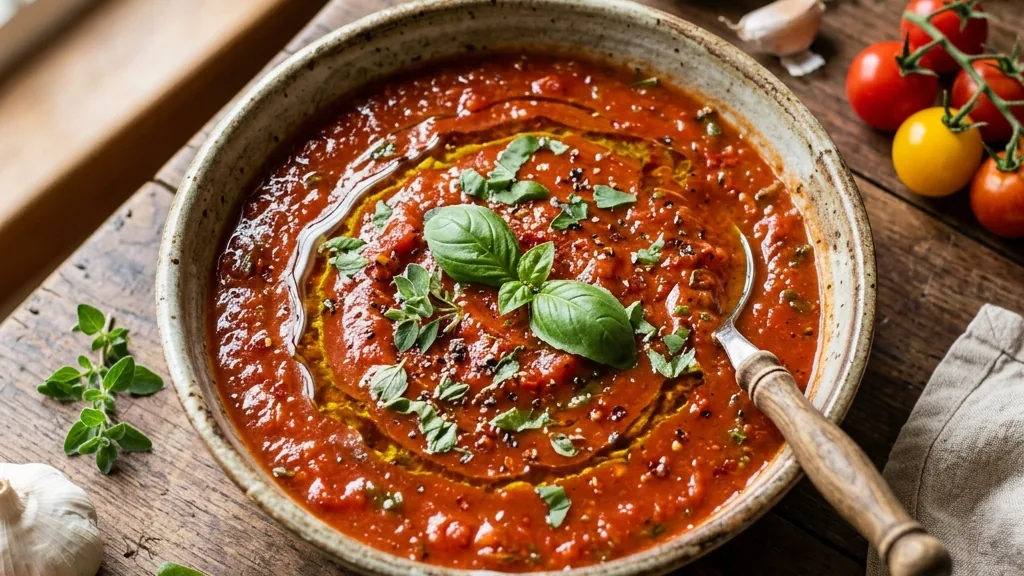
Here is the reassuring news up front: most gluten free pasta sauce questions have a simple answer, because plain tomato-based sauce is naturally gluten free. A classic marinara is little more than tomatoes, olive oil, onion, garlic, and herbs, none of which contain gluten. The catch, and the reason this question matters so much for anyone with celiac disease or a gluten sensitivity, is that gluten hides in places you would not expect, especially in thickeners, cream sauces, and vague label terms. This guide shows you exactly which sauces are safe, how to read a label like a pro, which store brands to trust, and how to make a foolproof gluten free sauce at home.
Most Tomato Sauces Are Naturally Gluten Free
Traditional Italian tomato sauces were never designed to contain wheat. A real marinara, arrabbiata, or pomodoro relies on the tomatoes themselves to provide body, reducing on the stove until thick. There is no flour, no wheat thickener, and no reason for gluten to be there at all. That means if you cook from scratch with whole ingredients, your sauce is gluten free by default and you never have to think twice.
The complications start with processed and convenience products, where manufacturers sometimes add thickeners, flavor carriers, or stabilizers to extend shelf life and cut cost. Those additions are where gluten sneaks in, so the rest of this guide is really about spotting the exceptions to an otherwise safe category.
The Hidden Gluten to Watch For
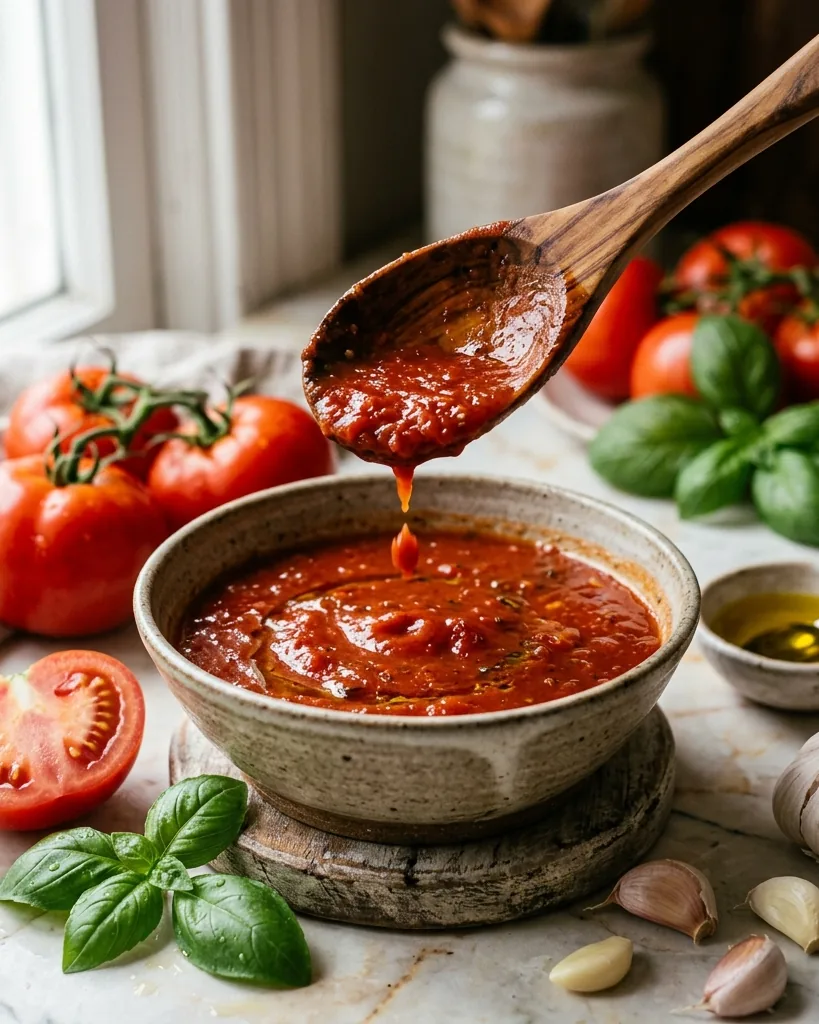
When you scan a jar’s ingredient list, these are the red flags that should make you pause or put it back on the shelf:
- Wheat flour, wheat starch, or modified wheat starch: Used as thickeners, especially in creamy and cheese-based sauces.
- Roux: The butter-and-flour base of Alfredo, bechamel, and many cheese sauces is pure gluten unless made with a gluten free flour.
- Soy sauce: Most soy sauce is brewed with wheat, and it turns up in some marinades and fusion-style sauces.
- Malt or malt vinegar: Derived from barley, which contains gluten.
- Hydrolyzed wheat protein: A flavor enhancer that names its gluten source right in the word.
- “Natural flavors” or “spice blend”: Generally fine, but some manufacturers use wheat-based carriers, so these vague terms are worth a second look if a product is not labeled gluten free.
- Modified food starch: In the United States, if this is made from wheat it must be declared, but it can also come from corn, so check the allergen statement.
The single most reliable habit is to read the ingredient list and the allergen statement every time, even on a brand you have bought before, because recipes change without warning.
What the “Gluten Free” Label Actually Means
A label is not just marketing. In the United States, the term “gluten free” on packaged food is regulated by the Food and Drug Administration (FDA). To use the claim, a product must contain less than 20 parts per million of gluten, the lowest level that can be reliably detected and a threshold that protects most people with celiac disease.
Beyond the FDA claim, some products carry a certification mark from an independent organization. Certified gluten free products are held to an even stricter standard and are made in facilities audited to prevent cross-contamination. If you or someone you cook for is highly sensitive, choosing a certified product adds a meaningful layer of safety on top of the basic label.
Sauce Types Ranked by Risk
Not all sauces carry the same odds of containing gluten. Knowing the pattern helps you shop faster.
| Sauce type | Gluten risk | Why |
|---|---|---|
| Marinara, tomato-basil, arrabbiata | Low | Naturally gluten free; thickened by reduction |
| Pesto | Low to moderate | Usually safe, but check for added thickeners or cheap fillers |
| Vodka sauce | Moderate | Cream-based; some versions add flour |
| Alfredo and cheese sauces | Higher | Often thickened with a wheat-flour roux |
| Gravy-style or “creamy” jarred sauces | Higher | Frequently use wheat starch or flour to thicken |
The simple rule of thumb: the closer a sauce is to plain tomatoes, the safer it usually is, and the creamier or more processed it gets, the more carefully you need to read the label.
Store Brands That Are Often Gluten Free
Several widely available brands make tomato sauces with no wheat thickeners, and many label them gluten free. Commonly trusted options include Rao’s Homemade, Barilla, Cento, Classico Tomato and Basil, Prego Farmers’ Market, and Yo Mama’s. Rao’s Homemade Marinara, for example, lists simply whole peeled tomatoes, olive oil, onions, garlic, basil, and oregano, with nothing standing in for gluten.
That said, treat any brand list as a starting point, not a guarantee. Companies reformulate, regional versions differ, and a cheese or Alfredo product from a brand whose tomato sauce is safe may not be. The label on the jar in your hand is always the final authority, so confirm it says gluten free or shows a clean ingredient list before you buy.
Make Your Own Gluten Free Pasta Sauce
The surest way to know exactly what is in your sauce is to make it, and a basic marinara could not be easier. Here is a reliable formula.
- One 28 oz can of crushed or whole peeled tomatoes
- 2 tablespoons of olive oil
- 1 small onion, finely chopped
- 2 to 3 cloves of garlic, minced
- A handful of fresh basil, plus a pinch of dried oregano
- Salt to taste and a small pinch of sugar to balance acidity
Warm the olive oil over medium heat and soften the onion for a few minutes, then add the garlic for about a minute until fragrant. Pour in the tomatoes, crushing whole ones with a spoon, season, and simmer gently for 20 to 30 minutes until thickened to your liking. Stir in the basil at the end. This makes roughly 4 servings and freezes beautifully, and because it thickens by reduction rather than flour, it is gluten free from start to finish. Spoon it over your favorite pasta, including our gluten free pappardelle, for a completely safe plate.
Thickening a Creamy Sauce Without Flour
Cream and cheese sauces are where gluten most often hides, because the classic way to thicken them is a wheat-flour roux. The good news is you do not need flour at all. To make a gluten free Alfredo or cream sauce, you have several easy options:
- Reduce the cream: Simmer heavy cream until it naturally thickens, then add cheese off the heat.
- Use a cornstarch slurry: Whisk a teaspoon of cornstarch into a little cold milk and stir it in; cornstarch is gluten free and thickens quickly.
- Lean on cheese: Finely grated Parmesan melted into warm cream thickens the sauce on its own.
- Swap in a gluten free flour blend: If you want a traditional roux, a cup-for-cup gluten free flour works in its place.
For a deeper dive into building a great sauce from scratch, our guide on how to make the pasta sauce walks through the technique, and every method there can be kept gluten free with these swaps.
Cross-Contamination: An Extra Step for Celiacs
For someone with celiac disease, a gluten free sauce is only part of the picture. Cross-contamination in the kitchen can undo all your careful shopping. A few habits keep things truly safe:
- Cook gluten free pasta in its own pot of fresh water, not water that has boiled regular pasta.
- Use clean, separate spoons and colanders, since wheat flour and starch cling to surfaces.
- Store gluten free sauces and ingredients away from open flour to avoid airborne contamination.
- When in doubt at home or eating out, ask, and choose certified gluten free products for the highest sensitivity.
These steps matter most for those with diagnosed celiac disease, where even trace gluten triggers a reaction. The Celiac Disease Foundation is a reliable resource for anyone navigating a strict gluten free diet.
How to Read a Sauce Label in Ten Seconds
Once you know the pattern, checking a jar becomes quick. Work through it in this order, and you can clear or reject most products in under half a minute.
- Look for a gluten free claim first. If the jar clearly states it, the product meets the federal standard and you are most of the way there.
- Scan the allergen statement. The “Contains: wheat” line at the bottom is the fastest disqualifier. No wheat warning is a good sign, though not a guarantee on its own.
- Skim the ingredient list for thickeners. Flour, starch, and roux are your main targets. A short list of recognizable foods is reassuring.
- Watch the vague terms. If you see “natural flavors” or “spice blend” on a product with no gluten free claim, and you are highly sensitive, choose something clearer.
This routine takes about ten seconds per jar and saves you from the much longer headache of an accidental gluten exposure.
Storing Homemade Gluten Free Sauce
A batch of homemade marinara is worth making in quantity, because it keeps well and saves you cooking on a busy night. Once cooled, store it in an airtight container in the refrigerator for 3 to 4 days, the standard window for cooked foods. For longer storage, freeze it in portions for up to 3 months, and thaw a container in the fridge overnight when you need it. As a food-safety basic, do not leave the cooked sauce at room temperature for more than 2 hours, since that is when bacteria multiply fastest.
Freezing in single-meal portions makes a weeknight dinner as simple as reheating one container while your pasta boils, and because your homemade sauce was free of wheat to begin with, you never have to re-check a label.
Gluten Free and Other Diets
A naturally tomato-based sauce is friendly to more than just a wheat-free diet, which is handy when you cook for a mixed table. A simple marinara made with oil, tomatoes, and herbs is also dairy free and vegan, so it covers several needs at once. If you build a creamy version, that is where overlaps end, since cream and cheese add dairy even when the sauce stays free of wheat. When feeding a group with different restrictions, a big pot of plain tomato sauce is the safest common denominator: keep any cheese or cream on the side so each person can add what suits them, and you will have one dish that works for nearly everyone.
Ordering Pasta Sauce Safely at Restaurants
Eating out adds variables you cannot control as tightly as at home, so a little communication goes a long way. Tell your server you need a gluten free meal, not just a preference, so the kitchen takes cross-contamination seriously. Ask whether the tomato sauce is thickened with flour, whether cream sauces use a roux, and whether gluten free pasta is cooked in separate water. Many kitchens now handle these requests routinely, but the burden of asking is on you, and a clear question is far better than a bad reaction later. When a restaurant cannot answer confidently, a plain tomato or oil-based sauce over a verified gluten free pasta is usually the safest order.
Frequently Asked Questions
Is pasta sauce gluten free?
Most plain tomato-based pasta sauces are naturally gluten free, since they are made from tomatoes, oil, onion, garlic, and herbs. The exceptions are creamy, cheesy, or heavily processed sauces that may use a wheat-flour roux or wheat-based thickeners. Always read the label, and look for a gluten free claim if you have celiac disease.
Which pasta sauce ingredients contain hidden gluten?
Watch for wheat flour, wheat starch, modified wheat starch, roux, soy sauce, malt or malt vinegar, and hydrolyzed wheat protein. Vague terms like u0022natural flavorsu0022 or u0022spice blendu0022 can occasionally hide wheat-based carriers, so favor products that are clearly labeled gluten free if you are sensitive.
Is Alfredo sauce gluten free?
Not always. Many Alfredo and cheese sauces are thickened with a wheat-flour roux, which contains gluten. Some brands make gluten free versions, and homemade Alfredo is easy to keep gluten free by thickening with reduced cream, cheese, or a cornstarch slurry instead of flour. Check the label on any jarred version.
What does the gluten free label legally mean?
In the United States, the FDA allows a u0022gluten freeu0022 label only on products containing less than 20 parts per million of gluten, the lowest level reliably detectable and safe for most people with celiac disease. Independently certified gluten free products meet an even stricter standard and are made in audited facilities.
How do I make sure my homemade sauce is gluten free?
Use whole, naturally gluten free ingredients like canned tomatoes, oil, fresh aromatics, and herbs, and thicken by simmering rather than with flour. For creamy sauces, thicken with cornstarch, reduced cream, or cheese. Keep your tools and cooking water separate from regular pasta to avoid cross-contamination.
Is jarred marinara safe for celiac disease?
Many jarred marinaras are safe because they contain no wheat thickeners, but you should still confirm each product. Look for a gluten free claim or a clean ingredient list with no flour, starch, or roux, and avoid jars whose allergen statement lists wheat. For diagnosed celiac disease, a certified gluten free product offers the strongest assurance against trace contamination.
Common Mistakes to Avoid
Even careful shoppers slip up in a few predictable ways. Knowing them ahead of time keeps your meals safe.
- Assuming all tomato sauces are identical. Most are safe, but a creamy or “thick and hearty” jar can hide a wheat thickener, so the category alone is not a guarantee.
- Trusting a brand without rechecking. Recipes change, and a product that was safe last year may have been reformulated. The current label is the only one that counts.
- Forgetting the pasta water. A perfect gluten free sauce served over pasta cooked in shared water defeats the purpose for someone with celiac disease.
- Overlooking the cheese or topping. Some shredded cheeses use a starch anti-caking agent, and croutons or breadcrumb finishes obviously add gluten. Check the whole plate, not just the jar.
Sidestep these and you are left with what should be a low-stress category: a naturally safe sauce that, with a quick label check and clean tools, fits a gluten free table with ease.
The Bottom Line
Gluten free pasta sauce is mostly about knowing where the exceptions hide. Plain tomato sauces are naturally safe, so your real job is to read labels for wheat thickeners and roux, lean toward products that carry a gluten free claim, and keep cream and cheese sauces under extra scrutiny. When you want total control, a homemade marinara made from canned tomatoes, oil, garlic, and herbs is gluten free by nature, thickens without flour, and freezes for months. Pair it with a verified gluten free pasta, keep your cooking water and tools separate, and you can serve a sauce that is both delicious and completely safe for everyone at the table, no anxiety required.
The habit that ties it all together is simple consistency: read the label every time, favor short ingredient lists, and when a product or a restaurant cannot give you a clear answer, fall back on plain tomatoes and oil. Do that, and a gluten free diet stops feeling like a minefield at dinner and starts feeling like an ordinary, enjoyable meal, which is exactly how it should be.