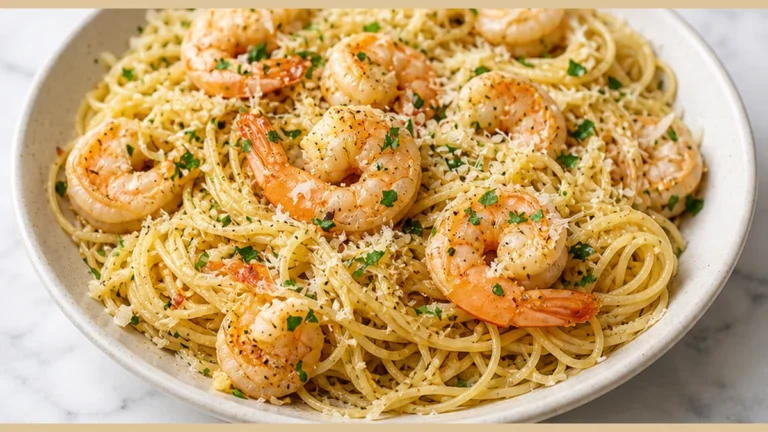
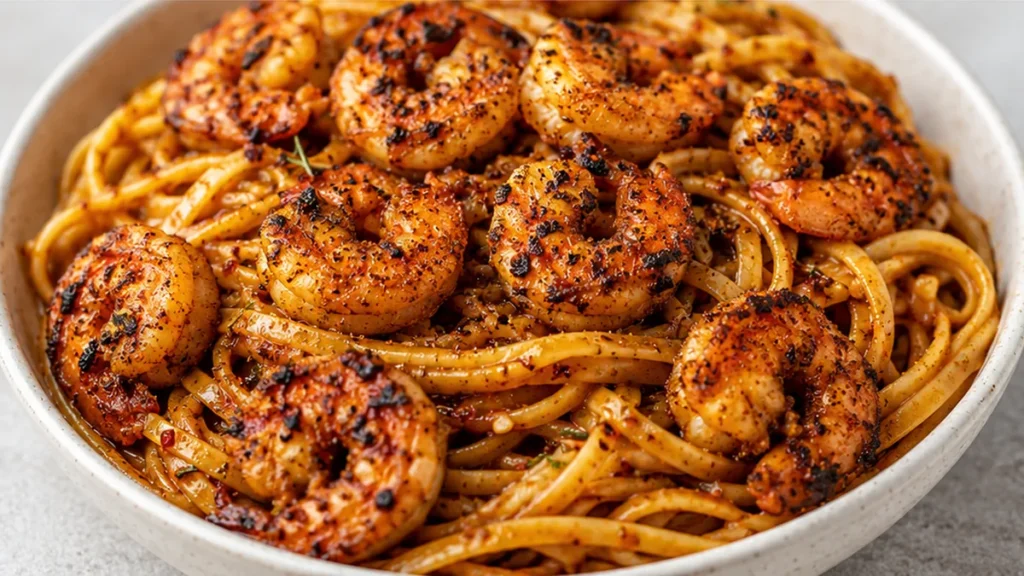
The key to exceptional blackened shrimp pasta lies in the spice blend and a quick sear to lock in the flavors. This recipe delivers a restaurant-quality meal on a weeknight using simple, accessible ingredients and minimal fuss. Blackened shrimp is a technique, not just a flavor profile; it involves cooking protein at high heat with a robust spice rub, creating a dark, crusty exterior while keeping the inside tender. This version makes for a dynamic, satisfying pasta dish that’s far from bland.
Key takeaways
- Achieve a deep, flavorful crust by ensuring shrimp are completely dry before seasoning and searing in a very hot skillet.
- Sear shrimp quickly on high heat to develop the Maillard reaction without overcooking or burning the spices.
- Monitor shrimp closely; they cook in minutes and become rubbery if overcooked.
- Use a well-seasoned cast-iron skillet for best heat retention and searing results.
Spicy Blackened Shrimp Pasta: Your New Obsession!
Ingredients
- 1 tbsp smoked paprika
- 1 tsp thyme
- 1 tsp oregano
- 1/2 tsp cumin
- 1/4 tsp cayenne pepper
- 1/4 tsp garlic powder
- 1/4 tsp onion powder
- 1/4 tsp salt
- Freshly cracked pepper
- 1/2 lb peeled and deveigned shrimp
Instructions
- In a small bowl, combine the herbs and spices for the blackening seasoning. Rinse the shrimp under cool water, drain, and then pat dry with a paper towel. Sprinkle the blackening seasoning over the shrimp and stir to coat.
- Bring a large pot of water to a boil for the pasta. Once boiling, add the pasta and cook until tender (7-10 minutes). Reserve about 1 cup of the starchy pasta water, then drain the pasta in a colander.
- While the pasta is cooking, mince the garlic and add it to a large skillet with the butter. Heat the butter and garlic over a medium flame until the butter starts to foam and sizzle. Continue to sauté the garlic in the sizzling butter for about one minute. Add the shrimp and sauté until they are opaque and slightly firm (3-5 minutes), then remove them from the skillet.
- Add the diced tomatoes (with juices) and about 1/2 cup of the pasta water to the skillet. Stir and cook over medium heat, dissolving the browned bits from the bottom of the skillet. Let the sauce simmer for 5-10 minutes, or until thickened slightly. Taste the sauce and add salt if needed (about 1/4 tsp).
- Add the cooked and drained pasta to the skillet and toss with the sauce (add some of the remaining reserved pasta water, if needed, to loosen the pasta). Return the shrimp to the skillet and stir to combine.
- Slice the green onions and chop the parsley leaves. Sprinkle both over top. Serve with sliced lemon to squeeze over top.
Notes
The technique that makes it
The magic of blackened shrimp lies in the high-heat searing and the specific spice blend. The combination of smoked paprika, thyme, oregano, cumin, cayenne, garlic powder, onion powder, and salt creates a flavorful crust. When the shrimp hits a very hot skillet, these spices toast and caramelize, forming a dark, flavorful exterior through the Maillard reaction. Crucially, the shrimp must be patted completely dry before seasoning. Moisture will steam the shrimp instead of searing it, preventing the formation of that signature dark crust and potentially leading to a rubbery texture. The heat needs to be high enough to achieve this sear quickly, typically in a cast-iron skillet for optimal heat retention and distribution, without burning the delicate spices.
Troubleshooting
- Shrimp is not dark/blackened: Ensure your skillet is sufficiently hot before adding the shrimp. If the pan is too cool, the spices will not caramelize properly. Also, confirm the shrimp was patted thoroughly dry; excess moisture prevents searing.
- Shrimp is rubbery: This usually indicates overcooking. Shrimp cook very quickly, often in just 2-3 minutes per side. Remove them from the heat as soon as they turn opaque and curl slightly.
- Spices are burnt: Your skillet might be too hot, or you may have cooked the shrimp for too long. Reduce the heat slightly for the second batch if necessary, and remove the shrimp promptly once cooked.
- Spice blend is too mild: Adjust the cayenne pepper for more heat, or ensure you are using fresh, good-quality spices for the most potent flavor.
Substitutions
- Shrimp: Large scallops can be substituted. They will require a similar searing time and will develop a nice crust with the spice blend.
- Smoked paprika: Regular paprika can be used, but the dish will lack the smoky depth. Consider adding a tiny pinch of liquid smoke to the spice mix if using regular paprika.
- Cayenne pepper: Red pepper flakes can be used for heat, though the flavor profile will be slightly different. Adjust the quantity to your spice preference.
- Fresh herbs (thyme/oregano): Dried herbs are specified and work well for this dry rub. If you prefer fresh herbs, chop them very finely and add them towards the end of cooking or as a garnish, as they will burn quickly in the high heat.
Pro tips
- Don’t overcrowd the pan when cooking shrimp; cook in batches if necessary to ensure a proper sear, not steam. Rushing this step is what turns shrimp rubbery.
- Reserve plenty of starchy pasta water. It’s your secret weapon for a silky, emulsified sauce. If the sauce seems too thick, a splash of this liquid can bring it back to life.
- A squeeze of fresh lemon juice at the end brightens all the flavors and cuts through the richness, don’t skip it.
This blackened shrimp pasta is a testament to how simple ingredients, when properly seasoned and cooked, can create an extraordinary meal. Experiment with your favorite pasta shape or add a touch of cream for extra richness. Enjoy your dish!
Frequently asked questions
What is the best type of pan for blackening shrimp?
A well-seasoned cast-iron skillet is ideal for blackening shrimp. It retains heat exceptionally well, allowing for a consistent, high temperature necessary to develop the signature crust through searing and caramelization without steaming the shrimp.
How do I prevent the spices from burning?
Ensure your skillet is hot but not smoking excessively before adding the shrimp. Sear the shrimp quickly, typically 2-3 minutes per side. If your pan runs very hot, you might need to slightly reduce the heat after the initial sear or work in batches.
Can I use frozen shrimp?
Yes, but it’s crucial to thaw them completely and pat them thoroughly dry with paper towels before seasoning. Any residual moisture will prevent the spices from searing properly and can lead to a steamed texture rather than a blackened crust.
What does ‘blackened’ actually mean in this recipe?
‘Blackened’ refers to the dark, flavorful crust formed on the shrimp due to the spices caramelizing and searing at high heat. It’s achieved through a quick, high-temperature sear, not by burning the shrimp. The spices create the color and intense flavor.
More from Easy Pasta Recipes →