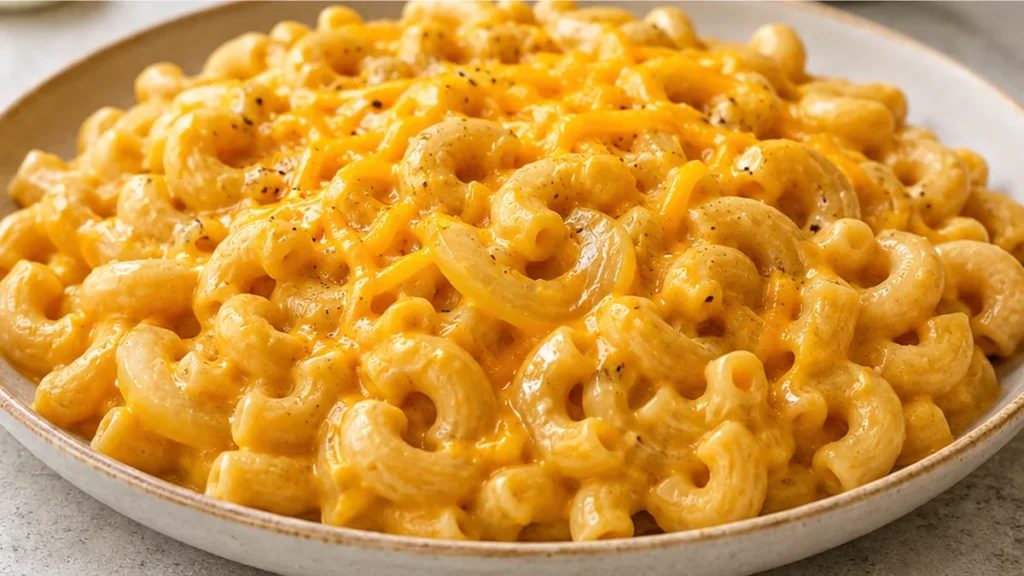
The secret to an exceptional butternut mac and cheese lies in the slow caramelization of onions, building a deep, sweet foundation that perfectly complements the squash. This recipe combines the classic comfort of macaroni and cheese with a sophisticated blend of flavors that makes it truly special. This butternut mac features a velvety squash sauce, savory bacon, and a delightful crunch from fresh apples. It’s an ideal dish for a comforting family dinner or a festive gathering, offering a unique twist on a beloved classic.
Key takeaways
- Achieve a smooth sauce by gently warming dairy and cheese off direct heat.
- Use evaporated milk and cream cheese for a rich, stable emulsion.
- Cook whole grain macaroni to al dente to prevent mushiness.
- Adjust sauce consistency with small additions of liquid or gentle simmering.
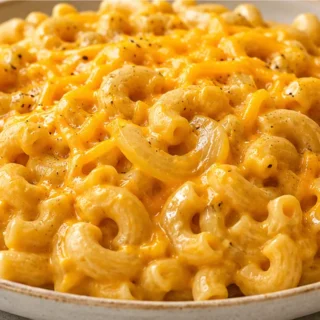
Creamy Butternut Mac & Cheese!
Ingredients
- 1 tablespoon butter
- 1/2 cup onions, sliced thinly
- 1/2 box whole grain elbow macaroni (about 2.5 cups dry)
- 1 cup canned butternut squash puree
- 1/4 cup chicken or vegetable broth
- 1/4 cup + 2 tablespoons evaporated milk
- 1 oz low fat cream cheese
- 1 teaspoon salt
- 1 large crispy apple, chopped or grated
- 1/2 cup shredded cheddar cheese
Instructions
- Heat butter in a skillet over low heat. When melted, add onions and let caramelize for at least 30 minutes for the best flavor. Keep heat on low/low-medium.
- Cook the pasta according to directions. Drain and return to pan over low heat. Add butternut squash, chicken broth, evaporated milk, and cream cheese. When combined, add in salt.
- Add onions and apples to the pasta. Stir to combine and add a tablespoon more broth or milk if needed.
- Just before serving, mix in cheese and stir until melted. Top each serving with 1 tablespoon bacon.
Notes
The Technique That Makes It Creamy
The success of this butternut mac and cheese hinges on achieving a smooth, emulsified sauce that clings beautifully to the pasta. The key lies in how the cheese and the squash puree are combined with the liquid base. We are not making a traditional béchamel here, which relies on a roux for thickening. Instead, the starch from the macaroni itself, combined with the natural thickening properties of the butternut squash puree and the emulsifying power of the cream cheese and evaporated milk, creates the creamy texture. It’s crucial to add the cheese and cream cheese off the direct heat or at a very low temperature once the squash mixture is warm. High heat can cause the dairy proteins to seize and the fats to separate, leading to a greasy or grainy sauce. The evaporated milk, with its reduced water content and concentrated milk solids, contributes to a richer mouthfeel and helps create a stable emulsion without adding excess liquid. Gentle warming and constant stirring are essential to ensure everything melts and incorporates smoothly.
Troubleshooting
- Sauce is too thick: Gradually whisk in more evaporated milk or broth, a tablespoon at a time, over low heat until the desired consistency is reached.
- Sauce is too thin: Simmer gently uncovered for a few minutes, stirring constantly, to allow some liquid to evaporate. Alternatively, dissolve 1 teaspoon of cornstarch in 1 tablespoon of cold water and stir it into the sauce, simmering until thickened.
- Sauce is grainy or separated: This is usually due to overheating. Remove from heat immediately. Whisk vigorously. If it doesn’t come back together, try stirring in a tablespoon of cold evaporated milk or broth to help re-emulsify.
- Macaroni is mushy: Ensure you are cooking the whole grain macaroni to al dente according to package directions. Whole grain pasta can absorb more liquid and become soft quickly if overcooked.
Substitutions
- Evaporated Milk: Heavy cream can be substituted, but use slightly less (about 1/3 cup) as it is richer and will create a very thick sauce. Half-and-half is another option, but may result in a slightly less rich sauce.
- Cream Cheese: Mascarpone cheese can be used for a similar creamy texture, though it is slightly sweeter. A small amount of ricotta cheese could also work, but may make the sauce a bit looser.
- Butternut Squash Puree: Roasted and pureed fresh butternut squash can be used. Ensure it is well-drained if it seems watery. Pumpkin puree (not pie filling) is also a viable substitute.
- Cheddar Cheese: Gruyere or Monterey Jack cheese can be used for a different flavor profile. A blend of cheeses will offer complexity.
Pro tips
– For truly rich caramelized onions, cook them low and slow for at least 30 minutes, stirring occasionally. Don’t rush this step. – Ensure your pasta is al dente before mixing with the sauce; it will continue to cook slightly. – If the sauce seems too thick, add a splash more broth or milk until it reaches your desired consistency. – For an extra layer of flavor, consider roasting the butternut squash yourself instead of using canned puree.
This butternut mac and cheese is a true standout, blending sweet, savory, and creamy textures into a dish everyone will adore. Experiment with different cheese blends or a sprinkle of fresh herbs for your own signature touch. Enjoy!
Frequently asked questions
Can I use fresh butternut squash instead of puree?
Yes, you can roast and puree fresh butternut squash. Ensure it’s well-drained before adding it to the sauce to avoid making it too watery. The flavor will be similar, but roasting can add a deeper, caramelized note.
What kind of macaroni is best?
Whole grain elbow macaroni is recommended for its texture and ability to hold sauce. Regular elbow macaroni or other small pasta shapes like shells or rotini will also work, but cooking times may vary.
How can I make this recipe vegan?
This recipe is difficult to make vegan as written due to the dairy. You would need to substitute the butter, evaporated milk, cream cheese, and cheddar cheese with plant-based alternatives like vegan butter, unsweetened plant-based milk, vegan cream cheese, and vegan cheddar shreds.
Why is my sauce lumpy?
Lumpiness usually occurs if the cheese is added to a sauce that is too hot, causing the proteins to seize. Ensure the squash mixture is warm, not boiling, and stir in the cheeses gently until fully melted and smooth.
More from Creamy Pasta Recipes →