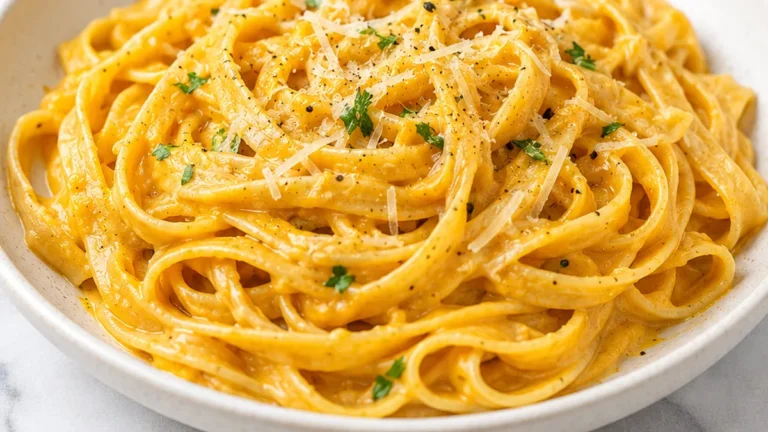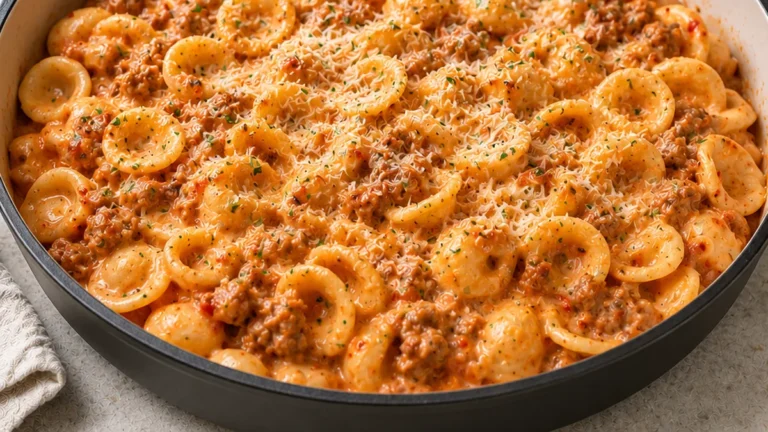
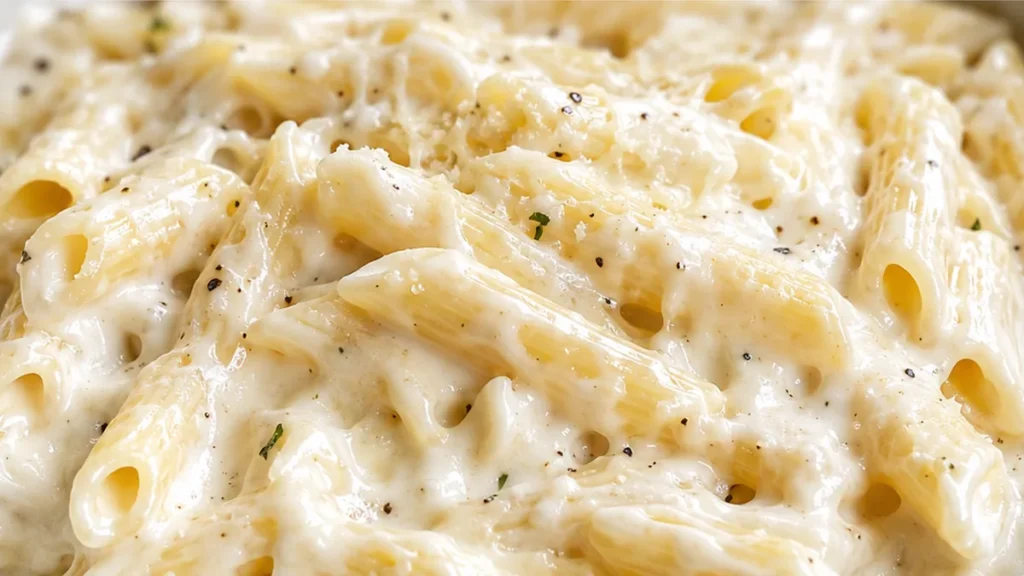
The secret to an unforgettable cheese pasta lies in the perfect blend of rich cheeses and starchy pasta water. This Four-Cheese Pasta recipe delivers exactly that, creating a luxuriously creamy sauce that clings beautifully to every piece of penne. It’s designed for maximum flavor with minimal effort, making it ideal for busy weeknights or when you simply crave a decadent meal. This recipe highlights how simple ingredients can transform into something extraordinary. By reserving pasta water and carefully melting the cheeses, you achieve a restaurant-quality sauce at home. It’s a dish that proves comfort food can be both quick and incredibly satisfying.
Key takeaways
- Cook penne al dente for best texture.
- Create a creamy emulsion with heavy cream and ricotta.
- Use freshly shredded cheese for optimal melting.
- Adjust sauce consistency with reserved pasta water.
4-Cheese Pasta: Comfort Food!
Ingredients
- 8 ounces penne pasta
- 2 tablespoons olive oil
- 1 tablespoon minced garlic
- 1 cup reserved pasta water
- 1 cup ricotta cheese
- 1 cup heavy cream
- ½ cup freshly shredded Parmesan cheese
- ½ cup freshly shredded mozzarella cheese
- ½ cup freshly shredded Asiago cheese
- Salt to taste
- Pepper to taste
Instructions
- Cook the penne pasta according to the package directions until al dente. Drain and reserve 1 cup of pasta water.
- Heat the olive oil in a large pan over medium-high heat. Add minced garlic and cook for 1 minute until fragrant.
- Whisk the reserved pasta water into the oil and garlic. Add ricotta cheese and heavy cream, then reduce heat to medium-low. Stir until smooth.
- Add shredded Parmesan, mozzarella, Asiago, and salt and pepper to taste. Whisk until melted and creamy.
- Toss the cooked penne pasta in the cheese sauce to coat.
- Serve immediately, garnished with extra cheese or fresh parsley if desired.
Video
Notes
The Importance of Pasta Cooking Time
Cooking the penne pasta to the right texture is crucial for achieving the perfect cheese pasta. For al dente pasta, boil it for 8-10 minutes in salted water. This timing allows the pasta to retain a slight firmness, which is essential for holding up against the creamy cheese sauce.
Creating a Creamy Cheese Emulsion
The key to a luscious cheese sauce is creating a stable emulsion. Start by sautéing minced garlic in olive oil to release its flavor, then gradually incorporate the heavy cream and ricotta cheese. The reserved pasta water, added slowly, helps bind the fats and proteins, creating a silky sauce. Aim for a ratio of 1 cup of pasta water to 1 cup of cream for optimal creaminess.
Understanding Cheese Melting Points
Each cheese in this recipe has a different melting point, which affects the final texture. For instance, mozzarella melts smoothly at around 130°F (54°C), while Parmesan adds a nutty flavor but doesn’t melt as much. Mixing these cheeses ensures a balanced flavor and texture. Use freshly shredded cheese for best results, as pre-shredded varieties often contain anti-caking agents that can affect melting.
How to Fix Common Sauce Issues
- Too Thick Sauce: If your sauce is too thick, gradually add more reserved pasta water to loosen it without losing flavor.
- Grainy Texture: If the cheese sauce becomes grainy, it may be due to overheating. Remove it from heat and whisk vigorously to smooth it out.
- Flavorless Dish: If the dish lacks flavor, season with additional salt, freshly cracked pepper, or a sprinkle of nutmeg to enhance the overall taste.
Substitutions and Their Effects
- Ricotta Cheese: Substitute with cottage cheese for a lower-fat option, but expect a slightly different texture.
- Heavy Cream: Use half-and-half for a lighter sauce, but it may be less creamy.
- Pasta Shape: Swap penne for fusilli or rotini; these shapes hold sauce well but may alter the cooking time slightly.
Understanding the Impact of Cheese Quality on Flavor
The flavor profile of your 4-cheese pasta heavily relies on the quality of the cheeses used. Freshly grated cheeses, like Parmesan, mozzarella, and Asiago, provide a more robust taste compared to pre-packaged options. The moisture content and aging of the cheese play critical roles; for instance, aged cheeses typically have a stronger flavor and less moisture, which can enhance the dish’s depth. Aim for cheeses with at least 30% fat content for a creamier consistency. When using ricotta, opt for whole milk ricotta for richer flavors. Remember that cheese quality can vary seasonally, so always taste before using.
Scaling the Recipe Without Compromising Texture
When scaling the recipe, maintaining the right cheese-to-pasta ratio is crucial to avoid a dry or overly rich dish. For every additional 4 ounces of penne pasta, increase the cheese and cream mixture proportionally. A good rule of thumb is to maintain a 1:1 ratio of cheese to pasta by weight. If doubling the recipe, ensure you have enough pot size to accommodate the pasta and sauce without overcrowding, which can lead to uneven cooking. Additionally, consider that cooking time may slightly increase with larger batches, so monitor the pasta closely.
Choosing the Right Equipment for Optimal Cooking
The equipment you use can significantly affect the outcome of your 4-cheese pasta. A large pot is essential for cooking the penne to ensure even boiling and prevent sticking. A non-stick skillet or a heavy-bottomed saucepan is recommended for creating the cheese sauce, as these materials help distribute heat evenly and prevent scorching. A whisk is vital for combining the cheeses into a smooth sauce, while a spatula can assist in scraping any stuck bits from the bottom of the pan. If you are using a food processor to blend the cheese, be cautious not to over-process, as this can lead to a grainy texture.
Pairing and Serving Suggestions for Enhanced Enjoyment
To elevate your 4-cheese pasta, consider pairing it with complementary side dishes and beverages. A fresh arugula salad with a lemon vinaigrette can cut through the richness of the cheese, providing balance. For a heartier meal, grilled vegetables or garlic bread work well. When it comes to wine, a light-bodied white, such as Pinot Grigio or Sauvignon Blanc, can enhance the dish without overwhelming it. Serving the pasta hot and immediately after preparation is key, as the sauce thickens upon cooling. Garnishing with fresh herbs like basil or parsley can also add a pop of color and freshness.
How to Properly Store and Reheat 4-Cheese Pasta
To store 4-cheese pasta, allow it to cool completely before transferring it to an airtight container. Refrigerate for up to 3 days. When reheating, add a splash of reserved pasta water to maintain creaminess and prevent drying. Heat gently on the stovetop over low heat, stirring frequently, until warmed through. Avoid microwaving, as it can lead to uneven heating and a rubbery texture.
What Happens When You Scale Up the Recipe
Scaling up your 4-cheese pasta recipe requires careful consideration of ingredient ratios and cooking times. Maintain the same proportions of pasta, cheese, and liquids to ensure a balanced flavor. However, larger batches may require longer cooking times and a larger pot to accommodate the increased volume. Monitor the pasta closely to avoid overcooking, and adjust the cheese sauce as needed to maintain creaminess.
Choosing the Right Cheese for Optimal Flavor
The quality of cheese significantly impacts the flavor profile of your 4-cheese pasta. Opt for high-quality, fresh cheeses to achieve the best results. Aged cheeses like Parmesan and Asiago provide depth, while fresh cheeses like ricotta add creaminess. Seasonal variations in cheese quality can affect the overall taste; for instance, spring cheeses may have a lighter, fresher flavor compared to winter cheeses. Always taste your cheese before using it to ensure it meets your flavor expectations.
Why the pasta’s texture is crucial for a perfect cheese pasta
The texture of the pasta is fundamental in achieving the ideal cheese pasta. Penne, with its ridged surface, holds cheese sauce effectively, enhancing each bite. The key is to cook the pasta al dente, which means it should be firm to the bite. This typically involves boiling it for 8-10 minutes in salted water, ensuring it retains some firmness. Overcooked pasta can become mushy, leading to a less satisfying dish. The starch released during cooking also helps in creating a creamy sauce when combined with cheese, binding the flavors together. To check for doneness, taste a piece or refer to the package instructions, adjusting time as necessary based on your stove and pot type.
How to ensure your 4-cheese blend melts perfectly
How to Prepare for a Make-Ahead 4-Cheese Pasta
Making 4-cheese pasta ahead of time requires careful consideration to maintain its creamy texture and flavor. To prepare it in advance, cook the penne pasta until just al dente, about 8-9 minutes, then drain and rinse it under cold water to stop the cooking process. In a separate bowl, combine the cheeses and cream, but hold off on adding the pasta water until just before serving. Store the pasta and cheese mixture separately in airtight containers in the refrigerator for up to 2 days. When ready to serve, reheat the pasta gently in a saucepan over low heat, adding reserved pasta water gradually until you achieve the desired creaminess. This method preserves the integrity of the dish and prevents it from becoming mushy.
Understanding the Impact of Batch Scaling on 4-Cheese Pasta
Scaling the recipe for 4-cheese pasta can significantly affect the cooking process and final outcome. When increasing the batch size, use a larger pot to accommodate the increased volume of pasta and water. A general rule is to maintain a pasta-to-water ratio of 1:4 (1 part pasta to 4 parts water) to ensure even cooking. For example, if you double the pasta to 16 ounces, use at least 64 ounces of water. Additionally, monitor the cooking time, as larger batches may require a few extra minutes. The cheese blend should also be adjusted proportionally, but keep in mind that the emulsification process may need more careful attention to maintain creaminess. Lastly, when scaling, ensure that you have sufficient space in your cooking equipment to manage the increased volume without compromising the cooking process.
Pro tips
- Always reserve pasta water; the starch helps emulsify the sauce and makes it cling to the pasta.
- Add cheeses off the heat or on very low heat to prevent them from separating or becoming greasy.
- Use freshly shredded cheese whenever possible; pre-shredded cheeses often contain anti-caking agents that can affect meltability.
Enjoy this decadent Four-Cheese Pasta for a quick, satisfying meal that’s sure to become a favorite.
Frequently asked questions
Can I use different types of pasta?
Yes, while penne is ideal for holding sauce, you can use other shapes like fusilli or rotini. Just be mindful of slight adjustments in cooking time.
What can I do if my sauce is too thick?
If your sauce turns out too thick, gradually add more reserved pasta water until you reach your desired consistency. This will help maintain the flavor while adjusting the texture.
How can I make this dish lighter?
To lighten the dish, consider using half-and-half instead of heavy cream and substituting part of the ricotta with cottage cheese. This will reduce calories but still provide creaminess.
Can I prepare this dish in advance?
Yes, you can prepare the cheese sauce ahead of time and refrigerate it. When ready to serve, reheat gently and add cooked pasta, adjusting with reserved pasta water as needed.
More from Creamy Pasta Recipes →