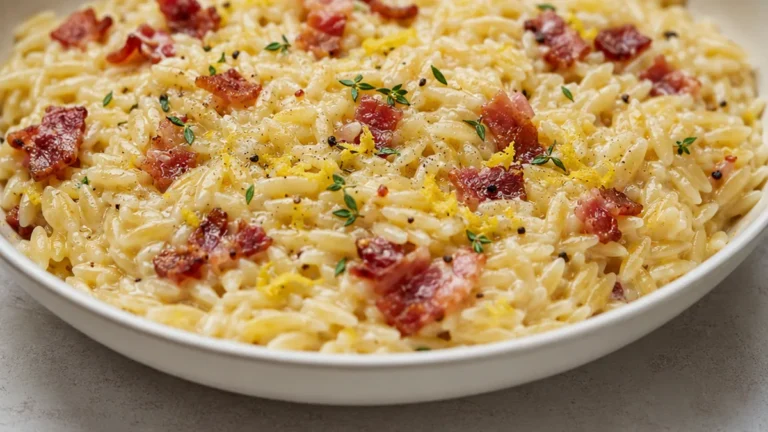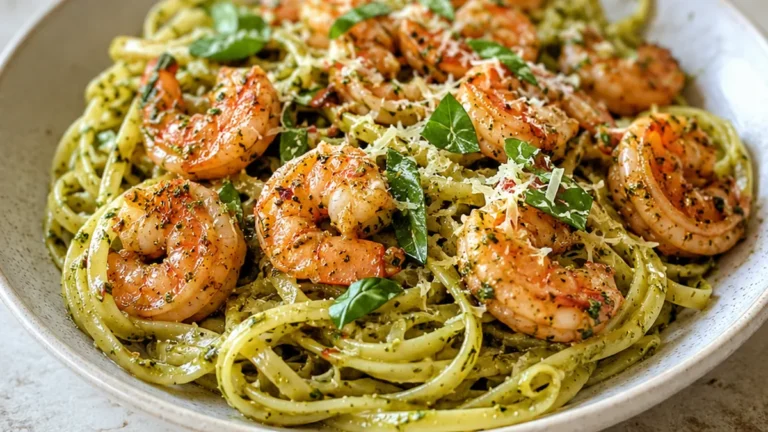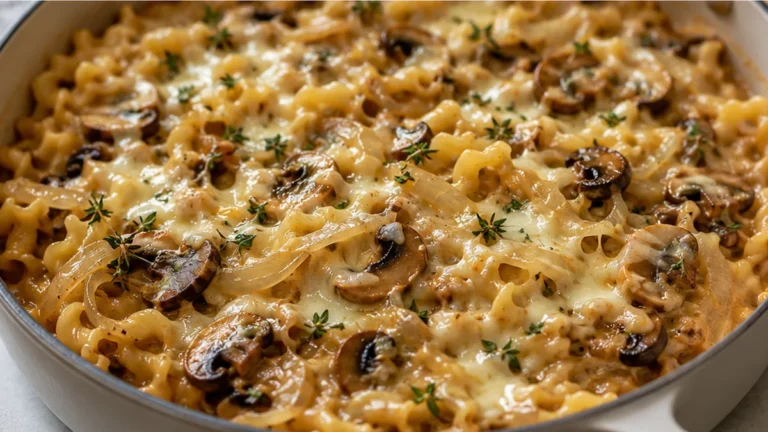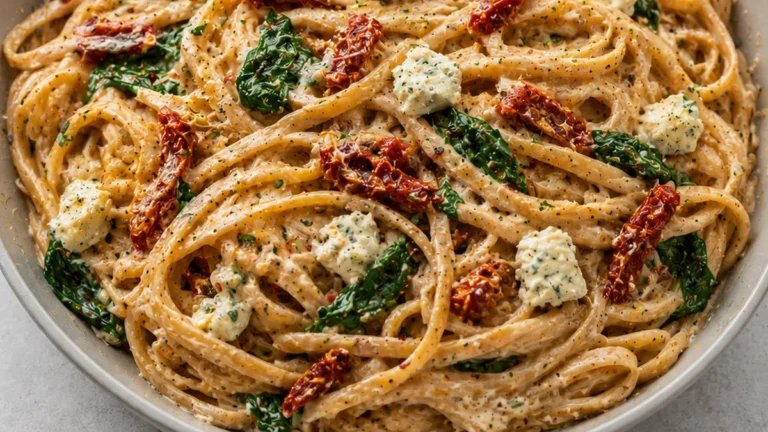
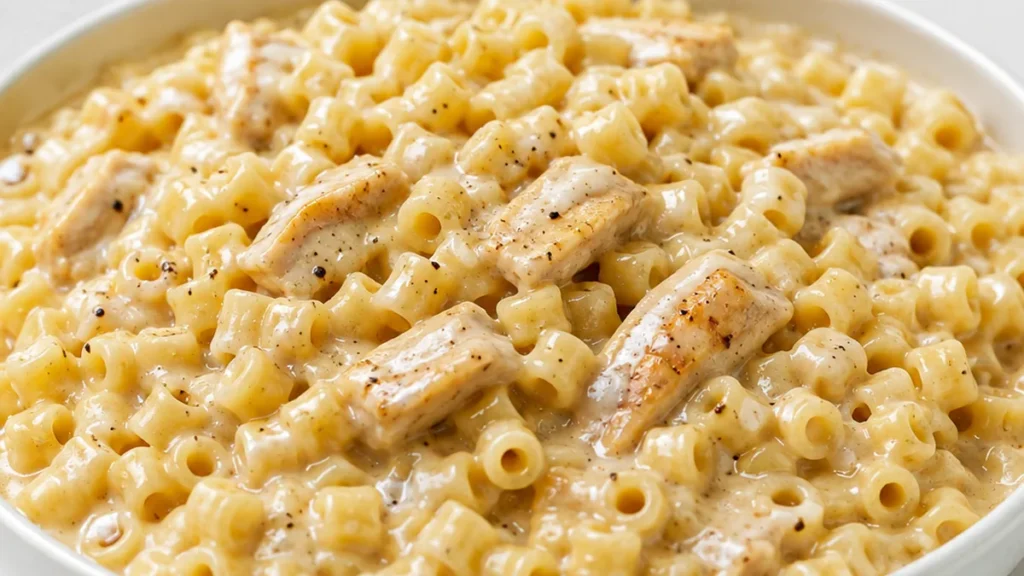
This creamy Ditalini pasta recipe is your new go-to for a quick and satisfying weeknight meal. Forget complicated steps; this dish comes together in one skillet using pantry staples. It’s the perfect balance of comforting, cheesy, and incredibly easy to make. The secret to this dish lies in cooking the pasta directly in the flavorful broth and creamy sauce, allowing it to absorb all the deliciousness and create a naturally thickened, luxurious texture without any fuss.
Key takeaways
- Cook ditalini to al dente for the best texture.
- Emulsify the sauce by adding half and half gradually over low heat.
- Reduce chicken broth to thicken the sauce if too thin.
- Use freshly grated Parmesan for optimal flavor and creaminess.
Creamy Ditalini Pasta in 20 Minutes!
Ingredients
- 1 tablespoon olive oil
- 3 teaspoons minced garlic
- 8 ounces dry ditalini pasta
- 2 cups chicken broth
- 1 cup half and half
- ½ teaspoon salt
- ½ teaspoon black pepper
- ½ cup freshly grated Parmesan
- 3 tablespoons salted butter
- fresh parsley (for garnish)
Instructions
- In a large skillet over medium heat, add olive oil and minced garlic. Cook until fragrant, about 1 minute.
- Add dry ditalini pasta, chicken broth, half and half, salt, and black pepper. Stir to combine.
- Bring mixture to a boil, then reduce to a simmer, cover, and cook for 10-12 minutes, stirring occasionally, until pasta is tender.
- Once pasta is tender, remove skillet from heat.
- Stir in freshly grated Parmesan and salted butter until melted and combined.
- Garnish with fresh parsley and serve immediately.
Video
Notes
Understanding Ditalini Pasta’s Unique Texture
Ditalini pasta is a small, tubular shape that holds sauces exceptionally well. Its diameter, typically around 1/2 inch, provides a perfect balance between bite and sauce absorption. The ridges on the pasta enhance its ability to cling to creamy sauces, making it ideal for this dish. Cooking ditalini to al dente, usually 7-9 minutes, ensures it retains a firm texture, preventing it from becoming mushy when combined with the creamy sauce.
Creating a Creamy Emulsion
The key to achieving a creamy sauce lies in the emulsion of fat and liquid. In this recipe, the combination of half and half and butter creates a rich, velvety sauce. To ensure proper emulsification, add the half and half gradually while stirring, allowing it to blend seamlessly with the chicken broth. Maintaining a gentle heat (around 180°F or 82°C) prevents the sauce from separating. The addition of freshly grated Parmesan enhances the creaminess while providing depth of flavor.
Common Issues with Creamy Pasta Dishes
- Problem: Sauce is too thin.
- Cause: Insufficient reduction of the chicken broth or too much half and half.
- Fix: Simmer the sauce longer to reduce excess liquid before adding the pasta.
- Problem: Sauce separates.
- Cause: High heat or adding cold ingredients.
- Fix: Keep heat low and ensure all ingredients are at room temperature before combining.
- Problem: Pasta is overcooked.
- Cause: Cooking pasta too long in boiling water.
- Fix: Set a timer for 1-2 minutes less than the package instructions and taste for doneness.
Ingredient Swaps and Their Effects
- Substitution: Use vegetable broth instead of chicken broth.
- Expected Result: A vegetarian version with a lighter flavor.
- Substitution: Swap half and half for heavy cream.
- Expected Result: A richer, more decadent sauce, but higher in calories.
- Substitution: Use nutritional yeast instead of Parmesan.
- Expected Result: A dairy-free option with a nutty flavor, but less creaminess.
The Unique Flavor Profile of This Dish
This creamy ditalini pasta stands out due to its combination of rich dairy and savory chicken broth, which creates a depth of flavor that is both comforting and satisfying. The use of freshly grated Parmesan adds a sharpness that balances the creaminess, while the minced garlic infuses an aromatic quality that elevates the dish. This combination is less common in other pasta dishes, making it a unique offering in the realm of quick, creamy pasta recipes.
Why the timing of adding half and half is crucial
In this creamy ditalini pasta recipe, the timing of when you introduce the half and half is essential for achieving the perfect texture. Adding it too early can cause it to curdle due to the high heat from the chicken broth. Aim to reduce the heat to medium-low after the pasta is cooked and before adding the half and half. This helps maintain a smooth, creamy consistency without any graininess. Ideally, the half and half should be added when the pasta is al dente, allowing it to absorb flavor without compromising its structure.
How to effectively scale this creamy ditalini pasta recipe
Scaling recipes can often lead to uneven cooking or flavor issues, especially with creamy dishes like this one. To double or halve this creamy ditalini pasta recipe, maintain the same ratios of ingredients. For instance, if you double the pasta, also double the chicken broth and half and half. However, keep an eye on the cooking times; larger batches may require a slightly longer cooking time for the pasta to reach al dente. Use a larger pot to ensure even cooking and avoid overcrowding, which can lead to uneven pasta texture.
Understanding the impact of ingredient quality on flavor
The quality of your ingredients significantly affects the final taste of your creamy ditalini pasta. Freshly grated Parmesan will provide a richer, more complex flavor than pre-grated cheese, which often contains anti-caking agents that can dull the taste. Similarly, using high-quality olive oil enhances the overall richness of the dish. When selecting chicken broth, opt for low-sodium versions to better control the salt levels in your dish. Seasonal ingredients, such as fresh herbs or vegetables, can also elevate the dish, making it more vibrant and flavorful.
Choosing the right serving style for creamy ditalini pasta
Serving style can greatly influence the dining experience of creamy ditalini pasta. This dish can be served as a main course or a side dish, depending on portion size. For a main course, consider adding protein, such as grilled chicken or shrimp, to enhance heartiness. When serving, ensure the pasta is well-coated in the creamy sauce, which can be achieved by tossing it gently before plating. Garnish with freshly chopped parsley for a pop of color and freshness. Pairing this dish with a crisp salad or garlic bread complements its richness and balances the meal.
Understanding the Storage Behavior of Creamy Ditalini Pasta
When it comes to storing creamy ditalini pasta, the texture and creaminess can change significantly. The emulsion of cream and broth can separate when refrigerated, leading to a less appealing dish upon reheating. For best results, store the pasta and sauce separately. If you must store them together, ensure the pasta is slightly undercooked to prevent mushiness. Use an airtight container and consume within 3 days for optimal flavor and texture. Reheat gently on low heat, adding a splash of chicken broth or half and half to restore creaminess.
Scaling Up the Recipe for Gatherings
Scaling this creamy ditalini pasta recipe is straightforward, but attention to detail is essential to maintain flavor and texture. When increasing the quantity, keep the ratio of pasta to liquid consistent. For every additional 8 ounces of ditalini pasta, add 2 cups of chicken broth and 1 cup of half and half. However, cooking times may vary; larger batches may require an extra minute or two to reach the desired al dente texture. Stirring frequently is crucial to ensure even cooking and prevent sticking. Be mindful of the size of your pot; a larger pot promotes better heat distribution.
Choosing the Right Equipment for Perfect Results
The choice of equipment can significantly impact the outcome of creamy ditalini pasta. A heavy-bottomed saucepan is ideal for even heat distribution, preventing hot spots that can scorch the sauce. Non-stick pans can also be beneficial as they reduce the chances of pasta sticking. Using a wooden spoon or silicone spatula helps in gently mixing the pasta without damaging its shape. Additionally, a lid is useful for simmering the broth and half and half, as it helps in maintaining moisture and reducing cooking time. Always ensure your equipment is well-maintained to enhance cooking performance.
Why the timing of adding ditalini pasta affects texture
The timing of when you add the ditalini pasta to the broth is crucial for achieving the perfect texture. Ditalini, being a small pasta, cooks quickly—typically in about 7-10 minutes. If added too early, it may become overcooked and mushy, losing its characteristic bite. Conversely, adding it too late can result in uneven cooking. To ensure optimal texture, bring your chicken broth to a rolling boil before adding the pasta, then reduce the heat slightly and stir occasionally. This method helps maintain the pasta’s al dente quality, allowing it to absorb some of the broth’s flavor while still retaining its shape.
How to effectively adjust creaminess in creamy ditalini pasta
The creaminess of your dish can be adjusted based on your preferences and dietary needs. The half and half in this recipe provides a rich, velvety texture, but you can modify this aspect without compromising flavor. For a lighter version, consider using whole milk instead of half and half, which will yield a less creamy result but still maintain a pleasing consistency. Alternatively, for a richer dish, heavy cream can be used, resulting in a thicker sauce that clings beautifully to the pasta. Keep in mind that if you choose to use heavy cream, you may need to adjust the seasoning, as it can mute flavors compared to half and half. Always monitor the sauce’s consistency as you make adjustments, aiming for a balance that coats the pasta well without being overly heavy.
Pro tips
- Use good quality chicken broth for the best flavor.
- Stir occasionally while simmering to prevent pasta from sticking.
- For extra richness, add a splash of heavy cream with the half and half.
- Taste and adjust salt and pepper before serving.
Enjoy this simple yet decadent Ditalini pasta dish as a quick main course or a delightful side.
Frequently asked questions
How long should I cook ditalini pasta?
Cook ditalini pasta for 7-9 minutes in boiling salted water for an al dente texture. Always taste a piece a minute or two before the package time to ensure it’s to your liking.
Can I use milk instead of half and half?
Yes, you can use milk, but the sauce will be less creamy. If using milk, consider adding a bit of flour or cornstarch to thicken it, as milk has a lower fat content.
What if my sauce is too thick?
If your sauce becomes too thick, simply add a splash of chicken broth or water while stirring over low heat until you reach the desired consistency.
Can I make this dish vegetarian?
Absolutely! Substitute chicken broth with vegetable broth and omit any meat. The dish will still be flavorful and creamy while being suitable for vegetarians.
More from Creamy Pasta Recipes →