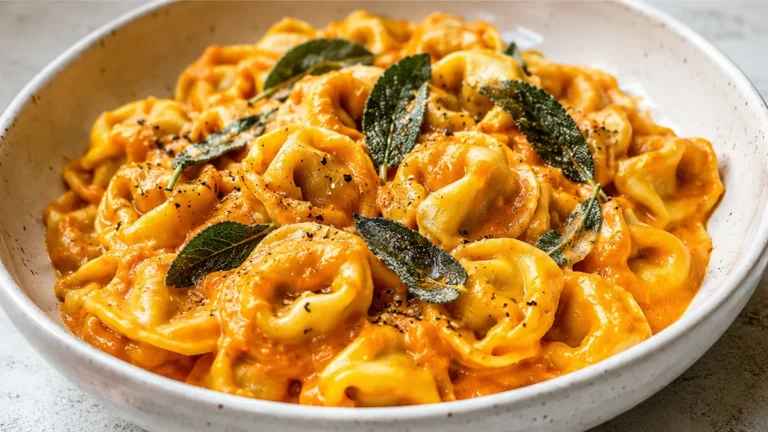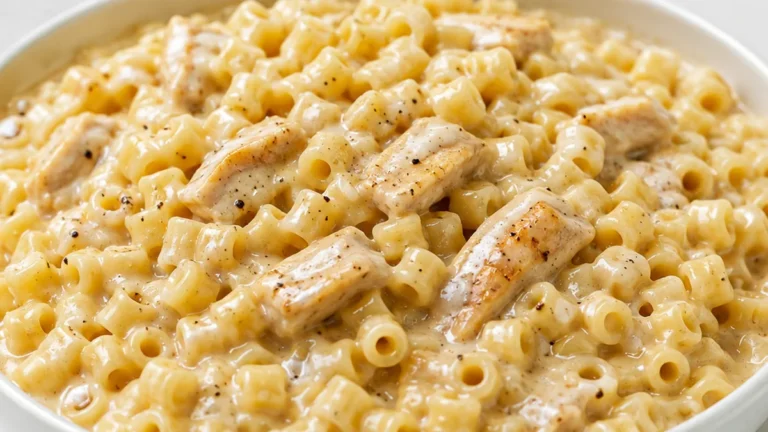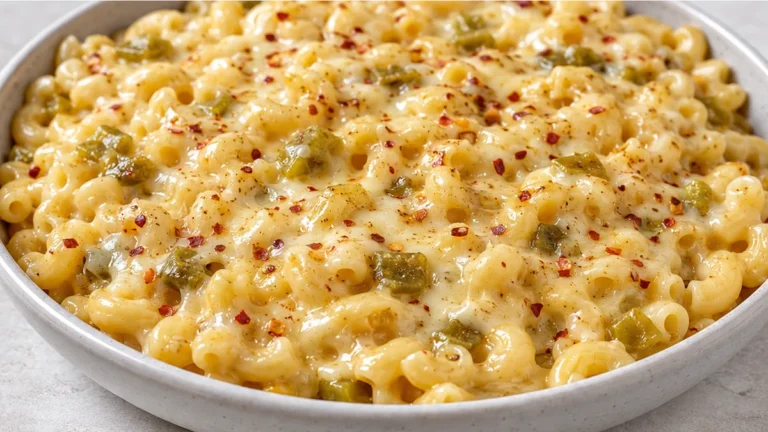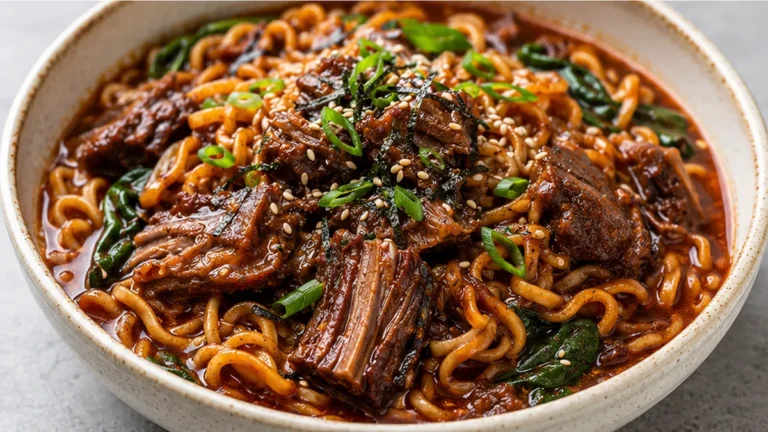
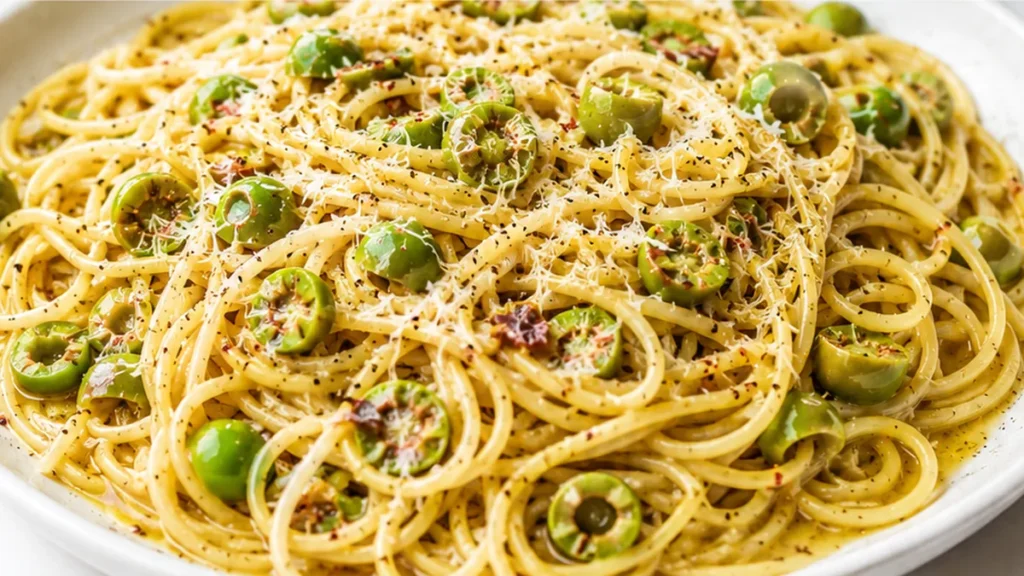
The Dirty Martini Pasta isn’t your average weeknight meal. This recipe brilliantly captures the briny, savory, and slightly boozy essence of a dirty martini in pasta form. It’s surprisingly easy to make, relying on pantry staples and a few key flavor bombs like anchovies and olives to create an incredibly addictive dish. Perfect for when you want something quick, sophisticated, and seriously satisfying. This dirty martini pasta recipe is a testament to how bold flavors can come together harmoniously. The magic lies in melting the anchovies into the butter and oil base, creating a deep umami foundation that’s anything but fishy. The vodka and brine add a subtle complexity, while Castelvetrano olives provide bright, salty bursts. It’s a pasta dish that truly impresses with minimal effort.
Key takeaways
- The vodka should be cooked down to enhance flavor without harshness.
- Balance olive brine to avoid overpowering the dish.
- Sauté garlic and anchovies at low heat to prevent bitterness.
- Reserve pasta water to achieve the perfect sauce consistency.
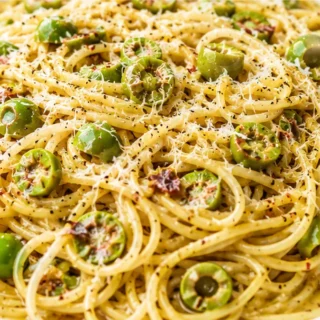
Dirty Martini Pasta
Ingredients
- 12 ounces uncooked pasta (spaghetti, linguine, or bucatini)
- 4 tablespoons unsalted butter
- 2 tablespoons olive oil
- 6 anchovy fillets (finely chopped)
- 4 cloves garlic (very thinly sliced)
- 1/2 teaspoon crushed red pepper flakes
- 1/4 cup vodka
- 1/4 cup olive brine
- 1 cup pitted Castelvetrano olives (torn into pieces)
- 1/2 cup grated Parmesan cheese (plus extra for garnish)
Instructions
- Cook the pasta. Bring a large pot of salted water to a boil. Cook pasta until al dente, about 8-10 minutes. Reserve 1 cup pasta water, then drain.
- Build the flavor base. In a large skillet, melt butter with olive oil over medium heat. Add anchovies and cook, stirring, until they melt into the butter, about 1–2 minutes. Add garlic and red pepper flakes and cook until fragrant, about 1 minute.
- Add the vodka. Pour in the vodka and let it simmer for 2–3 minutes, until slightly reduced. Stir in olive brine and torn olives. Let everything simmer together for 1–2 minutes.
- Toss the pasta. Add the drained pasta along with a splash of reserved pasta water. Toss until glossy and emulsified, adding more water as needed.
- Finish. Stir in Parmesan cheese, and toss until creamy. Season with black pepper and salt if needed.
- Serve. Finish with extra Parmesan and freshly-ground black pepper. Serve immediately.
Video
Notes
Understanding the Role of Vodka in Dirty Martini Pasta
The addition of vodka in dirty martini pasta not only enhances the flavor but also helps in creating an emulsion with the fats from the butter and olive oil. The alcohol in vodka evaporates quickly, leaving behind a subtle warmth and depth. For optimal results, use about 60 ml (1/4 cup) of vodka, allowing it to cook for at least 2-3 minutes to reduce its harshness while still retaining the essence of the spirit.
How to Achieve the Perfect Olive Brine Balance
Olive brine contributes a salty, tangy flavor that mimics the essence of a dirty martini. However, too much brine can overpower the dish. A balance is crucial; aim for 60 ml (1/4 cup) of brine, adjusting according to the saltiness of your olives. Taste the sauce as you go to ensure it complements rather than dominates the dish.
Mastering the Garlic and Anchovy Flavor Infusion
Garlic and anchovies are key to building the dish’s flavor base. Sauté the garlic in butter and olive oil at a low temperature (around 250°F or 120°C) to avoid burning, which can create bitterness. The anchovies should be finely chopped and added early in the process to allow their umami flavor to meld with the fats, creating a rich sauce. Aim for a cooking time of about 5 minutes for the garlic to soften without browning.
Why Pasta Water is Essential for Sauce Consistency
Pasta water contains starch that helps thicken the sauce and bind it to the pasta. Reserve at least 1 cup of pasta water before draining. Gradually add it to the sauce until you reach the desired consistency, typically around 1/2 to 1 cup. This technique ensures the sauce clings to the pasta, enhancing each bite.
Recognizing Key Ingredients for Authenticity
Using Castelvetrano olives is essential for achieving the authentic flavor profile of dirty martini pasta. Their mild, buttery taste contrasts beautifully with the saltiness of the brine and the richness of the sauce. If unavailable, substitute with green olives, but expect a sharper flavor and less creaminess.
How to Properly Store Leftover Dirty Martini Pasta
Storing dirty martini pasta requires careful attention to maintain its flavor and texture. Allow the pasta to cool to room temperature before transferring it to an airtight container. Refrigerate the leftovers for up to 3 days. When reheating, add a splash of olive oil or a bit of reserved pasta water to restore creaminess. Avoid freezing, as the emulsion may break, leading to a grainy texture upon thawing.
Scaling the Recipe Without Compromising Flavor
Scaling the dirty martini pasta recipe can be straightforward, but it’s crucial to maintain the ratios of ingredients for optimal flavor. When doubling the recipe, keep the same proportions of anchovies, garlic, and olives to ensure the dish retains its signature taste. However, be cautious with the vodka and brine; you may want to start with a slightly smaller increase and adjust to taste, as these ingredients can overpower if not balanced correctly. For every additional 12 ounces of pasta, consider increasing the olive oil and butter by 1 tablespoon each to maintain richness.
Choosing the Right Equipment for Optimal Results
The equipment used can significantly impact the final dish. A large pot for boiling pasta is essential; it should be spacious enough to prevent sticking. A heavy-bottomed skillet is ideal for sautéing the anchovies and garlic, allowing for even heat distribution and preventing burning. Using a wooden spoon or silicone spatula helps prevent scratching non-stick surfaces while ensuring all ingredients are well combined. A pasta tongs or a spider strainer will aid in transferring the pasta directly to the sauce, allowing for better control over the amount of pasta water added.
Seasonal Variations to Enhance Flavor
Seasonal ingredients can elevate dirty martini pasta, enhancing its flavor profile. In spring, consider adding fresh peas or asparagus for a pop of color and sweetness. In fall, roasted butternut squash can add a creamy texture and a hint of sweetness that complements the salty olives. Adjust the crushed red pepper flakes based on the season; in winter, you might prefer a bolder spice, while in summer, a milder touch may be more refreshing. Always taste and adjust for balance as fresh ingredients can vary in intensity.
How to Adjust Serving Sizes Without Losing Flavor
When scaling the recipe for dirty martini pasta, it’s crucial to maintain the balance of flavors. For every additional 4 ounces of pasta, increase the anchovies and olives by 1 fillet and 1/4 cup, respectively. This keeps the briny flavor consistent. For the vodka and olive brine, maintain a 1:1 ratio, using 2 tablespoons of each per 4 ounces of pasta. This ensures the sauce remains rich and flavorful. Be mindful of the cooking time; larger batches may require a few extra minutes to achieve the perfect al dente texture. Always taste and adjust the seasoning as needed, particularly with salt, since the brine and anchovies add saltiness.
Choosing the Right Equipment for Optimal Olive Flavor Extraction
Using the right equipment can significantly enhance the flavor of your dirty martini pasta. A heavy-bottomed skillet is ideal for even heat distribution, preventing the garlic and anchovies from burning. A non-stick pan can also help with easier cleanup but may require less oil to prevent sticking. Additionally, a pasta pot with a built-in strainer can streamline the cooking process, allowing you to reserve pasta water easily. When sautéing, use a wooden spoon to scrape up any bits stuck to the pan; these add depth to your sauce. Remember, the goal is to create a harmonious blend of flavors, so invest in quality tools that promote even cooking.
Understanding Seasonal Ingredient Quality for Enhanced Flavor
The quality of ingredients can greatly affect the overall taste of dirty martini pasta. In the summer, fresh garlic is more pungent and aromatic, while winter garlic can be milder. Opt for high-quality Castelvetrano olives, as their buttery flavor is essential; avoid those that are overly brined or processed. When it comes to cheese, fresh Parmesan will provide a richer flavor compared to pre-grated varieties. If possible, select organic or locally sourced ingredients, as they tend to have more vibrant flavors. Additionally, consider the freshness of your olive oil; a robust extra virgin oil can elevate the dish, adding a peppery finish that complements the brine and anchovies.
How to Prepare Dirty Martini Pasta Ahead of Time
Making Dirty Martini Pasta ahead of time requires careful attention to the sauce and pasta. Cook the pasta al dente, which means it should be firm to the bite, about 1-2 minutes less than the package instructions. This prevents it from becoming mushy when reheated. Store the cooked pasta and sauce separately in airtight containers in the refrigerator. The sauce can be reheated gently on the stovetop over low heat, adding a splash of olive brine or pasta water to maintain the desired consistency. When ready to serve, combine the pasta and sauce, and finish with the grated Parmesan. This approach preserves the flavors and textures of the dish.
Understanding the Importance of Olive Quality in Dirty Martini Pasta
The quality of olives used in Dirty Martini Pasta significantly impacts the dish’s overall flavor. Castelvetrano olives are preferred for their sweet, buttery taste and firm texture, which adds depth to the dish. If you opt for lower-quality olives, the dish may lack the desired complexity and richness. When selecting olives, look for those packed in brine rather than oil, as brined olives maintain their flavor better during cooking. Additionally, the freshness of the olives can affect the final taste; choose olives that have a vibrant color and firm texture. Using high-quality olives elevates the dish and enhances the overall dirty martini experience.
How to Scale Dirty Martini Pasta for Larger Gatherings
Scaling the dirty martini pasta recipe requires careful attention to ingredient ratios to maintain flavor integrity. For every additional 12 ounces of pasta, increase the unsalted butter by 2 tablespoons and the olive oil by 1 tablespoon. The anchovy fillets should be increased by 2 for every extra 12 ounces of pasta. Maintain the same proportions for garlic and crushed red pepper flakes to ensure the flavor profile remains balanced. When scaling, remember to adjust the vodka and olive brine to 1/4 cup each for every additional 12 ounces of pasta. This will help preserve the dish’s signature taste. Cooking time may also need to be adjusted; larger batches might take an additional 2-3 minutes to cook through, so be sure to taste for doneness. Additionally, using a larger pot for boiling pasta can help maintain the water temperature, ensuring even cooking.
Understanding the Influence of Seasonal Ingredients on Flavor
The quality of ingredients significantly impacts the flavor of dirty martini pasta. Seasonal ingredients, particularly olives and garlic, can elevate the dish. Fresh, high-quality Castelvetrano olives, which are best in late summer to early fall, provide a buttery richness that frozen or jarred olives lack. Similarly, fresh garlic harvested in late spring is more aromatic and pungent compared to older bulbs. When preparing this dish in off-seasons, consider sourcing local or organic products to enhance flavor. If using out-of-season ingredients, expect a milder taste; in this case, you might want to increase the anchovy content slightly to compensate. Experimenting with different varieties of olives based on availability can also introduce unique flavor dimensions, making each preparation of dirty martini pasta distinct.
Pro tips
- Use good quality Castelvetrano olives for their sweet, buttery flavor.
- Don’t skip melting the anchovies; they dissolve and add savory depth.
- Add cheese off the heat to prevent it from clumping, ensuring a creamy sauce.
- Reserve more pasta water than you think you’ll need; it’s key for emulsifying the sauce.
Give this unique Dirty Martini Pasta a try for a truly memorable meal. It’s a quick way to improve your pasta game!
Frequently asked questions
Can I use a different type of pasta for this recipe?
Yes, you can use any long pasta such as fettuccine or spaghetti. However, the cooking time may vary slightly, so adjust accordingly based on the package instructions.
What can I substitute for anchovies if I don’t like them?
If you prefer not to use anchovies, consider using capers for a similar briny flavor. Alternatively, you can omit them entirely, but the dish may lack some depth.
How can I make this dish vegetarian?
To make dirty martini pasta vegetarian, omit the anchovies and use vegetable broth instead of water for cooking the pasta. You can also add extra olives for flavor.
Is it possible to make this dish ahead of time?
Yes, you can prepare the sauce in advance and store it in the refrigerator. Reheat gently and toss with freshly cooked pasta before serving for the best texture.
More from Pasta Sauces →