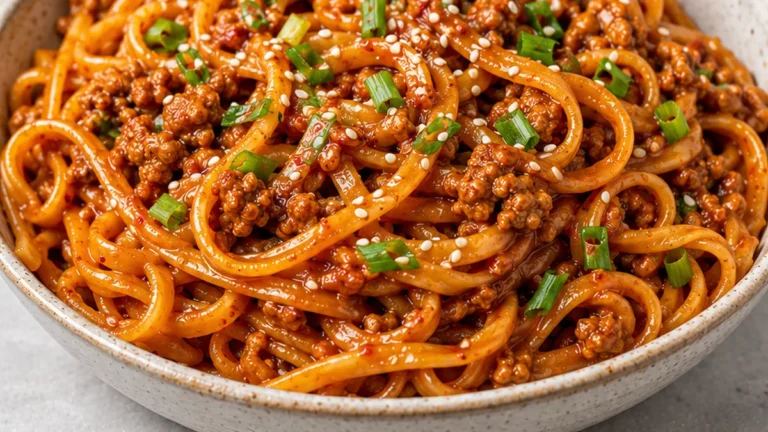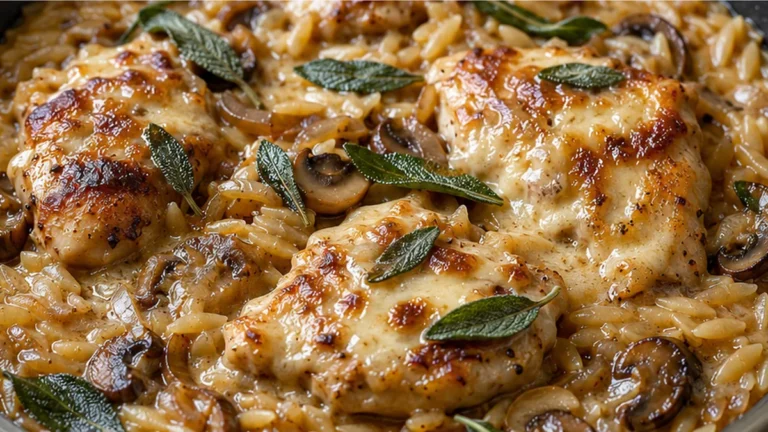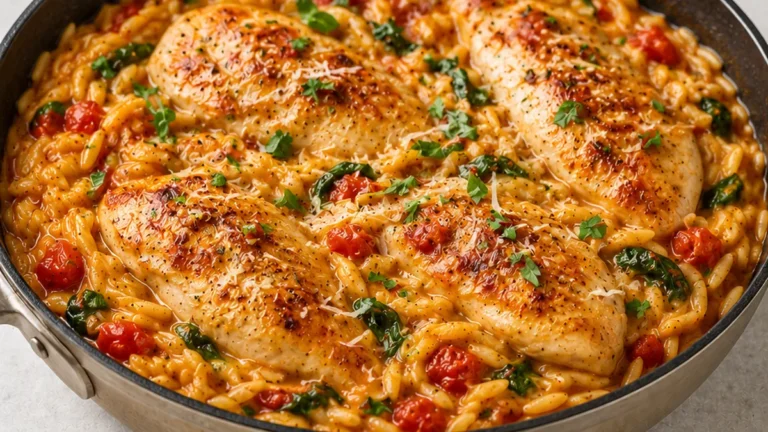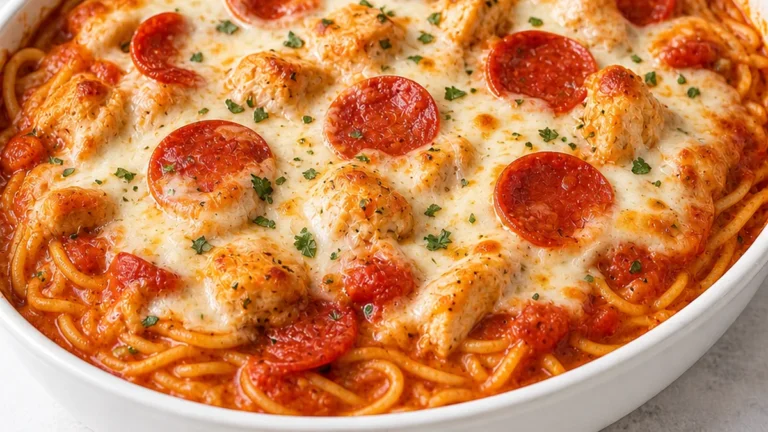
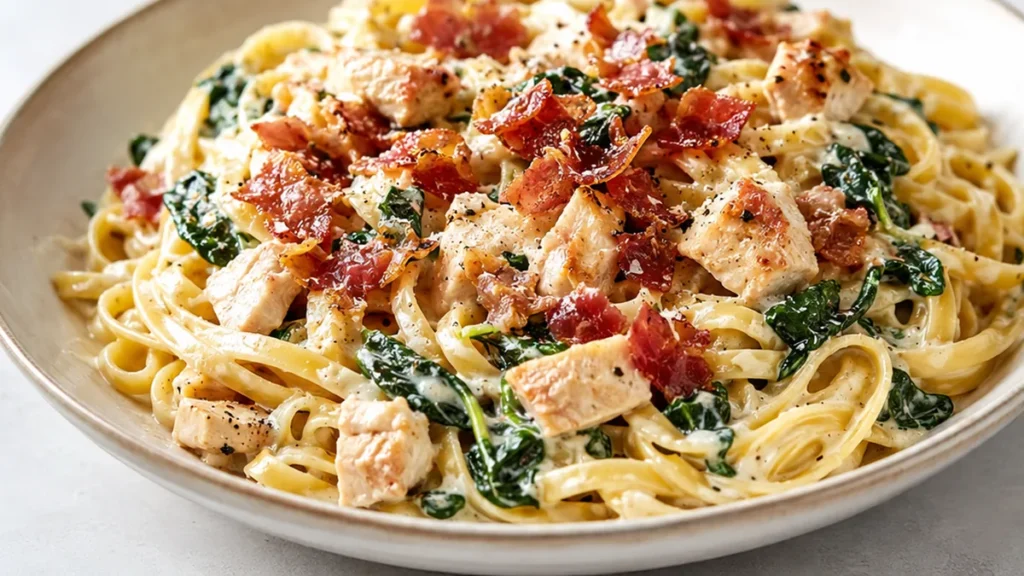
Charred Tomato Basil Chicken Florentine Pasta is a dish that marries rich flavors with comforting textures, making it a perfect weeknight meal or a special occasion treat. The secret to an outstanding chicken florentine lies in developing layers of flavor, from the charred tomatoes to the savory herb butter breadcrumbs. This recipe elevates a classic by introducing delightful contrasts in every bite. A proper char on the tomatoes transforms the entire dish from good to absolutely incredible. That smoky sweetness against the creamy sauce is what truly makes this chicken florentine pasta stand out. It’s a recipe designed for those who appreciate depth and a touch of gourmet in their home cooking.
Key takeaways
- Render prosciutto slowly in butter to create a flavorful fat base.
- Reserve pasta water to help emulsify the sauce and prevent dryness.
- Toss pasta vigorously off the heat to coat evenly.
- Cook chicken until just done and add back at the end to prevent overcooking.
Creamy Florentine Pasta with Crispy Prosciutto
Ingredients
- 4 tablespoons salted butter
- 4 slices sourdough bread, torn
- 2 ounces prosciutto
- 1 pound linguine or other long cut pasta
- 2 tablespoons extra virgin olive oil
- 1/2 pound chicken breasts, diced (about 1 breast)
- kosher salt and black pepper
Instructions
- To make the breadcrumbs. Preheat the oven to 400° F. Line a baking sheet with parchment paper.
- Arrange the butter, bread, and prosciutto on a baking sheet. Bake 10-15 minutes until the bread is toasted and the prosciutto is crispy. Add everything to a food processor. Season with salt. Pulse into fine crumbs. Alternatively, you can crumble the mix with your hands.
- To make the pasta. Bring a large pot of salted water to a boil. Boil the pasta until al dente. Just before draining, remove 1 cup of the pasta cooking water. Drain the pasta.
- Meanwhile, combine the olive oil, chicken, salt, and pepper in a large skillet. Set over medium heat and cook for 5 minutes, until the chicken is cooked through. Remove the chicken from the skillet and set aside.
Notes
The Technique: Achieving Creamy, Flavorful Pasta
The success of this Creamy Florentine Pasta hinges on two key techniques: rendering the prosciutto and building a stable sauce. First, the prosciutto. By rendering it slowly in butter over medium-low heat, you’re not just crisping it; you’re extracting its flavorful fat into the butter. This infused butter becomes the flavor base for the entire dish, adding a salty, umami depth that pre-cooked prosciutto simply wouldn’t provide. Don’t rush this step; patience yields maximum flavor extraction and perfectly crisp prosciutto bits. Second, the sauce. While this recipe doesn’t explicitly call for a béchamel, the principle of creating a smooth, emulsified sauce is crucial. The residual heat from the cooked pasta and chicken, combined with the butter, olive oil, and any liquid from the pan, will form a light coating. The key is to toss the pasta vigorously in the pan off the heat. This action helps the fats and any released starches from the pasta bind together, creating a cohesive sauce that clings to each strand rather than pooling at the bottom of the bowl. Overheating the sauce can cause the fats to separate, resulting in a greasy texture.
Troubleshooting
- Problem: Pasta is dry or sauce is clumpy.
Fix: Ensure you’ve reserved at least 1/2 cup of pasta water before draining. Add a splash of this starchy water to the pan while tossing the pasta. The starch helps emulsify the sauce, creating a smoother, more cohesive coating. Toss vigorously off the heat. - Problem: Prosciutto is chewy, not crispy.
Fix: The prosciutto needs more time to render its fat and crisp up. Ensure the heat is low to medium-low and allow it to cook slowly until the edges are browned and it snaps when cooled. Don’t overcrowd the pan when rendering. - Problem: Sauce is too greasy.
Fix: This usually happens from overheating or too much fat. If you notice excess grease, carefully spoon some of it out before adding the pasta. Also, ensure the pasta is well-drained so it doesn’t add extra liquid that can separate the sauce. - Problem: Chicken is dry.
Fix: Ensure the chicken is diced into uniform, bite-sized pieces for even cooking. Sear the chicken in the hot olive oil until just cooked through, then remove it from the pan while you prepare the sauce and pasta. Adding it back at the very end prevents overcooking.
Substitutions
- For Prosciutto: Pancetta or good quality bacon can be used. The result will be a similar crispy, salty element, though the flavor profile will be slightly different (bacon will be smokier).
- For Linguine: Fettuccine, spaghetti, or even bucatini will work well. The goal is a long pasta that can hold the creamy sauce. Avoid short shapes like penne or fusilli, as they won’t coat as effectively.
- For Sourdough Breadcrumbs: Panko breadcrumbs or regular dried breadcrumbs can be used for topping. The sourdough adds a slight tang and chewiness that other breadcrumbs won’t provide, but they will still offer a necessary textural contrast.
- For Chicken Breast: Boneless, skinless chicken thighs, diced, can be substituted. They offer a richer flavor and are more forgiving if slightly overcooked, remaining more tender than breast meat.
Pro tips
- For extra crispy prosciutto, ensure the slices are separated on the baking sheet and not overlapping. It allows for even crisping.
- Don’t overcrowd your skillet when searing the chicken. Cook in batches if necessary to get a nice golden crust and ensure even cooking to 165°F (74°C).
- Reserve at least a cup of pasta water before draining. Its starch is essential for creating a silky, emulsified sauce that clings beautifully to the pasta.
- Leftovers can be stored in an airtight container in the refrigerator for up to 3 days. Reheat gently on the stovetop with a splash of milk or water to restore creaminess.
This Charred Tomato Basil Chicken Florentine Pasta is a testament to how simple ingredients can create extraordinary flavors. Give it a try and enjoy a truly satisfying meal!
Frequently asked questions
Can I make this pasta vegetarian?
Yes, you can omit the prosciutto and chicken. To add more depth, consider sautéing mushrooms with garlic and herbs in the butter and olive oil before adding the pasta. You might also want to add a pinch of smoked paprika for a hint of smoky flavor without the meat.
What kind of cheese is typically used in Florentine dishes?
While this recipe doesn’t specify cheese, Florentine dishes often incorporate Parmesan or Pecorino Romano. Adding a handful of grated Parmesan cheese to the sauce at the end, along with a splash of pasta water, will enhance creaminess and add a salty, nutty flavor.
How can I make the sauce richer or creamier?
For a richer sauce, you can add a splash of heavy cream or half-and-half along with the pasta water when tossing the pasta. Alternatively, stir in a tablespoon or two of cream cheese or mascarpone until melted and smooth for an extra decadent texture.
Is it important to use sourdough bread for the topping?
The sourdough bread provides a slightly tangy flavor and a chewier texture when toasted compared to standard breadcrumbs. However, if sourdough is unavailable, regular dried breadcrumbs or panko can be used for a similar crunchy topping, though the unique flavor note will be missed.
More from Creamy Pasta Recipes →