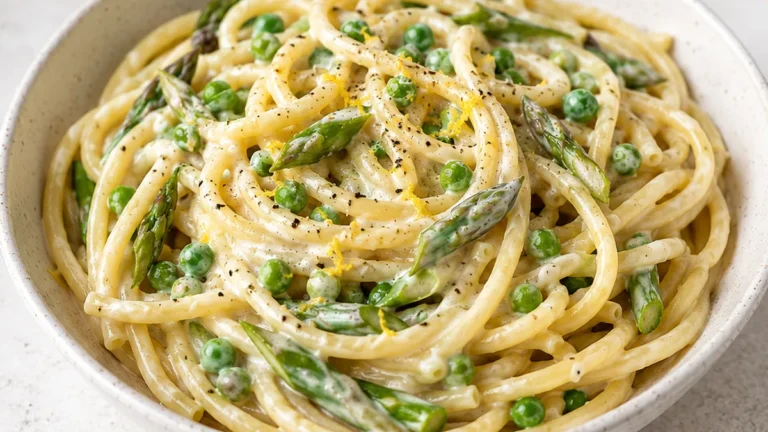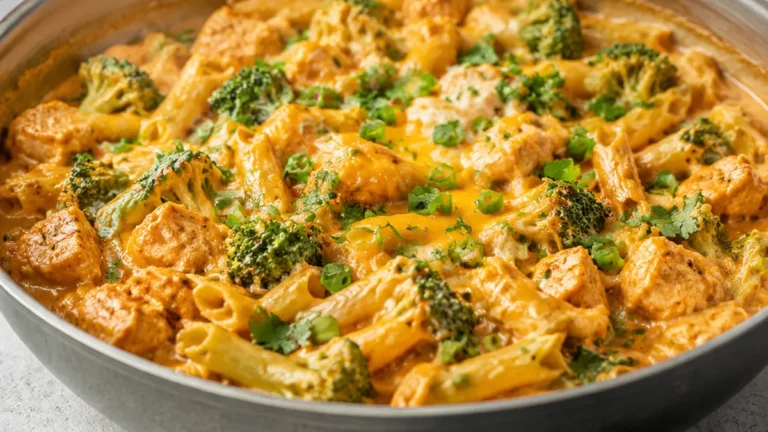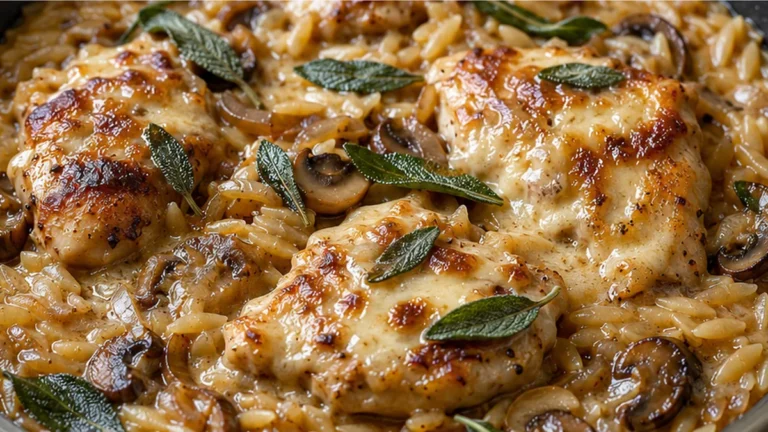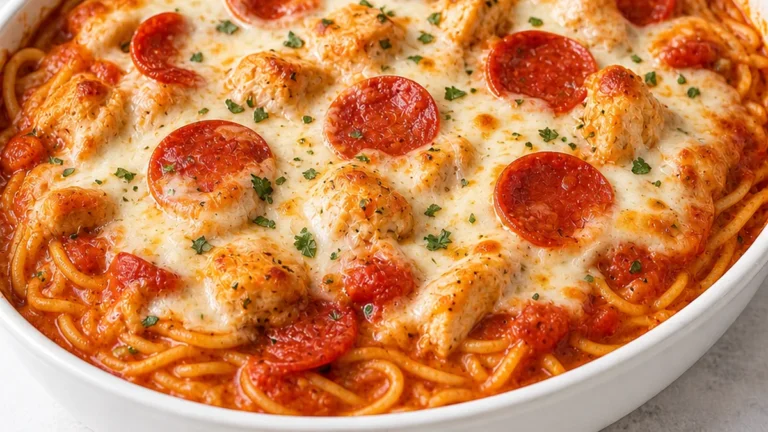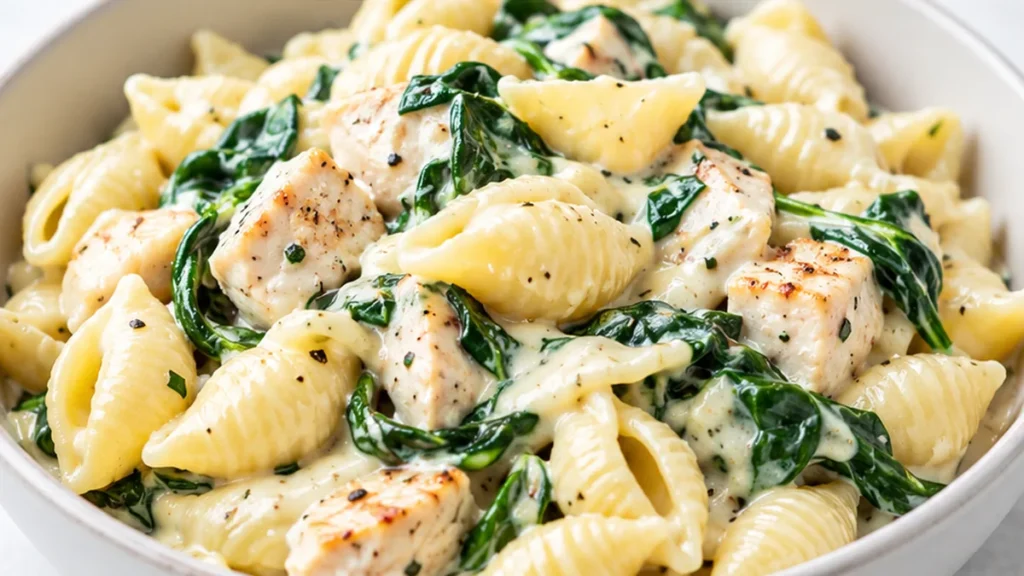
This chicken pasta with dried oregano combines tender chicken and fresh spinach with shell pasta in a creamy sauce. It’s a straightforward recipe for a weeknight dinner.
Key takeaways
- Dried oregano adds concentrated flavor, so use it wisely.
- Avoid overcooking chicken to keep it tender and juicy.
- Maintain low heat when making the sauce to prevent clumping.
- Shell-shaped pasta is best for capturing the creamy sauce.
Creamy Chicken Florentine Pasta
Ingredients
- 250 grams Pasta (dried (shell shaped))
- 2 Chicken Breasts (cut into bite sized pieces)
- 1 teaspoon Oregano (dried)
- 1 teaspoon Paprika Powder
- 1/2 teaspoon Garlic (minced)
- 1/2 teaspoon Salt
- 1 tablespoon Olive Oil
- 1 tablespoon Butter
- 1 teaspoon Garlic (finely chopped)
- 3 cups Spinach or baby Spinach (roughly chopped)
Instructions
- Cook pasta in salted water according to package directions until al dente. Drain and set aside.
- In a bowl, mix chicken, dried oregano, paprika, minced garlic, and salt. Set aside for ten minutes.
- Heat olive oil and butter in a pan. Add finely chopped garlic and sauté for one minute until fragrant. Add seasoned chicken and cook for four minutes until lightly browned.
- Add chopped spinach to the pan with chicken. Mix and cover, cooking on medium heat for two minutes until spinach wilts.
- Stir in cream and cream cheese. Simmer gently, stirring until cheese has melted and sauce is smooth.
- Add cooked pasta and shredded mozzarella to the sauce. Toss until pasta is well-coated and mozzarella is melted. Taste for seasoning and serve immediately.
Video
Notes
Understanding the Role of Dried Oregano in Flavor Development
Dried oregano is a key herb in this creamy chicken Florentine pasta, contributing a warm, earthy flavor that complements the richness of the dish. When using dried oregano, it’s important to remember that its flavor is more concentrated than fresh oregano. The typical ratio is about three times as much fresh as dried, but in this recipe, the 1 teaspoon of dried oregano enhances the chicken and pasta without overpowering the dish. For optimal flavor release, add the oregano early in the cooking process, allowing it to infuse the oil and chicken.
Common Mistakes When Cooking Chicken Pasta
One common mistake in chicken pasta dishes is overcooking the chicken. Overcooked chicken becomes dry and tough, detracting from the overall dish. To avoid this, cook the chicken pieces until they reach an internal temperature of 75°C (165°F) and remove them from heat immediately. Another issue is not seasoning adequately; the chicken should be seasoned with salt, paprika, and oregano before cooking to enhance its natural flavors. Lastly, neglecting to properly cook the pasta can lead to a mushy texture. Ensure the pasta is cooked al dente, as it will continue to cook slightly when combined with the sauce.
How to Achieve a Creamy Sauce Without Clumping
A creamy sauce can be a challenge to achieve without clumping. The key is to maintain a low and steady heat when adding the butter and olive oil mixture. Gradually whisk in any liquid ingredients, such as broth or cream, to ensure even distribution and prevent clumping. Additionally, if using cheese, add it off the heat to prevent it from seizing. For a smoother texture, consider blending the sauce briefly before combining it with the pasta and chicken.
Choosing the Right Pasta Shape for Optimal Sauce Adherence
The choice of pasta shape significantly affects the dish’s final texture and flavor. Shell-shaped pasta is ideal for this creamy chicken Florentine because its curves and hollows catch and hold the sauce, ensuring each bite is flavorful. Other shapes like penne or fusilli could also work, but they might not capture the sauce as effectively. When selecting pasta, consider the sauce’s consistency; a thicker sauce pairs well with ridged or hollow pasta shapes.
How to Properly Store and Reheat Creamy Chicken Florentine Pasta
Storing creamy chicken pasta requires careful attention to maintain its texture and flavor. After cooking, allow the pasta to cool to room temperature before transferring it to an airtight container. It can be stored in the refrigerator for up to 3 days. When reheating, use a low heat setting to prevent the sauce from separating. Adding a splash of cream or chicken broth can help restore the creamy consistency. Reheat gently on the stovetop while stirring continuously, which ensures even warming without compromising the dish’s integrity.
Scaling the Recipe for Large Gatherings
Scaling the creamy chicken Florentine pasta recipe for larger gatherings is straightforward. To maintain the flavor profile, simply multiply each ingredient by the number of servings desired. However, be mindful that cooking times may vary with larger quantities. Use a larger pot to accommodate the increased volume of pasta and sauce. Additionally, ensure that the chicken is cooked thoroughly by checking its internal temperature reaches 75°C (165°F). This ensures food safety while serving a larger group.
Choosing the Right Equipment for Cooking
The equipment you use can significantly affect the outcome of your creamy chicken pasta. A heavy-bottomed skillet or sauté pan is ideal for cooking the chicken and creating the sauce, as it distributes heat evenly and prevents burning. A large pot is essential for boiling the pasta; using a pot with a lid can speed up the boiling process. Additionally, a wooden spoon or silicone spatula is recommended for stirring, as they won’t scratch your cookware. Investing in quality equipment can enhance your cooking experience and the final dish.
Pairing Suggestions for a Complete Meal
Pairing creamy chicken Florentine pasta with complementary sides can elevate your meal. A crisp green salad with a light vinaigrette works well to balance the richness of the pasta. You might consider serving garlic bread or a side of roasted vegetables for added texture and flavor. Additionally, a glass of white wine, such as Chardonnay or Sauvignon Blanc, can enhance the dining experience by complementing the dish’s creaminess without overpowering it. These pairings create a harmonious balance, making for a satisfying meal.
Understanding the Impact of Ingredient Quality on Flavor
The quality of the ingredients used in Creamy Chicken Florentine Pasta significantly affects the overall flavor and texture of the dish. For instance, fresh spinach will provide a vibrant color and a more pronounced taste compared to wilted or older spinach. Similarly, using high-quality chicken breasts is crucial; they should be fresh and free from any off-putting odors. The dried oregano, while a small component, can also vary in potency based on its age and storage conditions. Freshly opened oregano will impart a more robust flavor than an older jar that has been sitting on the shelf for months. To enhance the dish, consider using organic or locally sourced ingredients, which often have superior flavor profiles. The use of unsalted butter versus salted butter can also impact the dish’s saltiness and richness, so it’s essential to taste as you cook and adjust accordingly.
Batch Scaling: Adjusting for Large Gatherings
When scaling Creamy Chicken Florentine Pasta for larger gatherings, it’s important to maintain the balance of flavors and textures. Doubling or tripling the recipe may seem straightforward, but the cooking times and methods may need adjustments. For instance, when cooking larger batches of pasta, use a larger pot with ample water to ensure the pasta cooks evenly. Additionally, the amount of sauce may require slight modification; typically, the sauce should be increased proportionally, but taste testing is essential to avoid overpowering the dish with cream or spices. Keep in mind that larger batches may take longer to heat through, so consider preparing the chicken and sauce separately and then combining them with the pasta just before serving. This method ensures that the pasta remains al dente and the sauce retains its creamy consistency.
Make-Ahead Strategies for Creamy Chicken Florentine Pasta
Preparing Creamy Chicken Florentine Pasta ahead of time can save you significant effort on busy weeknights or when hosting guests. To make this dish in advance, cook the pasta until just under al dente, as it will continue to cook when reheated. Store the pasta separately from the sauce to prevent it from becoming mushy. The chicken and spinach can be sautéed and combined with the sauce a day ahead; simply store them in an airtight container in the refrigerator. When ready to serve, reheat the chicken and sauce on the stovetop, adding a splash of cream or broth to restore the sauce’s creaminess. Combine with the freshly cooked pasta, and finish with a sprinkle of dried oregano for a fresh flavor boost. This approach allows you to enjoy a homemade meal without the stress of last-minute cooking.
Understanding the Role of Spinach in Flavor and Texture
Spinach is a key component in Creamy Chicken Florentine Pasta, contributing both flavor and nutritional value. When cooked, spinach wilts significantly, reducing its volume. This means that using the right amount is crucial; typically, three cups of fresh spinach will yield about one cup once wilted. The cooking process releases its natural sugars, enhancing the overall flavor profile of the dish. To maintain its vibrant green color and nutritional benefits, spinach should be added towards the end of the cooking process, allowing it to soften without overcooking.
Additionally, the texture of spinach complements the creamy sauce, providing a slight contrast to the tender chicken and pasta. If using frozen spinach, ensure it is thoroughly thawed and drained to avoid excess moisture, which can dilute the sauce. The balance of flavors can be adjusted by varying the amount of spinach; more spinach will yield a fresher taste and a visually appealing green hue, while less can allow the chicken and sauce flavors to shine through more prominently.
Batch Scaling for Creamy Chicken Florentine Pasta
Scaling the recipe for Creamy Chicken Florentine Pasta can be straightforward, but it requires careful attention to ingredient ratios and cooking times. When increasing the batch size, maintain the proportions of key ingredients, particularly the pasta, chicken, and sauce components. For instance, doubling the recipe generally means doubling each ingredient, but it’s essential to monitor the cooking times closely, especially for the chicken, as larger quantities may require longer cooking to ensure even doneness.
Another aspect to consider is the size of your cooking equipment. A larger pot or pan may be necessary to accommodate increased quantities without overcrowding, which can lead to uneven cooking. Additionally, if you’re using dried oregano or other herbs, consider the intensity of flavor; doubling the herbs may not always yield a proportional increase in flavor. It’s often better to start with a smaller increase and adjust to taste. Finally, keep in mind that the sauce’s creaminess can be affected by the amount of pasta; more pasta may require a slight increase in the sauce ingredients to maintain the desired consistency.
Pro tips
- For extra flavor, use fresh garlic instead of minced, and sauté until golden.
- If you don’t have cream cheese, heavy cream with a touch of Parmesan can work, but the sauce will be less thick.
- Don’t overcook the pasta; it should be al dente as it will finish cooking in the sauce.
- Ensure spinach is well-drained after wilting to avoid a watery sauce.
Enjoy this luscious Chicken Florentine Pasta! It’s a guaranteed crowd-pleaser that brings gourmet flavors to your table with minimal effort.
Frequently asked questions
Can I use fresh oregano instead of dried?
Yes, you can substitute fresh oregano for dried. Use about three times the amount of fresh oregano, so approximately 3 teaspoons for this recipe. Add it towards the end of cooking to preserve its flavor.
What can I do if my sauce is too thick?
If your sauce turns out too thick, you can thin it by gradually adding a small amount of chicken broth or pasta cooking water until you reach the desired consistency. Stir well to incorporate.
How can I make this dish vegetarian?
To make a vegetarian version of this dish, replace the chicken with sautéed mushrooms or a plant-based protein. You can also add more vegetables, such as bell peppers or zucchini, for added flavor and nutrition.
What is the best way to store leftovers?
Store leftovers in an airtight container in the refrigerator for up to 3 days. Reheat gently on the stove with a splash of water or broth to restore creaminess before serving.
More from Chicken Pasta Recipes →