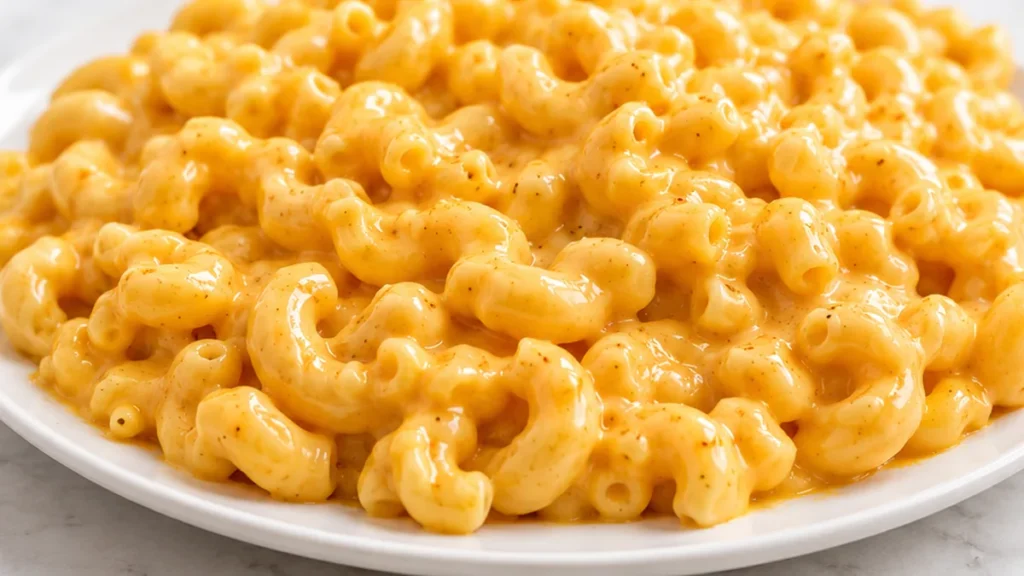
This is the creamiest mac cheese recipe ever, featuring a rich blend of cheeses. Follow these simple steps for a comforting dish that satisfies.
Key takeaways
- Use a béchamel sauce for a creamy base.
- Gradually add cheese to avoid clumping.
- Experiment with different cheese types for flavor.
- Incorporate breadcrumbs for a crispy topping.
Creamiest Mac & Cheese Recipe Ever!
Ingredients
Instructions
- Cook 8 oz. macaroni according to package directions until al dente (about 7-8 minutes). Drain well and set aside.
- In a medium pot over medium heat, melt 3 Tbsp butter. Whisk in 3 Tbsp all-purpose flour and cook for 1 minute, stirring constantly, to create a roux.
- Gradually whisk in 2 cups whole milk, a few tablespoons at a time, ensuring each addition thickens before adding more. Continue whisking until the sauce gently simmers and thickens to the consistency of heavy cream, about 5-7 minutes.
- Remove the pot from heat. Stir in 2 cups shredded sharp cheddar cheese and 1 cup shredded Gruyère cheese until completely melted and smooth.
- Season the cheese sauce with ½ tsp onion powder, ½ tsp garlic powder, ½ tsp paprika, ¾ tsp salt, ¼ tsp black pepper, and ½ tsp hot sauce. Stir well to combine all seasonings.
- Add the drained macaroni to the cheese sauce and stir until every piece is evenly coated. Serve immediately and enjoy your extra cheesy homemade mac and cheese!
Understanding the Creamy Texture of Mac and Cheese
The key to achieving the creamiest mac and cheese lies in the balance of the cheese and the béchamel sauce. A classic béchamel sauce, made from equal parts flour and butter, thickens the dish while allowing the cheese to melt smoothly. The ideal ratio is typically 1 tablespoon of flour and butter for every cup of milk used. This creates a rich base that can support the cheese without becoming too thick or clumpy. Additionally, using a combination of cheeses, such as sharp cheddar for flavor and Gruyère for creaminess, enhances the overall texture.
Common Pitfalls and How to Fix Them
One common issue in making mac and cheese is the cheese clumping or becoming grainy. This often occurs when cheese is added to a sauce that is too hot or when the cheese is not properly shredded. To avoid this, ensure that the cheese is finely shredded and added gradually to a warm, but not boiling, sauce. Another issue is a lack of flavor. If the dish tastes bland, consider adding a pinch of mustard powder or a splash of hot sauce to enhance the flavor profile without overwhelming the dish.
Ingredient Swaps That Impact Flavor and Texture
Swapping ingredients can significantly affect the final outcome of your mac and cheese. For instance, using whole milk instead of low-fat milk will result in a richer, creamier sauce. Alternatively, if you’re looking to cut calories, using a lower-fat cheese like part-skim mozzarella can reduce fat content, but may lead to a less creamy texture. Additionally, incorporating different types of pasta, such as cavatappi or shells, can hold onto the cheese sauce better than traditional elbow macaroni, providing a different mouthfeel.
Unique Characteristics of This Mac and Cheese Recipe
This recipe stands out due to its use of a double cheese method, where cheese is incorporated both into the béchamel sauce and as a topping. This not only creates a rich flavor throughout but also adds a crispy, golden layer when baked. Moreover, the addition of breadcrumbs mixed with melted butter on top provides a delightful crunch that contrasts with the creamy pasta underneath. This combination of textures is what truly elevates this dish above traditional mac and cheese recipes.
How to Prepare Mac and Cheese in Advance for Perfect Results
Making mac and cheese ahead of time can be a game-changer, especially for busy weeknights or gatherings. To prepare this dish in advance, cook the pasta until just al dente, as it will continue to cook when baked. After mixing with the cheese sauce, allow it to cool before transferring to a baking dish. Cover tightly with plastic wrap or aluminum foil and refrigerate for up to 24 hours. When ready to serve, bake at 180°C (350°F) for about 20-30 minutes, or until heated through and bubbly. This method retains the creamy texture while ensuring the dish is convenient for serving.
Understanding the Impact of Equipment on Your Mac and Cheese
The type of cookware you use can significantly influence the outcome of your mac and cheese. A heavy-bottomed pot distributes heat evenly, preventing the cheese sauce from scorching. Non-stick pans help in easy cleanup and prevent sticking, but they might not allow for the same depth of flavor as stainless steel or cast iron. If using a slow cooker, be aware that cooking times may vary; typically, it will take about 2-3 hours on high heat. Each equipment choice can alter the final texture and flavor, so choose wisely based on your desired outcome.
Scaling Your Mac and Cheese Recipe for Different Occasions
Scaling your mac and cheese recipe can be straightforward, but it requires attention to detail to maintain the creamy consistency. When doubling the recipe, keep the cheese sauce ratio consistent, using the same amount of liquid and cheese per serving. However, be cautious with cooking times; larger batches may require longer cooking in the oven to ensure even heating. Additionally, consider using multiple baking dishes if the volume becomes too much for one, as this helps achieve a golden crust on top.
Pairing and Serving Suggestions for the Creamiest Mac and Cheese
Mac and cheese is a versatile dish that pairs well with a variety of sides and proteins. For a balanced meal, consider serving it alongside a fresh green salad or steamed vegetables to cut through the richness. Grilled chicken or shrimp can add protein and complement the creamy texture. Additionally, consider garnishing with fresh herbs like parsley or chives for a pop of color and flavor. The dish can also be elevated with a sprinkle of breadcrumbs or a drizzle of truffle oil before serving, enhancing both the visual appeal and taste.
Understanding the Role of Cheese Selection in Creamy Mac and Cheese
The choice of cheese is paramount in achieving the creamiest mac and cheese recipe ever. Different cheeses have unique melting properties and flavors that can significantly impact the dish. For instance, a combination of sharp cheddar and Gruyère provides a rich flavor profile while ensuring a smooth, creamy texture. Cheddar melts well but can become oily if used alone. Gruyère, on the other hand, emulsifies beautifully, creating a luscious sauce. Aim for a ratio of about 60% cheddar to 40% Gruyère for optimal results. Additionally, consider the age of the cheese; aged cheeses tend to be drier and may require more moisture to achieve creaminess. Always shred your cheese from a block rather than using pre-shredded varieties, which contain anti-caking agents that can hinder melting.
How Cooking Time and Temperature Affect Mac and Cheese Texture
The cooking time and temperature are critical in ensuring your mac and cheese reaches the desired creamy consistency. If the pasta is overcooked, it can lead to a mushy texture that doesn’t hold the cheese sauce well. Cook the pasta until just al dente, typically around 7-9 minutes, depending on the type. After draining, combine it with the cheese sauce over low heat to allow the flavors to meld without further cooking the pasta. This method helps to keep the pasta firm and enhances the overall creaminess of the dish. Additionally, if you’re baking the mac and cheese, keep the oven temperature around 180°C (350°F) and limit the baking time to about 20-25 minutes to prevent drying out.
Batch Scaling for Family Gatherings and Leftovers
Scaling your mac and cheese recipe for larger gatherings can be straightforward, but there are some nuances to consider. When doubling or tripling the recipe, maintain the same ratios of pasta to cheese sauce to preserve the dish’s integrity. However, be mindful of the cooking times; larger batches may require additional time for the pasta to cook and the cheese sauce to thicken. If preparing ahead, allow the mac and cheese to cool completely before refrigerating. When reheating, add a splash of milk or cream to restore the creaminess as the dish tends to dry out when stored. For optimal results, reheat in the oven rather than the microwave, covering it with foil to retain moisture.
Understanding the Role of Cooking Equipment in Achieving Creaminess
The type of cookware you use can significantly impact the texture and creaminess of your mac and cheese. For instance, using a heavy-bottomed saucepan allows for even heat distribution, which helps prevent the cheese sauce from scorching. Non-stick pots can also be beneficial, as they reduce the risk of sticking and burning. When using a cast iron skillet, the retained heat can enhance the browning of the cheese on top, creating a delicious crust while maintaining a creamy interior. Additionally, the size and shape of your pot can affect how quickly the sauce thickens. A wider pot allows for more evaporation, which can concentrate flavors but may also lead to a thicker sauce if not monitored closely. Aim for a pot that accommodates the volume of pasta and sauce without overcrowding, ensuring an even cooking process.
How Ingredient Quality Affects the Final Texture of Mac and Cheese
The quality of the ingredients used in your mac and cheese plays a crucial role in the final texture and flavor. Freshly grated cheese melts better than pre-shredded varieties, which often contain anti-caking agents that can affect creaminess. Opt for high-fat cheeses like Gruyère or aged cheddar, as they contribute to a richer mouthfeel. The type of pasta also matters; using durum wheat pasta can provide a firmer texture that holds up well in the sauce. Additionally, the freshness of your dairy products—milk and butter—will influence the overall flavor. Whole milk or cream will yield a creamier sauce compared to low-fat alternatives. When possible, choose organic or locally sourced ingredients for a noticeable difference in taste and quality.
Pro tips
Pro tip: Best served immediately while hot!
Frequently asked questions
What type of cheese is best for mac and cheese?
For the creamiest mac and cheese, a combination of sharp cheddar for flavor and Gruyère for creaminess works best. You can also experiment with Monterey Jack or fontina for different textures.
Can I make mac and cheese ahead of time?
Yes, you can prepare mac and cheese ahead of time. Assemble the dish, cover it tightly, and refrigerate it. When ready to bake, allow it to come to room temperature before putting it in the oven.
Why does my mac and cheese taste bland?
If your mac and cheese lacks flavor, consider adding seasonings like mustard powder, garlic powder, or a splash of hot sauce. These ingredients enhance the overall taste without overpowering the dish.
How can I make my mac and cheese creamier?
To achieve a creamier texture, use whole milk or heavy cream in your béchamel sauce and ensure your cheese is finely shredded. Adding cream cheese or sour cream can also enhance creaminess.
More from Creamy Pasta Recipes →