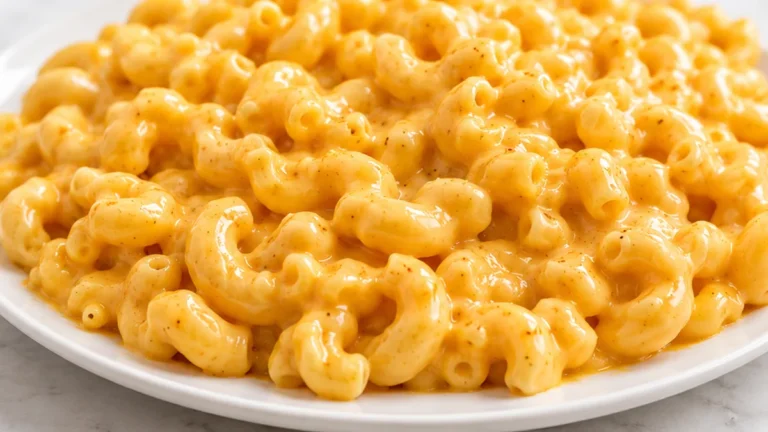
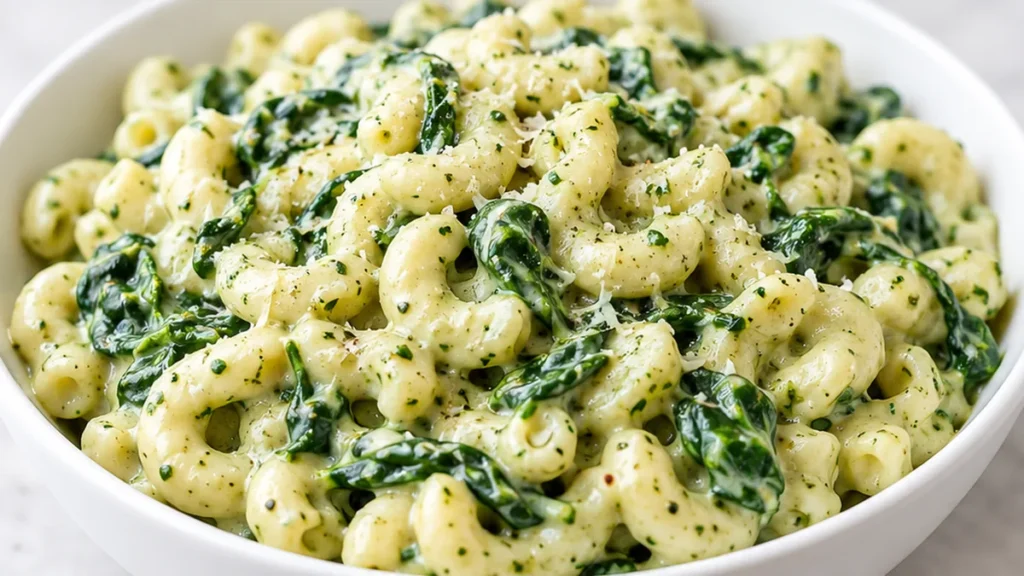
Pesto mac cheese is a comforting dish that combines pasta with a creamy basil sauce. This recipe is straightforward and perfect for any home cook.
Key takeaways
- Use fresh ingredients for the best flavor.
- Maintain a low heat to prevent curdling.
- Cook pasta al dente for the perfect texture.
- Experiment with substitutions to find your ideal flavor profile.
Pesto Mac & Cheese: Comfort Food Magic!
Ingredients
Instructions
- Thaw and drain 1/2 lb. frozen spinach, squeezing out excess water. Set aside.
- Boil 2 cups macaroni for 7-10 minutes until tender. Drain well.
- Melt 2 Tbsp butter, then whisk in 2 Tbsp flour for 1 minute to form a paste.
- Gradually whisk in 2 cups milk, simmer until thickened, then remove from heat.
- Stir in 1/2 cup Parmesan, 1/4 cup pesto, 1/2 tsp salt, and cracked pepper until smooth.
- Combine cooked macaroni, drained spinach, and sauce in the pot. Stir to coat and serve immediately.
Understanding the Role of Pesto in Flavor Development
Pesto is not just a sauce; it plays a crucial role in flavor enhancement in dishes like pesto mac cheese. The combination of basil, garlic, pine nuts, Parmesan cheese, and olive oil creates a rich emulsion that binds well with the cheese and pasta. The key is in the balance of flavors; for instance, using fresh basil can elevate the dish significantly, while the right amount of garlic adds depth without overpowering. A typical pesto recipe uses a ratio of about 2 parts basil to 1 part nuts, which ensures a vibrant flavor without being too heavy.
Preventing Curdling in Cheese Sauce
One common issue when making cheese sauces is curdling, which can occur if the temperature is too high or if the cheese is added too quickly. To prevent this, it’s essential to maintain a low heat when melting cheese. Gradually adding the cheese to the béchamel sauce, while continuously stirring, helps create a smooth texture. Aim for a temperature around 70°C (160°F) when incorporating cheese to avoid any separation of fats and proteins.
Enhancing Texture: The Importance of Pasta Cooking Time
The texture of the pasta can make or break your pesto mac cheese. Overcooking can lead to mushy pasta, while undercooking can leave it too firm. For optimal results, cook the pasta until it is al dente, which generally takes about 1-2 minutes less than the package instructions. This not only ensures a pleasant bite but also allows the pasta to absorb the flavors of the pesto and cheese sauce more effectively.
Substitutions That Impact Flavor and Texture
While traditional pesto mac cheese uses specific ingredients, there are substitutions that can alter the flavor profile significantly. For example, swapping pine nuts for walnuts provides a nuttier taste, while using nutritional yeast instead of Parmesan offers a vegan alternative without sacrificing flavor. However, these substitutions can change the overall creaminess; for instance, using a nut-based cheese may require additional liquid to maintain the desired consistency.
Unique Characteristics of Pesto Mac Cheese
Pesto mac cheese stands out from traditional mac and cheese due to its vibrant green color and aromatic flavor profile. The addition of pesto not only enhances the dish visually but also infuses it with fresh herbaceous notes that are rarely found in standard recipes. This unique twist can make the dish more appealing, especially for those looking to elevate their comfort food experience.
Understanding the Impact of Ingredient Quality on Flavor
The quality of ingredients used in pesto mac cheese can significantly influence the overall flavor profile of the dish. Freshly made pesto, for instance, typically contains high-quality basil, pine nuts, and Parmesan, which contribute to a vibrant taste. When using store-bought pesto, the flavor may vary based on the brand and its ingredients. Opt for brands that use real cheese and fresh herbs for a more authentic taste. Additionally, the type of pasta can affect the dish’s texture; using artisanal pasta made from durum wheat can yield a superior bite compared to standard varieties. Always consider seasonal ingredients, as fresh basil in summer can provide a brighter flavor than its winter counterpart. The balance of these ingredients is crucial for achieving the desired flavor intensity.
Scaling the Batch for Different Occasions
When preparing pesto mac cheese, scaling the recipe can be straightforward, but attention to detail is essential. For larger gatherings, simply multiply the ingredient quantities while maintaining the same ratios. However, be mindful of cooking times, as larger batches may require longer cooking or baking times. For instance, if doubling the recipe, check the pasta for doneness slightly earlier than the package instructions suggest, as it can cook faster in a large pot. Additionally, when scaling up, consider using a larger pot to ensure even cooking. Conversely, if making a smaller batch, you can adjust the cheese sauce’s thickness by reducing the amount of milk or cream, which can help maintain the desired consistency. Always taste and adjust seasonings as you scale, as flavors can concentrate differently.
Make-Ahead Tips and Storage Solutions
Pesto mac cheese is a versatile dish that can be prepared ahead of time, making it ideal for meal prep or entertaining. To make ahead, prepare the pasta and cheese sauce separately. Combine them just before baking to ensure the pasta remains al dente. If storing, allow the dish to cool completely before transferring it to an airtight container. It can be refrigerated for up to three days. For longer storage, consider freezing the assembled dish. When freezing, use a freezer-safe container and ensure it is well-sealed to prevent freezer burn. To reheat, thaw it in the refrigerator overnight and bake at 175°C (350°F) until heated through. This method ensures that the pesto flavor remains vibrant and the cheese sauce retains its creamy texture.
Choosing the Right Equipment for Optimal Results
The equipment used in preparing pesto mac cheese can affect the final outcome significantly. A heavy-bottomed pot is recommended for cooking the pasta, as it distributes heat evenly and prevents sticking. When making the cheese sauce, a non-stick saucepan is ideal for preventing the cheese from clumping or burning. For mixing the pesto, a food processor or high-quality blender can achieve a smoother consistency, which is essential for a well-integrated sauce. If you prefer a chunkier texture, a mortar and pestle can be used for a more traditional approach. Additionally, using a baking dish that retains heat well will help achieve a nice crust on top when broiling the finished dish. Always ensure your equipment is clean and dry to avoid unwanted flavors.
Understanding the Impact of Pasta Shape on Sauce Adhesion
The choice of pasta shape can significantly affect how well the sauce adheres to each piece. For pesto mac cheese, tubular shapes like macaroni or penne are ideal as they trap sauce within their hollow centers, creating a more flavorful bite. In contrast, flat pasta types such as lasagna sheets may not hold the sauce as effectively, leading to a less cohesive dish. It’s also important to consider the surface texture; ridged pasta can provide more surface area for the sauce to cling to, enhancing the overall flavor experience. A ratio of 100 grams of pasta per serving is a good starting point, ensuring that each piece is adequately coated without overwhelming the dish.
Optimizing Pesto Quality for Maximum Flavor
The quality of pesto used in your mac and cheese can make or break the dish. Freshly made pesto, ideally using high-quality basil, pine nuts, and extra virgin olive oil, will yield a more vibrant flavor compared to store-bought varieties. When making your own, aim for a ratio of 50 grams of basil to 30 grams of pine nuts, blended with 60 ml of olive oil for a rich consistency. If using store-bought pesto, check for the presence of preservatives or artificial flavors, as these can dull the dish’s overall taste. Additionally, consider adding a squeeze of lemon juice to brighten flavors and balance the richness of the cheese sauce, enhancing the overall experience.
Understanding the Role of Pasta Cooking Time in Pesto Mac & Cheese
The cooking time for pasta is crucial in achieving the perfect pesto mac & cheese. Overcooking can lead to mushy pasta, which fails to hold the sauce effectively. For optimal texture, cook the pasta until just al dente, typically 1-2 minutes less than package instructions. This ensures that the pasta remains firm and has a slight bite, allowing it to absorb the flavors of the pesto and cheese sauce. The ideal cooking temperature is around 100°C (212°F), and the pasta should be drained immediately and tossed with a bit of olive oil to prevent sticking. This step is essential as it creates a slight barrier that keeps the pasta from clumping while also enhancing the flavor of the dish.
Choosing the Right Cheese for Pesto Mac & Cheese
The choice of cheese can significantly impact the flavor and texture of your pesto mac & cheese. While classic recipes often call for cheddar, experimenting with cheeses like Gruyère or Fontina can add a unique depth to the dish. Cheddar melts well and provides a sharp flavor, while Gruyère offers a nutty richness. A combination of cheeses can also work well; for instance, mixing mozzarella for creaminess with Parmesan for a salty finish. When selecting cheese, consider the moisture content: low-moisture cheeses melt better and create a smoother sauce. Aim for a cheese ratio of about 60% low-moisture cheese to 40% high-moisture cheese for the best results. This balance ensures that the sauce remains creamy without becoming too watery.
Pro tips
Pro tip: Best served immediately while hot!
Frequently asked questions
Can I use store-bought pesto for this recipe?
Yes, store-bought pesto can be a convenient alternative. However, homemade pesto often has a fresher flavor and better texture, enhancing the overall dish.
What type of cheese works best for pesto mac cheese?
A combination of sharp cheddar and creamy mozzarella is ideal for a balanced flavor and texture. You can also experiment with other cheeses like Gruyère for added depth.
How can I make this dish vegan?
To make a vegan version, use a dairy-free cheese alternative and nutritional yeast for a cheesy flavor. Additionally, ensure that your pesto is made without cheese.
Can I prepare pesto mac cheese in advance?
Yes, you can prepare the dish in advance. Just be sure to store it in an airtight container in the refrigerator. When ready to serve, reheat gently to avoid overcooking the pasta.
More from Creamy Pasta Recipes →