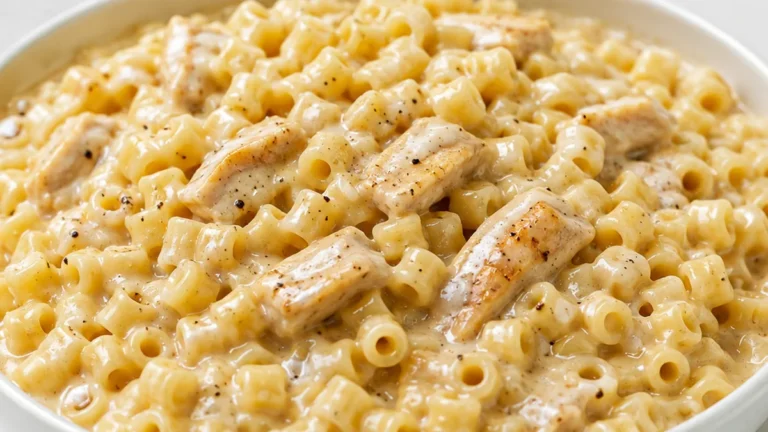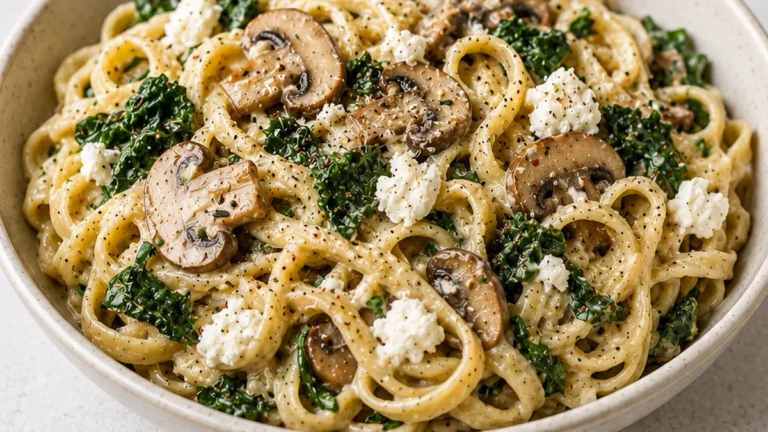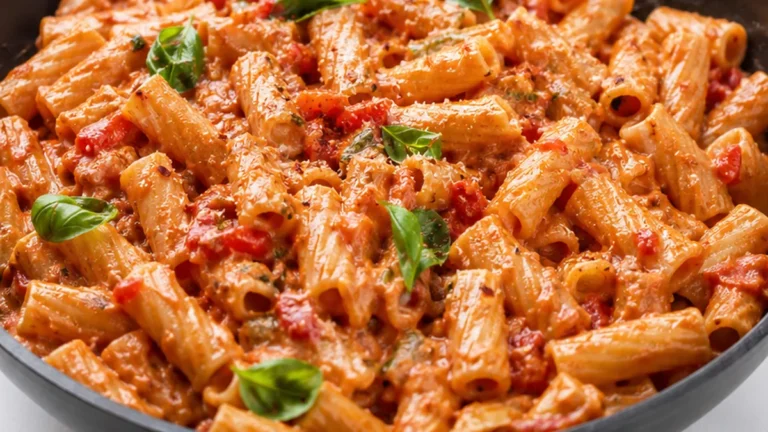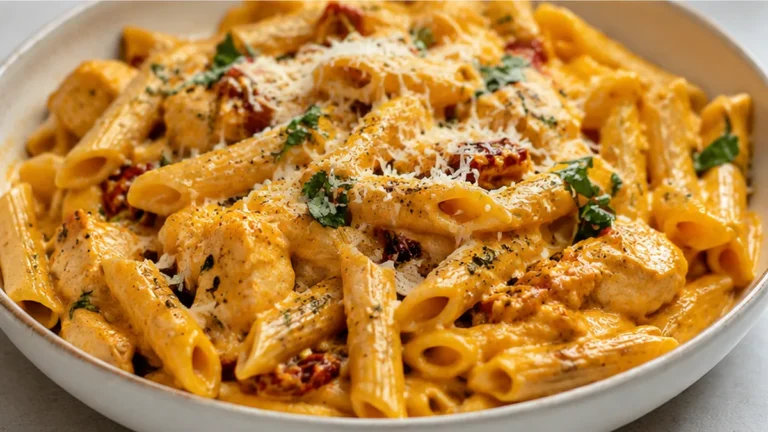
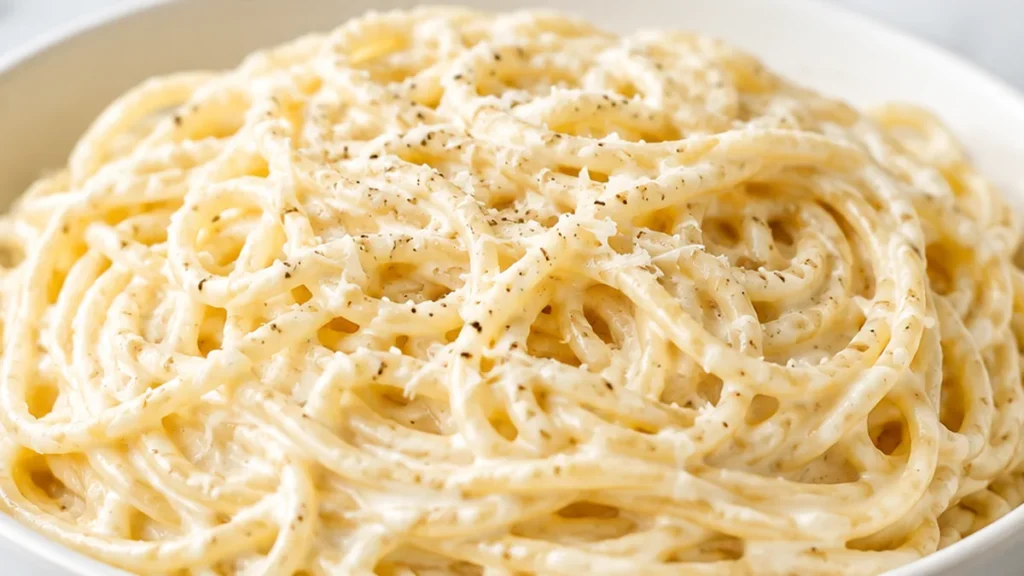
The secret to an irresistible Creamy Parmesan Spaghetti lies in its simplicity and the perfect balance of rich ingredients. This recipe delivers restaurant-quality flavor in your own kitchen, with a velvety smooth sauce that clings to every strand. It’s the ultimate comfort food, designed for busy weeknights or whenever you need a quick, deeply satisfying meal. This parmesan spaghetti is perfect for home cooks looking for a fuss-free yet decadent dish. We focus on achieving that perfect creamy texture without complicated steps, ensuring a delicious outcome every time.
Key takeaways
- Use room temperature cream cheese for a smooth emulsion.
- Cook spaghetti al dente and reserve pasta water for consistency.
- Choose freshly grated parmesan for better melting and flavor.
- Avoid overheating the cheese mixture to prevent graininess.
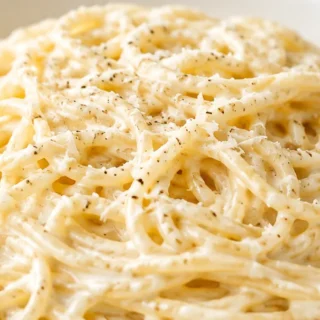
Creamy Parmesan Spaghetti
Ingredients
- 8 ounces spaghetti noodles
- 2 tablespoons unsalted butter
- 3 cloves minced garlic
- 1 cup heavy cream
- 1 (8-ounce) package softened cream cheese
- ¾ cup shredded parmesan cheese
- Salt and pepper to taste
Instructions
- Cook spaghetti noodles according to package directions until al dente, about 8-10 minutes.
- Melt unsalted butter in a large skillet over medium heat, then add minced garlic and cook for 1 minute.
- Pour in heavy cream and add softened cream cheese, whisking until smooth, about 3-4 minutes.
- Add cooked spaghetti to the skillet, stirring in shredded parmesan cheese and salt and pepper.
- Stir frequently for 2-3 minutes until noodles are well-coated and sauce is thick.
- Remove from heat and serve immediately.
Video
Notes
Understanding the Creamy Emulsion in Parmesan Spaghetti
The key to achieving a creamy texture in parmesan spaghetti lies in the emulsion of fats and liquids. When combining heavy cream, cream cheese, and parmesan cheese, the goal is to create a stable emulsion. This occurs when the fat molecules from the cream and cheese are evenly distributed throughout the liquid, resulting in a smooth sauce. To achieve this, ensure that your cream cheese is at room temperature (around 70°F or 21°C) before mixing. Gradually adding the heavy cream while stirring helps maintain the emulsion, preventing separation.
Preventing a Watery Sauce
A common issue with creamy sauces is excess water, which can lead to a diluted flavor. This can happen if the pasta is overcooked or if the sauce is not sufficiently thickened. To fix this, cook the spaghetti al dente, which typically takes 8-10 minutes in boiling water. Reserve about 1 cup of pasta water before draining; this starchy water can be added to the sauce to achieve the desired consistency without sacrificing flavor.
Choosing the Right Cheese for Flavor
While parmesan cheese is the star of this dish, the type of parmesan you choose can significantly impact the flavor profile. Freshly grated parmesan cheese is recommended over pre-packaged options, as it melts better and provides a richer taste. If you prefer a sharper flavor, consider using aged parmesan or a blend of parmesan with pecorino Romano. Keep in mind that using a stronger cheese might require less salt in your dish.
Addressing Common Texture Issues
If your sauce turns out grainy or clumpy, the likely cause is overheating the cheese mixture. Cheese should be melted gently over low heat to avoid curdling. If this occurs, you can rescue the sauce by whisking in a small amount of reserved pasta water to smooth it out. Additionally, make sure to stir continuously when combining the cheese with the cream to maintain a uniform texture.
The Unique Creaminess of Cream Cheese
This dish stands out due to the inclusion of cream cheese, which adds a rich, tangy flavor and unique creaminess that traditional alfredo sauces lack. The cream cheese not only enhances the texture but also helps stabilize the sauce, making it less prone to separation. This addition sets parmesan spaghetti apart from other creamy pasta dishes, providing a distinct taste and mouthfeel.
How to Properly Store Creamy Parmesan Spaghetti for Future Enjoyment
Storing creamy parmesan spaghetti requires careful attention to maintain its texture and flavor. To store leftovers, allow the dish to cool completely before transferring it to an airtight container. It can be refrigerated for up to 3 days. For longer storage, consider freezing the spaghetti. However, note that the cream sauce may separate upon thawing, so it’s best to reheat gently and whisk in a bit of cream to restore its consistency.
Adjusting Serving Sizes Without Compromising Quality
Scaling the recipe for creamy parmesan spaghetti is straightforward but requires attention to ingredient ratios. If doubling the recipe, maintain the same ratio of pasta to sauce (1 ounce of spaghetti per 1/8 cup of cream). This ensures that the sauce adequately coats the pasta without becoming too thick or too thin. When increasing the batch size, consider using a larger pot to accommodate the increased volume and prevent uneven cooking.
Impact of Ingredient Quality on Flavor and Texture
The quality of ingredients significantly affects the final dish. Fresh, high-quality parmesan cheese will provide a richer flavor compared to pre-grated options, which often contain anti-caking agents. Similarly, using fresh garlic instead of jarred can enhance the aromatic profile. Seasonal variations in cream and dairy products can also affect the creaminess and mouthfeel of the sauce, so opting for local, seasonal ingredients is advisable for the best results.
Choosing the Right Equipment for Optimal Cooking
The choice of cookware can influence the outcome of creamy parmesan spaghetti. A heavy-bottomed saucepan is ideal for even heat distribution, which helps prevent the cream from scorching. If using a non-stick skillet, ensure it is well-seasoned to avoid sticking. Additionally, a pasta pot with a built-in strainer can streamline the process of draining spaghetti and reduce the risk of overcooking.
How to Prepare Creamy Parmesan Spaghetti in Advance
Making creamy parmesan spaghetti ahead of time requires careful consideration to maintain its creamy texture and flavor. To prepare it in advance, cook the spaghetti al dente, about 1-2 minutes less than the package instructions, to prevent it from becoming mushy when reheated. After cooking, toss the noodles with a bit of olive oil to prevent sticking. For the sauce, prepare the butter, garlic, cream, and cream cheese mixture as instructed but avoid adding the parmesan until just before serving. Store the pasta and sauce separately in airtight containers in the refrigerator for up to 3 days. When ready to serve, reheat the sauce gently over low heat, adding the parmesan cheese to create a smooth emulsion. Combine with the spaghetti and serve immediately.
Understanding the Impact of Equipment on Cooking Time
The equipment you use can significantly affect the cooking time and texture of your creamy parmesan spaghetti. For instance, using a heavy-bottomed pan or a Dutch oven can provide more even heat distribution, which is crucial for preventing the cream from scorching. Non-stick pans can also help in reducing the amount of fat needed and make cleaning easier. If using an electric stove, be mindful of the heat settings; medium heat is ideal for sautéing garlic without burning it. Conversely, if using induction cooktops, you may need to adjust the cooking time slightly due to the rapid heating capabilities. Always monitor the sauce closely to achieve the desired creaminess.
Scaling the Recipe Without Compromising Quality
Scaling up or down the creamy parmesan spaghetti recipe requires attention to ingredient ratios to maintain the desired consistency and flavor balance. For every additional 4 ounces of spaghetti, increase the sauce ingredients proportionally: add 1 tablespoon of butter, 1 clove of garlic, ¼ cup of heavy cream, and 2 ounces of cream cheese. However, be cautious with the parmesan; while you can increase it, too much can overpower the dish. A good rule is to increase the cheese by about ⅓ of the original amount to keep the flavors harmonious. When scaling down, remember that cooking times may vary slightly, so taste frequently to ensure the sauce does not over-reduce.
Pairing Options to Enhance Creamy Parmesan Spaghetti
Choosing the right pairings for creamy parmesan spaghetti can elevate the dish to new heights. For proteins, grilled chicken or shrimp complements the creamy sauce well, adding a satisfying texture and flavor contrast. Vegetables such as sautéed spinach, roasted asparagus, or cherry tomatoes can provide freshness and balance the richness of the dish. For a touch of acidity, consider a squeeze of lemon juice or a light salad dressed with vinaigrette on the side. Additionally, a light white wine, such as Pinot Grigio or Sauvignon Blanc, pairs beautifully with the creamy flavors, enhancing the overall dining experience.
Understanding the Impact of Ingredient Quality on Creamy Parmesan Spaghetti
The quality of ingredients in creamy parmesan spaghetti directly influences the dish’s final flavor and texture. Using high-quality parmesan cheese, such as Parmigiano-Reggiano, enhances the umami depth and ensures a smoother melting process. Freshly grated cheese is preferable, as pre-shredded varieties often contain anti-caking agents that can affect the sauce’s creaminess. The butter should be unsalted to allow for better control over the dish’s saltiness. Heavy cream must be fresh and unwhipped to maintain the desired consistency; using expired cream can lead to separation and off-flavors. Additionally, fresh garlic provides a more robust taste compared to powdered garlic, which can taste flat. When making creamy parmesan spaghetti, aim for a balance of fresh and high-quality ingredients to achieve a luxurious and satisfying dish.
Scaling the Batch for Creamy Parmesan Spaghetti Without Compromise
Scaling the recipe for creamy parmesan spaghetti is straightforward, but attention to detail is crucial to maintain the dish’s integrity. When increasing the quantity, keep the ratio of ingredients consistent: for every additional 8 ounces of spaghetti, add 2 tablespoons of butter, 1 clove of garlic, ½ cup of heavy cream, 4 ounces of cream cheese, and ¼ cup of parmesan cheese. This ratio ensures that the sauce remains creamy and flavorful. It is essential to use a larger pot to prevent overcrowding the pasta, which can lead to uneven cooking. Additionally, when scaling, consider that cooking times may slightly increase; monitor the pasta closely to avoid overcooking. For best results, prepare the sauce in batches if making a large quantity, ensuring that each batch maintains the desired creaminess and flavor. Finally, be cautious with salt; taste and adjust as you scale up to avoid over-seasoning.
Pro tips
- Use good quality Parmesan cheese for the best flavor.
- Ensure cream cheese is truly softened to avoid lumps.
- Cook pasta al dente; it will finish cooking in the sauce.
- Taste and adjust salt and pepper before serving.
Enjoy this luscious Creamy Parmesan Spaghetti – a simple yet deeply satisfying dish that proves comfort food can be quick and easy.
Frequently asked questions
Can I use a different type of pasta for this recipe?
Yes, while spaghetti is traditional, you can use other pasta types like fettuccine or penne. Just ensure to adjust cooking times according to the pasta’s thickness.
How can I make this recipe lighter?
To lighten the dish, consider substituting half of the heavy cream with low-fat milk or using a reduced-fat cream cheese. This will decrease the overall fat content while still maintaining some creaminess.
What can I do if my sauce is too thick?
If your sauce becomes too thick, gradually add reserved pasta water until you reach your desired consistency. This will help loosen the sauce without sacrificing flavor.
Can I add vegetables or protein to this dish?
Absolutely! Adding sautéed vegetables like spinach or mushrooms, or cooked chicken or shrimp, can enhance the dish’s flavor and nutritional value. Just be mindful of adjusting the seasoning accordingly.
More from Creamy Pasta Recipes →