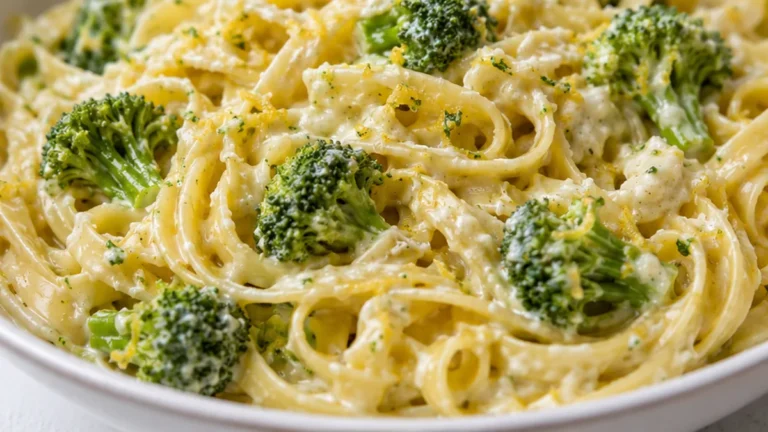
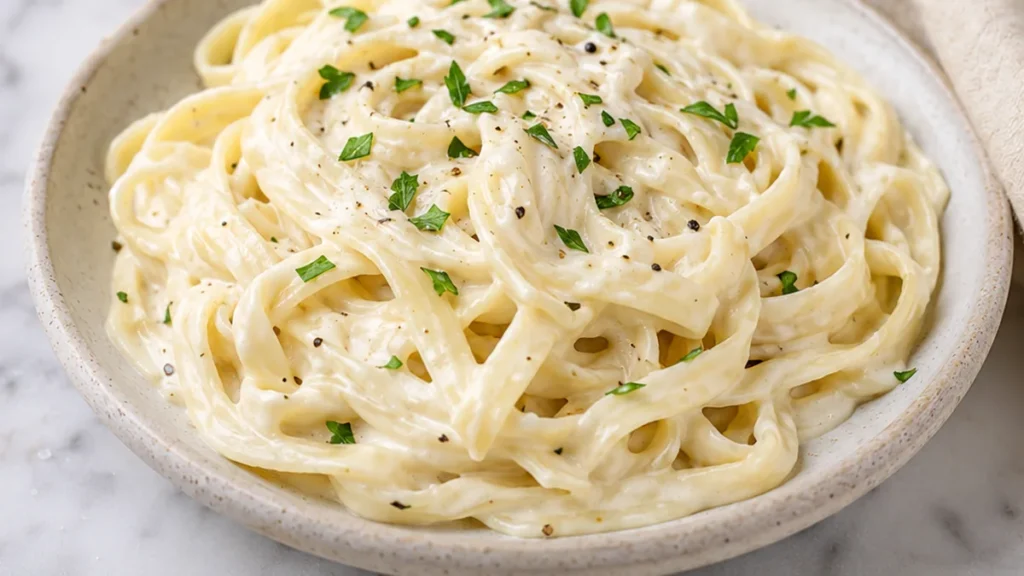
Discover the trick to a truly healthy Fettuccine Alfredo. This recipe transforms a classic indulgence into a surprisingly light and wholesome meal, perfect for any night of the week. Using cauliflower as a base for the creamy sauce, it delivers all the rich flavor you crave without the heavy calories. This fettuccine alfredo is designed for those seeking comfort food without compromise. It proves that healthy eating can be incredibly satisfying and delicious, making it a favorite for families and discerning palates alike.
Key takeaways
- The creamy texture of this healthy fettuccine alfredo is achieved by blending cooked cauliflower with broth and seasonings.
- Ensure cauliflower is very tender before blending for a smooth, non-gritty sauce.
- Adjust seasoning and simmering time to achieve the desired sauce consistency and flavor.
- Substitutions can be made for dietary needs, but be aware of potential flavor and texture changes.

Creamy Fettuccine Alfredo, Healthy Version
Ingredients
- 1 lb uncooked fettuccine noodles
- 3 small heads cauliflower
- 6 cups vegetable broth
- 6 cloves garlic, minced
- 1 tablespoon butter
- 1 teaspoon salt
- pinch nutmeg
- pinch black pepper
- 1 tablespoon olive oil
- 1/4 cup heavy cream
Instructions
- Chop the cauliflower. Bring the vegetable broth to a boil over medium-high heat and add cauliflower. Cook until cauliflower is soft, about 15 minutes. The longer you cook it, the smoother the sauce will be. Meanwhile, melt the butter in a large skillet over medium heat. Add the minced garlic and saute for 4-5 minutes or until soft and fragrant.
- As the garlic and cauliflower are cooking, bring a large pot of water to boil and cook the fettuccine according to package directions, reserving some of the starchy water to add to the sauce later.
- Transfer cauliflower to a blender with about 2 cups of the broth. You may need to do this in batches depending on the size of your blender. Add the sauteed garlic, salt, nutmeg, and black pepper and puree until very smooth, about 5 minutes. Once the mixture is moving, stream the olive oil into the blender. Add more broth or water if the mixture is too thick to move through the blender. You want it to turn through the blender easily.
- When puree is very smooth, transfer back to the butter/garlic skillet. Add the cream and cook over low heat. Add the starchy pasta water (or regular water if you’re not making pasta) and keep warm until ready to serve. Combine noodles and sauce in a large pot or skillet and serve immediately.
Notes
The technique that makes it
The magic behind this healthy fettuccine alfredo lies in transforming cauliflower into a creamy sauce base. The key is to thoroughly cook the cauliflower until it’s very tender. This is achieved by simmering the cauliflower florets in vegetable broth until they are fork-tender, ensuring no raw or crunchy bits remain. The hot broth not only cooks the cauliflower but also provides a flavorful liquid for blending. Once tender, the cauliflower and about 1 cup of the cooking liquid are transferred to a high-speed blender. Blending until completely smooth is crucial; any grittiness will detract from the luxurious, creamy texture expected of alfredo. A high-speed blender is recommended for the smoothest possible consistency. The addition of garlic, butter, salt, nutmeg, and pepper during the blending process infuses the sauce with classic alfredo flavors. The heavy cream is added at the end, just before tossing with the pasta, to enrich the sauce and provide a final touch of creaminess without making it overly heavy. Cooking the fettuccine al dente is also important, as it will continue to cook slightly when tossed with the hot sauce.
Troubleshooting
- Sauce is gritty: Ensure cauliflower was cooked until very tender and blended in a high-speed blender until completely smooth. Blend for longer if necessary.
- Sauce is too thin: Simmer the blended sauce gently in a saucepan for a few minutes to allow some liquid to evaporate, thickening it. Alternatively, blend in a small amount of cooked pasta water.
- Sauce is bland: Increase the salt, pepper, and nutmeg. Consider adding a pinch of garlic powder or a squeeze of lemon juice for brightness.
- Sauce separates: This is less common with cauliflower-based sauces but can happen if overheated. Gently reheat over low heat, whisking continuously. Ensure the cream is incorporated properly.
Substitutions
- Cauliflower: Butternut squash or peeled zucchini can be used for a similar creamy texture, though they will impart a slightly different flavor profile and color.
- Vegetable broth: Chicken broth can be used for a richer flavor, but it will make the sauce non-vegetarian. Water can be used in a pinch, but the sauce will be less flavorful.
- Heavy cream: Unsweetened cashew cream or a full-fat coconut milk (use only the thick cream from the top) can offer a dairy-free alternative, though they may alter the flavor slightly.
- Butter: A plant-based butter alternative or a small amount of extra olive oil can be used for a dairy-free option.
Pro tips
- Cook the cauliflower until very tender for the smoothest sauce.
- Use a high-powered blender for the silkiest texture.
- Reserve at least 1 cup of pasta water; it’s key for sauce consistency.
- Adjust seasoning with salt and pepper to your preference.
Enjoy this lighter, yet equally decadent, Fettuccine Alfredo. It’s a testament to how simple ingredients can create extraordinary flavors.
More from Healthy Pasta Recipes →
Read also on TastyBend: El Dip Más Fácil y Cremoso de Queso.
Frequently asked questions
How to make fettuccine alfredo healthier without sacrificing flavor?
To make a healthier Alfredo, use low-fat milk or unsweetened almond milk instead of heavy cream. Substitute Greek yogurt or pureed cauliflower for some of the butter and cream cheese. Use whole wheat fettuccine for added fiber. Season generously with garlic, Parmesan, and black pepper to maintain rich flavor.
Can I make this healthy fettuccine alfredo ahead of time?
You can prepare the sauce components ahead of time. Cook the pasta just before serving. Store the sauce separately in an airtight container in the refrigerator for up to 3 days. Reheat gently on the stovetop, adding a splash of milk or broth to achieve the desired consistency.
What are good substitutions for heavy cream in alfredo sauce?
Excellent substitutions for heavy cream include evaporated milk, half-and-half, or a blend of low-fat milk and cornstarch for thickening. For a dairy-free option, use full-fat coconut milk or a cashew cream. Greek yogurt or pureed silken tofu can also add creaminess with fewer calories.
How do I store leftover healthy alfredo sauce and pasta?
Store leftover pasta and sauce separately in airtight containers in the refrigerator. The pasta can be stored for 2-3 days. The sauce can also be stored for 3-4 days. Reheat them gently on the stovetop, adding a little liquid like milk or broth to loosen the sauce.