
Homemade cauliflower gnocchi might sound intimidating, but this recipe makes it surprisingly simple and utterly delicious. Forget store-bought versions; this fluffy, pillowy gnocchi is light, tender, and pan-fried to golden perfection. It’s the perfect way to enjoy a comforting Italian classic with a healthy twist. This cauliflower gnocchi recipe uses basic ingredients and a few simple steps to create a dish that’s both satisfying and visually appealing. you’ll love how easy it is to achieve restaurant-quality results at home.
Key takeaways
- Manage cauliflower moisture by thorough draining and drying for a light texture.
- Incorporate flour gradually to avoid a tough or gummy dough.
- Handle the dough gently and avoid overworking it.
- Cook gnocchi until they float, and consider pan-frying for a crispier finish.
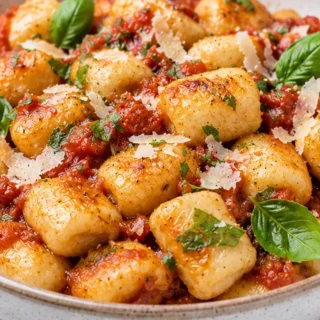
Fluffy Cauliflower Gnocchi Recipe
Ingredients
- 1 16-ounce bag frozen cauliflower florets (about 5 cups)
- 2/3 cup all-purpose flour
- 1 teaspoon salt
- 1 tablespoon olive oil (for cooking)
- Your favorite sauce (marinara, pesto, etc.)
- Optional: Fresh basil for garnish
Instructions
- Boil frozen cauliflower florets in water for 5-8 minutes until tender. Drain well.
- Cool cauliflower slightly, then squeeze out as much excess water as possible using a clean towel.
- Pulse cauliflower in a food processor until crumbly. Add flour and salt, pulse until a soft, sticky dough forms.
- On a floured surface, cut dough into 4 sections. Roll each into a rope, then cut into small gnocchi pieces.
- Heat olive oil in a skillet over medium heat. Cook gnocchi in batches until golden brown for 2-3 minutes per side.
- Add your favorite sauce to the pan with the gnocchi. Toss gently to combine and heat through. Serve immediately!
Notes
The technique that makes it
The key to achieving fluffy cauliflower gnocchi lies in managing moisture content. Cauliflower, by its nature, holds a significant amount of water. If this water isn’t removed effectively before mixing with flour, the dough will become overly wet and sticky. This excess moisture prevents the gnocchi from achieving a light, tender texture and can lead to them becoming gummy or dense after cooking.
The process begins with thoroughly steaming or roasting the cauliflower florets until they are very tender. Once cooked, it’s crucial to drain them extremely well. A fine-mesh sieve is essential here, and pressing down on the cauliflower with the back of a spoon can help expel excess liquid. For even better results, allow the steamed cauliflower to cool slightly and then pat it dry with paper towels. Some chefs even recommend spreading the cooked cauliflower on a baking sheet and letting it air dry for a short period.
After processing the cauliflower into a puree, the next critical step is to incorporate the flour gradually. The goal is to form a cohesive dough that is just firm enough to handle, but not overly sticky. Overworking the dough or adding too much flour will result in tough gnocchi. The dough should feel soft and slightly tacky, but manageable. Rolling and shaping the gnocchi should be done with lightly floured hands and surfaces to prevent sticking.
Finally, the cooking method significantly impacts texture. Boiling the gnocchi until they float is the standard method. Overcooking them in the boiling water can cause them to absorb too much water and become mushy. A gentler approach, or pan-frying them briefly after boiling, can create a delightful contrast of textures – tender inside with a slightly crisp exterior.
Troubleshooting
- Gnocchi are gummy or dense: This usually means too much moisture was left in the cauliflower, or too much flour was added, making the dough tough. Ensure cauliflower is very well-drained and cooled. Add flour sparingly until a workable dough forms.
- Gnocchi fall apart when boiling: The dough likely wasn’t cohesive enough, possibly due to insufficient flour or under-mixing. Try adding a touch more flour and ensuring the dough is well-kneaded until it holds together.
- Gnocchi are sticky and hard to shape: The dough is too wet. Lightly flour your hands and work surface generously. You can also try chilling the dough for 15-20 minutes to firm it up.
- Gnocchi are tough after cooking: This is often a result of overworking the dough or adding too much flour. Mix the dough just until combined and handle it gently. Avoid over-boiling.
Substitutions
- Flour: Gluten-free all-purpose flour blends can be used, though the texture might be slightly different. Start with the same amount and adjust as needed, as gluten-free flours absorb liquid differently.
- Cauliflower: While this recipe specifically uses cauliflower, you could experiment with other cooked and well-drained pureed vegetables like sweet potato or butternut squash. This will alter the flavor and color significantly.
- Salt: Sea salt or kosher salt can be used interchangeably with table salt. Adjust the amount slightly based on the saltiness of your chosen salt.
- Olive Oil: Any neutral cooking oil like avocado oil or grapeseed oil can be used for pan-frying the gnocchi.
Pro tips
- Ensure cauliflower is very dry after squeezing to prevent sticky dough.
- Don’t over-process the cauliflower; aim for crumbles, not a puree.
- Cook gnocchi in batches to ensure even browning and prevent overcrowding.
- Serve immediately for the best texture.
Enjoy your incredibly flavorful and easy homemade cauliflower gnocchi. This versatile dish is perfect for any occasion!
More from Healthy Pasta Recipes →
Read also on TastyBend: Ground Turkey Nutrition Facts: Complete Scientific Analysis.
Frequently asked questions
How do I make cauliflower gnocchi fluffy?
To achieve fluffy cauliflower gnocchi, ensure your cauliflower is thoroughly cooked and then very well-drained. Excess moisture is the enemy of fluffiness. Mix the riced cauliflower with your binder (egg and flour) until just combined, avoiding overmixing, which can develop gluten and make them tough. Gently shape and boil until they float.
Can I make cauliflower gnocchi ahead of time?
Yes, you can make cauliflower gnocchi ahead of time. After shaping them, you can freeze them on a baking sheet until solid, then transfer to a freezer-safe bag. Cook directly from frozen, adding a few extra minutes to the boiling time. They will keep in the freezer for about a month.
What flour is best for cauliflower gnocchi?
All-purpose flour is commonly used and works well for cauliflower gnocchi, providing a good balance of structure and tenderness. For a gluten-free option, you can try a gluten-free all-purpose flour blend. Some recipes also incorporate a small amount of tapioca starch or almond flour for a slightly different texture.
How do you know when cauliflower gnocchi is cooked?
Cauliflower gnocchi is cooked when it floats to the surface of the boiling water. This typically takes 2-4 minutes after they are added to the pot. Once they float, let them simmer for another minute before gently removing them with a slotted spoon. They should be tender but hold their shape.