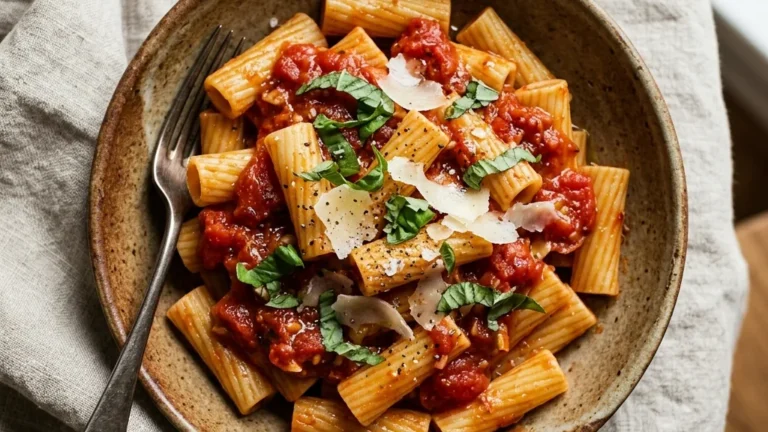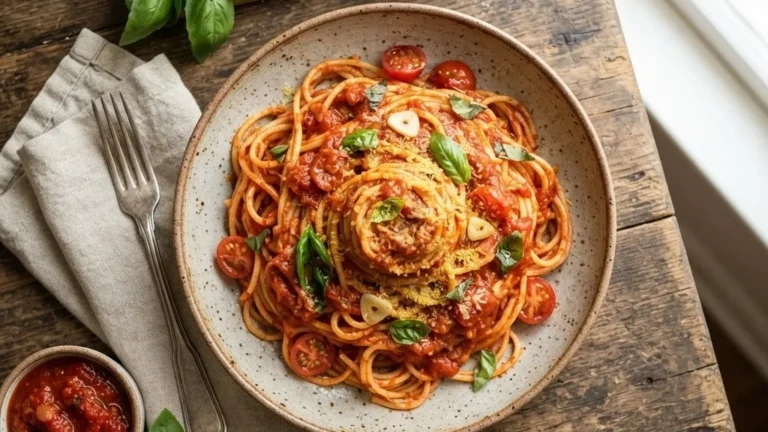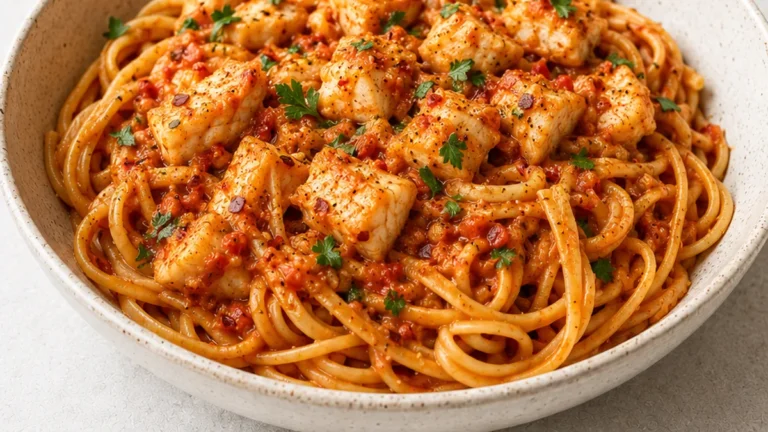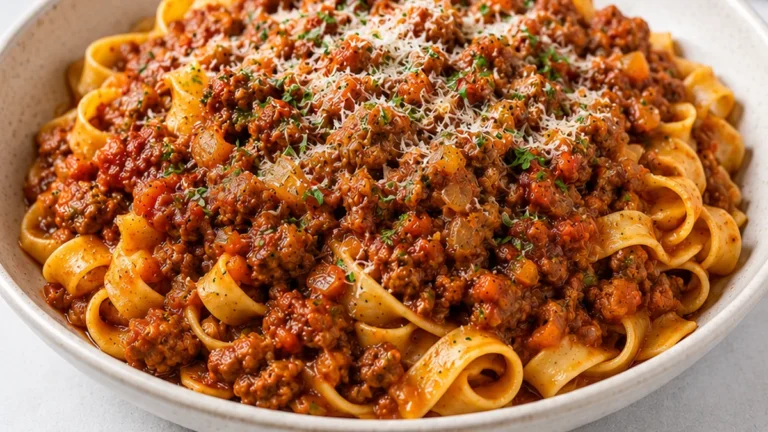
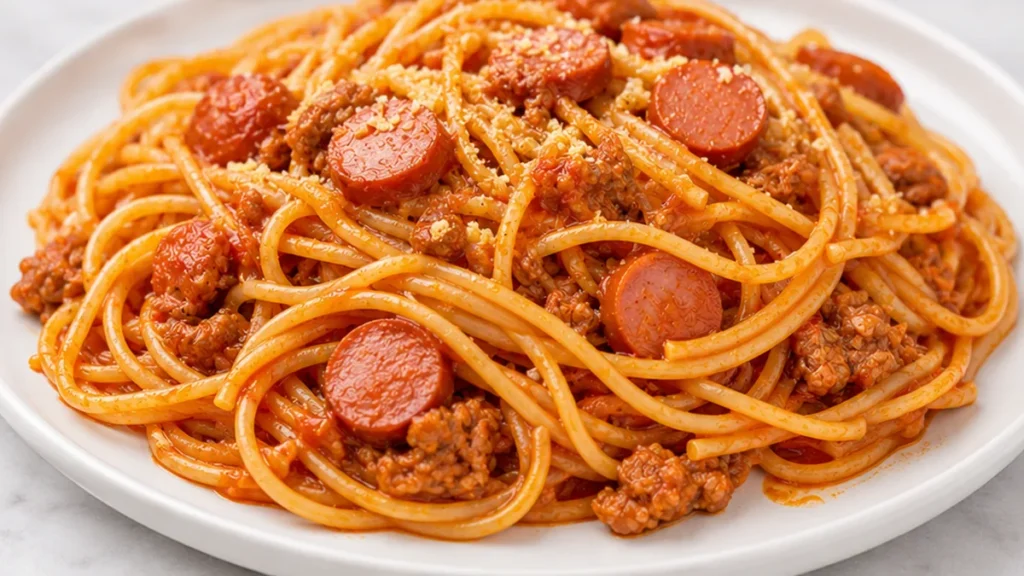
Filipino spaghetti is a beloved dish that stands out with its uniquely sweet and savory flavor profile, a delightful departure from traditional Italian pasta. This recipe captures the essence of this popular comfort food, incorporating classic ingredients like ground pork, hot dogs, and a rich, smooth tomato sauce that’s simmered to perfection. Perfect for gatherings, weeknight dinners, or anytime you crave a taste of Filipino cuisine, this version of Filipino spaghetti is designed to be both accessible for home cooks and incredibly satisfying. Get ready to impress your family and friends with a pasta dish that’s both familiar and excitingly different.
Key takeaways
- Filipino spaghetti's unique sweetness comes from sweet Italian tomato sauce and a touch of sugar in the sauce base.
- Browning the ground pork well is key for developing savory depth.
- The inclusion of hot dogs is a defining characteristic, adding a salty, processed meat flavor.
- Balance is achieved through careful addition of tomato paste for body and seasoning adjustments.
Sweet & Savory Filipino Spaghetti Recipe
Ingredients
- 1 lb spaghetti noodles
- 1 lb sweet and smooth Italian tomato sauce
- 8 ounces tomato paste
- 2 tablespoons minced onion
- 2 tablespoons minced garlic
- 2 tablespoons cooking oil
- 1 lb ground pork
- ½ cup minced carrots and red peppers
- 2 cups diced or thinly sliced hot dogs
- 1 cup water
Instructions
- Cook the spaghetti noodles according to package directions until al dente. Drain and set aside.
- Heat oil in a large skillet over medium heat. Add minced onion and garlic, sauté until fragrant (3-4 minutes). Add ground pork and cook, breaking it up, until browned completely.
- Stir in the minced carrots, red peppers, and diced hot dogs. Add water and simmer for 10-15 minutes, allowing flavors to meld.
- Pour in the sweet tomato sauce and tomato paste. Stir well to combine and continue to simmer for another 10-15 minutes until the sauce thickens.
- Combine the cooked spaghetti noodles and the savory meat sauce in a large pot. Toss gently until evenly coated.
- Serve hot, topped with grated cheese for that classic Filipino touch, allowing it to melt into the sauce.
Notes
The technique that makes it
The signature sweetness and savory depth of Filipino spaghetti lie in a few key techniques. Unlike many Western spaghetti sauces that rely on long simmering for complexity, Filipino spaghetti sauce achieves its flavor profile through a combination of sweet tomato sauce, the umami from ground pork, and the distinct addition of hot dogs. The sweet Italian tomato sauce is crucial; it provides a baseline sweetness that is characteristic of this dish. Browning the ground pork thoroughly before adding liquids is essential for developing rich, savory notes. The minced carrots and red peppers, while adding a touch of sweetness and color, also contribute to the sauce’s texture, preventing it from becoming too thin. The hot dogs, often sliced and browned, introduce a salty, processed meat flavor that is uniquely Filipino. Finally, the balance of tomato paste to sweet sauce is important. The paste adds concentrated tomato flavor and helps thicken the sauce, while the sweet sauce provides the characteristic sweetness. A brief simmer allows these flavors to meld without overcooking the ingredients, preserving the bright tomato notes.
Troubleshooting
- Problem: Sauce is too sweet. Fix: Add a pinch of salt or a splash of vinegar (like white vinegar or apple cider vinegar) to balance the sweetness. You can also add a bit more tomato paste for a more concentrated tomato flavor.
- Problem: Sauce is too thin. Fix: Simmer the sauce uncovered for a longer period to allow excess liquid to evaporate. Alternatively, you can create a slurry with 1 tablespoon of cornstarch mixed with 2 tablespoons of cold water and stir it into the simmering sauce until thickened.
- Problem: Sauce lacks depth or is bland. Fix: Ensure the ground pork was browned properly to develop fond. Add a teaspoon of soy sauce or a pinch of MSG (monosodium glutamate) for an umami boost. A small amount of fish sauce can also add savory complexity.
- Problem: Texture is mushy. Fix: Avoid overcooking the noodles. Cook spaghetti al dente according to package directions. Ensure the carrots and peppers are finely minced and not overcooked in the sauce; they should retain a slight bite.
Substitutions
- Sweet Italian Tomato Sauce: You can use regular crushed tomatoes or tomato puree and add sugar (about 1-2 tablespoons per can) to achieve the desired sweetness. Adjust to taste.
- Hot Dogs: Kielbasa or other smoked sausages can be used. They will offer a similar savory and slightly smoky flavor profile. For a vegetarian option, use plant-based sausages or omit entirely, perhaps adding more vegetables like mushrooms for texture.
- Ground Pork: Ground beef or a mixture of ground beef and pork can be substituted. For a leaner option, use ground turkey, though it may result in a less rich flavor.
- Carrots and Red Peppers: Finely diced bell peppers of any color (green, yellow, orange) can be used instead of or in addition to red peppers. For sweetness, finely diced sweet potatoes or butternut squash could be incorporated, though they will alter the texture slightly.
Pro tips
- Use a good quality, smooth, and slightly sweet Italian-style tomato sauce for the authentic flavor.
- Don’t skip the hot dogs; they add a distinct texture and mild saltiness.
- Simmer the sauce long enough to allow the flavors to deepen and meld together.
- Grate cheese like Velveeta or a similar processed cheese and let it melt on top for a classic finish.
Experience the unique and comforting taste of Filipino spaghetti. Try this recipe and share your delicious creations!
More from Pasta Sauces →
Read also on TastyBend: Milk Nutrition Facts: Complete Guide to Calories, Protein & Health Benefits.
Frequently asked questions
What makes Filipino spaghetti sweet?
The sweetness in Filipino spaghetti primarily comes from the inclusion of banana ketchup and a touch of sugar in the sauce. Some recipes also use a bit of condensed milk for added sweetness and creaminess, creating a distinctive flavor profile that differs from traditional Italian spaghetti sauces.
Can I make Filipino spaghetti ahead of time?
Yes, Filipino spaghetti can be made ahead. The sauce can be prepared up to 2 days in advance and stored in the refrigerator. Cook the pasta just before serving to prevent it from becoming mushy. Reheat the sauce gently and combine with freshly cooked pasta.
What kind of meat is best for Filipino spaghetti?
Ground pork or a combination of ground pork and beef is most traditional for Filipino spaghetti. You can also use ground chicken or even omit the meat for a vegetarian version. Some recipes include sliced hot dogs or ham for extra flavor and texture.
How do I store leftover Filipino spaghetti?
Store leftover Filipino spaghetti in an airtight container in the refrigerator for up to 3 days. To reheat, you can gently warm the pasta and sauce together on the stovetop over low heat, or microwave it. Adding a splash of water or broth can help revive the sauce.