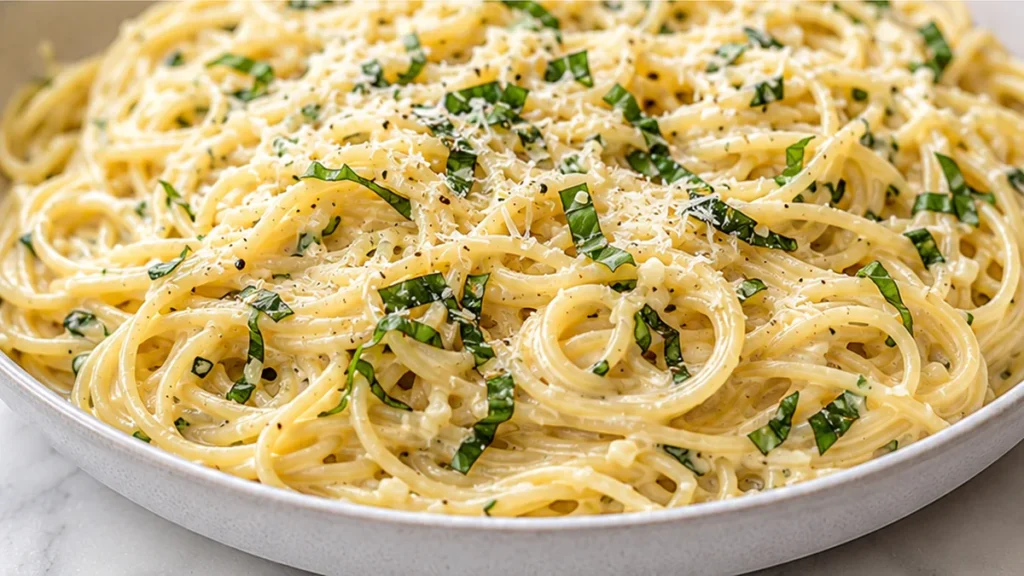
This garlic spaghetti recipe is a real upgrade for busy weeknights, offering a rich and satisfying flavor profile with minimal effort. It transforms simple spaghetti into an elegant dish, perfect for both casual dinners and entertaining guests. Get ready to impress with this easy-to-follow guide. The key to this incredible garlic spaghetti lies in its simplicity and the quality of fresh ingredients, allowing the natural flavors to shine through. We’ll walk you through each step to ensure a perfect result every time.
Key takeaways
- The key to a creamy sauce is emulsifying the butter, garlic, and starchy pasta water.
- Reserve pasta water before draining; it's essential for creating the sauce.
- Sauté garlic over medium-low heat to avoid bitterness.
- Add fresh herbs and spinach at the end to preserve their flavor and color.
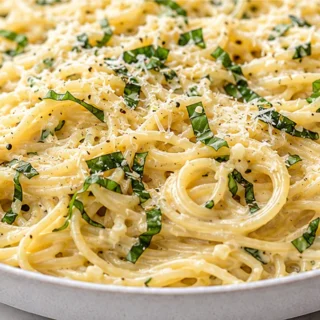
Creamy Garlic Butter Spaghetti Recipe
Ingredients
- 1 lb whole wheat spaghetti
- 6 tablespoons butter
- 8 cloves garlic, minced
- 1 large bunch basil, chopped
- 1 large bunch baby spinach, chopped
- 2 teaspoons salt
- 1 teaspoon black pepper
- Parmigiano Reggiano cheese for topping
Instructions
- Cook spaghetti according to package directions until al dente. Reserve 1/2 cup pasta water before draining.
- Melt butter in a large skillet over medium-low heat. Gently sauté minced garlic for 3-5 minutes until fragrant.
- Stir in chopped basil and spinach. Cook for 1-2 minutes until softened. Season with salt.
- Add drained spaghetti to the skillet with garlic, butter, and greens. Add black pepper and toss thoroughly.
- If pasta seems dry, add a splash of reserved pasta water to create a light sauce.
- Serve immediately, topped with extra butter and freshly grated Parmigiano Reggiano cheese.
Notes
The technique that makes it
The magic behind this creamy garlic butter spaghetti lies in a simple yet crucial technique: emulsification. When you melt the butter and sauté the minced garlic, you’re creating a flavorful fat base. The key is to then introduce the pasta cooking water. This starchy water, rich in dissolved gluten and starches, acts as an emulsifier. When whisked vigorously with the melted butter and garlic, it binds with the fat to create a smooth, cohesive sauce that clings beautifully to the spaghetti, rather than separating into a greasy pool. Don’t drain all the pasta water; reserve at least a cup. Adding it gradually while tossing the pasta with the butter and garlic mixture allows you to control the sauce’s consistency and achieve that desirable creamy texture without relying on heavy cream. The fresh basil and spinach are added at the very end, wilting quickly in the residual heat, preserving their bright color and fresh flavor.
Troubleshooting
- Sauce is too thin: If your sauce seems watery, it likely needs more emulsification or a bit more thickening. Continue tossing the pasta in the pan over medium-low heat, adding a little more reserved pasta water if needed, and whisking constantly. The starches will continue to bind with the fat.
- Sauce is greasy: This usually happens if too much butter is used or not enough pasta water is incorporated. Try adding a splash more hot pasta water and whisking vigorously to help emulsify the fat. You can also try draining off a little excess fat before adding the pasta water.
- Garlic is burnt: Burnt garlic turns bitter and ruins the dish. To prevent this, sauté the garlic over medium-low heat and stir constantly. If you notice it browning too quickly, remove the pan from the heat immediately.
- Pasta is clumpy: Ensure you use plenty of water when boiling the spaghetti and stir it occasionally as it cooks. Adding a bit of salt to the boiling water also helps prevent sticking. Once drained, toss it immediately with the sauce.
Substitutions
- Spaghetti: You can substitute whole wheat spaghetti with regular spaghetti, linguine, fettuccine, or even angel hair pasta. The cooking time will vary, so follow package directions. The texture of the sauce may be slightly different with thinner pastas.
- Butter: While butter is key for flavor and emulsification, you could use a mix of butter and olive oil (e.g., 3 tbsp butter, 3 tbsp olive oil). The sauce might be slightly less rich and creamy. Avoid using only olive oil as it won’t emulsify as well.
- Basil: If fresh basil is unavailable, you can use dried basil, but use it sparingly (about 1 teaspoon) and add it earlier with the garlic to allow its flavor to infuse. The taste will be less bright and fresh. Parsley can also be used as a fresh herb alternative.
- Spinach: Baby spinach wilts quickly and adds a mild flavor. You could omit it entirely, or substitute with finely chopped kale (which will require a slightly longer sauté time to soften) or arugula added at the very end for a peppery bite.
Pro tips
- Use fresh, good-quality butter for the best flavor.
- Sauté the garlic on low heat to prevent bitterness; slow and steady wins the race.
- Reserve pasta water to help create a silky sauce that coats the noodles beautifully.
- Don’t skip the fresh herbs – they add essential brightness and aroma.
Enjoy this wonderfully flavorful garlic spaghetti that proves simple ingredients can create extraordinary meals. It’s a versatile dish that’s sure to become a family favorite.
More from Healthy Pasta Recipes →
Read also on TastyBend: El Dip Más Fácil y Cremoso de Queso.
Frequently asked questions
How to make creamy garlic butter spaghetti not watery?
To prevent a watery sauce, ensure your pasta water is well-seasoned and starchy. Reserve about a cup of this starchy water before draining the spaghetti. Gradually add the reserved pasta water to your sauce while whisking, allowing it to emulsify and thicken the sauce. Avoid adding too much liquid at once.
Can I make creamy garlic butter spaghetti ahead of time?
It’s best to serve this dish fresh, as the creamy sauce can break or become too thick upon reheating. If you must prepare ahead, cook the pasta al dente and keep the sauce separate. Reheat the sauce gently, then toss with freshly cooked pasta, adding a splash of pasta water if needed.
What are good side dishes for creamy garlic butter spaghetti?
This rich pasta pairs well with lighter, contrasting flavors. Consider a fresh green salad with a vinaigrette to cut through the creaminess. Roasted or steamed vegetables like broccoli, asparagus, or green beans also complement the dish beautifully. Garlic bread is also a classic accompaniment.
How do I store leftovers of creamy garlic butter spaghetti?
Allow the spaghetti to cool completely before storing. Transfer it to an airtight container and refrigerate for up to 2-3 days. When reheating, gently warm it in a skillet over low heat, adding a tablespoon or two of milk or pasta water to help loosen the sauce and restore its creaminess.