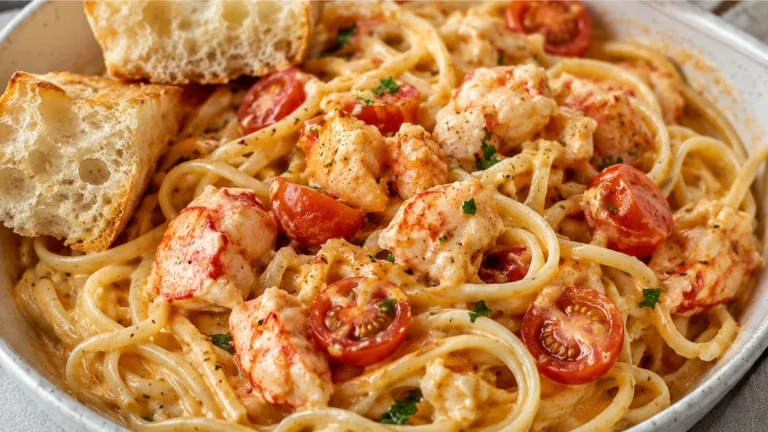
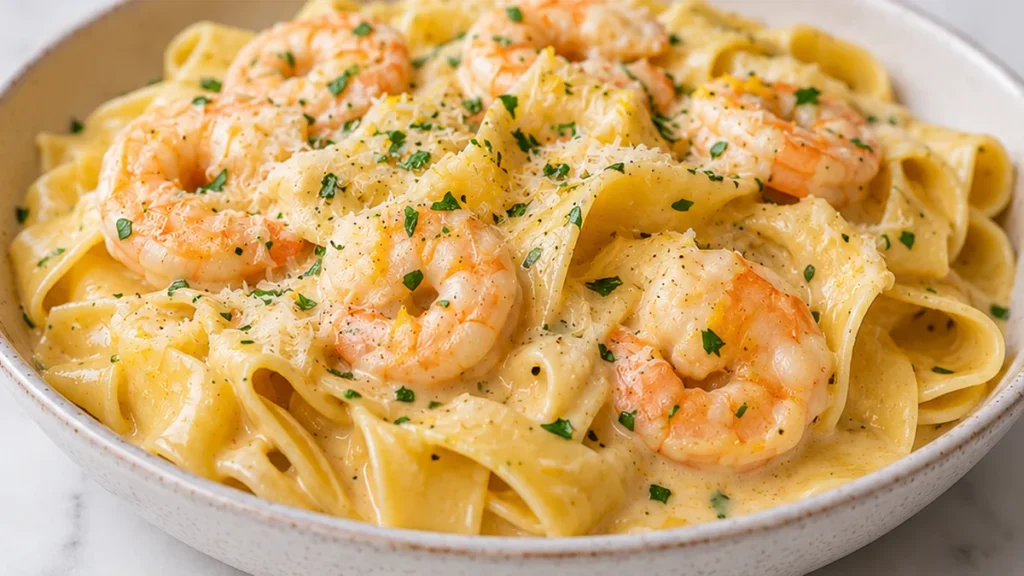
This lemon shrimp pappardelle recipe is the ultimate indulgence for a special occasion or a romantic date night. It combines tender pappardelle pasta with succulent shrimp in a luscious, creamy lemon sauce, offering a restaurant-quality meal that’s surprisingly easy to make at home. With a focus on fresh lemon and garlic, this dish delivers a bright, zesty flavor profile that perfectly complements the rich cream and savory shrimp. It’s a guaranteed crowd-pleaser that feels luxurious yet comes together in under 30 minutes.
Key takeaways
- Sear shrimp quickly and remove from heat to prevent toughness.
- Emulsify the sauce by whisking cream and butter over medium-low heat.
- Add lemon juice at the end for brightness and to prevent curdling.
- Toss pasta with a little cooking water to help thicken the sauce.
Lemon Shrimp Pappardelle for Date Night
Ingredients
- 1 lb uncooked shrimp, peeled and deveined
- 4 tablespoons butter, divided
- 1/2 teaspoon fresh garlic, grated (less than one clove)
- 1/4 to 1/2 cup white wine (e.g., Pinot Grigio)
- 1/2 cup heavy cream
- 1/2 teaspoon salt
- 1/4 cup grated Parmesan cheese (optional)
- 1-2 tablespoons fresh lemon juice
- 8 ounces pappardelle or fettuccini pasta (egg pasta or fresh pasta)
- freshly grated black pepper
- 1 tablespoon olive oil
- Lemon wedges for garnish
Instructions
- Cook the pappardelle pasta according to package directions in generously salted boiling water. Drain the pasta, reserving about 1/2 cup of the starchy pasta water. Toss the drained pasta with 1 tablespoon of olive oil to prevent sticking.
- Make the sauce: Melt 2-3 tablespoons of butter in a large skillet over medium heat. Add the grated garlic and sauté for 1-2 minutes until fragrant. Pour in the white wine and let it reduce for a few minutes. Stir in the heavy cream, lemon juice, salt, and optional Parmesan cheese. Bring to a gentle simmer and reduce heat to low.
- Cook the shrimp: Pat the shrimp thoroughly dry. Heat the remaining 1 tablespoon of butter in a separate large skillet over medium heat. Add the shrimp, season with salt and pepper. Cook for 1-2 minutes per side, until pink and cooked through. Remove from heat and set aside.
- Combine: Add the cooked pappardelle pasta to the skillet with the sauce. Toss gently to coat the pasta evenly. If the sauce is too thick, add a splash of the reserved pasta water to reach desired consistency.
- Serve: Plate the sauced pasta. Arrange the cooked shrimp on top of the pasta. Garnish generously with freshly grated black pepper and serve immediately with lemon wedges on the side.
Notes
The technique that makes it
The success of this Lemon Shrimp Pappardelle hinges on two key techniques: perfectly cooked shrimp and a luscious, emulsified sauce. Shrimp cook rapidly; overcooking renders them tough and rubbery. The best approach is to sear them quickly over medium-high heat in olive oil until they just turn pink and opaque, then remove them from the pan immediately. This residual heat will finish cooking them gently. The sauce relies on the trick to emulsification. After deglazing the pan with white wine, whisking in the heavy cream and butter over medium-low heat allows them to combine into a smooth, cohesive sauce. The starch from the pasta, when tossed in, further helps to thicken and bind the sauce, creating that desirable creamy coating. Adding lemon juice at the end preserves its bright, fresh flavor and prevents it from curdling the cream.
Troubleshooting
- Shrimp are tough and rubbery: Shrimp were likely overcooked. Sear them for a shorter time and remove them from the pan while they are still slightly underdone; they will finish cooking in the residual heat.
- Sauce is too thin: Ensure the cream and butter have reduced slightly before adding the pasta. You can also simmer the sauce gently for a few extra minutes, or toss the pasta with a little of its cooking water to help thicken the sauce.
- Sauce is broken or oily: This can happen if the heat is too high when adding cream or butter, or if the lemon juice is added too early. Use medium-low heat when incorporating dairy and add lemon juice just before serving.
- Pasta is clumpy: Ensure the pasta is cooked al dente and tossed with a little olive oil or butter immediately after draining to prevent sticking.
Substitutions
- Shrimp: Scallops or thinly sliced chicken breast can be used. Adjust cooking times accordingly; scallops cook very quickly, while chicken will require longer to cook through.
- Pappardelle/Fettuccini: Linguine, spaghetti, or even short pasta shapes like penne will work. The wider noodles are ideal for catching the sauce, but any pasta will yield a delicious result.
- White Wine: Chicken broth or vegetable broth can be used as a substitute for white wine. This will alter the flavor profile slightly, making it less acidic and complex, but still delicious.
- Heavy Cream: Half-and-half can be used, but the sauce will be thinner and less rich. For a dairy-free option, full-fat coconut milk (the thick part from the top of the can) can be used, though it will impart a subtle coconut flavor.
Pro tips
- Use fresh, high-quality shrimp for the best flavor and texture.
- Don’t overcook the shrimp; they should be just pink and opaque.
- Reserve pasta water to help emulsify and thicken the sauce if needed.
- Adjust lemon juice and salt to your personal taste.
Enjoy this delightful lemon shrimp pappardelle for a memorable meal. Feel free to add a sprinkle of red pepper flakes for a hint of spice.
More from Creamy Pasta Recipes →
Read also on TastyBend: Beef Filet Mignon Nutrition: Complete Facts & Expert Analysis.
Frequently asked questions
Can I make Lemon Shrimp Pappardelle ahead of time?
The sauce and cooked pappardelle can be prepared a day in advance and stored separately in the refrigerator. Gently reheat the sauce on the stovetop over low heat, then toss with the warmed pasta just before serving. It’s best to cook the shrimp fresh to ensure optimal texture and flavor.
What can I use instead of pappardelle for this date night pasta?
If pappardelle is unavailable, linguine, fettuccine, or even spaghetti would work well. The wider noodles of pappardelle hold the sauce beautifully, but any long pasta shape will deliver a delicious result. Adjust cooking time according to the pasta package directions.
How do I know when the shrimp is cooked through?
Shrimp cooks very quickly. It is done when it turns opaque and pink, with a slight curl. Avoid overcooking, as this will make the shrimp tough and rubbery. They typically only need 2-3 minutes in the pan after adding them to the sauce.
What to serve with Lemon Shrimp Pappardelle?
This dish is quite complete on its own. For a date night, consider serving it with a simple green salad dressed with a light vinaigrette, or some crusty bread for soaking up any extra sauce. A crisp white wine like Pinot Grigio complements the flavors perfectly.