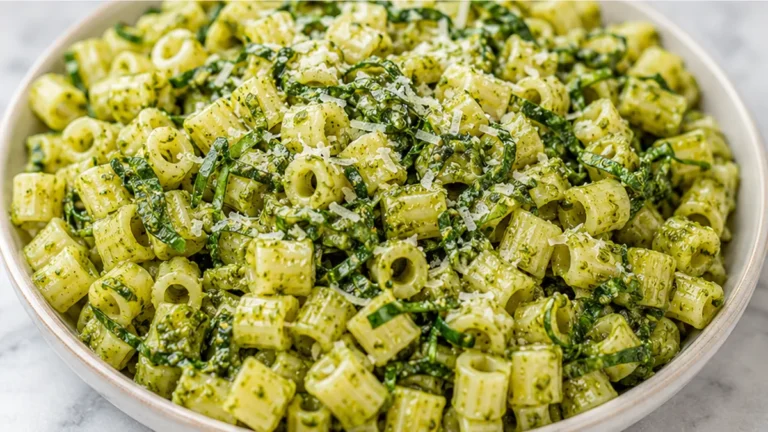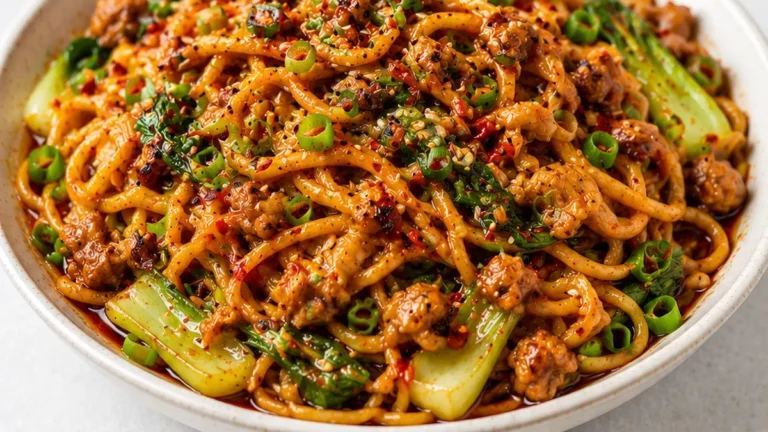

Miso pasta brings together a perfect balance of savory, salty, and rich flavors with minimal effort. This recipe takes humble pantry staples like garlic and Parmesan and enhances them with white miso, creating a sauce that coats every strand of pasta beautifully. This easy miso pasta is designed for busy weeknights, delivering gourmet taste without the fuss. It’s the ideal dish for anyone looking to break away from predictable pasta dishes and explore exciting new flavor profiles with ingredients they might already have on hand.
Key takeaways
- Properly cooked pasta retains its texture and holds sauce well.
- Miso adds unique umami flavor and aids in sauce emulsion.
- Sauté garlic carefully to avoid bitterness and enhance flavor.
- Substitutions can alter taste and texture; choose wisely.

Easy Garlic Miso Pasta Recipe
Ingredients
- 1 pound uncooked pasta
- 1/4 cup unsalted butter
- 4 cloves garlic (grated or pressed)
- fine sea salt and freshly-ground black pepper
- 1/4 cup white miso
- 2 ounces freshly-grated Parmesan
Instructions
- Cook the pasta in salted water until just al dente, then drain.
- Melt the butter in a pan over medium heat and sauté the garlic for 2 minutes.
- Whisk miso with 1/4 cup reserved pasta water, then add to the garlic butter.
- Toss the drained pasta with the sauce and cheese, adding more pasta water as needed.
Video
Notes
The Importance of Miso in Miso Pasta
Miso is a fermented soybean paste that adds depth and umami to dishes. In this recipe, the white miso not only enhances flavor but also contributes to the emulsion of the sauce. The key to achieving a creamy consistency lies in the balance of miso and butter, which should be combined in a 1:2 ratio for optimal flavor without overwhelming the dish. The miso’s fermentation process breaks down complex carbohydrates, making it easier for the body to digest.
How to Properly Cook Pasta for Miso Pasta
Cooking the pasta correctly is crucial to achieving the perfect texture. Use a large pot with at least 4 quarts (3.8 liters) of water for 1 pound (450 grams) of pasta, and add 1 tablespoon of fine sea salt. Bring the water to a rolling boil before adding the pasta. Cook according to package instructions, usually 8-12 minutes, until al dente. This ensures the pasta retains a firm bite, which is essential for holding the sauce.
Common Mistakes with Garlic in Miso Pasta
Garlic can easily become bitter if overcooked. To avoid this, sauté the grated or pressed garlic in the melted butter over low to medium heat for no more than 2-3 minutes until fragrant. If the garlic burns, it will impart an unpleasant taste to the dish. If you find the garlic too strong, consider using roasted garlic instead, which offers a milder, sweeter flavor.
Substitutions and Their Impacts on Flavor
If you need to make substitutions, here are a few options:
- Pasta: Whole wheat or gluten-free pasta can be used, but expect a nuttier flavor and different texture.
- Butter: Olive oil can replace butter for a dairy-free option, resulting in a lighter sauce.
- Parmesan: Pecorino Romano offers a sharper taste, while nutritional yeast can be used for a vegan alternative, though it lacks creaminess.
- White Miso: Yellow or red miso can be used, but they are stronger in flavor, so reduce the amount by half.
Unique Characteristics of Miso Pasta
This dish stands out due to its combination of miso and garlic, which is less common in traditional pasta recipes. The fermentation in miso creates a depth of flavor that is not easily replicated with other ingredients. The smooth emulsion created by the butter and miso coats the pasta beautifully, making each bite rich and satisfying.
How to Store Leftover Miso Pasta for Maximum Freshness
Storing leftover miso pasta properly is essential to maintain its flavor and texture. Allow the pasta to cool to room temperature before transferring it to an airtight container. It can be refrigerated for up to 3 days. For longer storage, consider freezing the pasta. To freeze, place it in a freezer-safe container, separating layers with parchment paper to prevent sticking. Frozen miso pasta can last up to 2 months. When reheating, add a splash of water or broth to restore moisture.
Scaling the Recipe: Adjusting Portions Without Compromising Flavor
Scaling the miso pasta recipe can be done easily, but attention must be paid to ingredient proportions to maintain flavor balance. For every additional pound of pasta, increase the butter to 1/4 cup and the miso to 1/4 cup as well. However, be cautious with garlic; for each additional pound of pasta, add only 1-2 extra cloves to prevent overpowering the dish. This method ensures that the creamy consistency and umami flavor remain intact.
Choosing the Right Equipment for Cooking Miso Pasta
The equipment used can significantly affect the outcome of miso pasta. A large pot is essential for boiling pasta; it allows for proper hydration and prevents sticking. A fine-mesh strainer is ideal for draining pasta, as it helps retain some starchy water, which can be added to the sauce for a creamier texture. Additionally, using a heavy-bottomed pan for sautéing garlic ensures even heat distribution, preventing burning while enhancing flavor.
Seasonal Ingredients: How They Affect Miso Pasta
Seasonal ingredients can elevate miso pasta’s flavor profile. In spring, consider adding fresh vegetables like asparagus or peas, which add a pop of color and sweetness. In autumn, roasted squash can contribute a rich, earthy flavor. Quality of ingredients also matters; fresh garlic and high-quality miso will enhance the umami depth. Always taste as you go and adjust seasoning based on the freshness and intensity of your ingredients.
How to Prepare Miso Pasta in Advance for Easy Weeknight Meals
Making miso pasta ahead of time can save you precious minutes during busy weeknights. To prepare this dish in advance, cook the pasta until al dente, then rinse it under cold water to stop the cooking process. Toss the pasta with a little olive oil to prevent sticking and store it in an airtight container in the refrigerator for up to 3 days. When ready to serve, simply reheat the pasta in a pan with the garlic and miso sauce until warmed through. This method ensures that the pasta retains its texture while allowing the flavors to meld beautifully.
Adjusting Portion Sizes Without Compromising Flavor
Scaling the recipe for miso pasta can be tricky, especially when trying to maintain the balance of flavors. For every additional pound of pasta, increase the butter to 1/4 cup and the miso to 1/4 cup as well. This ensures that the richness and umami notes remain consistent. Remember to adjust the garlic to taste; generally, 1-2 additional cloves per pound of pasta works well. Always taste and adjust seasonings as you scale up or down to ensure the dish remains flavorful.
Choosing the Right Cheese for Miso Pasta
While Parmesan is a classic choice for this miso pasta recipe, experimenting with different cheeses can elevate the dish. Pecorino Romano brings a sharper flavor, while Asiago offers a nuttier profile. If you prefer a creamier texture, consider using a soft cheese like ricotta or mascarpone, but be mindful that this will alter the overall flavor profile. When swapping cheeses, always taste and adjust the seasoning, as some cheeses are saltier than others and may require less added salt.
Why the miso pasta sauce can become overly salty
When using miso in your pasta sauce, it’s crucial to understand its salt content. Different types of miso have varying levels of saltiness, with white miso being milder compared to red or brown miso. If the sauce becomes overly salty, it may be due to using a stronger miso or adding too much. To balance the flavors, consider incorporating more unsalted butter or adding a splash of pasta cooking water to dilute the saltiness. Aim for a ratio of 1 tablespoon of miso per serving of pasta to maintain a balanced flavor profile.
How to enhance the umami flavor in miso pasta
Umami is a key component in miso pasta, and enhancing this flavor can elevate your dish significantly. To boost umami, consider adding ingredients such as sautéed mushrooms, which contain natural glutamates, or a touch of soy sauce. Additionally, incorporating a sprinkle of nutritional yeast can contribute a cheesy flavor while enhancing the umami profile. When adding these ingredients, start with small amounts, tasting as you go, to ensure the dish remains balanced. A good rule of thumb is to add no more than 1 teaspoon of soy sauce per serving to avoid overpowering the miso.
How to Properly Store Miso Pasta for Maximum Freshness
Storing miso pasta correctly is crucial to maintain its flavor and texture. Allow the pasta to cool completely after cooking, as residual heat can create moisture that leads to spoilage. Transfer the pasta to an airtight container, ensuring it is tightly sealed to prevent exposure to air, which can cause the flavors to degrade. For optimal freshness, refrigerate the pasta, where it can last for up to 3 days. When reheating, add a splash of water or broth to help restore moisture and prevent the pasta from becoming dry.
How to Scale Miso Pasta for Larger Gatherings
Scaling the recipe for miso pasta is straightforward, but attention to detail is essential to maintain the dish’s balance of flavors. If doubling the recipe, increase the pasta to 2 pounds and the butter to 1/2 cup, but be cautious with the miso. Start with 1/2 cup of white miso, then adjust according to taste, as the saltiness can intensify with larger batches. When cooking, ensure you have a pot large enough to accommodate the increased volume, and consider using a larger skillet for the sauce to allow for even heat distribution and proper emulsification.
Pro tips
- Reserve more pasta water than you think you’ll need; it’s the key to a silky, emulsified sauce.
- Use freshly grated Parmesan for the best melting and flavor. Pre-grated cheese often contains anti-caking agents that prevent a smooth sauce.
- Don’t overcook the pasta – aim for *just* al dente, as it will finish cooking in the sauce.
Give this simple yet sophisticated miso pasta a try for a quick, delicious meal that’s sure to become a favorite.
Frequently asked questions
Can I use other types of miso for this recipe?
Yes, while white miso is recommended for its mild flavor, you can use yellow or red miso. However, these have stronger flavors, so reduce the quantity to avoid overpowering the dish.
How can I make this dish vegan?
To make this recipe vegan, substitute the butter with olive oil and the Parmesan cheese with nutritional yeast or a vegan cheese alternative. This will maintain a similar texture and flavor profile.
What should I do if my sauce is too thick?
If the sauce becomes too thick, add a small amount of pasta cooking water, a tablespoon at a time, while stirring until you reach the desired consistency. The starchy water helps to create a smooth emulsion.
Can I prepare this dish ahead of time?
While it’s best served fresh, you can prepare the sauce ahead of time and store it in the refrigerator. Reheat gently before tossing with freshly cooked pasta to avoid overcooking the garlic.
More from Easy Pasta Recipes →