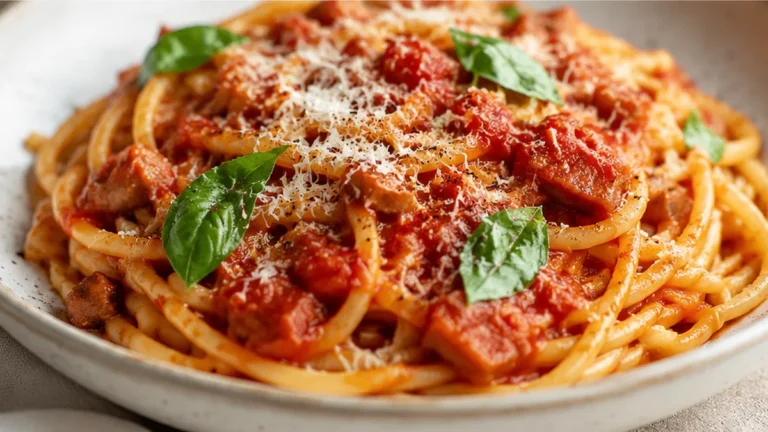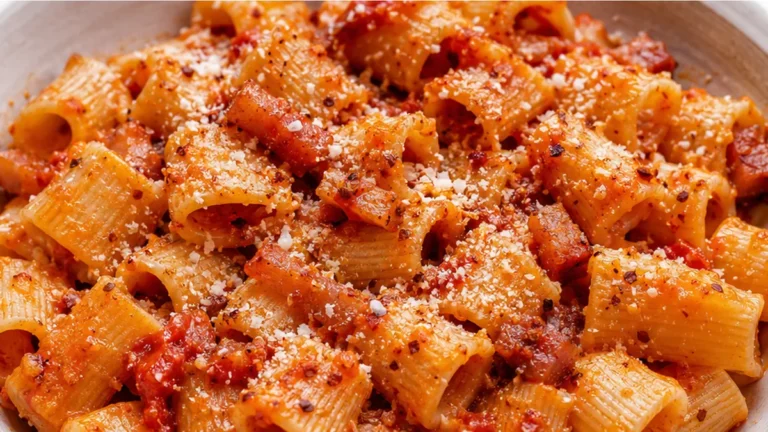
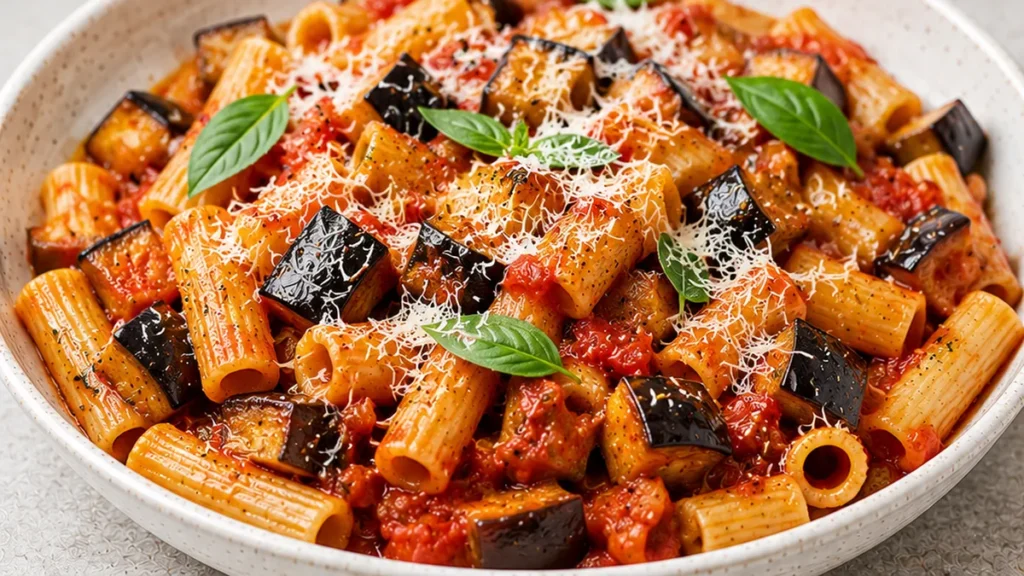
Pasta alla Norma is a classic Italian dish that celebrates the flavors of eggplant. Known for its bright color and rich taste, this pasta dish is perfect for any gathering or family dinner. With roasted eggplant, a savory tomato sauce, and a hint of white wine, this recipe is not only delicious but also easy to prepare, making it the ideal choice for a weeknight meal or a weekend feast.
Key takeaways
- Pan-frying eggplant in batches is key for texture and flavor.
- Salting eggplant beforehand reduces oil absorption and bitterness.
- Use good quality passata for a smooth, flavorful sauce.
- Reserve pasta water to help emulsify and coat the pasta.
Pasta alla Norma: Delicious Eggplant Pasta
Ingredients
- 800 g / 1.6 lb eggplant, cut into 2.5cm/1″ cubes
- 2 tbsp extra virgin olive oil
- 1/2 tsp each salt and pepper
- 2 tbsp extra virgin olive oil
- 2 garlic cloves, finely minced
- 1/2 small onion, very finely chopped
- 1/4 cup dry white wine
- 700 g / 24 oz tomato passata
- 1/4 cup water
- 1 tsp dried Italian herbs
Instructions
- Preheat oven to 240°C / 450°F (220°C fan) and line a tray with baking paper.
- Toss eggplant with 2 tbsp olive oil, salt, and pepper, then spread on the tray and roast for 20 minutes.
- Flip the eggplant and roast for a further 5 minutes, then cool on the tray.
- Bring a large pot of salted water to a boil for the pasta.
- In a large skillet, heat 2 tbsp olive oil over medium heat and add garlic, cooking for 20 seconds until golden.
- Add the finely chopped onion and cook for 2 to 3 minutes until translucent.
Notes
The technique that makes it
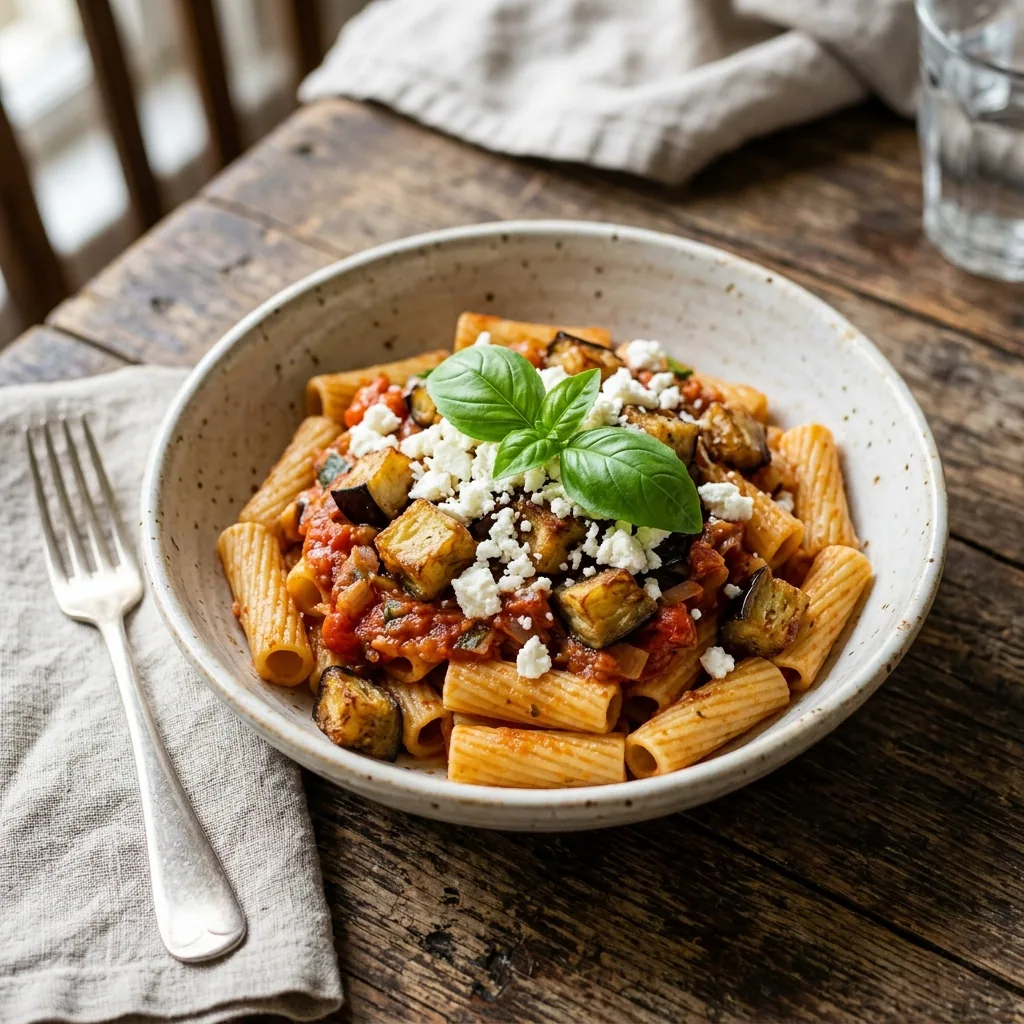
The heart of a truly great Pasta alla Norma lies in the preparation of the eggplant. Unlike many eggplant dishes where the vegetable is simply fried or roasted, for Pasta alla Norma, the eggplant cubes are typically pan-fried until golden brown and tender. This process is crucial for developing a rich, slightly sweet flavor and a creamy texture that complements the tomato sauce. To achieve this without the eggplant becoming greasy or mushy, it’s essential to use a generous amount of olive oil and to fry the cubes in batches. Overcrowding the pan will steam the eggplant rather than fry it, leading to a less desirable outcome. Salting the eggplant beforehand and letting it sit for about 30 minutes can help draw out excess moisture, reducing oil absorption during frying and preventing bitterness. After frying, draining the eggplant on paper towels is a vital step to remove any excess oil before it’s added to the sauce.
The sauce itself is a simple yet flavorful combination of tomatoes, garlic, and herbs. Using good quality tomato passata provides a smooth, concentrated tomato base. Sautéing the garlic and onion gently in olive oil before adding the passata allows their aromatics to infuse the sauce. The addition of white wine at this stage deglazes the pan, capturing any flavorful browned bits from the aromatics and adding a subtle layer of acidity and complexity. Simmering the sauce allows the flavors to meld. Finally, the pasta is cooked al dente and then tossed directly into the sauce with the fried eggplant, allowing it to absorb some of the sauce’s flavor. A final flourish of fresh basil and grated ricotta salata (or Parmesan) at the end ties all the elements together.
Troubleshooting
- Problem: Eggplant is greasy or oily. Fix: Ensure eggplant cubes were not overcrowded in the pan during frying. Fry in smaller batches, allowing each piece to make contact with the hot pan. Also, ensure you are draining the fried eggplant thoroughly on paper towels before adding to the sauce.
- Problem: Eggplant is mushy and falling apart. Fix: This often happens if the eggplant is overcooked or if it was too moist to begin with. Try salting the eggplant cubes for 30 minutes before frying to draw out moisture, then rinse and pat dry. Fry at a medium-high heat to achieve a good sear.
- Problem: Sauce is too thin. Fix: Simmer the sauce uncovered for a longer period to allow excess liquid to evaporate. Alternatively, you can thicken the sauce slightly by mashing some of the cooked eggplant cubes directly into the sauce.
- Problem: Pasta is bland. Fix: Ensure the pasta is cooked in well-salted boiling water. Reserve some of the starchy pasta cooking water before draining, and add a splash to the sauce when tossing the pasta. This helps emulsify the sauce and coat the pasta better.
Substitutions
- Eggplant: While traditional, if you cannot find eggplant, you could substitute with zucchini. Cut into similar-sized cubes and pan-fry until tender and golden. The texture will be softer and the flavor milder.
- Tomato Passata: You can substitute with crushed tomatoes or even good quality canned diced tomatoes, though the sauce will have a chunkier texture. For a richer flavor, consider using fire-roasted tomatoes.
- Ricotta Salata: This salty, firm cheese is traditional. If unavailable, use a good quality aged Parmesan cheese or Pecorino Romano for a sharp, salty kick. Feta can be used in a pinch, but it will impart a distinctively different flavor and a creamier texture.
- White Wine: A splash of dry sherry or even a tablespoon of white wine vinegar mixed with a little water can provide acidity if white wine is not an option. For an alcohol-free version, simply omit it or use a little extra water or vegetable broth.
Pro tips
- Roast the eggplant until golden for the best flavor.
- Use a dry white wine for a balanced sauce.
- Finish with fresh basil for an aromatic touch.
Try this Pasta alla Norma recipe tonight and savor the authentic Italian flavors. It’s a dish that everyone will love!
More from Pasta Sauces →
Frequently asked questions
Why is salting the eggplant important for Pasta alla Norma?
Salting the eggplant cubes before cooking draws out excess moisture and some bitterness. This helps the eggplant absorb less oil during frying, resulting in a less greasy dish. It also helps the eggplant hold its shape better, preventing it from becoming overly mushy.
What is the best way to fry the eggplant for this recipe?
Fry the eggplant in batches in a generous amount of hot olive oil over medium-high heat until golden brown and tender. Avoid overcrowding the pan, as this will cause the eggplant to steam rather than fry, leading to a greasy and soft texture.
Can I make Pasta alla Norma ahead of time?
The sauce and fried eggplant can be made a day in advance and stored separately in the refrigerator. Reheat the sauce gently, then cook the pasta fresh and combine. Adding the fresh basil and cheese just before serving is recommended for the best flavor and texture.
What kind of cheese is traditionally used in Pasta alla Norma?
Traditionally, Pasta alla Norma is topped with ricotta salata, a firm, salty, and slightly dry sheep’s milk cheese. Its salty tang cuts through the richness of the tomato sauce and the creaminess of the eggplant beautifully.