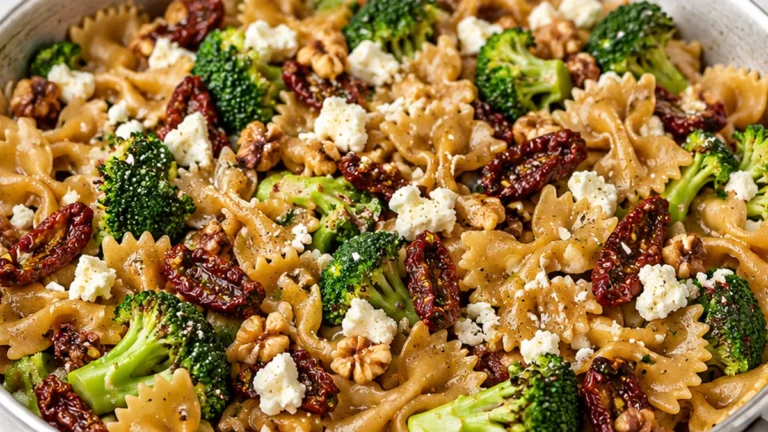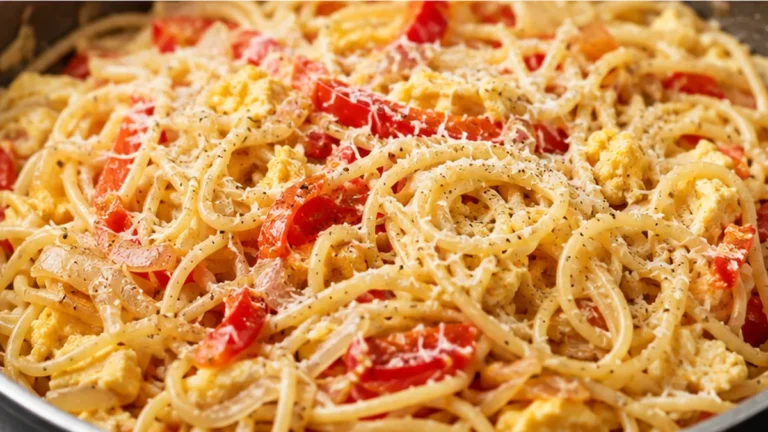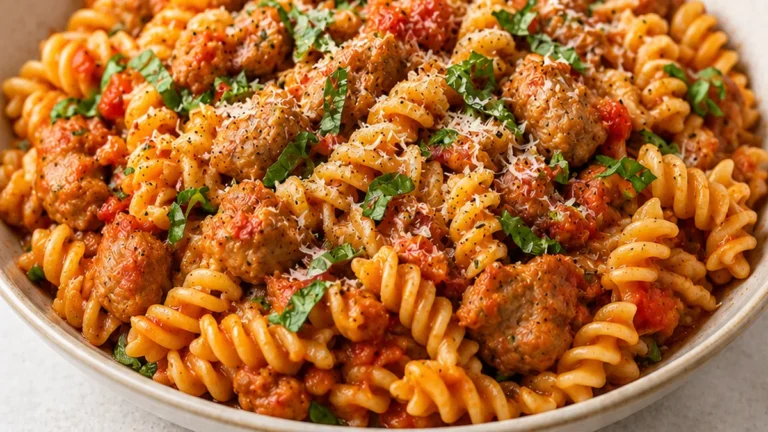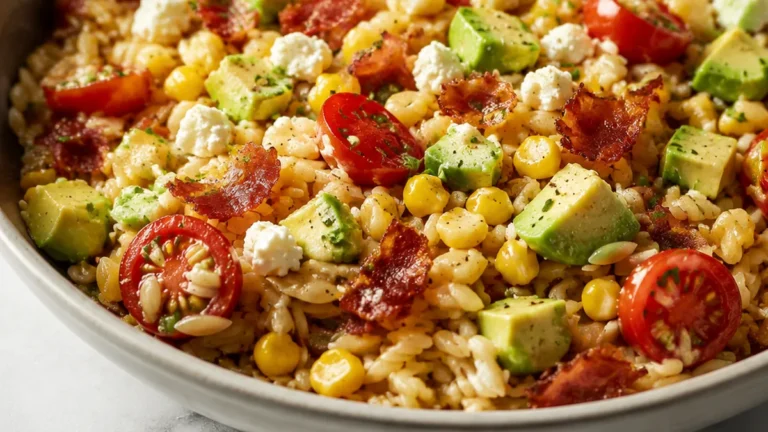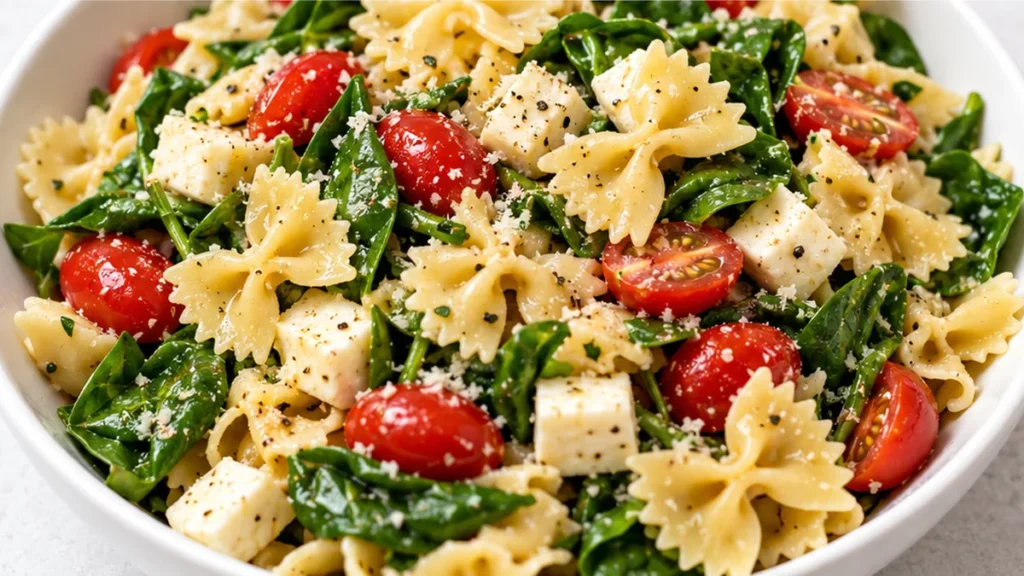
This pasta salad with salt combines fresh ingredients for a satisfying dish. It’s perfect for picnics or as a side for grilled meats.
Key takeaways
- Properly salting the cooking water enhances pasta flavor and texture.
- Avoid overcooking pasta by testing for al dente doneness.
- Ingredient swaps can change flavor profiles and nutritional content.
- This pasta salad’s unique dressing keeps it light and refreshing.
Pasta Salad Perfection!
Ingredients
- 8 oz bowtie pasta
- Salt for pasta water
- 3 cups fresh spinach
- 1 pint grape tomatoes
- 8 oz mozzarella
- 1/3 cup olive oil
- 3 tbsp balsamic vinegar
- 2 tbsp grated Parmesan
- 1/2 tbsp Dijon mustard
Instructions
- Fill a pot with water and add two large pinches of salt. Bring to a boil over high heat. Add the pasta and cook until tender, about 8-10 minutes. Drain and rinse briefly with cool water.
- While pasta cooks, combine olive oil, balsamic vinegar, mayonnaise, grated Parmesan, and Dijon mustard in a jar. Shake until well combined.
- Roughly chop the spinach, slice the grape tomatoes in half, and dice the mozzarella into 1/2-inch cubes.
- In a large bowl, combine the drained pasta, chopped spinach, halved tomatoes, and diced mozzarella.
- Toss gently to combine. Add half the dressing and toss again. Adjust dressing to taste. Serve immediately or store for later.
Understanding the Role of Salt in Pasta Salad
Salt is a crucial ingredient in pasta salad, influencing both flavor and texture. When cooking pasta, adding salt to the boiling water enhances the taste of the pasta itself, allowing it to absorb flavor as it cooks. A general guideline is to use about 10 grams of salt per liter of water, which helps achieve a well-seasoned base. Additionally, salt aids in the texture of the pasta, making it firmer and less likely to become mushy. This is particularly important in a pasta salad, where the pasta needs to hold its shape and texture during mixing and serving.
Preventing Common Pasta Salad Pitfalls
One of the most common issues with pasta salad is overcooked pasta, which can lead to a mushy texture. To avoid this, cook the pasta until it is al dente, which typically takes 1-2 minutes less than the package instructions suggest. After cooking, immediately rinse the pasta under cold water to stop the cooking process and remove excess starch. Another issue is under-seasoning; without enough salt, the salad can taste bland. Always taste the pasta and the salad before serving to ensure the seasoning is balanced.
Exploring Ingredient Swaps and Their Impact
When creating a pasta salad, ingredient substitutions can significantly alter the dish’s flavor and texture. For instance, swapping regular pasta for whole wheat can add a nuttier flavor and increase fiber content, but may require additional cooking time. Using fresh herbs instead of dried ones can provide a vibrant flavor boost, but the quantity should be adjusted, as fresh herbs are less concentrated. Additionally, replacing mayonnaise with Greek yogurt can create a lighter dressing, but it may require more seasoning to enhance the flavor.
Unique Characteristics of This Pasta Salad
This pasta salad stands out due to its combination of fresh vegetables and a tangy dressing that complements the pasta perfectly. Unlike many traditional pasta salads that rely heavily on creamy dressings, this recipe embraces a lighter approach, allowing the natural flavors of the ingredients to shine. The balance of acidity from the dressing and the sweetness from the vegetables creates a refreshing dish that is perfect for warm weather. Furthermore, the addition of salt at various stages of preparation ensures that every bite is flavorful, making it a standout choice for gatherings.
Understanding the Impact of Ingredient Quality on Flavor
The quality of ingredients used in a pasta salad significantly influences its overall flavor and texture. Fresh, high-quality vegetables, for instance, will provide a crisp texture and vibrant taste, while packaged or out-of-season produce may lack the same intensity. Using ripe tomatoes can elevate the salad by adding natural sweetness and acidity. Additionally, the type of cheese selected can also alter the flavor profile; for example, a sharp aged cheese will impart a different taste compared to a milder variety. The dressing plays a crucial role as well; using high-quality olive oil and vinegar can enhance the salad’s depth of flavor. When preparing pasta salad, aim for seasonal and locally sourced ingredients whenever possible to maximize freshness and taste.
Batch Scaling: Adjusting Ingredients for Larger Servings
Scaling a pasta salad recipe for larger gatherings requires careful consideration of ingredient ratios and proportions. When increasing the batch size, it’s essential to maintain the same flavor balance. For instance, if doubling the recipe, simply doubling the salt may not yield the desired taste, as saltiness can intensify in larger volumes. A good rule of thumb is to start with a slightly lower amount of salt and adjust to taste after mixing. Additionally, ensure that the pasta is cooked al dente to prevent it from becoming mushy when mixed with the dressing and other ingredients. When scaling, remember to also adjust the seasoning and acidity levels proportionately to maintain the salad’s overall flavor integrity.
Storage Strategies for Optimal Freshness
Proper storage techniques are vital for maintaining the quality of pasta salad after preparation. Ideally, store the salad in an airtight container in the refrigerator to prevent it from drying out or absorbing odors from other foods. It’s best to keep the dressing separate until just before serving to avoid sogginess. If pre-dressing the salad, consider adding a bit of extra olive oil before serving to refresh the flavors. Pasta salad can typically be stored for up to three days; however, the texture of the ingredients may change over time. Ingredients like cucumbers and tomatoes may release water, so it’s advisable to consume the salad within the first couple of days for the best experience.
Pairing and Serving Suggestions for Pasta Salad
When serving pasta salad, consider its versatility in meal pairing. This dish complements a variety of proteins, making it a great side for grilled chicken, fish, or even plant-based proteins like chickpeas or tofu. For a complete meal, you might serve the salad alongside a light soup or a crusty bread. Additionally, consider garnishing the salad with fresh herbs or a sprinkle of cheese just before serving to enhance its presentation and flavor. The salad can be served chilled or at room temperature, making it a perfect dish for picnics or potlucks. Experiment with different dressings or add-ins to tailor the salad to your preferences, ensuring it remains a crowd-pleaser.
Understanding the Impact of Make-Ahead Preparation on Flavor
Preparing pasta salad in advance can significantly enhance its flavors. Allowing the salad to rest in the refrigerator for at least a few hours, or ideally overnight, enables the ingredients to meld together. This resting period allows the pasta to absorb the dressing and the flavors from the vegetables and cheese. Make sure to adjust the salt content accordingly, as flavors can intensify over time. For best results, store the pasta salad in an airtight container to maintain freshness and prevent it from drying out.
Adjusting for Batch Scaling Without Compromising Flavor
When scaling up your pasta salad recipe, maintaining the balance of flavors is crucial. A common pitfall is simply multiplying the ingredients without considering their ratios. For instance, if you’re doubling the recipe, consider increasing the salt gradually, tasting as you go. A good rule of thumb is to start with 75% of the original salt amount and adjust based on taste. Additionally, be aware that larger batches may require more time for the pasta to cool properly before mixing, which can affect the texture.
Choosing the Right Equipment for Efficient Preparation
The equipment you use can greatly influence the efficiency and quality of your pasta salad preparation. A large pot is essential for cooking pasta; ensure it has enough capacity to allow the pasta to move freely for even cooking. A colander is necessary for draining, and a large mixing bowl will help combine all ingredients without making a mess. Investing in good-quality knives for chopping vegetables and a reliable whisk for emulsifying dressings can also enhance the overall experience. Using these tools effectively can save time and improve the final dish.
Understanding the Role of Salt in Enhancing Pasta Salad Flavor
Salt plays a crucial role in elevating the flavors in pasta salad. When cooking pasta, incorporating salt into the boiling water is essential, as it helps to season the pasta itself, allowing it to absorb flavor from the very beginning. A general guideline is to use about 10 grams of salt per liter of water. This not only enhances the taste of the pasta but also contributes to the overall flavor profile of the salad. Additionally, salt can help draw out moisture from vegetables, intensifying their flavor and improving the texture of the salad. However, it is important to balance the salt content throughout the dish; over-salting can overpower the other ingredients. Using a combination of table salt and sea salt can provide a more complex flavor, as sea salt often contains trace minerals that add depth.
Make-Ahead Strategies for Optimal Pasta Salad Enjoyment
Preparing pasta salad ahead of time can significantly enhance its flavor and texture. Allowing the salad to marinate in the refrigerator for at least two hours, or ideally overnight, enables the ingredients to meld together, resulting in a more harmonious taste. When making pasta salad in advance, consider slightly undercooking the pasta, as it will continue to absorb moisture and flavors while resting. Additionally, keep the dressing separate until just before serving to prevent the pasta from becoming soggy. If using fresh herbs, add them at the last minute to maintain their vibrant color and flavor. Storing the salad in an airtight container can help preserve freshness, but it is advisable to consume it within three days for optimal quality. Remember that the quality of ingredients, especially fresh produce, will impact the final result significantly.
Pro tips
Pro tip: Best served immediately while hot!
Frequently asked questions
How much salt should I add to the pasta water?
A good rule of thumb is to use about 10 grams of salt per liter of water. This helps to season the pasta as it cooks and enhances its flavor.
What can I do if my pasta salad tastes bland?
If your pasta salad lacks flavor, consider adding more salt, fresh herbs, or a splash of vinegar or lemon juice to brighten the taste. Always taste before serving to adjust seasoning.
How can I prevent my pasta from becoming mushy?
To avoid mushy pasta, cook it until al dente, which is firm to the bite. Rinse it under cold water immediately after cooking to stop the cooking process and remove excess starch.
Can I make this pasta salad ahead of time?
Yes, this pasta salad can be made ahead of time. However, it’s best to add any delicate ingredients, like fresh herbs, just before serving to maintain their freshness and flavor.
More from Easy Pasta Recipes →