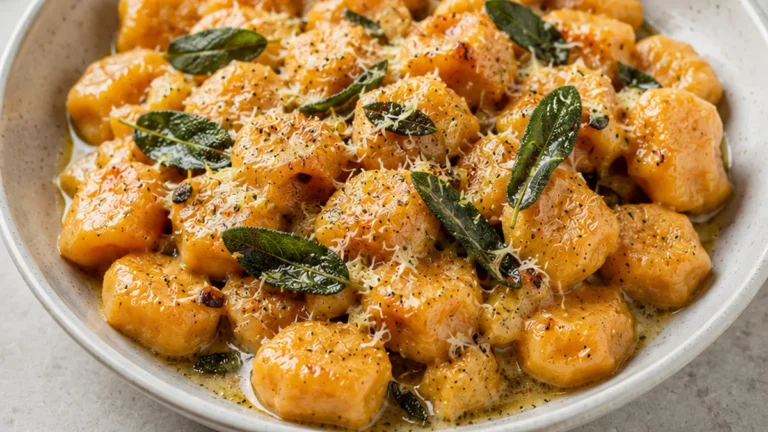
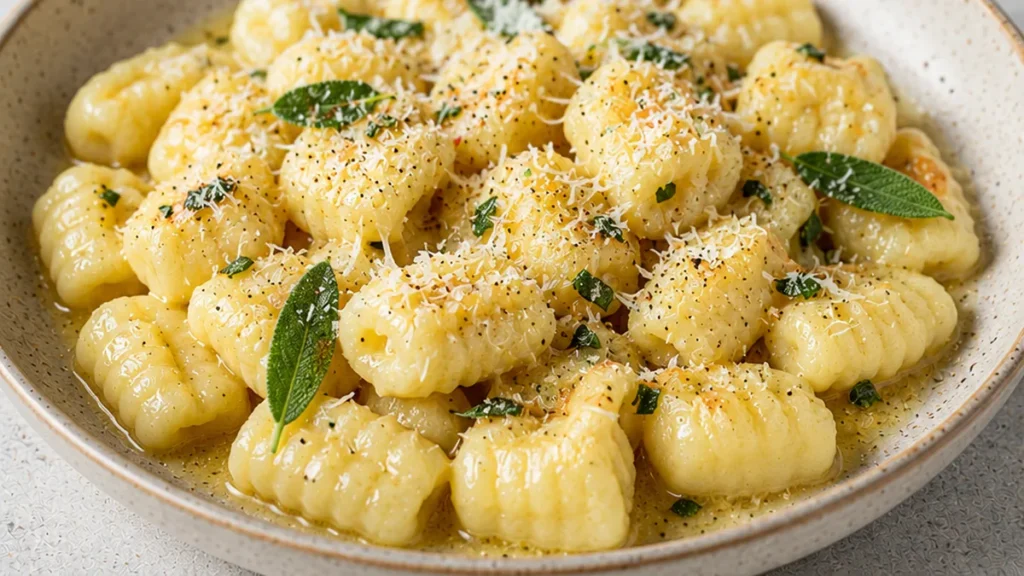
Ricotta gnocchi are a delightful departure from traditional potato versions, offering an unparalleled lightness and tenderness. This easy recipe guides you through creating these pillowy delights in just 30 minutes, proving that homemade pasta can be both quick and incredibly rewarding. Perfect for beginners and experienced cooks alike, these ricotta gnocchi are sure to become a weeknight dinner.
Key takeaways
- Handle ricotta gnocchi dough minimally to avoid toughness.
- Use full-fat ricotta for the best tender texture.
- Add flour gradually until the dough is just combined and slightly sticky.
- Cook gnocchi briefly until they float for optimal lightness.
Pillowy Ricotta Gnocchi: Homemade Magic!
Ingredients
- 250 g (8oz) full-fat ricotta cheese
- 3/4 cup (75g) freshly grated parmesan cheese
- 1 large egg
- 1 egg yolk
- 1/4 tsp cooking salt
- pinch black pepper
- 3/4 to 1 cup flour (plain/all-purpose)
- 4 tbsp (60g) unsalted butter
- 1/4 tsp cooking salt for sauce
- Black pepper for sauce
Instructions
- Mix wet ingredients: Combine ricotta, parmesan, egg, egg yolk, 1/4 tsp salt, and pinch of black pepper in a bowl. Stir with a spatula until just combined.
- Add flour: Add 3/4 cup of flour and mix until a very sticky dough forms. Add more flour, 1 tbsp at a time, only if needed, aiming for a dough that holds its shape but is still sticky. Over-flouring makes gnocchi tough!
- Shape logs: Flour your work surface lightly. Scrape the dough onto it and form it into a disc about 1″ thick. Cut into 8 wedges.
- Roll and cut: Roll each wedge into a log about 10″ long and 1/2″ wide. Cut the logs into 1/2″ pieces. (You can freeze these raw gnocchi at this point!)
- Boil gnocchi: Bring a large pot of salted water to a rolling boil. Gently add the gnocchi. Cook for about 2-3 minutes, until they float to the surface and bob for 30 seconds.
- Finish and serve: Reserve about a mug of the starchy cooking water. Drain the gnocchi and immediately add them to your favorite sauce with a splash of the reserved water. Toss gently to coat.
Notes
The technique that makes it
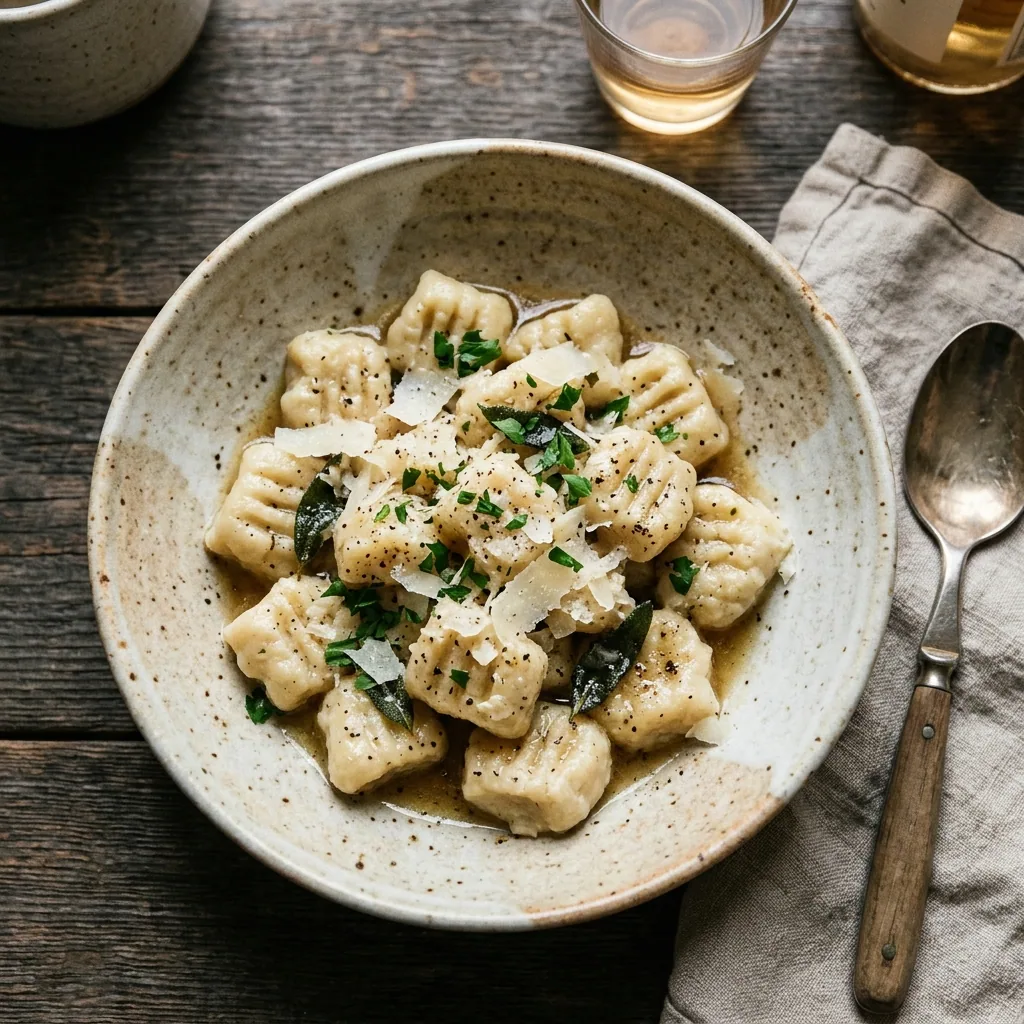
What makes pillowy ricotta gnocchi work is its delicate texture, achieved by minimizing gluten development and incorporating the richness of ricotta. Unlike traditional potato gnocchi, which rely on starch for structure, ricotta gnocchi use the cheese as the primary binder and flavor component. The key is to use full-fat ricotta, as the fat contributes to a tender, less dense gnocchi. When mixing the dough, handle it as little as possible. Overworking the flour will develop the gluten strands, leading to tough, rubbery gnocchi instead of light, airy ones. The ricotta and cheese provide moisture, so you only need enough flour to bind the ingredients into a soft, slightly sticky dough. Adding flour gradually and stopping as soon as the dough comes together is crucial. The addition of egg yolk further enriches the dough and aids in binding without adding excess moisture. When shaping, a gentle touch is paramount. Rolling the dough too thin or pressing too firmly can also toughen the final product. The cooking process is equally important: boiling them briefly until they float, then gently transferring them to the sauce, ensures they cook through without becoming waterlogged or falling apart.
Troubleshooting
- Gnocchi are tough or rubbery: This is usually due to overworking the dough, which develops too much gluten. Next time, mix the ingredients gently and only until just combined, adding flour sparingly.
- Gnocchi fall apart when boiling: The dough may be too wet, or not enough binding agent was used. Ensure you’re using full-fat ricotta and consider adding a touch more flour if the dough feels excessively sticky. Ensure the egg is fully incorporated.
- Gnocchi are dense and heavy: This can happen if the ricotta is watery (drain it well) or if too much flour was added. Aim for a very soft, slightly sticky dough. You might also be over-boiling them; cook only until they float.
- Gnocchi are bland: Don’t skimp on the Parmesan cheese and seasoning in the dough. A good pinch of salt and pepper in the gnocchi mixture itself makes a significant difference to the final flavor.
Substitutions
- Ricotta Cheese: While full-fat ricotta is ideal for texture and flavor, you could experiment with drained whole milk ricotta for a similar result. Low-fat ricotta will likely yield a less tender gnocchi. Mascarpone cheese could be used in a pinch, but it will result in a richer, denser gnocchi due to its higher fat content and different texture.
- Parmesan Cheese: A finely grated Pecorino Romano can be substituted for Parmesan, offering a sharper, saltier flavor profile. Other hard, aged Italian cheeses like Grana Padano would also work, providing a similar nutty and savory taste.
- Flour: For a gluten-free option, a high-quality gluten-free all-purpose flour blend that contains xanthan gum can be used. You may need to adjust the quantity slightly, as gluten-free flours absorb liquid differently. Start with less and add more as needed to achieve the right consistency.
- Butter in Sauce: For a dairy-free sauce, you can use a good quality vegan butter alternative. The flavor will be slightly different, but it will still provide the necessary richness and help emulsify the sauce. Olive oil can also be used, though it will result in a lighter, less creamy sauce.
Pro tips
- Use full-fat ricotta for the best texture. Low-fat can make the dough too wet.
- Don’t overmix or over-flour the dough; this is key to light, tender gnocchi.
- Freeze raw gnocchi in a single layer on a baking sheet before transferring to a freezer bag for later use.
- Serve immediately with your favorite sauce; they cook very quickly!
Enjoy these wonderfully light and tender ricotta gnocchi. They are a testament to how simple ingredients can create something truly spectacular.
More from Pasta Shapes Guide →
Frequently asked questions
Why are my homemade ricotta gnocchi gummy?
Gummy gnocchi often result from overworking the dough or using too much flour. Ricotta is wet, so resist the urge to add excessive flour. Mix just until combined, then gently shape. Cook them in boiling salted water; they are done when they float to the surface, usually within 2-3 minutes.
Can I make ricotta gnocchi ahead of time?
Yes, you can prepare the gnocchi dough and shape them a day in advance. Arrange the uncooked gnocchi on a lightly floured baking sheet, ensuring they don’t touch. Cover them loosely with plastic wrap and refrigerate. Cook them directly from the refrigerator; they may take an extra minute to float.
What’s the best sauce for ricotta gnocchi?
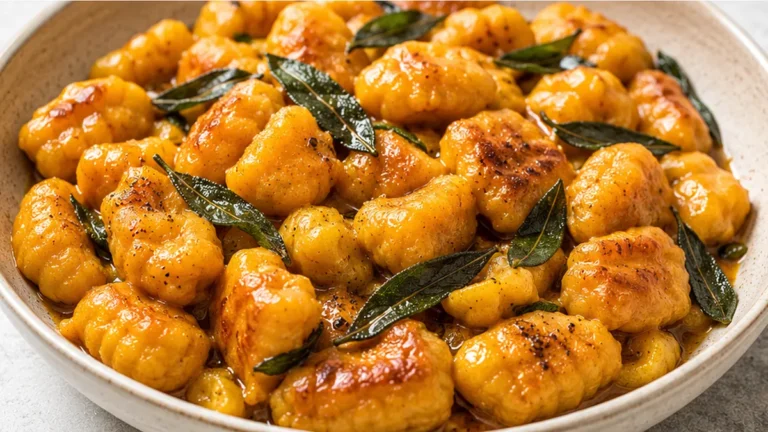
Ricotta gnocchi are delicate and pair wonderfully with lighter sauces. A simple brown butter and sage sauce is classic. Alternatively, a fresh pesto, a light tomato sauce, or a creamy lemon sauce complements their subtle flavor without overpowering them. Avoid overly heavy or chunky sauces.
How do I store uncooked homemade ricotta gnocchi?
To store uncooked gnocchi, place them in a single layer on a parchment-lined baking sheet. You can then freeze them until solid. Once frozen, transfer the gnocchi to a freezer-safe bag or container. They will keep for up to 1-2 months. Cook directly from frozen, adding a minute or two to cooking time.