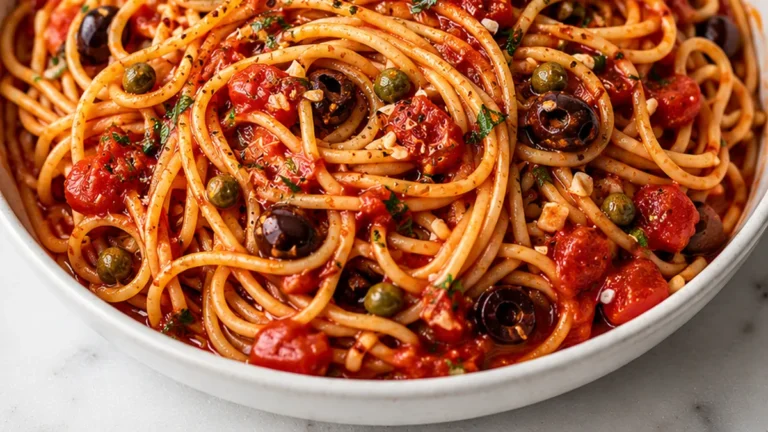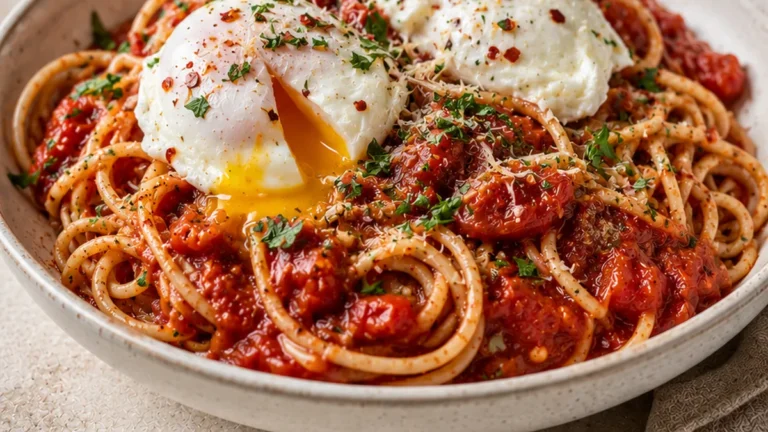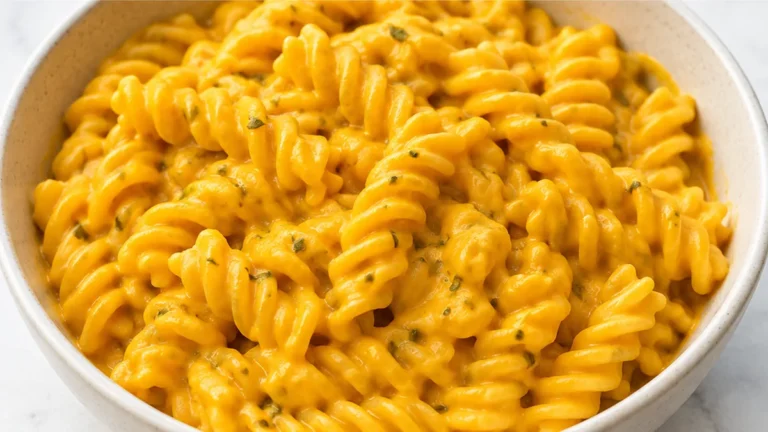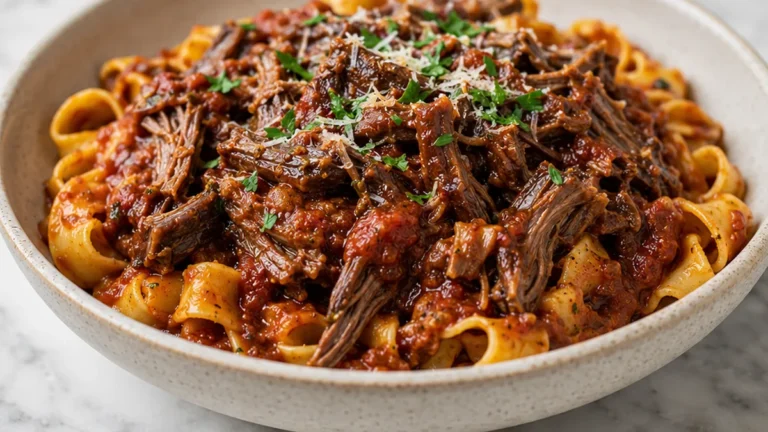
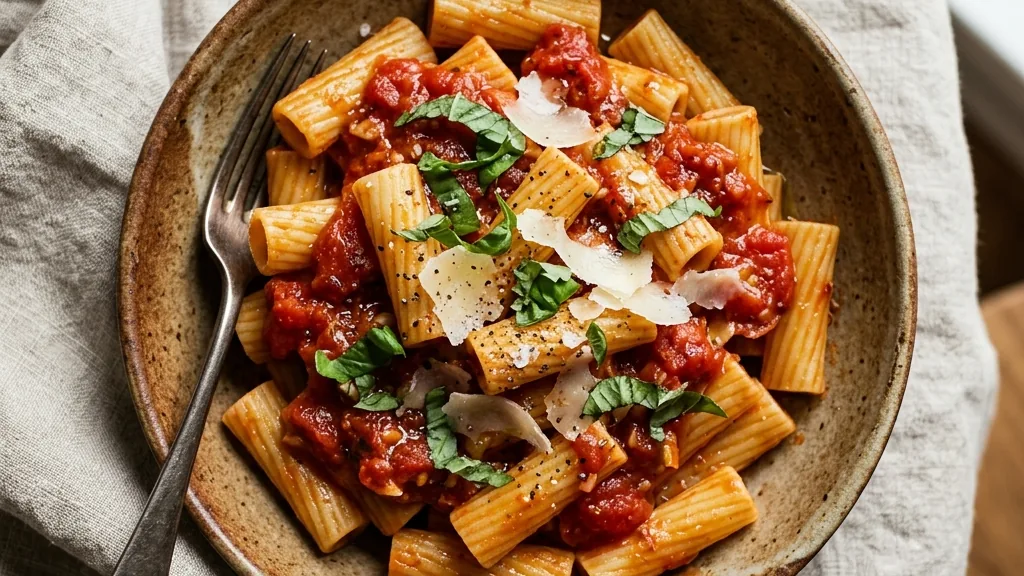
Quick answer: The secret to a perfect al dente pasta sauce is timing, not the recipe. Salt your water well, pull the pasta from the pot 1 to 2 minutes before the package time, save a cup of the starchy cooking water, and finish the pasta in the pan with the sauce for the last 1 to 2 minutes. The pasta stays firm to the bite, the starch makes the sauce glossy, and it clings to every strand instead of sliding off into the bowl.
Most home cooks make pasta the same way: boil it until soft, drain it in the sink, and spoon sauce on top. Then they wonder why it tastes flat and the sauce pools at the bottom of the plate. The fix has almost nothing to do with the sauce and everything to do with how, and when, you cook and combine the pasta.
This guide is about the technique that ties it all together. If you also want the sauce itself, see our step-by-step pasta sauce recipe; here, the star is the pasta and the marriage of the two.
What “al dente” actually means
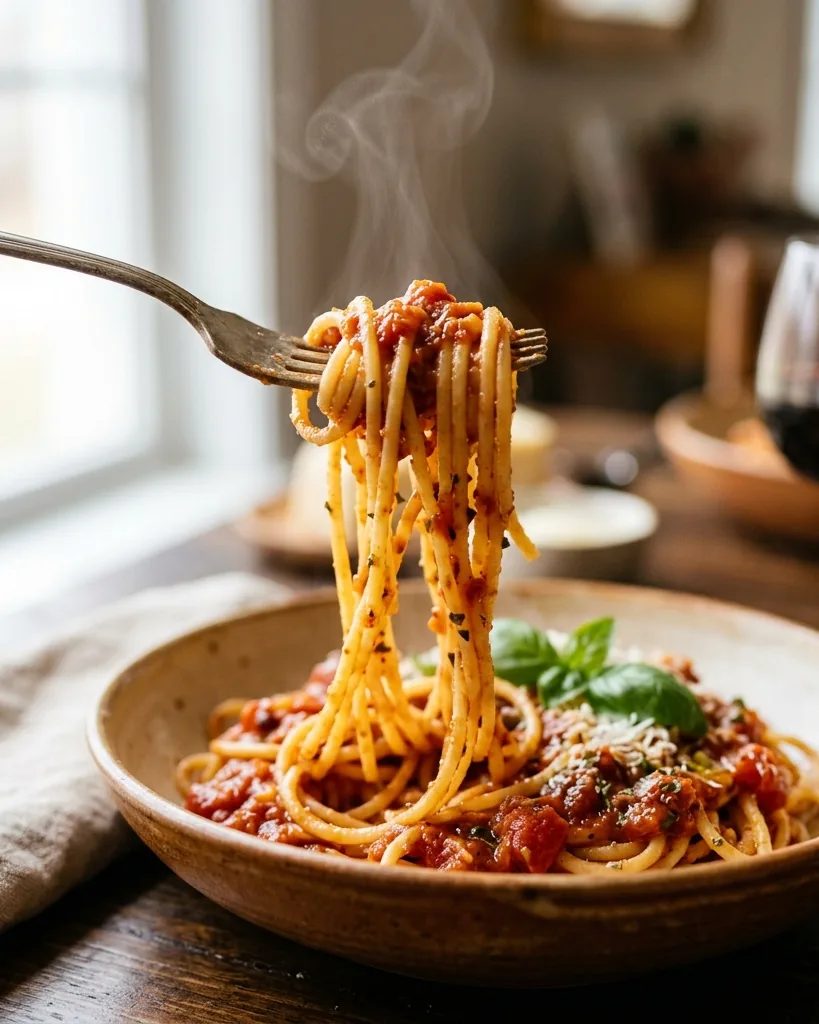
“Al dente” is Italian for “to the tooth.” It describes pasta that’s cooked through but still firm enough to give a little resistance when you bite it, with no chalky, raw center. It is not undercooked, and it is definitely not soft. Soft pasta is just overcooked pasta; it goes mushy, loses its shape, and turns gummy on the plate.
The firmness isn’t just about texture for its own sake. Firm pasta holds onto sauce better, keeps its bite even after it sits in a hot pan with that sauce, and, as we’ll see, even digests a little differently. Once you’ve had pasta cooked properly al dente and finished in its sauce, the soft, drained-and-sauced version starts to feel like a different, lesser dish.
How to cook pasta al dente, step by step
Getting there is simple once you know the moves:
- Use plenty of water. About 4 to 6 quarts per pound of pasta, so the pasta has room to move and the water returns to a boil quickly.
- Salt it well. Add roughly 1 to 1.5 tablespoons of salt per 4 quarts once it’s boiling, about the salinity of a mild broth. This is your only chance to season the pasta itself.
- Boil, don’t simmer. Keep a full rolling boil and stir in the first minute so nothing sticks.
- Start tasting early. A couple of minutes before the package’s stated time, fish out a piece and bite it.
- Pull it early. When it’s firm with just a thin pale core left, drain it, but save some pasta water first.
That’s the whole method. Notice there’s no oil in the water and no rinsing afterward; both of those, as we’ll cover, work against you.
The 2-minute rule and why it works
The single change that fixes mushy pasta for good is pulling it from the water a full 2 minutes before the package says, then finishing it in the sauce. The pasta keeps cooking off the heat, and people forget that.
It comes down to carryover cooking. Hot noodles hold a lot of heat, and they keep softening from the moment they leave the water, in the colander, on the way to the pan, and especially while it simmers in hot sauce. If you cook it to perfect doneness in the pot, by the time it hits the plate it’s already gone soft. Pull it 1 to 2 minutes early, and that remaining cooking happens in the sauce, where it should, soaking up flavor instead of plain water.
Al dente cooking times by shape
Different shapes need different times, and the package number is only a starting point. The key move is always the same: subtract about 2 minutes for your al dente pull, then finish in the sauce. Here are typical ranges to taste against:
| Shape | Typical box time | Pull for al dente |
|---|---|---|
| Angel hair (capellini) | 4 to 5 minutes | 3 to 4 minutes |
| Spaghetti | 9 to 11 minutes | 7 to 9 minutes |
| Linguine | 10 to 12 minutes | 8 to 10 minutes |
| Penne | 11 to 13 minutes | 9 to 11 minutes |
| Rigatoni | 12 to 14 minutes | 10 to 12 minutes |
| Fettuccine | 10 to 12 minutes | 8 to 10 minutes |
Thin shapes like angel hair move fast and overcook in seconds, so taste them aggressively early. Thick, ridged tubes are more forgiving and hold sauce beautifully. Fresh egg pasta is a different animal entirely: it can cook in 2 to 4 minutes total, so for fresh noodles you’re tasting almost from the moment they float.
The overlooked detail behind all of these numbers is the size of your pot and the volume of water. A crowded pot of too little water drops out of a boil the second the pasta goes in, and that lull adds uneven minutes nobody accounts for. Give a pound of pasta a genuine 4 to 6 quarts at a hard boil and the times above behave; cut the water in half and they won’t.
How to test for al dente
Timers lie, because every stove, pot, and brand of pasta is a little different. The real test is your own senses.
The bite test beats any timer. When you bite a piece and see a thin pale dot of firmer pasta in the center, that’s the moment to pull it, because it finishes perfectly in the pan. Cut or bite a piece in half and look: a tiny pale line or dot at the core means firm-but-done, exactly where you want it before it goes into the sauce. No pale center at all means it’s already fully cooked, and headed for soft once it carries over.
Marrying the pasta and the sauce
This is the step that turns home pasta into restaurant pasta, and it’s the one almost everyone skips.
A common mistake is cooking pasta fully, draining it, and only then adding sauce. Drained noodles seize up and the sauce just slides off. So never drain into the sink and walk away. Instead, move the just-shy-of-done noodles straight into the pan of warm sauce.
The most underrated tool is the pasta water itself. Save a full mug of it before draining, and a splash or two turns a tight sauce glossy and makes it grip the noodles. That cloudy water is full of released starch, which acts like a natural emulsifier: stirred into the sauce with the pasta over heat for 1 to 2 minutes, it binds the fat and liquid into a silky coating that clings to every strand. Add a little at a time until the sauce looks glossy and just coats the pasta.
Matching the shape to your sauce
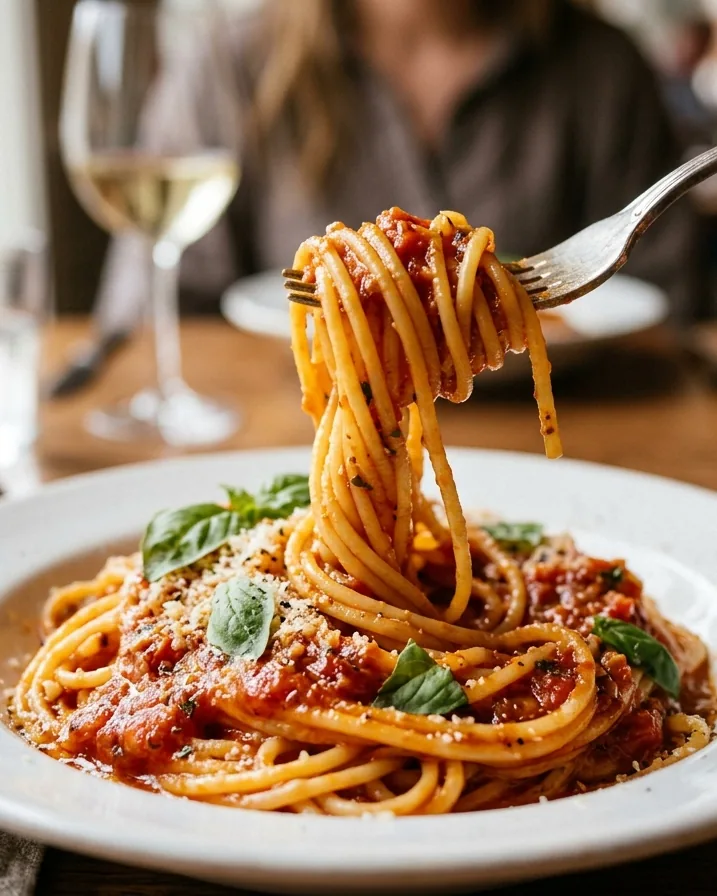
Holding firmness is only half the battle; the other half is choosing a shape that grabs what you’re serving. The shape decides how much sauce each forkful carries, and getting it right makes even a simple sauce feel generous.
- Long, thin strands like spaghetti and linguine love smooth, oil- or tomato-based sauces that coat without weighing them down.
- Ridged tubes like penne and rigatoni have grooves and hollows that trap chunky, meaty, or vegetable-heavy sauces.
- Wide ribbons like fettuccine and pappardelle stand up to rich, creamy, or slow-cooked ragu that would slide off something thinner.
- Small shapes like orecchiette and shells cup little pools of sauce and bits of sausage or greens in every bite.
The principle behind all of it: thin with smooth, sturdy with chunky. A firm bite plus the right grooves is what turns sauce from a topping into part of the dish, and it is the reason two cooks using the same jar can plate wildly different results.
Why al dente is worth it
Beyond taste and texture, there’s a genuine nutritional angle. Pasta cooked al dente has a modestly lower glycemic index than soft-cooked pasta, because the firmer, more intact starch structure digests and releases its sugars more slowly. For anyone watching blood-sugar response, that firmer bite is a small, free win, no special ingredients required.
Serve it hot, too. Temperature is part of the experience: a warmed bowl keeps the dish glossy and loose, while a cold plate makes any sauce stiffen and dull within a minute. Warm the serving bowls under hot tap water and dry them while the sauce finishes. It is a tiny, almost invisible habit, but it buys you a few extra minutes of that just-cooked, restaurant texture before everything cools down on the table.
There’s also a practical payoff: al dente pasta is far more forgiving. It survives the trip from pan to table, holds up in a pasta salad the next day, and reheats better, all because it started with structure to spare. USDA food-safety guidance is worth keeping in mind for leftovers: refrigerate cooked noodles within 2 hours and use them within about 3 to 4 days. Al dente leftovers reheat into something still pleasant; mushy ones just get mushier.
What to do if you can’t serve it right away
Timing pasta to land exactly when everyone sits down is the hardest part of a dinner, so here’s how to handle the gap. If you’re only a few minutes out, leave the pasta slightly firmer than usual, toss it with the sauce, and pull the pan off the heat; it will coast to perfect doneness while you finish the rest of the meal. Carryover, the same force that overcooks pasta, becomes your friend here.
If you need a longer cushion, undercook the pasta by 2 to 3 minutes, drain it, toss it with a little olive oil to stop it clumping, and spread it on a sheet pan to cool. When you’re ready, drop it back into boiling water for 30 to 60 seconds to reheat, then finish it in the sauce as normal. It’s the same trick restaurant kitchens use to serve dozens of plates without boiling each portion to order. For true leftovers, refrigerate within 2 hours and reheat gently with a splash of water or sauce; al dente pasta that started firm will still have a pleasant bite the next day, while pasta cooked soft just turns to paste.
Mistakes that ruin it
Most pasta disasters come from a short list of habits. Avoid these:
- Saucing in the bowl. Sauce spooned onto drained noodles sits on top and slides off. Always combine them in the pan.
- Over-draining and walking away. Pasta left bare in a colander dries, clumps, and keeps softening. Have the sauce ready first.
- Adding oil to the water. It coats the pasta in a slick film that repels sauce. Skip it; just stir to prevent sticking.
- Rinsing the pasta. Rinsing washes away the surface starch that helps sauce cling. Only rinse for cold pasta salad.
- Under-salting the water. Bland pasta can’t be fixed later with salt on top. Salt levels matter more than most cooks expect: water salted properly, about a tablespoon per quart range, seasons the pasta from the inside in a way you can never fix after it’s cooked.
- Trusting the timer blindly. Always taste a minute or two before the box says.
Get these out of your routine and the rest takes care of itself, whether you’re making a simple tomato sauce or something richer like our wild mushroom tagliatelle.
Frequently asked questions
How many minutes early should I take pasta out for al dente?
Pull it about 1 to 2 minutes before the package’s stated cooking time, then finish it in the sauce. The pasta keeps cooking from its own heat, so those last minutes happen in the pan, soaking up flavor.
Should I add oil to my pasta water?
No. Oil coats the cooked noodles and makes sauce slide off instead of clinging. Use a big pot of well-salted water and stir in the first minute to keep the pasta from sticking; that’s all you need.
Why is my sauce sliding off the pasta?
Almost always because the pasta was fully cooked, drained, then sauced in the bowl, or because it was rinsed. Finish the pasta in the pan with the sauce and a splash of starchy pasta water so the starch binds the sauce to the noodles.
Is al dente pasta healthier than soft noodles?
Slightly, yes. Al dente pasta has a modestly lower glycemic index because its firmer starch digests more slowly, which means a gentler effect on blood sugar. It’s a small benefit, but a real one.
Should I rinse pasta after cooking?
Not for hot dishes. Rinsing washes off the starch that helps sauce cling. The only time to rinse is when you’re making a cold pasta salad and want to stop the cooking and cool it down.
The takeaway
A great al dente pasta sauce isn’t about a fancier recipe; it’s about timing and the marriage of pasta and sauce. Salt the water well, pull the pasta 1 to 2 minutes early while it still has a pale core, save a cup of starchy water, and finish everything together in the pan for a minute or two. Firm pasta, glossy sauce that actually clings, and a slightly gentler effect on your blood sugar, all from a couple of small changes to the order you already do things. Cook it this way a few times and you won’t go back to draining and spooning.
References: Al dente; Glycemic index; storage timing per general USDA refrigeration guidance.