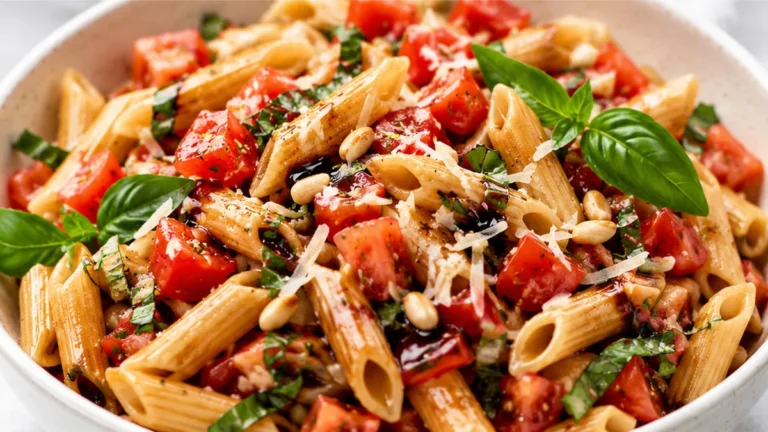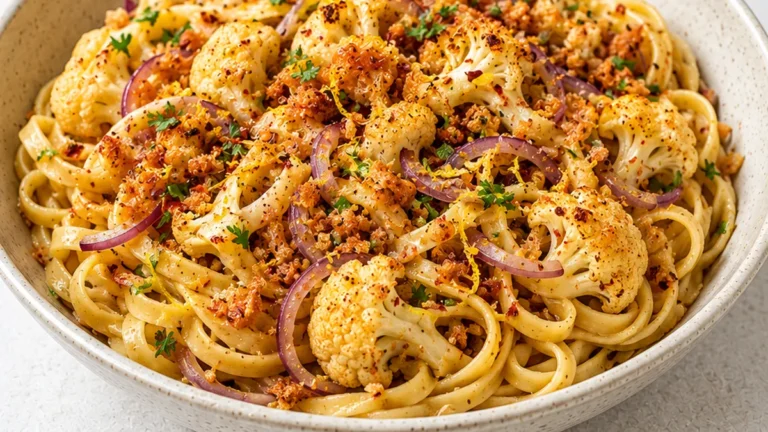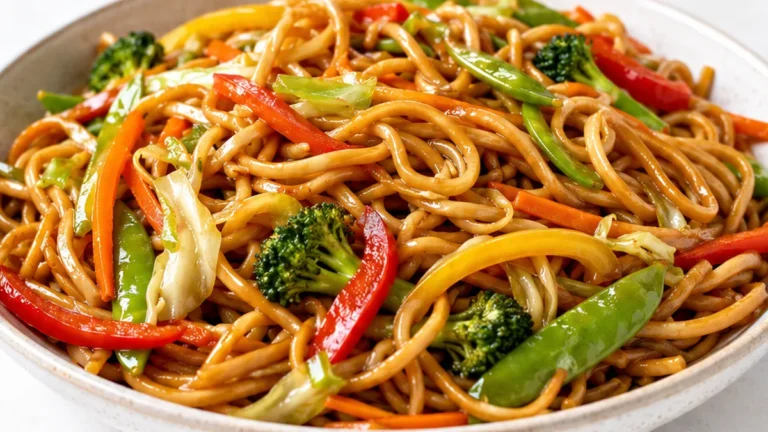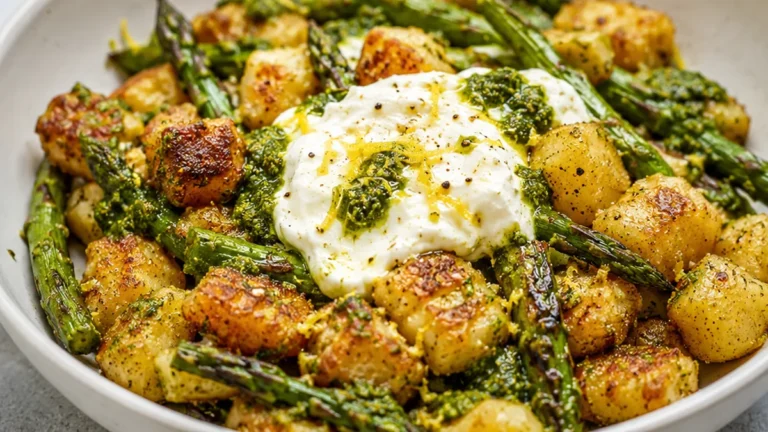
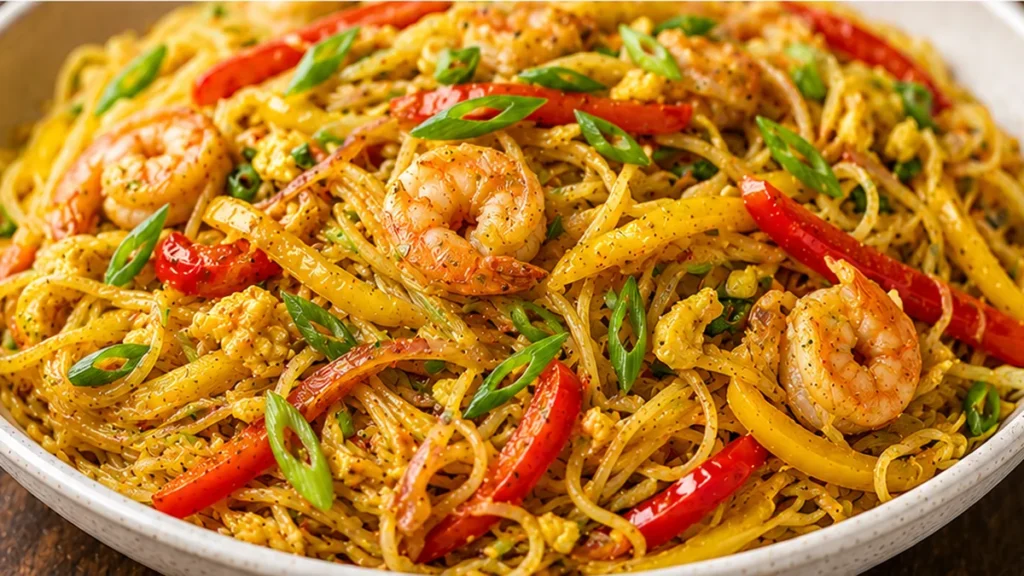
Singapore noodles are a beloved dish known for their delicate rice noodles and bright mix of vegetables, all coated in a savory sauce. This recipe offers a quick and easy way to recreate this takeout favorite at home, perfect for busy weeknights. With a focus on fresh ingredients and a flavorful garlic-ginger sauce, these singapore noodles are customizable to your taste. this recipe is designed for success, delivering a restaurant-quality meal in under 30 minutes.
Key takeaways
- The key to perfect Singapore noodles is proper noodle hydration and high-heat stir-frying for wok hei.
- Soak rice noodles in hot water and rinse with cold to prevent mushiness.
- Cook ingredients in a very hot pan, in batches if needed, to achieve smoky flavor and avoid sogginess.
- Adjust cooking times and ingredients based on substitutions for best results.
Singapore Noodles: Your New Weeknight Obsession!
Ingredients
- 4 ounces thin rice noodles
- 1 tablespoon neutral oil (like vegetable or canola)
- 2 bell peppers, thinly sliced
- 2 shallots, thinly sliced
- 1 cup fresh bean sprouts
- 1 teaspoon curry powder
- 1 cup sliced shiitake mushrooms
- 1 cup frozen peas
- Fresh scallions, sliced for topping
- 1 cup low-sodium chicken broth
Instructions
- Soak the rice noodles in cold water for 10 minutes. Wash and thinly slice all vegetables. In a small bowl, whisk together 1 cup chicken broth, 1 tablespoon oil, and 1 teaspoon curry powder for the sauce.
- Heat 1 tablespoon of oil in a large skillet or wok over high heat. Add the sliced bell peppers, shallots, and bean sprouts along with the curry powder. Stir-fry for 3-5 minutes until the vegetables are tender-crisp.
- Add the sliced shiitake mushrooms and frozen peas to the skillet. Stir-fry for another 2 minutes until the vegetables are bright and vibrant.
- Drain the soaked rice noodles and add them to the pan with the vegetables. Add approximately 2-3 tablespoons of the prepared sauce. Stir-fry continuously, tossing the noodles to prevent sticking, until heated through and moving freely.
- Remove the pan from heat. Gradually add more sauce, tossing the noodles between additions, until they reach your desired level of sauciness and the sauce thickens slightly to coat the noodles.
- Serve immediately, topped generously with sliced scallions and extra sauce if desired. Enjoy your delicious homemade Singapore Noodles!
Notes
The technique that makes it
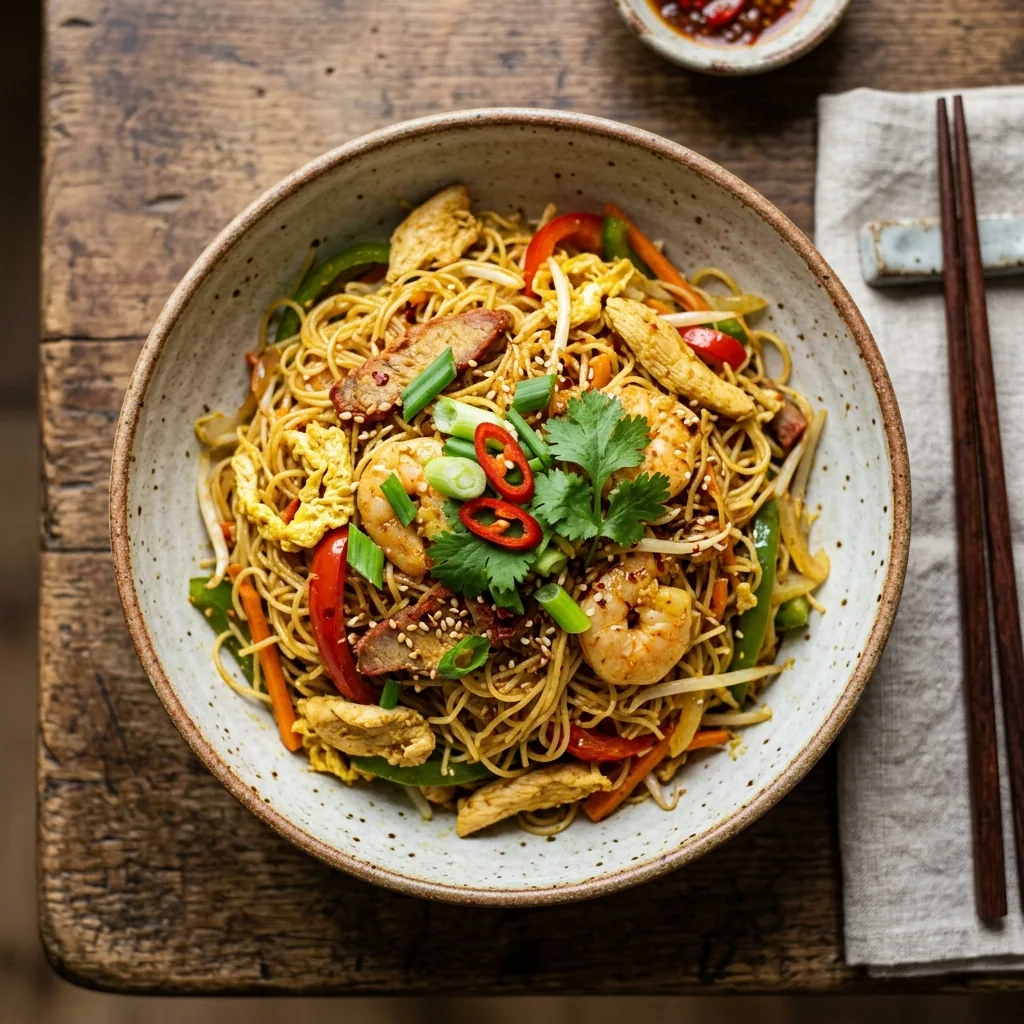
The key to perfect Singapore noodles lies in two main techniques: proper noodle preparation and achieving the right wok hei, or ‘breath of the wok’. The thin rice noodles, often labeled as vermicelli, require careful hydration. Over-soaking or boiling them will result in a mushy, unappetizing texture. The best approach is to soak them in hot, but not boiling, water according to package directions, or for a shorter period in boiling water, then drain and rinse immediately with cold water. This stops the cooking process and prevents them from clumping. The goal is for the noodles to be pliable but still have a slight al dente bite.
Achieving wok hei is crucial for authentic flavor. This refers to the smoky, slightly charred aroma and taste imparted by high-heat stir-frying in a well-seasoned wok. While difficult to replicate perfectly in a home kitchen, you can get close by using a wok or a large, heavy-bottomed skillet over high heat. Ensure the pan is smoking hot before adding the oil and ingredients. Don’t overcrowd the pan; cook ingredients in batches if necessary to maintain high heat and allow for proper searing rather than steaming. The rapid cooking at high temperatures caramelizes the vegetables and mushrooms, developing deep flavor and a desirable texture.
Troubleshooting
- Problem: Noodles are mushy or sticky. Fix: You likely overcooked or over-soaked the noodles. For future attempts, soak them in hot water for less time or rinse them thoroughly with cold water after draining to halt the cooking process. Ensure they are well-drained before stir-frying.
- Problem: Vegetables are soggy. Fix: The pan was likely not hot enough, or it was overcrowded. Ensure your wok or skillet is smoking hot before adding ingredients, and cook in batches if necessary to maintain high heat.
- Problem: Lack of flavor or smoky taste. Fix: This is often due to insufficient heat or not using enough curry powder or other aromatics. Increase the heat during stir-frying and ensure the curry powder is bloomed in the hot oil for about 30 seconds to release its flavors.
- Problem: Dish is too dry. Fix: The chicken broth might have evaporated too quickly. Add it towards the end of the cooking process and stir-fry briefly to coat the noodles and vegetables without overcooking them. You can also add a splash more broth if needed.
Substitutions
- Noodles: If thin rice noodles are unavailable, medium rice noodles or even spaghetti can be used, though the texture will differ. Adjust cooking times accordingly.
- Bell Peppers: Any color of bell pepper works. For a different flavor profile, consider adding sliced carrots or snow peas.
- Mushrooms: Cremini or button mushrooms are good substitutes for shiitake, offering a similar earthy flavor.
- Broth: Vegetable broth or even water can be used instead of chicken broth for a vegetarian or vegan option. Adjust seasoning as needed.
Pro tips
- Use thin rice vermicelli noodles for the most authentic texture.
- Don’t overcook the vegetables; aim for tender-crisp for best results.
- Add your favorite protein like shrimp, chicken, or tofu for a complete meal.
Enjoy this delightful Singapore noodles recipe and explore variations with different vegetables or proteins.
More from blog →
Frequently asked questions
Can I make Singapore noodles ahead of time?
Yes, Singapore noodles can be prepared a day in advance. Cook the noodles and sauce separately, then combine and reheat gently just before serving. This prevents the noodles from becoming mushy. Ensure all vegetables are crisp-tender when you initially cook them.
What kind of noodles are best for Singapore noodles?
Thin rice vermicelli noodles are traditional and ideal for Singapore noodles. Their delicate texture absorbs the sauce beautifully. If unavailable, thin wheat noodles or even spaghetti can be used in a pinch, though the authentic flavor and texture will be altered.
How do I store leftover Singapore noodles?
Store any leftovers in an airtight container in the refrigerator for up to 3 days. To reheat, gently stir-fry in a non-stick pan with a splash of water or soy sauce, or microwave briefly until heated through. Avoid overcooking to maintain noodle texture.
What protein works well in Singapore noodles?
Chicken, shrimp, and pork are classic choices for Singapore noodles. For a vegetarian option, firm or extra-firm tofu, pressed and cubed, works wonderfully. Ensure your protein is cooked through before adding it to the stir-fry with the noodles and vegetables.