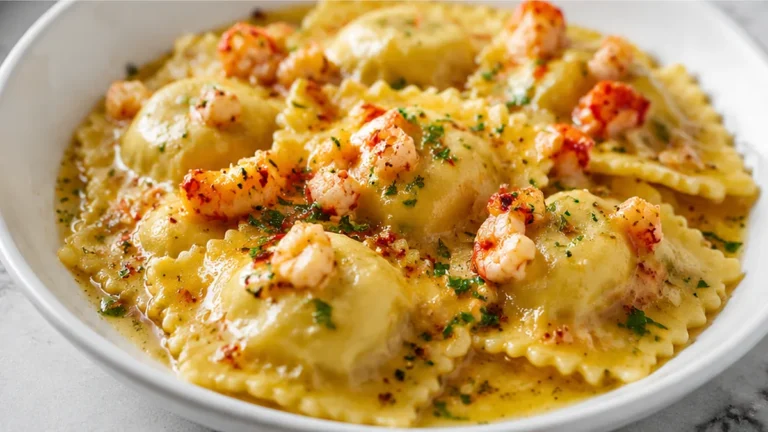
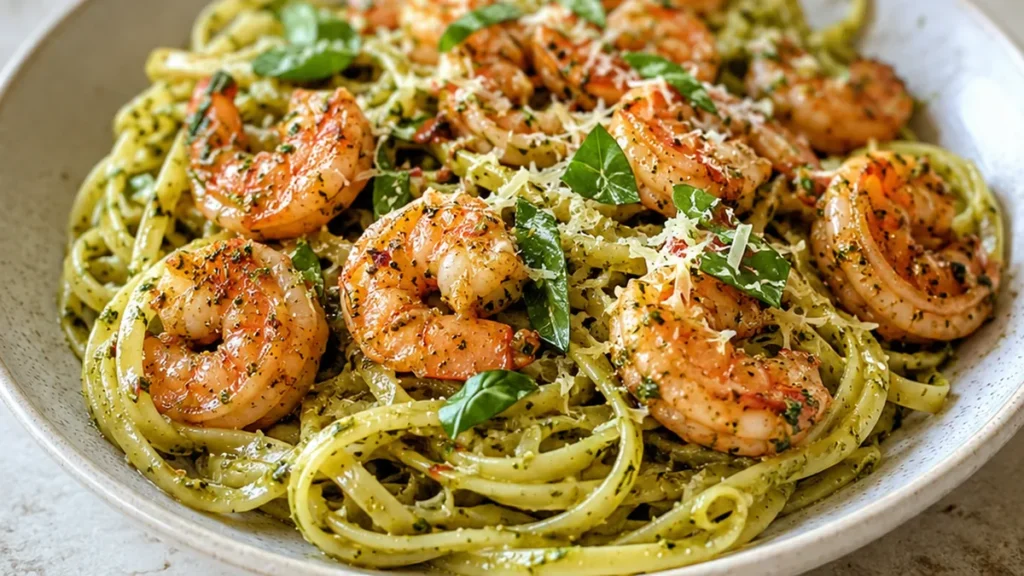
Cajun shrimp pasta combines spicy, seasoned shrimp with a flavorful pesto and garlic butter sauce. This recipe offers a quick and satisfying meal, perfect for busy weeknights.
Key takeaways
- Sear shrimp quickly over high heat for optimal texture and flavor.
- Reserve pasta water to emulsify and thicken the sauce.
- Add lemon juice at the end to brighten flavors and aid sauce consistency.
- Gently warm the pesto to preserve its fresh, herbaceous notes.
Cajun Garlic Butter Shrimp & Pesto Pasta
Ingredients
- 1 1/2 cups fresh basil
- 1 cup baby arugula
- 1 jalapeño, seeded, if desired
- 4 cloves garlic, chopped
- 1/4 cup toasted nuts (pine nuts or walnuts recommended)
- 1/3 cup grated parmesan cheese, or nutritional yeast
- 1/4 cup + 2 tablespoons extra virgin olive oil
- 1 pound pasta (linguine or fettuccine recommended)
- 1 tablespoon salted butter
- 1 1/2 pounds raw shrimp, peeled and deveined
- 1/2 cup full-fat coconut milk
- 2 tablespoons Cajun seasoning blend
- 1 tablespoon fresh lemon juice
Instructions
- To make the pesto: In a food processor, combine the basil, arugula, jalapeño, 1 clove of garlic, the toasted nuts, parmesan, and 1/4 cup olive oil. Season with salt. Pulse until a sauce forms, adding 1-2 tablespoons water if needed to thin.
- Bring a large pot of salted water to a boil. Add the pasta and cook according to package directions until al dente. Just before draining, remove 1/2 cup of the pasta cooking water. Drain and add the pasta right back into the hot pot.
- Add the pesto and 1/2 cup coconut milk to the pasta, tossing to combine. Thin the pasta as desired with the reserved pasta cooking water.
- Meanwhile, make the shrimp: Heat 2 tablespoons olive oil in a large skillet over medium heat. Add the butter, shrimp, 2 tablespoons Cajun seasoning, and a big pinch of pepper. Cook on both sides until seared, about 2-3 minutes per side.
- Stir in the remaining 3 cloves of garlic and cook until fragrant, about 30 seconds. Remove from the heat, stir in the 1 tablespoon lemon juice.
- Toss the cooked shrimp with the pesto pasta. Serve immediately and enjoy!
Video
Notes
The Technique: Building Flavor and Emulsifying the Sauce
This Cajun Garlic Butter Shrimp and Pesto Pasta recipe relies on a few key techniques to achieve its vibrant flavor and creamy texture. The first is the proper searing of the shrimp. High heat is crucial for developing the Maillard reaction, which creates those delicious browned bits and a slightly sweet, savory crust on the shrimp. Ensure your pan is hot before adding the shrimp and avoid overcrowding, which would steam them instead of searing. This searing process also leaves flavorful fond in the pan, which is essential for the sauce.
The second critical technique is creating a stable emulsion for the sauce. While not a traditional French emulsion, we’re creating a rich sauce by combining the rendered fat from the butter and shrimp, the coconut milk, lemon juice, and the reserved pasta water. The starch from the pasta water acts as an emulsifier, helping to bind the fats and liquids together, creating a cohesive, creamy sauce that clings to the pasta rather than pooling at the bottom of the bowl. Adding the lemon juice at the end helps to brighten the flavors and can also assist in slightly thickening the sauce by interacting with the fats.
Finally, the pesto itself is a raw preparation, meaning its fresh, herbaceous flavors are preserved by not cooking the basil and other ingredients at high temperatures. The heat from the cooked pasta and the sauce will gently warm the pesto, releasing its aromatics without dulling its bright green color and fresh taste.
Troubleshooting
- Problem: Shrimp are rubbery or overcooked.
Fix: Shrimp cook very quickly. Ensure your pan is hot and sear them for only 1-2 minutes per side until just pink and opaque. Remove them from the pan immediately after searing and add them back at the very end to reheat. - Problem: Sauce is too thin or watery.
Fix: Reserve more pasta water than you think you’ll need. Add it gradually to the sauce, stirring constantly, until it reaches your desired consistency. The starch in the water will help thicken the sauce. - Problem: Pesto flavor is dull or bland.
Fix: Ensure your basil is fresh and vibrant. Taste the pesto before adding it to the pasta and adjust seasoning with salt, pepper, or a touch more lemon juice if needed. Using toasted nuts also significantly enhances the pesto’s flavor. - Problem: Pasta is sticking together.
Fix: Cook pasta in generously salted boiling water. Stir it occasionally during cooking. After draining, toss it immediately with a little olive oil or directly into the sauce to prevent sticking.
Substitutions
- Shrimp: Scallops or firm white fish (like cod or halibut) can be substituted for shrimp. Scallops will sear similarly, while fish may require slightly less cooking time. The texture and flavor profile will change.
- Coconut Milk: Heavy cream or half-and-half can be used instead of coconut milk for a richer, more traditional dairy-based sauce. This will alter the subtle tropical notes of the original recipe.
- Arugula in Pesto: Spinach can be used as a substitute for arugula in the pesto. It will result in a milder, less peppery pesto flavor.
- Nuts in Pesto: Pecans or even sunflower seeds can be used if pine nuts or walnuts are unavailable. The flavor will be different but still provide richness and texture to the pesto.
Pro tips
- For perfectly cooked shrimp, ensure they are pink and opaque but not rubbery; this usually takes only 2-3 minutes per side. Overcooked shrimp become tough.
- To store leftovers, refrigerate the cajun shrimp pasta in an airtight container for up to 2-3 days. Reheat gently in a skillet with a splash of water or broth to maintain moisture and prevent the pasta from drying out.
- For a gluten-free option, simply use your favorite gluten-free pasta. The sauce and shrimp are naturally gluten-free. You can also adjust the spice level of the jalapeño to your preference by removing more or less of the seeds and white pith.
This Cajun Garlic Butter Shrimp with Creamy Pesto Pasta is a fantastic way to bring bold flavors to your table with minimal effort. Don’t hesitate to experiment with different nuts in your pesto or add extra veggies to make it your own. Enjoy this amazing meal!
Frequently asked questions
How do I prevent my shrimp from becoming tough?
Shrimp cook extremely fast. Use high heat and sear them for just 1-2 minutes per side until they turn pink. Remove them from the pan promptly and add them back only at the very end to warm through, ensuring they remain tender and succulent.
Can I make the pesto ahead of time?
Yes, the pesto can be made up to 2 days in advance and stored in an airtight container in the refrigerator. For best results, press plastic wrap directly onto the surface of the pesto to prevent oxidation and discoloration before sealing the container.
What can I use if I don’t have Cajun seasoning?
If you don’t have a pre-made Cajun seasoning blend, you can create a similar flavor profile by combining paprika, cayenne pepper, garlic powder, onion powder, dried oregano, and dried thyme. Adjust the cayenne for desired heat level.
How can I make this recipe dairy-free?
This recipe is easily made dairy-free by using nutritional yeast instead of Parmesan cheese in the pesto and ensuring your Cajun seasoning blend does not contain any dairy. The coconut milk is already dairy-free.
More from Creamy Pasta Recipes →